
TL;DR

Get garden gear delivered free — and shop member deals
- Fast, free delivery on millions of items
- Access to Prime Big Deal Days deals on October 6–7
- Prime Video, Amazon Music and more included
When temperatures in Phoenix hit 100°F or more, your tomato plants face stress, sunscald, and poor fruit set. Using shade cloths, consistent deep watering, and heat-tolerant varieties keeps plants healthy and productive. Proactive steps during peak heat hours make all the difference.
Heat in Phoenix doesn’t mess around. When the thermometer climbs past 100°F, your tomatoes are fighting for survival. Blossom drop, sunscald, and stunted growth become the norm if you don’t act fast.
But don’t worry. With a few practical tricks — like strategic shading, smart watering, and choosing the right varieties — you can keep your plants happy and productive even during the hottest days. This guide shows you how to beat the heat and keep your tomato harvest alive and thriving.
Start shading and watering early — before the thermometer hits 85°F.
Use a 30-50% shade cloth during the hottest part of the day for effective protection.
Deep, consistent watering and mulching keep roots cool and prevent drought stress.
Choose heat-tolerant tomato varieties like ‘Heatmaster’ and ‘Solar Fire’ for better resilience.
Prune and space plants to improve airflow and reduce heat buildup.
Start protecting your plants before the heat hits 85°F
As soon as temperatures hit 85°F during the day, your tomatoes start feeling the heat. It’s time to get protective measures in place, even if it’s early morning. Waiting too long can cause blossom drop and poor fruit development.
Think of it like putting on sunscreen before a sunburn — prevention is easier than cure. Setting up shade cloths or misting can make a big difference.
As an affiliate, we earn on qualifying purchases.
Use shade cloths effectively — here’s how
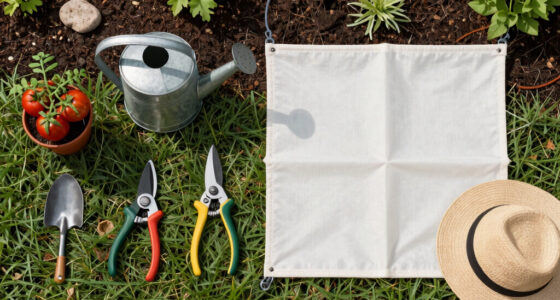
- Choose a 30-50% shade cloth — enough to block harsh afternoon rays but still let in sunlight for photosynthesis.
- Position the cloth so it shades plants from late morning to late afternoon, especially between 11 AM and 4 PM.
- Secure the edges with stakes or weights to prevent flapping and ensure consistent coverage.
- Adjust or remove the cloth during cooler mornings and evenings to maximize sunlight and airflow.
Imagine a lightweight sail stretching over your tomato bed, deflecting the blazing sun like a shield. It’s a simple fix that keeps temperatures down and plants cooler.
deep watering garden hose attachment
As an affiliate, we earn on qualifying purchases.
As an affiliate, we earn on qualifying purchases.
Water deeply and consistently — the secret to cool roots
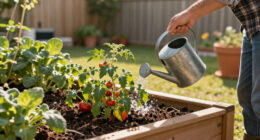
Tomatoes hate drought stress, especially when it’s hot. Deep watering every 1-2 days keeps roots cool and soil moist, preventing plant wilting and blossom drop.
Deep, consistent watering allows moisture to penetrate deeply into the soil, encouraging roots to grow downward rather than staying near the surface where they heat up quickly. This deeper root system enhances drought resilience and helps maintain plant vigor during extreme heat. When roots are shallow, they are more exposed to the scorching surface temperatures and less able to access moisture reserves, leading to stress and fruit production issues. Using drip irrigation or soaker hoses ensures water reaches the roots directly, avoiding wetting foliage that could promote diseases. Mulching with straw or bark adds an extra layer of insulation, trapping moisture and preventing rapid evaporation, which is critical during high-temperature spells. Neglecting proper watering can lead to rapid dehydration, increased heat stress, and ultimately, crop failure. Therefore, maintaining consistent moisture levels is fundamental to sustaining healthy, productive tomato plants in desert heat.
As an affiliate, we earn on qualifying purchases.
Choose the right tomato varieties for hot weather
| Variety | Heat Tolerance | Best For |
|---|---|---|
| Heatmaster | High | Hot climates, long summer |
| Solar Fire | Moderate to High | Early harvests in heat |
| Phoenix | High | Heat-tolerant, large fruits |
Choosing these varieties reduces the risk of blossom drop and sunscald. They’re bred to handle the heat, so your garden survives and thrives even when the mercury soars.
As an affiliate, we earn on qualifying purchases.
Prune and space plants to beat the heat
Removing excess foliage improves airflow around your tomatoes, helping them shed heat faster. Proper spacing prevents overcrowding, which traps heat and humidity.
Imagine your plants as a crowd at a summer picnic — give them room to breathe, and they won’t sweat so much. Prune out the lower leaves and suckers, and ensure each plant has at least 18-24 inches of space.
Use reflective mulches or surfaces to deflect heat
Reflective materials like silver mulch bounce heat away from your plants, keeping them cooler. In a desert climate, this simple trick can cut soil and plant surface temperatures by 10-15°F.
Imagine laying down a shiny blanket that sends the sun’s rays bouncing back into the sky. It’s a quick, affordable way to manage excessive heat around your tomatoes.
Plant early or late — avoid the hottest days
Timing your planting can make a huge difference. In Phoenix, planting in early spring or late summer helps your tomatoes avoid the worst of the heat.
Think of it like scheduling a beach trip — you pick the coolest days for comfort. Use local climate data to identify the best windows for planting.
Watch the signs — know when your plants are suffering
Wilting, blossom drop, sunscald on fruits, and poor fruit development are clear signs of heat stress. Catching these early means you can adjust your protection tactics.
For example, if you see fruits with pale, sunburned patches, it’s time to add shade or water more often. Staying alert keeps your tomatoes healthy.
Frequently Asked Questions
When should I start protecting my tomato plants during a heatwave?
Begin protecting your plants as soon as daytime temperatures reach around 85°F. Early action prevents blossom drop and sunscald, setting your tomatoes up for success.
What type of shade cloth is best for tomatoes?
A 30-50% shade cloth strikes a good balance — enough to block intense afternoon sun while still letting enough light through for healthy growth.
Can I use household items to shade my tomatoes?
Absolutely. Old sheets, umbrellas, or DIY shade structures can provide temporary relief during heatwaves. Just make sure they’re light, breathable, and well-secured.
How often should I water during extreme heat?
Deep watering every 1-2 days is best, depending on soil moisture and weather conditions. Consistency keeps roots cool and plants hydrated.
Are there specific tomato varieties better suited for hot climates?
Yes. Varieties like ‘Heatmaster,’ ‘Solar Fire,’ and ‘Phoenix’ are bred to withstand high temperatures, reducing blossom drop and sunscald issues.
Conclusion
Extreme heat in Phoenix demands proactive care. Shade, water wisely, and select the right varieties, and your tomatoes can survive the sizzling summer.
Think of your garden as a little oasis — a cool haven amid the heat. With these simple steps, you’ll keep your plants thriving and your harvest plentiful, no matter how high the mercury climbs.
Halloween Picks
halloween
As an affiliate, we earn on qualifying purchases.