The best heat-tolerant garden seeds depend on what you want to harvest: my best overall pick is the Heat- and Drought-Tolerant Vegetable Seeds, 10-Variety Pack for its broad warm-weather focus, while Heatmaster Tomato Seeds suit gardeners set on tomatoes and Malabar Spinach is a strong leafy green option for hot weather. A mixed pack offers variety, but single-crop packets give you more control over space and planting; heat tolerance also does not replace steady watering or suitable soil. This lineup ranges from vegetables and beans to herbs, flowers, and lettuce, so the right choice hinges on your climate and the crops you’ll actually eat or grow. Read on for the full comparison, including the tradeoffs behind each pick.

Get garden gear delivered free with Prime
- Fast, free delivery on millions of items
- Prime Video, Amazon Music and more included
- Member-only deals all year
Complete the kit


Key Takeaways
- Broad variety favors mixed packs: the 10-variety heat- and drought-tolerant pack offers a wider starting point than a single-crop packet, though its mix may include crops you do not want.
- Crop-specific seeds make targeted plans easier: Heatmaster tomatoes, yard-long beans, and Malabar spinach each focus on a distinct warm-season harvest rather than spreading seed across multiple crops.
- Heat tolerance varies by crop and purpose: Malabar spinach and purslane offer alternatives to conventional leafy greens and herbs when summer conditions challenge cool-season crops.
- Large seed counts are not automatically better value: Buttercrunch lettuce’s 2,500-count pouch can suit repeat sowing, but lettuce remains a less straightforward hot-weather choice than warm-season beans or Malabar spinach.
- Flowers and vegetables serve different garden goals: Coral zinnia and the herb-and-flower mix add ornamental variety, while vegetable collections prioritize edible crops; choose based on the space and harvest you want.
| Southern Heirloom Vegetable Seeds Collection, 15 Varieties |  | Best for Hot, Humid Gardens | Number of varieties: 15 | Seed type: Heirloom, open-pollinated, non-GMO | Seed treatment: Untreated | VIEW LATEST PRICE | See Our Full Breakdown |
| Heat- and Drought-Tolerant Vegetable Seeds, 10-Variety Pack |  | Best for Hot, Dry Conditions | Number of varieties: 10 | Included varieties: Fordhook Swiss Chard, Sorrel, Scarlet Nantes Carrot, Red Russian Kale, Cherokee Purple Tomato, Rainbow Bell Pepper, Contender Green Bean, Sugar Baby Watermelon, Long Eggplant, and Hale’s Best Melon | Seed type: Heirloom, non-GMO, open-pollinated | VIEW LATEST PRICE | See Our Full Breakdown |
| Home Grown Coral Zinnia Seeds, 300 Seeds |  | Best Heat-Tolerant Flower | Seed quantity: 300 | Flower: Coral zinnia (Zinnia elegans) | Sunlight: Full sun | VIEW LATEST PRICE | See Our Full Breakdown |
| Summer Vegetable Garden Seeds Variety Pack, 10 Heirloom Non-GMO Varieties |  | Best for Flexible Garden Setups | Number of varieties: 10 | Included varieties: Tri-Color Bush Bean, Straight Eight Cucumber, Black Beauty Eggplant, Black Beauty Zucchini, Clemson Spineless Okra, Jalapeño Pepper, Serrano Pepper, Rainbow Bell Pepper Mix, Cherokee Purple Tomato, and Rainbow Heirloom Tomato Mix | Seed type: Heirloom, non-GMO, open-pollinated, untreated | VIEW LATEST PRICE | See Our Full Breakdown |
| 250 Purslane Heirloom Herb Seeds for Planting |  | Best Low-Water Edible Green | Seed count: 250 | Plant type: Purslane (Portulaca oleracea sativa) | Expected height: About 3 inches | VIEW LATEST PRICE | See Our Full Breakdown |
| Heatmaster Tomato Seeds, 45 Seeds |  | Best for Hot-Climate Slicers | Seed count: 45 seeds | Variety: F1 hybrid, determinate | Days to maturity: About 75 days | VIEW LATEST PRICE | See Our Full Breakdown |
| Hot Weather Bean Seeds, 5 Varieties |  | Best for Hot, Humid Gardens | Number of varieties: 5 | Varieties: Rattlesnake bean, Jackson Wonder lima, Black-Eyed Pea, Purple Hull Cowpea, Chiba Green Soybean | Growing conditions: Full sun, warm soil, moderate watering | VIEW LATEST PRICE | See Our Full Breakdown |
| Outsidepride Malabar Spinach (Basella rubra) Seeds, 100 Count |  | Best Heat-Tolerant Leafy Green | Seed count: 100 | Plant type: Climbing herb vine | USDA hardiness zone: 8–11 | VIEW LATEST PRICE | See Our Full Breakdown |
| Drought-Tolerant Herb and Flower Seeds, 8-Variety Pack |  | Best for Dry, Pollinator-Friendly Gardens | Number of varieties: 8 | Seed varieties: Lavender, blue sage, California poppy, thyme, white sage, marjoram, culinary sage, oregano | Sunlight exposure: Full sun | VIEW LATEST PRICE | See Our Full Breakdown |
| Heat-Resistant Yard-Long Bean Heirloom Seeds, 30+ Seeds |  | Best for Long-Pod Bean Growing | Seed count: 30+ | Weight: 3 g | Usage: Indoor and outdoor | VIEW LATEST PRICE | See Our Full Breakdown |
| Buttercrunch Lettuce Seeds, 2,500 Count, Heirloom, Heat-Tolerant, 2.5 g Pouch |  | Best for Heat-Tolerant Salad Greens | Seed count: 2,500 | Pouch weight: 2.5 g | Item weight: 4.54 g | VIEW LATEST PRICE | See Our Full Breakdown |
| heat-tolerant garden seed | Planting period |
|---|---|
| Southern Heirloom Vegetable Se | Spring to summer |
| Heat- and Drought-Tolerant Veg | Spring to summer |
| Home Grown Coral Zinnia Seeds | — |
| Summer Vegetable Garden Seeds | Spring |
| 250 Purslane Heirloom Herb See | — |
| Heatmaster Tomato Seeds | — |
| Hot Weather Bean Seeds | Spring to summer |
| Outsidepride Malabar Spinach | Spring |
| Drought-Tolerant Herb and Flow | Spring |
| Heat-Resistant Yard-Long Bean | — |
| Buttercrunch Lettuce Seeds | — |
More Details on Our Top Picks
Southern Heirloom Vegetable Seeds Collection, 15 Varieties
This is the broadest heat-focused vegetable assortment in this group: 15 open-pollinated varieties selected for hot, humid weather and long seasons. Okra, purple hull peas, collards, and heat-friendly crops such as Armenian cucumber give gardeners more options than the 10-variety Heat- and Drought-Tolerant Vegetable Seeds pack, which is framed more toward dry conditions. Individual growing and seed-saving guidance also makes the mix useful for gardeners who want to keep seeds from suitable varieties. The tradeoff is its regional focus: the listed Zones 7–11 and full-sun needs make it a poor match for cooler gardens or shaded plots. Moderate watering is still required, so this is not a no-irrigation solution for summer heat.
Pros:- 15 varieties provide more crop diversity than the other vegetable collections reviewed here.
- Selected for hot, humid climates and long growing seasons.
- Untreated, non-GMO, open-pollinated heirloom seeds.
- Packets include variety-specific planting, harvest, and seed-saving guidance.
Cons:- Its stated suitability is limited to Zones 7–11, so it is less flexible for cooler climates.
- Full sun and moderate watering are still needed despite the heat-focused selection.
Best for: Gardeners in Zones 7–11 who want a varied heirloom vegetable bed suited to hot, humid summers and value seed-saving instructions.
Not ideal for: Gardeners in cooler zones, shaded plots, or gardens where regular watering is difficult.
- Number of varieties:15
- Seed type:Heirloom, open-pollinated, non-GMO
- Seed treatment:Untreated
- Suitable zones:7–11
- Included varieties:Okra, Georgia Southern collards, purple hull peas, Hickory King corn, Armenian cucumber, Crimson watermelon, long eggplant, habanero, banana pepper, green and rainbow tomatoes, Cocozelle zucchini, crookneck squash, Rattlesnake beans, and Jackson Wonder beans
- Planting period:Spring to summer
- Sunlight:Full sun
- Soil and moisture:Loam; moderate watering
Our verdict“Choose this collection if you garden in a warm, humid region and want the widest selection of heat-suited heirloom vegetables.”
Heat- and Drought-Tolerant Vegetable Seeds, 10-Variety Pack
For gardeners dealing with heat plus dry spells, this pack has a more targeted brief than the humid-climate-focused Southern Heirloom Vegetable Seeds Collection. Its 10 varieties include Sugar Baby watermelon, Hale’s Best melon, and Cherokee Purple tomato, along with greens and beans, giving the mix a useful range of crops rather than a single-crop focus. The open-pollinated, untreated seeds arrive in individual packets with planting, care, harvest, and seed-saving guidance, which helps when different vegetables need different timing. One limitation is that drought-tolerant does not mean water-free: the listed care calls for regular watering. Its Zones 7–10 guidance also narrows its fit compared with the Summer Vegetable Garden Seeds pack, which lists Zones 4–11.
Pros:- Varieties are selected for warm climates and dry conditions.
- Mixes vegetables, greens, and melons across 10 varieties.
- Individual packets include variety-specific growing and seed-saving guidance.
- Seeds are heirloom, open-pollinated, non-GMO, and untreated.
Cons:- Regular watering is still listed, limiting its appeal for gardens with very little irrigation.
- The stated Zones 7–10 range is narrower than some other vegetable packs in this roundup.
Best for: Warm-region gardeners in Zones 7–10 who want a varied vegetable selection for sunny beds that may face hot, dry weather.
Not ideal for: Gardeners seeking a low-water planting they can leave unattended, or those outside the stated warm-zone range.
- Number of varieties:10
- Included varieties:Fordhook Swiss Chard, Sorrel, Scarlet Nantes Carrot, Red Russian Kale, Cherokee Purple Tomato, Rainbow Bell Pepper, Contender Green Bean, Sugar Baby Watermelon, Long Eggplant, and Hale’s Best Melon
- Seed type:Heirloom, non-GMO, open-pollinated
- Seed treatment:Untreated
- USDA hardiness zones:7–10
- Planting period:Spring to summer
- Sunlight:Full sun
- Soil:Loam
Our verdict“Pick this pack for a sunny warm-climate garden where drought tolerance matters, but do not expect crops to thrive without regular watering.”
Home Grown Coral Zinnia Seeds, 300 Seeds
Most entries here focus on edible crops; these coral zinnias are the clear choice for adding long-lasting color and pollinator activity to a hot, sunny garden. The listed bloom window runs from early summer until first frost, while the compact 12-inch height suits borders and smaller spaces better than a sprawling vegetable assortment such as the Southern Heirloom collection. The 300-seed quantity and included grow guide give gardeners room to sow a patch and follow basic care instructions. This is a flower pick, not a substitute for heat-tolerant food crops, and it needs full sun plus moderate watering. Compared with the 250 Purslane Heirloom Herb Seeds, it offers seasonal blooms rather than edible greens and drought-conscious groundcover.
Pros:- Heat-tolerant flowers bloom from early summer until first frost.
- Attracts pollinators.
- Compact listed height works in borders and smaller garden spaces.
- Includes a grow guide and 300 seeds.
Cons:- Requires full sun, limiting placement in partly shaded gardens.
- Moderate watering is needed, unlike the low-water purslane option.
- Provides flowers rather than edible vegetable or herb harvests.
Best for: Gardeners who want a compact, full-sun flower planting that can add coral color and attract pollinators through the warm season.
Not ideal for: Buyers focused on edible harvests or gardens that cannot provide full sun and moderate watering.
- Seed quantity:300
- Flower:Coral zinnia (Zinnia elegans)
- Sunlight:Full sun
- Bloom period:Early summer to first frost
- Expected height:12 inches
- USDA hardiness zones:3–9
- Seed attributes:Heirloom, GMO-free, untreated
- Soil and moisture:Loam; moderate watering
Our verdict“Choose these zinnias when your heat-tolerant garden needs compact, pollinator-friendly color rather than edible crops.”
Summer Vegetable Garden Seeds Variety Pack, 10 Heirloom Non-GMO Varieties
This pack’s strongest distinction is where it can fit: it is listed for outdoor gardens, raised beds, and containers, with a wider stated range of Zones 4–11 than the Southern Heirloom collection or the drought-focused 10-variety pack. Its vegetables—beans, cucumber, eggplant, zucchini, okra, peppers, and tomatoes—lean into classic summer crops, including both jalapeño and serrano peppers. Packet-specific instructions help gardeners manage the different crops, and the untreated, open-pollinated heirloom seeds suit those interested in seed saving. But this is not the best option for the driest sites: regular watering is specified, and full sun is required. Compared with the heat-and-drought pack, its broader zone listing and container suitability come at the cost of a less explicit drought-tolerance focus.
Pros:- Suitable for raised beds, backyard gardens, and containers.
- Lists Zones 4–11, broader than the other vegetable collections reviewed here.
- Includes a varied set of familiar summer vegetables, including okra and multiple peppers.
- Untreated, open-pollinated heirloom seeds come with packet-specific instructions.
Cons:- Requires regular watering, so it is less suited to low-irrigation gardens.
- Full-sun outdoor growing is required.
- The description emphasizes warm-weather use but does not specifically identify the varieties as drought-tolerant.
Best for: Gardeners using sunny raised beds, outdoor containers, or backyard plots who want a warm-season vegetable mix with a broad stated zone range.
Not ideal for: Gardeners prioritizing minimal irrigation or seeking a collection specifically selected for drought conditions.
- Number of varieties:10
- Included varieties:Tri-Color Bush Bean, Straight Eight Cucumber, Black Beauty Eggplant, Black Beauty Zucchini, Clemson Spineless Okra, Jalapeño Pepper, Serrano Pepper, Rainbow Bell Pepper Mix, Cherokee Purple Tomato, and Rainbow Heirloom Tomato Mix
- Seed type:Heirloom, non-GMO, open-pollinated, untreated
- Growing locations:Outdoor gardens, raised beds, and containers
- USDA hardiness zones:4–11
- Planting period:Spring
- Sunlight:Full sun
- Soil and moisture:Loam; regular watering
Our verdict“Choose this pack for a sunny raised bed or container setup across a broad range of listed zones, but favor the drought-focused pack where water is scarce.”
250 Purslane Heirloom Herb Seeds for Planting
For a hot garden where water is scarce, purslane has the clearest practical advantage in this batch: it is described as heat- and drought-tolerant and needs little to no watering. Its edible greens can go into salads, stir-fries, and soups, giving it a different purpose from the coral zinnias and the multi-crop vegetable packs. The low, roughly 3-inch plants also suit containers or space near the ground where taller crops may not fit. In contrast to the Heat- and Drought-Tolerant Vegetable Seeds pack, this is a single edible plant rather than a broad harvest assortment. Germination takes 12–21 days at about 75°F, so it rewards patience and warm sowing conditions; partial shade and sandy soil are listed, which may not match every garden.
Pros:- Heat- and drought-tolerant plants need little to no watering.
- Edible greens work in salads, stir-fries, and soups.
- Low-growing plants suit containers and compact planting areas.
- Open-pollinated, heirloom, GMO-free seeds include a growing guide.
Cons:- Germination can take 12–21 days at the listed temperature of 75°F.
- A single plant type provides less crop variety than either 10- or 15-variety vegetable pack.
- Listed preferences for partial shade and sandy soil may not match every sunny, loam-based garden.
Best for: Gardeners in warm or water-limited areas who want a low-growing edible green for containers or garden beds and can wait for warm-condition germination.
Not ideal for: Gardeners wanting a diverse vegetable harvest, fast germination, or a tall crop for vertical garden space.
- Seed count:250
- Plant type:Purslane (Portulaca oleracea sativa)
- Expected height:About 3 inches
- Spacing:9–12 inches
- Germination:12–21 days at 75°F
- Planting depth:1/4 inch
- Sunlight and soil:Partial shade; sandy soil
- Moisture needs:Little to no watering
- USDA hardiness zones:3–10
Our verdict“Pick purslane if your priority is a low-water edible green, not a varied vegetable harvest or quick-growing crop.”
Heatmaster Tomato Seeds, 45 Seeds
Heatmaster earns its place for gardeners who want full-size tomatoes in hot, sunny conditions, rather than a collection of crops with different uses. Its determinate growth keeps plants to a listed 36–48 inches, while fruit averages 7 ounces—more suited to sandwiches and slicing than the small, varied harvests in Hot Weather Bean Seeds, 5 Varieties. The stated 75-day maturity gives a useful harvest-time estimate, and resistance is listed for several diseases. The tradeoff is a narrower growing plan: these seeds call for indoor sowing, full sun, and regular watering, so heat tolerance does not mean low-input care. With 45 seeds, the packet also offers less breadth than the multi-variety collections. Choose it for a focused tomato crop, not for a mixed garden starter set.
Pros:- Selected for higher temperatures and hot-climate gardens
- Produces deep red tomatoes averaging 7 ounces, suited to slicing
- Determinate plants have a listed height of 36–48 inches
- Disease resistance is listed for V, FF, N, A, St, and ToMV
Cons:- Requires full sun and regular watering despite its heat tolerance
- Indoor sowing adds a seed-starting step
- One tomato variety offers less crop diversity than the five-variety bean collection
Best for: Gardeners in hot-summer regions who want determinate, slicing tomatoes and can start seeds indoors and water regularly
Not ideal for: Low-water gardeners or anyone seeking a broad mix of crops; this tomato calls for regular watering and offers one variety
- Seed count:45 seeds
- Variety:F1 hybrid, determinate
- Days to maturity:About 75 days
- Average fruit weight:7 oz
- Plant height:36–48 inches
- Germination rate:90%
- Sunlight:Full sun
- Planting method:Indoor sow
- Disease resistance:V, FF, N, A, St, ToMV
Our verdict“Choose Heatmaster if your priority is a full-size, heat-tolerant slicing tomato and you can provide indoor starts and steady watering.”
Hot Weather Bean Seeds, 5 Varieties
If summer heat and humidity make a single-crop packet feel limiting, this collection spreads the bet across five bean types: Rattlesnake, Jackson Wonder lima, Black-Eyed Pea, Purple Hull Cowpea, and Chiba Green Soybean. That range also gives you a choice between fresh or dried harvests, unlike the single-crop focus of Heatmaster Tomato Seeds. The seeds are described as heirloom, non-GMO, and untreated, with planting guidance on the packets. Their listed hardiness range is broad, but sowing still depends on warm soil and a full-sun site; the zone range does not remove those seasonal requirements. The stated six-foot plant height also calls for room and support planning. This is a better fit for gardeners who value variety and summer productivity than for anyone seeking a compact, no-planning crop.
Pros:- Combines five distinct bean and legume varieties
- Selected for hot, humid summer growing conditions
- Harvest can be used fresh or dried
- Heirloom, non-GMO, untreated seeds with planting guidance included
Cons:- Requires warm soil before sowing, which can delay planting in cooler areas
- Full sun is needed for the listed growing conditions
- Plants may reach six feet, requiring space and support planning
Best for: Gardeners in hot, humid regions who want several bean crops, harvest flexibility, and packet-level planting guidance
Not ideal for: Gardeners with limited vertical space or cool spring soil; plants may reach six feet and need warm conditions before sowing
- Number of varieties:5
- Varieties:Rattlesnake bean, Jackson Wonder lima, Black-Eyed Pea, Purple Hull Cowpea, Chiba Green Soybean
- Growing conditions:Full sun, warm soil, moderate watering
- Planting period:Spring to summer
- Expected plant height:6 feet
- USDA hardiness zone:3–10
- Seed treatment:Untreated
- Material features:Heirloom, GMO-free
Our verdict“Pick this collection if you want multiple heat-suited bean harvests and have warm soil plus room for tall plants.”
Outsidepride Malabar Spinach (Basella rubra) Seeds, 100 Count
Malabar spinach offers a useful answer for gardeners whose ordinary leafy greens struggle through summer: it is a climbing vine with edible leaves, not a conventional compact spinach crop. Its heat tolerance and partial-sun flexibility distinguish it from Heatmaster Tomato Seeds, which calls for full sun, while the vine can also add vertical greenery to a trellis or garden structure. The leaves may be eaten raw or cooked, making the plant more versatile at harvest than an ornamental flower. This is not a carefree drought choice, though: it needs consistent moisture, and its listed height of up to 10 feet means support and space matter. Perennial growth is limited to USDA Zones 8–11, so gardeners outside that range should treat it as a seasonal planting rather than count on it returning.
Pros:- Heat-tolerant leaves provide a summer alternative to more cold-sensitive greens
- Edible leaves can be eaten raw or cooked
- Climbing growth adds ornamental and vertical-garden value
- Can grow as a perennial in USDA Zones 8–11
Cons:- Needs consistent moisture, so it is not a low-water choice
- Vining growth can reach 10 feet and requires support or room
- Perennial status applies only to suitable hardiness zones
Best for: Warm-region gardeners who want edible summer leaves, can provide consistent moisture, and have a trellis or vertical growing space
Not ideal for: Gardeners in zones below 8 seeking a reliable perennial, or anyone without space for a climbing vine up to 10 feet
- Seed count:100
- Plant type:Climbing herb vine
- USDA hardiness zone:8–11
- Expected plant height:Up to 10 feet
- Sunlight exposure:Partial sun
- Planting period:Spring
- Moisture needs:Moderate watering; consistent moisture
- Material features:GMO-free
Our verdict“Choose Malabar spinach for heat-season greens if you can water consistently and accommodate a tall climbing vine.”
Drought-Tolerant Herb and Flower Seeds, 8-Variety Pack
For a sunny garden where water is scarce, this pack favors dry-climate herbs and flowers over fruiting vegetables. Its eight varieties include lavender, thyme, oregano, marjoram, three sages, and California poppy, creating a mix for culinary use and pollinator interest. That makes it a different proposition from Hot Weather Bean Seeds, 5 Varieties: the bean collection is oriented toward edible harvests, while this pack adds flowers and perennial-style garden interest. The listed moisture needs are little to no watering, a clear advantage in dry conditions, and variety-specific instructions can help with different sowing needs. The main constraint is site choice: these seeds call for full sun, and the listed spring planting period gives less timing flexibility than crops described for spring through summer.
Pros:- Eight varieties combine culinary herbs with flowering plants
- Described as suited to hot, dry conditions with little to no watering
- Attracts pollinators, adding garden value beyond harvest
- Packets include variety-specific growing instructions
Cons:- Requires full sun
- Spring is the listed planting period, limiting the stated sowing window
- Primarily herbs and flowers rather than a vegetable-focused harvest mix
Best for: Gardeners in sunny, dry-climate areas who want a mix of culinary herbs, flowers, and pollinator-friendly plantings
Not ideal for: Shady gardens or buyers focused on high-volume vegetable harvests; the pack requires full sun and centers on herbs and flowers
- Number of varieties:8
- Seed varieties:Lavender, blue sage, California poppy, thyme, white sage, marjoram, culinary sage, oregano
- Sunlight exposure:Full sun
- Planting period:Spring
- Expected blooming period:Spring to fall
- USDA hardiness zone:5–10
- Moisture needs:Little to no watering
- Seed treatment:Untreated
- Material features:GMO-free, heirloom
Our verdict“Choose this pack for a sunny, water-conscious garden where herbs, flowers, and pollinator appeal matter more than vegetable volume.”
Heat-Resistant Yard-Long Bean Heirloom Seeds, 30+ Seeds
This pick suits gardeners who want a single heirloom bean crop built around long pods, rather than the five different harvest options in Hot Weather Bean Seeds, 5 Varieties. The product is described as heat-tolerant and suited to warm, sunny, humid conditions, so it aligns with summer planting better than a cool-season crop. Its germination temperature of 65–70°F and soil temperature requirement of at least 70°F give useful thresholds for timing sowing; planting into cold soil is not the intended approach. The tradeoff is extra hands-on work: seedlings are to be transplanted after their second set of leaves emerges, and outdoor planting calls for full sun and rich soil. With 30+ seeds and no listed maturity window or plant height, buyers get less planning detail than with Heatmaster Tomato Seeds.
Pros:- Heat-tolerant heirloom vegetable suited to warm, sunny conditions
- Produces edible yard-long beans for home gardens
- Lists germination and soil-temperature thresholds to guide sowing
- Suitable for indoor and outdoor growing
Cons:- Seedlings need transplanting after their second set of leaves emerges
- Outdoor planting calls for full sun and rich soil
- No days-to-maturity or expected plant-height information is provided
Best for: Gardeners in warm, sunny areas who specifically want heirloom yard-long beans and are comfortable transplanting seedlings
Not ideal for: Beginners seeking direct-sow simplicity or precise harvest scheduling; transplanting is specified and no days-to-maturity figure is provided
- Seed count:30+
- Weight:3 g
- Usage:Indoor and outdoor
- Plant type:Vegetable
- Material features:Heirloom
- Expected growing season:Summer to fall
- Germination temperature:65–70°F
- Planting soil temperature:At least 70°F
Our verdict“Pick these seeds if you want a warm-weather yard-long bean crop and can manage transplanting and soil preparation.”
Buttercrunch Lettuce Seeds, 2,500 Count, Heirloom, Heat-Tolerant, 2.5 g Pouch
Buttercrunch is the focused salad-green pick in a lineup otherwise weighted toward mixed vegetables, beans, and warm-weather crops. Its slow-to-bolt trait can help extend the harvest window when temperatures rise, while the tender, buttery rosette heads offer a different payoff from the heat-loving Malabar spinach. The 2,500-seed count also suits repeated sowings or a larger lettuce patch better than the smaller, single-crop seed packets elsewhere in the roundup. That abundance does not remove lettuce’s need for suitable growing conditions: full sun to partial shade is listed, and germination and harvest results can vary. Compared with the broader Summer Vegetable Garden Seeds Variety Pack, this pouch gives you a clear crop choice rather than variety, but it is the better fit when crisp leaves—not a mixed harvest—are the goal.
Pros:- Heat-tolerant, slow-to-bolt trait may extend the lettuce harvest as temperatures climb
- Crisp, sweet leaves with a tender, buttery texture
- 2,500 seeds support repeat sowings or a larger planting
- Freshness-sealed pouch includes planting instructions
Cons:- Offers only one crop variety, unlike the mixed vegetable collections in the roundup
- Requires suitable sunlight and growing conditions; the listing does not specify a planting calendar
- Germination and harvest results may vary
Best for: Gardeners in warm-summer areas who want to sow multiple rounds of lettuce and prefer tender, buttery salad leaves.
Not ideal for: Growers seeking a varied seed collection or dependable greens through extreme heat, since this is one lettuce variety and results still depend on growing conditions.
- Seed count:2,500
- Pouch weight:2.5 g
- Item weight:4.54 g
- Unit count:1
- Style:Buttercrunch lettuce
- Growing conditions:Full sun to partial shade
- Plant traits:Heat-tolerant; slow to bolt
- Brand:FAMILY SOWN
Our verdict“Choose this pouch for plentiful, slow-to-bolt Buttercrunch lettuce; pick a mixed seed collection instead if crop variety matters more than salad greens.”
How We Picked
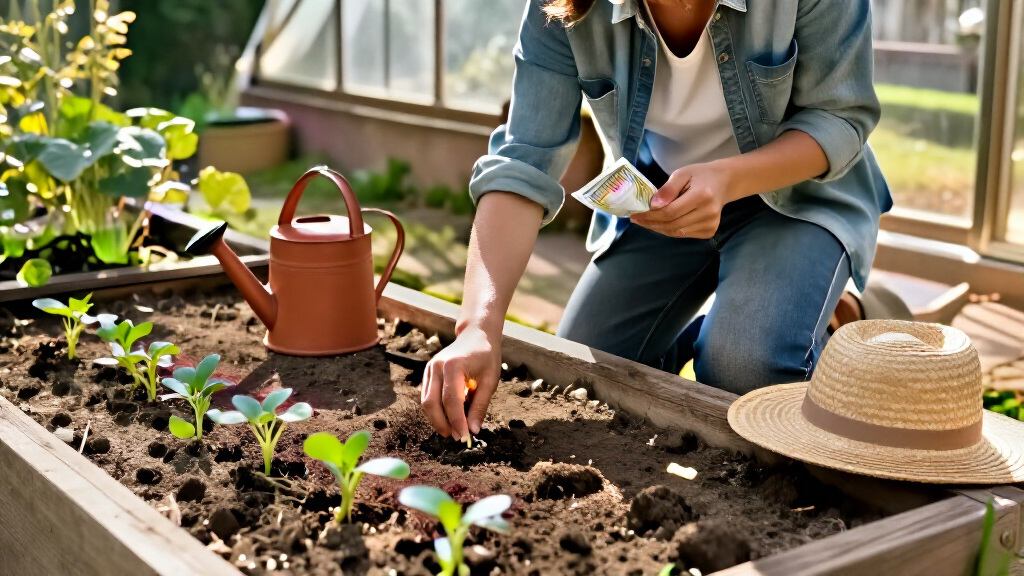
I ranked these seeds by how directly their stated crop or mix matches the needs of a hot-climate gardener, then weighed versatility, planting flexibility, and how clearly a buyer can match the packet to a garden plan. A heat- and drought-focused vegetable mix earns the lead because it offers multiple edible crops with an explicit warm-weather emphasis. Focused choices such as Heatmaster tomatoes, hot-weather beans, and Malabar spinach rank well for gardeners who already know what they want to grow.
I also considered the tradeoffs: mixed packs can bring variety but less control over the crop selection, while single-variety packets are easier to plan around but less versatile. Seed count and named crop traits matter only when they help the buyer use the packet; a large quantity is not automatically a better fit. The rankings favor relevance to heat first, then practical flexibility and clarity of purpose, with more specialized or less direct matches placed lower.
| heat-tolerant garden seed | Planting period |
|---|---|
| Southern Heirloom Vegetable Se | Spring to summer |
| Heat- and Drought-Tolerant Veg | Spring to summer |
| Home Grown Coral Zinnia Seeds | — |
| Summer Vegetable Garden Seeds | Spring |
| 250 Purslane Heirloom Herb See | — |
| Heatmaster Tomato Seeds | — |
| Hot Weather Bean Seeds | Spring to summer |
| Outsidepride Malabar Spinach | Spring |
| Drought-Tolerant Herb and Flow | Spring |
| Heat-Resistant Yard-Long Bean | — |
| Buttercrunch Lettuce Seeds | — |
Factors to Consider When Choosing Best Heat-tolerant Garden Seeds
Heat-tolerant seeds can help, but the packet is only one part of a successful summer garden. I’d match each choice to local conditions, planting space, and the way you plan to use the harvest before deciding between a mixed collection and a focused crop.
Match Heat Tolerance to Your Local Season
“Hot weather” can mean a few intense weeks or months of sustained heat, and those conditions affect crops differently. Check your local frost dates and the packet’s planting guidance rather than sowing every warm-season seed at the first sunny spell. High daytime heat, warm nights, humidity, and dry soil create different stresses, so a drought-tolerant label does not necessarily mean a crop will thrive through humid heat. Gardeners in long, hot summers may get more from warm-season beans or Malabar spinach than from a crop usually grown in cooler conditions. Treat heat tolerance as a useful trait, not a guarantee of harvest without careful timing.
Choose a Mix Only If You’ll Grow Most of Its Crops
Variety packs simplify shopping and let you try multiple crops, but they can leave you with seed that does not suit your meals, space, or planting schedule. Before choosing a collection, check which crops it includes and whether you can give each one the light, spacing, and support it needs. A focused packet is often a better fit when you have a small bed or already know you want tomatoes, beans, or a particular leafy green. Mixed packs make more sense when experimentation is part of the plan and you can label and track several sowings. The best value is the packet you can use well, not the one with the most varieties.
Plan for Space, Support, and Harvest Timing
Seed packets can represent very different garden commitments: a climbing bean needs vertical support, while a leafy crop may fit into a more compact bed or container. Estimate how many plants your household can harvest before favoring a large seed count or a multipack. Staggering sowings can spread harvests over time, but it only works if you have room and the crop can handle the later part of your hot season. Also account for mature plant size, since crowding can reduce airflow and make watering less even. A simple garden sketch can prevent buying more seed than the available space can support.
Treat Water and Soil as Part of the Seed Choice
Drought tolerance describes a plant’s ability to cope with limited water; it does not mean seedlings can be left to dry out. Germinating seeds need consistent moisture, and young plants are less established than mature crops. Before planting, consider how you’ll water during dry spells and whether the bed drains well enough to avoid waterlogged roots. Mulch and soil improvement can help stabilize moisture, but heavy watering schedules or poor drainage may still work against a crop. If reliable watering is difficult, prioritize crops described for heat and drought, then set up a practical watering routine from sowing onward.
Read the Seed Count as a Planning Detail
A high count can support repeat sowings or a larger garden, but it may be wasteful if you only need a few plants. Compare the quantity with the crop’s spacing and your expected planting area, and check storage guidance if you plan to keep seed for another season. Counts across varieties are not directly comparable: a packet of tiny seeds can contain many more planting opportunities than one with larger seeds. Avoid choosing by quantity alone when germination conditions, planting window, and garden capacity matter more. For first-time growers, a manageable amount can be easier to track than a bulk pouch.
Balance Edible Crops with Ornamental Goals
Not every heat-tolerant garden needs to be a vegetable plot. Zinnias and herb-and-flower mixes can bring color and variety to sunny beds, while edible collections focus on harvests for the kitchen. If you want both, decide how much room to reserve for flowers before buying a large vegetable assortment. Flowers may suit borders or containers that are awkward for food crops, though their growing needs and harvest purpose differ. Choose seed according to the job you want each part of the garden to do rather than treating every packet as interchangeable.
Frequently Asked Questions
Are heat-tolerant seeds enough to keep a garden producing during a heat wave?
No seed can remove the effects of extreme heat, dry soil, or poor timing. Heat-tolerant crops may cope better than less suited varieties, but germinating seeds and young plants still need consistent moisture. Shade during the hottest part of the day, mulch, and regular watering can help reduce stress, depending on the crop. Check whether the packet addresses heat, drought, or both, since those traits are not identical. If heat waves are routine in your area, choose crops suited to your season and stagger planting where the crop allows it.
Should I buy a mixed seed pack or individual crop packets?
A mixed pack makes sense if you want to try several crops and have room to grow them, while individual packets suit a specific garden plan. Review the included varieties before buying, since a broad selection only helps when its crops fit your climate, meals, and available space. Focused packets can make planting and care easier to organize, especially for a small garden. A mix may be more useful for a new gardener who wants to experiment, but it can also create leftover seed. Choose based on the crops you can realistically plant and maintain, rather than variety count alone.
Can I plant heat-tolerant seeds directly in a container garden?
Many crops can grow in containers, but the seed’s heat tolerance does not tell you whether the mature plant will fit a pot. Check the plant’s eventual size, root needs, and support requirements before sowing. Climbing beans need a sturdy trellis, while a leafy crop may be simpler to manage in a container. Pots dry out faster than garden beds, especially in hot, exposed locations, so watering can become the limiting factor. Select a container large enough for the crop and place it where you can monitor moisture reliably.
Is a large seed-count packet a better choice for a first garden?
Not by itself. A large packet can be useful for repeated sowings, sharing, or a substantial bed, but it may leave a beginner with more seed than they can plant or store well. First estimate how many plants fit your space and how much of the crop you can use. A smaller, focused packet may be simpler to label, sow, and care for while you learn. If you choose a large count, follow storage directions and plan your sowings before opening the packet. The useful quantity is the amount that matches your planting schedule.
Can heat-tolerant lettuce grow through a hot summer?
A heat-tolerant label can make lettuce a more plausible choice for warm conditions, but lettuce may still be less dependable through sustained summer heat than crops selected specifically for hot weather. Local temperatures, planting date, afternoon exposure, and water consistency all affect results. Sow according to the packet and consider a cooler part of the season if your summers are severe. A large seed count is helpful only if you can sow it in suitable windows rather than all at once. For a garden that stays hot for months, pair lettuce trials with a warm-season leafy crop as a backup.
Conclusion
For the broadest warm-weather vegetable starting point, I’d choose the Heat- and Drought-Tolerant Vegetable Seeds, 10-Variety Pack as best overall. The Southern Heirloom Vegetable Seeds Collection is my best value-style choice for gardeners who want several edible crops, while Heatmaster Tomato Seeds are the best focused pick for tomato growers willing to plan around one crop. Beginners who want to experiment can start with a manageable variety pack, provided its crop list fits their space; for a more specific hot-weather leafy option, choose Malabar Spinach, and for climbing harvests, compare the hot-weather bean mix with the yard-long bean packet. Gardeners seeking flowers rather than food should favor the Coral Zinnia or herb-and-flower mix. Match the seed to your climate, planting space, and harvest plans, then let those needs—not the largest packet—settle the decision.
Columbus Day / Indigenous Peoples' Day Picks
long weekend sales
As an affiliate, we earn on qualifying purchases.