
TL;DR

Get garden gear delivered free with Prime
- Fast, free delivery on millions of items
- Prime Video, Amazon Music and more included
- Member-only deals all year
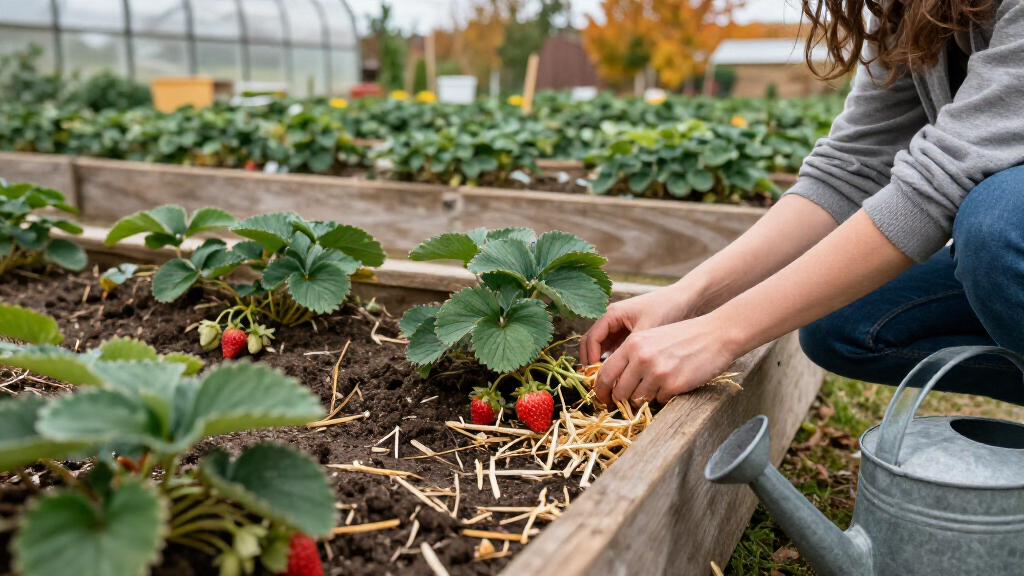
Gardening Know How recommends five October tasks to prepare strawberry plants for winter: remove damaged foliage and weeds, manage runners, check soil moisture, mulch at the right time, and give container plants extra protection. The advice is seasonal guidance, not a guarantee of next year’s harvest; timing depends on local climate and growing conditions.
Gardening Know How has published an October checklist for preparing strawberry plants for winter, advising growers to clear damaged foliage, manage runners, check moisture and protect crowns with mulch or container-specific measures. The guidance matters because strawberry crowns sit near the soil surface and can be damaged by winter conditions, though the source does not promise a particular yield next season.
The report identifies the crown—the central part of the plant where new leaves and flowers develop—as a key point to protect. It says strawberries have shallow roots, so soil moisture and temperature merit attention as plants approach dormancy. Freeze-thaw conditions can also heave plants from the ground, disturbing their roots.
For foliage cleanup, the report recommends trimming brown, decayed or spotted leaves and removing the clippings from the bed rather than leaving them around plants. It cautions against cutting back healthy green foliage: those leaves continue feeding the crown, and June-bearing plants form next year’s flower buds as days shorten. The report also advises hand-pulling weeds, preferably when soil is damp, to avoid disturbing shallow roots.
Runner management depends on the strawberry type. In established June-bearing rows, growers can keep a few healthy daughter plants to fill gaps and remove excess growth. The report suggests spacing crowns about 6 to 8 inches apart. For everbearing and day-neutral varieties, it recommends cutting fall runners so plants retain energy. The report’s five-part checklist also calls for checking moisture, applying winter mulch at an appropriate time, and giving plants in containers added protection; its recommendations are broad, not a location-specific schedule.
Protecting Crowns Through Winter
October care can help gardeners reduce avoidable stress before strawberry plants enter dormancy. Exposed crowns and shallow roots are vulnerable to temperature swings and disturbance, while dense runners, weeds and diseased foliage can complicate care. Addressing those issues now may leave plants better prepared for spring growth.
The payoff is not certain: weather, variety and growing conditions also shape plant survival and fruit production. The source presents these tasks as ways to support plants, not as a guarantee of a bumper crop. For home growers, the practical value is a short list of maintenance steps that can be adapted to the patch they actually have.
Popular right now

Vitamix Propel Series 750 Professional-Grade Blender, 4 Programs, Black

iRobot Roomba Max 715 Pet Robot Vacuum with AutoEmpty Dock

Breville Barista Pro Espresso Machine with Grinder, Brushed Stainless Steel
As an affiliate, we earn on qualifying purchases.
Care Varies by Climate and Setup
The report distinguishes colder regions from warmer ones. In USDA hardiness zones 3 through 6, it frames October primarily as preparation for freezes; in zones 8 through 10, it says the month may be suitable for planting new runners. These are general regional pointers, and local weather can shift the right timing.
Growing setup matters too. In-ground beds benefit from surrounding soil, while raised beds and containers can be more exposed to cold. The source covers June-bearing, everbearing and day-neutral strawberries, whose runner habits differ. It does not give one universal instruction for every cultivar, site or winter, so growers should account for local conditions.
Timing Depends on Local Conditions
The source does not specify a single date for mulching or watering, nor does it provide separate instructions for every climate, cultivar or container type. Frost timing and soil conditions vary, so the article’s October label should not be treated as a fixed deadline everywhere. It also does not cite trial results quantifying how much these tasks change yields or plant survival.
The supplied report text introduces five tasks but provides detailed instructions for foliage cleanup and runner management only. It names moisture checks, mulch and container protection as checklist items without giving full methods in the material provided. Exact mulch depth, material and timing—and the level of protection needed for a particular container—remain unspecified.
Prepare Before Hard Freezes
Gardeners can first inspect plants for damaged foliage, weeds and excessive runners, then check the soil and identify which plants are in beds or exposed containers. Before local hard freezes arrive, they can apply locally appropriate winter protection while avoiding damage to healthy leaves and crowns. Continue checking conditions as the weather changes; the source offers no later update or fixed follow-up date.
Key Questions
What should I do to strawberry plants in October?
Gardening Know How recommends clearing damaged foliage and weeds, managing runners, checking soil moisture, applying mulch at an appropriate time and protecting container-grown plants. Local climate and frost timing affect how and when to carry out the tasks.
Should I cut back all strawberry leaves in fall?
No. The report advises removing brown, decayed or diseased-looking leaves but keeping healthy green foliage, which continues to feed the crown. It says hard shearing is better reserved for post-harvest renovation.
What should I do with strawberry runners?
For established June-bearing rows, keep selected healthy runners if you want daughter plants to fill gaps and remove excess growth. For everbearing and day-neutral plants, the report recommends cutting fall runners. It suggests keeping crowns about 6 to 8 inches apart.
Do strawberry plants in containers need extra winter care?
The report says plants in containers, raised beds and towers may face more exposure than those in the ground and need extra protection. It does not specify a single protective method; suitable steps depend on the container, local climate and expected winter conditions.
Source: gardeningknowhow.com