
TL;DR
Gardener’s Path has published a care guide for Graptosedum ‘Ghosty,’ a trailing succulent hybrid with pale green leaves that can take on pink or orange hues in strong sun. It recommends well-draining soil, bright light and soak-and-dry watering; the plant is suited to outdoor gardens in USDA Zones 9 to 11 and can be grown indoors elsewhere.
Gardener’s Path has published a growing guide for Graptosedum ‘Ghosty,’ a trailing succulent that can grow outdoors in USDA Zones 9 to 11 or as a houseplant in colder areas. The report focuses on the hybrid’s light, soil and watering needs, which affect its compact rosettes, distinctive leaf color and ability to spread.

Get garden gear delivered free with Prime
- Fast, free delivery on millions of items
- Prime Video, Amazon Music and more included
- Member-only deals all year
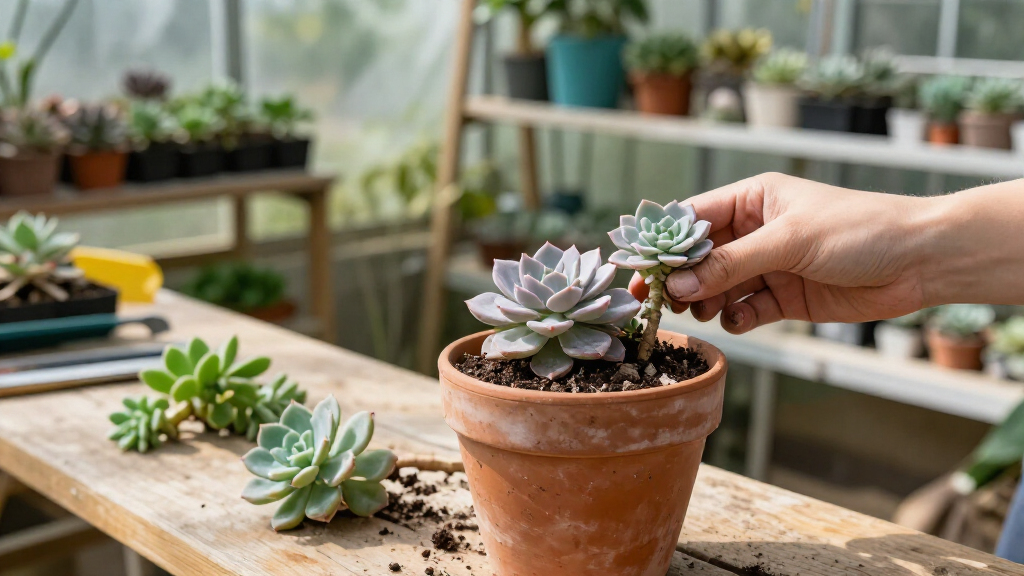
The guide describes ‘Ghosty’ as a cultivated hybrid with uncertain parentage. It is thought to cross the ghost plant, Graptopetalum paraguayense, with Trelease’s stonecrop, Sedum treleasei, but that origin is presented as likely rather than confirmed. Its fleshy, scoop-like leaves are pale green and may develop pink or orange tones, particularly with ample sunlight.
Its stems trail and carry rosettes roughly three inches across. The article gives a mature size of four to 12 inches tall and 24 to 36 inches wide, with plants typically taking one to two years to mature. Mature specimens may produce yellow, star-shaped flowers. Rosettes touching soil can take root, allowing the plant to spread in garden beds or spill over the sides of a raised container.
For the strongest color and tighter growth, the guide recommends full sun, or at least six hours of sun daily. Indoors, it suggests bright direct light, such as a south-facing window, while cautioning that summer heat through glass can scorch leaves. Rotate indoor pots weekly, the report advises. Grow the plant in gritty, freely draining soil; its stated preferred pH range is 6.0 to 7.0.
Water using a soak-and-dry routine: let container soil dry completely before watering again. For plants in the ground, the guide says to water once the top three inches of soil are dry. Water less during winter dormancy. ‘Ghosty’ is described as a light feeder; if fertilizer is used, the article recommends a low-nitrogen succulent food diluted to half or quarter strength. Its suggested schedule is half-strength monthly in spring and fall.
Sunlight Shapes Color and Growth
The guidance matters to gardeners because ‘Ghosty’s’ appearance and spread depend on growing conditions. Insufficient light can loosen rosettes and cause stems to stretch, while full sun supports the pink and orange coloration that distinguishes the cultivar. Its trailing habit also makes it useful in containers, borders and ground-cover plantings, though that spreading growth may require occasional division.
Water management is another practical concern: the report warns that prolonged wetness, especially in humid conditions, can invite fungal problems and rot. For growers in colder climates, the plant’s stated ability to tolerate brief dips to 20°F only when soil is not oversaturated does not remove the need for caution. The guide advises bringing potted plants indoors before the first frost in areas that freeze.
Popular right now

Ninja Luxe Café Mini Plus Espresso and Coffee Maker with AutoFroth, Bone & Champagne

De'Longhi Stilosa Compact Manual Espresso Machine with Milk Frother

Apple AirPods Pro 3 Wireless Earbuds with Active Noise Cancellation
As an affiliate, we earn on qualifying purchases.
A Hybrid Often Confused With Ghost Plant
‘Ghosty’ and its suspected parent, Graptopetalum paraguayense, are both commonly called ghost plants, but the article says their features differ. ‘Ghosty’ has fleshy pale leaves that may turn pink or orange and yellow flowers; G. paraguayense has flatter, grayish-purple leaves and white flowers. The distinction matters when buying: the guide cautions that nursery listings can use similar common names, so shoppers should check the botanical name and description.
The plant is presented as a cultivated intergeneric hybrid, not a species native to a particular region. The report says it is available through succulent nurseries and names Succulent Gardens as a seller. Gardener’s Path also discloses that it may earn a commission from purchases made through some links in its article.
Parentage and Local Growing Results
The exact parentage of ‘Ghosty’ remains uncertain in the source report, which describes the proposed cross as the most likely explanation. The guide does not provide independent botanical verification of that lineage. It also does not report controlled trials comparing light levels, watering schedules or cold tolerance, so its care advice should be understood as cultivation guidance rather than a guarantee that every plant will respond identically.
Local conditions can affect how the plant performs. The source gives a hardiness range and notes brief tolerance of temperatures down to 20°F under dry-soil conditions, but it does not specify how long that exposure can last or how individual plants fare in different microclimates. The publication date is not supplied in the material provided.
Check Conditions Before Planting
Readers planning to grow ‘Ghosty’ can use the guide’s recommendations to choose a sunny site, a pot with drainage or a gritty garden bed, and a watering routine that lets the medium dry between applications. In climates with frost, the report says to move container plants indoors before the first frost. Gardeners should monitor indoor plants near hot windows for leaf scorch and reduce watering during winter.
For ongoing care, the article advises removing damaged or dead leaves, dividing offsets when plants become overgrown, weeding garden beds and refreshing container mix about every three years. Buyers should confirm the label identifies x Graptosedum ‘Ghosty’, rather than the similar-named G. paraguayense. The guide provides no new forecast or announced follow-up; its practical next step is applying these care instructions to local growing conditions.
Key Questions
Can Graptosedum ‘Ghosty’ grow outdoors in a cold climate?
The guide lists outdoor suitability for USDA Zones 9 to 11 and says the plant can tolerate brief temperatures as low as 20°F if the soil is not oversaturated. It recommends bringing potted plants indoors before the first frost where freezing weather occurs.
How much sun does ‘Ghosty’ need?
The report recommends full sun outdoors and at least six hours of daily sun for compact rosettes and pink or orange leaf tones. Indoors, it suggests bright direct light, with care around intense summer heat through windows.
How often should I water the succulent?
Use a soak-and-dry approach. Let potting soil dry completely before watering again; for in-ground plants, the guide says to water when the top three inches of soil are dry. Reduce watering in winter.
How can I tell ‘Ghosty’ from the ghost plant?
The guide describes ‘Ghosty’ as having fleshy, pale green leaves that may turn pink or orange, with yellow flowers. Graptopetalum paraguayense has flatter, grayish-purple leaves and white flowers, according to the report.
Does ‘Ghosty’ spread in a garden?
Yes. The source says rosettes that touch the ground can take root, and mature plants may spread 24 to 36 inches wide. It recommends dividing offsets if a plant becomes overgrown.
Source: gardenerspath.com