TL;DR

Get garden gear delivered free with Prime
- Fast, free delivery on millions of items
- Prime Video, Amazon Music and more included
- Member-only deals all year
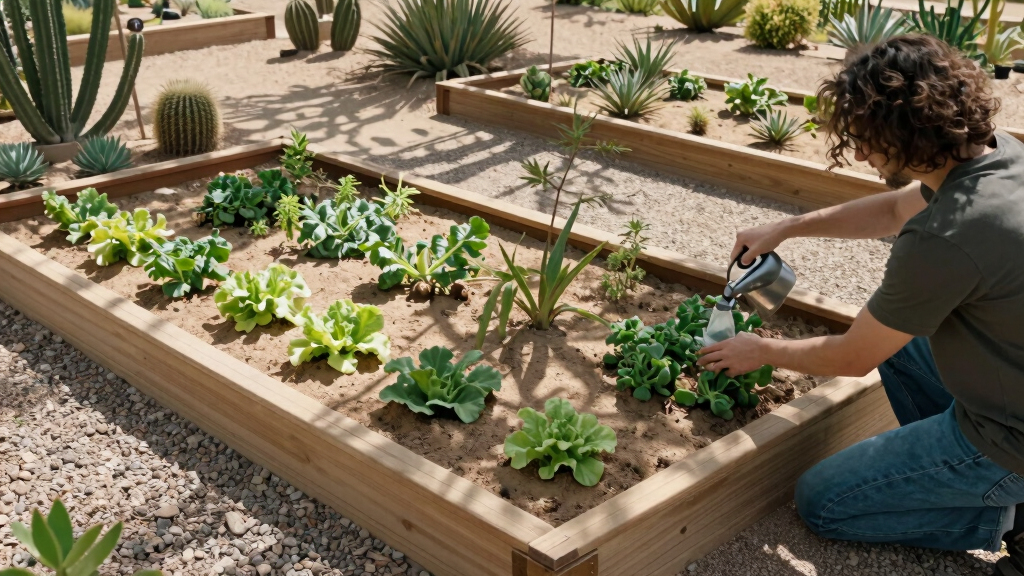
Most desert vegetables thrive in raised beds 12-24 inches deep. Deeper beds support bigger roots, retain moisture longer, and buffer temperature swings, making them ideal for arid climates.
A 12-24 inch deep raised bed supports most desert vegetables, balancing root needs and water retention.
Deeper beds help buffer extreme temperature swings, keeping roots cooler during scorching days.
Use durable, heat-resistant materials like stone or composite lumber for longevity.
Employ water-saving techniques—mulching, drip irrigation—to conserve precious desert moisture.
Mix native soil with compost and amendments to create a fertile, well-draining environment.
How Deep Should a Raised Bed Be for Desert Vegetables?
TL;DR: Most desert vegetables thrive in raised beds 12-24 inches deep. Deeper beds support bigger roots, retain moisture longer, and buffer temperature swings, making them ideal for arid climates where every inch of soil counts.
In the desert, depth is climate control.
More soil volume means cooler roots, steadier moisture, and stronger plants through dry spells.Pick the bed depth for the deepest crop you plan to grow.
A 12-inch bed can work for greens, but mixed desert gardens usually perform better at 18 inches or more. Tomatoes, peppers, and drought-stressed crops need the larger soil reservoir.
Greens: 6-12 inches
Lettuce, spinach, herbs, and small greens can grow in shallower beds, but they dry quickly in hot desert wind.
Roots: 12-18 inches
Carrots, radishes, and beets need enough loosened soil to size up cleanly without hitting hardpan or rubble.
Fruit crops: 18-24 inches
Tomatoes and peppers benefit from deeper soil that stores water and buffers scorching afternoon heat.
Depth sweet spot for desert vegetables
Shallow beds are cheaper. Deep beds are more forgiving.
In arid climates, soil volume affects more than root space. It changes moisture storage, nutrient access, and how violently root zones heat and cool.
| Bed depth | Best crops | Moisture retention | Heat buffering | Build cost | Desert verdict |
|---|---|---|---|---|---|
| 6-10 inches | Microgreens, herbs, quick lettuce | ✗ Low | ✗ Weak | ✓ Lowest | ~ Use only for short-season crops |
| 12 inches | Greens, herbs, compact vegetables | ~ Moderate | ~ Moderate | ✓ Practical | ~ Acceptable starter depth |
| 18 inches | Carrots, beets, peppers, mixed beds | ✓ Strong | ✓ Strong | ~ Medium | ✓ Best all-around choice |
| 24 inches | Tomatoes, peppers, long-season crops | ✓ Excellent | ✓ Excellent | ✗ Highest | ✓ Best for extreme heat |
A practical way to choose your final depth.
Start with plant roots, then account for water, temperature, soil mix, and construction effort. The best bed is deep enough to solve the desert problem without wasting materials.
List your vegetables
Separate leafy greens, root crops, peppers, and tomatoes before choosing bed dimensions.
Find the deepest root
Match the bed to the most demanding crop, not the easiest one.
Add moisture buffer
Move toward 18-24 inches if watering is limited or summer heat is severe.
Build for access
Keep beds 3-4 feet wide so you can reach the center without compacting soil.
Tune the soil mix
Blend native soil with compost and drainage amendments for fertility and structure.
Depth turns soil into a reservoir.
A deeper bed holds more soil, more moisture, and more thermal mass. That means less stress between watering sessions and steadier roots during desert heat waves.
Water every 2-3 days in peak heat, then adjust by soil feel.
Deep beds retain moisture longer, but desert wind, crop size, mulch, and soil texture still matter. Use drip irrigation and mulch to stretch each watering.
Depth works best when the materials and soil can handle the desert.
The raised bed is a system: durable walls, a well-draining mix, mulch, and efficient irrigation all help the chosen depth perform.
Use heat-resistant walls
Stone, recycled plastic, and composite lumber last longer in intense sun than softwoods.
Blend native soil with compost
Organic matter improves fertility and water retention while amendments preserve drainage.
Mulch the surface
Straw, gravel, or desert-friendly mulch reduces evaporation and surface crusting.
Install drip lines
Slow, targeted watering sends moisture where roots need it and wastes less to evaporation.
Avoid unnecessary depth
If you only grow greens, 12 inches can be enough; deeper beds cost more to fill.
Choose adapted varieties
Drought-tolerant vegetables make the most of the cooler, deeper root zone.
Quick answers for desert raised beds.
Use these shortcuts when deciding whether to build shallow, medium, or deep.
How deep should my raised bed be for tomatoes in the desert?
Aim for 18-24 inches. Tomatoes have deep roots and benefit from extra moisture storage during hot weather.
Can I use a shallow raised bed?
Yes, but 12 inches is best reserved for greens and smaller crops. Shallow beds dry out faster.
What material should I build with?
Choose stone, composite lumber, or recycled plastic for better resistance to heat, sun, and drying.
What soil amendments help most?
Blend native soil with compost, organic matter, and drainage amendments such as sand or perlite.
Why Root Depth Matters More in the Desert
Desert vegetables have roots that stretch in different directions and depths. For example, leafy greens like lettuce only need shallow roots, 6-12 inches deep. But for root vegetables—like carrots or radishes—you’ll want at least 12-18 inches of soil. Tomatoes and peppers can push roots down 18-24 inches or more. If your bed isn’t deep enough, your plants won’t reach the water and nutrients they need, stunting growth or causing stress.
Think of roots like a plant’s anchor and food source. In the desert, that anchor needs room to spread. A 12-inch bed might work for some greens, but for most vegetables, you’ll need at least 18 inches of depth to keep them happy during dry spells. Deeper roots access water from lower soil layers, which is critical during droughts, but they also require more initial effort and resources to build. Conversely, shallower beds are easier and cheaper to construct but may limit plant growth and resilience. The tradeoff involves balancing effort, cost, and the long-term health of your plants.
raised garden bed kits for desert gardening
As an affiliate, we earn on qualifying purchases.
As an affiliate, we earn on qualifying purchases.
How a deeper bed boosts water retention and keeps roots cool
In desert heat, water evaporates fast. A deeper raised bed—say, 18-24 inches—acts like a reservoir. It holds more soil, which retains moisture longer between watering sessions. This is especially important in arid climates where frequent watering is labor-intensive and water is precious. Additionally, the soil in deeper beds stays cooler during scorching days because the larger volume of earth absorbs and releases heat more slowly. Cooler roots mean less stress and better nutrient uptake, leading to healthier, more productive plants. However, deeper beds also mean increased initial construction effort and potentially higher costs. The benefit is a more stable environment for your vegetables, reducing watering frequency and improving plant resilience during extreme heat waves.
As an affiliate, we earn on qualifying purchases.
How to determine the right depth for your specific vegetables
- Identify each vegetable’s root needs. Leafy greens need 6-12 inches, root crops 12-18 inches, and tomatoes 18-24 inches.
- Pick a depth that covers the deepest-rooted plants you want to grow. For example, if you plan to grow both carrots and tomatoes, a 20-inch bed would be a balanced choice, supporting both without unnecessary excess.
- Account for soil amendments—if you add compost, sand, or other materials, consider their volume and how they affect overall soil depth. Over- or underestimating can lead to inadequate root space or inefficient use of resources.
- Remember, wider beds (around 3-4 feet) make access easier but don’t affect depth. Focus on depth to meet the most demanding plant’s needs while considering your capacity to build and maintain the beds.
Choosing the correct depth involves understanding your specific plant choices and their growth habits. Overly shallow beds may restrict root expansion, leading to poor growth and yield. On the other hand, excessively deep beds can be resource-intensive and may not provide additional benefits if your plants don’t need that much space. Balancing depth with practicality ensures your garden’s success and sustainability.
drip irrigation systems for raised beds
As an affiliate, we earn on qualifying purchases.
As an affiliate, we earn on qualifying purchases.
Frequently Asked Questions
How deep should my raised bed be for growing tomatoes in the desert?
Aim for at least 18-24 inches deep. Tomatoes have deep roots that need ample space for healthy growth and fruit production, especially in hot climates.Can I get away with shallower beds in a desert setting?
Yes, but shallow beds—around 12 inches—limit root growth and moisture retention. For best results, deeper beds support healthier, more resilient plants during dry spells.What’s the best material for building a desert-raised bed?
Durable options like natural stone, recycled plastic, or composite lumber resist heat and sun damage longer than softwoods, making them ideal for desert conditions.How often should I water my deep raised beds?
Deep beds retain moisture longer, so watering every 2-3 days during peak heat is usually enough. Adjust based on weather and soil moisture levels.What soil amendments boost desert garden success?
Mix native soil with compost, sand, and organic matter to improve drainage, fertility, and water retention—key factors for thriving vegetables in arid soils.mulching materials for desert vegetables
As an affiliate, we earn on qualifying purchases.
As an affiliate, we earn on qualifying purchases.
Conclusion
A well-sized, durable raised bed transforms desert gardening into a more predictable, productive venture. Remember, the depth of your bed isn’t just about space—it’s about giving your plants the right environment to thrive amid the dryness and heat. With the right depth, watering, and soil, your desert garden can flourish more than you’d expect.Fall yard work Picks
leaf blowers
As an affiliate, we earn on qualifying purchases.