
TL;DR

Get garden gear delivered free with Prime
- Fast, free delivery on millions of items
- Prime Video, Amazon Music and more included
- Member-only deals all year
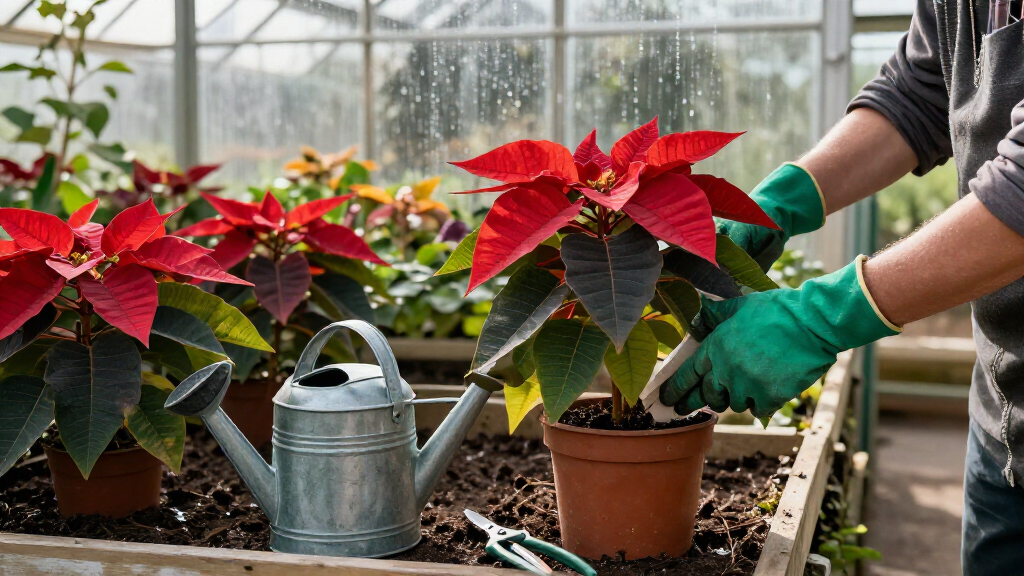
A gardening report recommends four November steps for poinsettias: keep them warm and away from draughts, provide bright indirect light, water only when the soil feels dry, and remove yellow lower leaves. The advice is intended to help plants stay healthy and retain or develop colourful bracts, though results depend on the plant and its conditions.
An Ideal Home gardening report advises poinsettia owners to take four steps in November—maintain steady warmth, provide suitable light, water when the soil is dry, and remove yellow leaves—to support healthy plants and colourful Christmas displays. The guidance draws on comments from plant specialists, but it does not guarantee that every poinsettia will turn red or keep its bracts through the holiday period.
For temperature, the report recommends keeping a poinsettia in a warm, consistent spot away from cold draughts and sources of direct heat. Morag Hill, co-founder of The Little Botanical, says the plant should not be placed close to a radiator or fireplace, or too near a window where cold night-time temperatures could affect it. Andy Little, houseplant buyer at British Garden Centres, advises a range of about 15–20°C.
The second task is to provide bright light without harsh direct sun, which can scorch leaves, according to Little. Hill says plants being encouraged to colour up need good natural light during the day and complete darkness at night. She says this process can occur over the next four to five weeks as days get shorter, and cautions that artificial light at night can interfere. The timing and outcome may vary with conditions and the individual plant.
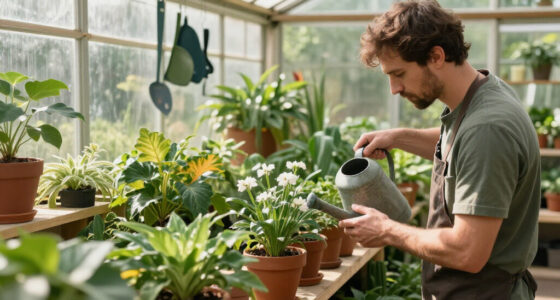
For watering, Hill advises checking the soil and watering when it feels dry, then letting excess water drain away. Little warns against leaving the roots in standing water, which can contribute to root rot. The report’s fourth task is to trim yellow lower leaves. Hill says this may encourage new growth and help deter pests and disease. Use clean scissors and avoid removing healthy leaves unnecessarily.
November Care Shapes Holiday Colour
November care matters because poinsettias are often kept as seasonal indoor plants, and problems such as cold exposure, excessive water or poor light can affect their condition before Christmas. The report’s practical advice focuses on preventing avoidable stress rather than promising a particular display. In particular, careful watering and suitable placement can help owners maintain a plant they already have instead of replacing it if it loses leaves or becomes damaged.
The report also clarifies that the vivid red parts commonly called flowers are bracts—specialised leaves. The small flowers are separate. Understanding that distinction helps explain why leaf condition and the plant’s light and dark cycle feature in the care advice.
Popular right now

Dyson Airwrap i.d. Multi-Styler for Straight and Wavy Hair

KitchenAid Artisan Mini 3.5-Qt Tilt-Head Stand Mixer, Candy Apple Red

Dyson Airsmooth Styling Brush
As an affiliate, we earn on qualifying purchases.
How Poinsettias Develop Red Bracts
Poinsettias are associated with Christmas because their coloured bracts can be prominent during the holiday season. The Ideal Home report frames November as a period to keep plants settled and support their colour, rather than as a time for heavy intervention. Its four recommendations cover the main care issues raised by its contributors: temperature, light, water and leaf maintenance.
The report’s dark-at-night guidance is especially relevant to plants being encouraged to colour again. Hill says they need natural light during the day and complete darkness at night, with artificial light potentially affecting the process. The article does not provide a detailed schedule for controlling light exposure or advice for every growing environment, so its recommendations should be treated as general houseplant guidance.
“Poinsettias like a warm climate in nature, so do keep them in a warm spot in your home away from draughts.”
— Morag Hill, co-founder of The Little Botanical
Colouring Depends on Plant Conditions
The report does not establish that following these steps will make every poinsettia turn red by Christmas. It does not specify how much light or water each plant needs beyond general guidance, and outcomes can depend on the plant’s condition and home environment. Hill’s four-to-five-week estimate refers to colour development as days shorten, not a guaranteed deadline. The report also does not provide evidence from a controlled test comparing these care steps with other approaches.
Monitor the Plant Through December
Owners can continue checking the plant’s soil, light and location over the coming weeks, adjusting care if leaves yellow or drop and keeping the pot from sitting in water. For plants being encouraged to colour, the report’s advice is to maintain bright daytime conditions and darkness at night. Further progress will depend on the individual plant; the report does not announce a follow-up assessment or a guaranteed Christmas result.
Key Questions
How often should I water a poinsettia in November?
Check the soil and water when it feels dry, rather than following a fixed schedule. Let excess water drain away and do not leave the plant standing in water.
Where should I place a poinsettia?
Choose a warm spot with a steady temperature, away from cold draughts, chilly windows at night, radiators and other direct heat sources. The report cites a target of about 15–20°C.
Does a poinsettia need direct sunlight?
The report recommends a bright position but says to keep the plant out of harsh direct sun, which can scorch its leaves.
Are the red parts of a poinsettia its flowers?
No. The red parts are coloured bracts, which are specialised leaves. The plant’s flowers are separate.
Will these steps guarantee red bracts by Christmas?
No guarantee is given. The advice is intended to support the plant and its colour, but results depend on its condition and growing environment.
Source: idealhome.co.uk