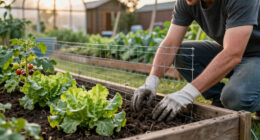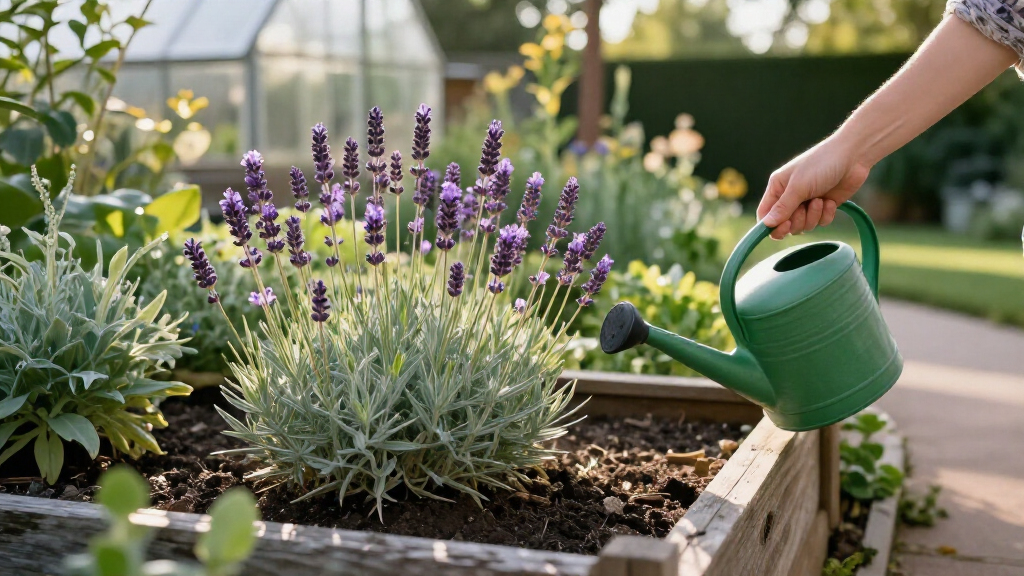
The best low-maintenance garden plants are the ones suited to your soil, sunlight, and climate—not simply the ones that need little care once established. My best overall pick is Little Bluestem ornamental grass, a perennial live-plant option that avoids the uncertainty and extra work of starting from seed. For hot, sunny beds, moss rose is a low-water annual standout, while hostas offer dependable foliage in shade. The main tradeoffs are seed-starting effort versus buying established plants, and choosing plants that match your site versus trying to maintain a poor fit. Read on for the full comparison, practical buying advice, and picks for different garden conditions.

Get garden gear delivered free with Prime
- Fast, free delivery on millions of items
- Prime Video, Amazon Music and more included
- Member-only deals all year
Complete the kit


Key Takeaways
- Starting form affects workload: Little Bluestem plugs and the two shrubs arrive as live plants, while most other picks are seeds or corms that require planting and establishment.
- Sun and water needs divide the list: Moss rose and lavender suit sunny, well-drained areas; hostas favor shade, so neither group is a universal low-care choice.
- The two moss rose listings differ mainly in seed quantity: The larger-count option suits broad sowing, while the smaller-count listing may be more manageable for a limited bed.
- Hostas offer two routes to a shade garden: Bare-root plants skip germination, while mixed hosta seeds ask for more patience and may produce less predictable results.
- Evergreen shrubs trade lower seasonal planting effort for site commitment: Loropetalum and Nandina provide established structure, but require more space planning than annual seeds or ground-cover seeds.
| Sow Right Seeds Rainbow Coleus Seeds, Indoor and Outdoor Flower Mix |  | Best for Colorful Shade | Plant: Coleus (Plectranthus scutellarioides) | Seed quantity: About 800 | Plant height: 18–30 inches | VIEW LATEST PRICE | See Our Full Breakdown |
| HOME GROWN English Lavender (Lavandula angustifolia ‘Vera’) Seeds, 1,500+ Seeds |  | Best for Fragrance and Drought-Tolerant Beds | Variety: English lavender ‘Vera’ (Lavandula angustifolia) | Seed quantity: 1,500+ | Seed type: Heirloom, non-GMO | VIEW LATEST PRICE | See Our Full Breakdown |
| Little Bluestem Ornamental Grass Live Plugs (3 Count), Schizachyrium scoparium |  | Best Ready-to-Plant Native Grass | Plant: Little Bluestem (Schizachyrium scoparium) | Quantity: 3 rooted plugs | Mature height: 2–3 ft. | VIEW LATEST PRICE | See Our Full Breakdown |
| 185+ Mixed-Color Hosta Seeds for Planting |  | Best for Seed-Grown Shade Variety | Seed count: 185+ | Plant type: Perennial flower | Color: Blue, purple, and white | VIEW LATEST PRICE | See Our Full Breakdown |
| Moss Rose (Portulaca grandiflora) Seeds, 47,000+ |  | Best for Hot, Dry Ground Cover | Plant: Moss Rose (Portulaca grandiflora) | Seed quantity: 47,000+ | Plant type: Annual flower | VIEW LATEST PRICE | See Our Full Breakdown |
| Moss Rose (Portulaca grandiflora) Seeds, 23,500+ Seeds |  | Best for Hot, Dry Spots | Seed quantity: 23,500+ | Plant type: Annual | Scientific name: Portulaca grandiflora | VIEW LATEST PRICE | See Our Full Breakdown |
| Purple Daydream Loropetalum, 1-Gallon Compact Evergreen Shrub |  | Best Compact Evergreen Shrub | Plant type: Evergreen shrub | Container size: 1 gallon | Expected height: 2 feet | VIEW LATEST PRICE | See Our Full Breakdown |
| 2,000 Purple Aubrieta (Rock Cress) Flower Seeds |  | Best for Slopes and Rock Gardens | Seed count: 2,000 | Plant type: Flower | Color: Purple | VIEW LATEST PRICE | See Our Full Breakdown |
| 2,000 English Lavender Heirloom Seeds (Lavandula angustifolia) |  | Best Fragrant Perennial | Common and scientific name: English Lavender; Lavandula angustifolia | Seed count: 2,000 | Plant type: Hardy perennial | VIEW LATEST PRICE | See Our Full Breakdown |
| Lemon Thyme Seeds, 1.05 oz, 10,000+ Seeds |  | Best Edible Ground Cover | Seed count and weight: 10,000+ seeds; 1.05 oz | Plant type: Perennial herb | Expected height: 3 inches | VIEW LATEST PRICE | See Our Full Breakdown |
| Hosta Bare Roots – 6 Pack Mixed Heart-Shaped Hostas, Perennial Shade Plants, Hardy Zones 3-9 |  | Best for Low-Effort Shade | Unit count: 6 bare roots | USDA hardiness zones: 3–9 | Plant height: 36 inches | VIEW LATEST PRICE | See Our Full Breakdown |
| Oxalis triangularis, 20 Purple Shamrock Corms |  | Best for Indoor-Outdoor Flexibility | Quantity: 20 corms | Hardiness zones: 6–10 | Use: Indoor and outdoor | VIEW LATEST PRICE | See Our Full Breakdown |
| Flowering Ground Cover Seeds, 5-Variety Collection |  | Best for a Mixed-Flower Lawn Alternative | Varieties: White Carpet of Snow sweet alyssum, Royal Carpet Purple sweet alyssum, crimson clover, white clover, and Roman chamomile | Number of packs: 5 | Expected bloom period: Spring to fall | VIEW LATEST PRICE | See Our Full Breakdown |
| 17500+ Creeping Thyme Herb Seeds |  | Best for Low-Water Ground Cover | Seed count: 17,500+ | USDA hardiness zones: 5–9 | Sunlight exposure: Partial shade | VIEW LATEST PRICE | See Our Full Breakdown |
| Southern Living Obsession Nandina Shrub, 2 Gallons |  | Best for Year-Round Shrub Structure | Plant type: Evergreen shrub | Container size: 2 gallons | Foliage color: Bright red | VIEW LATEST PRICE | See Our Full Breakdown |
| low-maintenance garden plant | USDA hardiness zones | Sunlight | Plant type |
|---|---|---|---|
| Sow Right Seeds Rainbow Coleus | — | Partial shade | — |
| HOME GROWN English Lavender | 4–9 | — | — |
| Little Bluestem Ornamental Gra | 3–9 | Full sun | — |
| 185+ Mixed-Color Hosta Seeds f | 3–9 | — | Perennial flower |
| Moss Rose | — | 6–8 hours of direct sun daily | Annual flower |
| Moss Rose | — | 6–8 hours of direct sun daily | Annual |
| Purple Daydream Loropetalum | — | — | Evergreen shrub |
| 2,000 Purple Aubrieta | 3–10 | Full sun | Flower |
| 2,000 English Lavender Heirloo | 3–9 | — | Hardy perennial |
| Lemon Thyme Seeds | 4–11 | Full sun | Perennial herb |
| Hosta Bare Roots | 3–9 | — | — |
| Oxalis triangularis | — | Partial sun | — |
| Flowering Ground Cover Seeds | 3–9 | Full sun | — |
| 17500+ Creeping Thyme Herb See | 5–9 | — | — |
| Southern Living Obsession Nand | 6–10 | — | Evergreen shrub |
More Details on Our Top Picks
Sow Right Seeds Rainbow Coleus Seeds, Indoor and Outdoor Flower Mix
Rainbow Coleus earns its place for gardeners who want striking foliage without relying on flowers. Its patterned leaves bring color to partly shaded beds and indoor pots, a useful contrast to Moss Rose, which needs direct sun and is grown for blooms. The packet contains about 800 seeds, so it can suit someone filling several containers or a larger planting area. Coleus is not a plant-and-forget choice at the start, though: seeds need warm soil, shallow sowing, and partial shade, and the tender perennial may need protection in colder conditions. Compared with the ready-rooted Little Bluestem plugs, this seed packet asks for more patience and early growing attention. Choose it for foliage variety and flexible placement, not for the simplest path from purchase to established plant.
Pros:- Colorful, patterned foliage offers visual interest beyond a flowering season.
- Can be grown in indoor pots, outdoor containers, or flower beds.
- About 800 seeds provide ample quantity for multiple planting areas.
- Planting instructions are included.
Cons:- Germination calls for warm soil around 70–75°F and shallow sowing.
- Partial shade is needed, limiting its fit for full-sun gardens.
- Tender perennial may need suitable conditions to survive outdoors.
Best for: Gardeners with partly shaded beds or indoor containers who want varied foliage color and are comfortable starting plants from seed.
Not ideal for: Buyers seeking a cold-hardy, low-effort outdoor perennial or a plant for a sunny, dry bed; coleus needs partial shade and suitable warmth to germinate.
- Plant:Coleus (Plectranthus scutellarioides)
- Seed quantity:About 800
- Plant height:18–30 inches
- Plant spread:8–12 inches
- Germination time:10–14 days
- Germination soil temperature:70–75°F
- Sunlight:Partial shade
- Maturity:85–95 days
Our verdict“Pick Rainbow Coleus for colorful foliage in warm, partly shaded spaces if you are willing to manage seed starting.”
HOME GROWN English Lavender (Lavandula angustifolia ‘Vera’) Seeds, 1,500+ Seeds
English Lavender ‘Vera’ suits sunny gardens where a perennial can offer fragrance as well as flowers. Once established, it is drought-tolerant and cold-hardy in USDA zones 4–9, making it a stronger fit for low-water borders than shade-loving Rainbow Coleus. The flowers also have culinary and home-fragrance uses, giving this pick more utility than the ornamental-only Little Bluestem. The catch is the beginning: cold stratification for 2–4 weeks is recommended, and plants need full sun. Starting it from seed takes more preparation than buying rooted plugs, and this is not the right choice for a shaded yard. Choose it when you can meet its sunny-site needs and are willing to wait through seed establishment for a fragrant, drought-tolerant perennial.
Pros:- Established plants are drought-tolerant and cold-hardy in zones 4–9.
- Fragrant flowers can be used for teas, baking, sachets, and essential oils.
- Suitable for borders, raised beds, walkways, and containers.
- Includes access to an online growing guide.
Cons:- Cold stratification for 2–4 weeks is recommended before planting.
- Needs full sun, so it is a poor match for shaded gardens.
- Seed-grown plants require patience before they become established.
Best for: Sunny-garden owners in zones 4–9 who want a fragrant perennial for borders or containers and will prepare seeds before sowing.
Not ideal for: Gardeners with shaded planting areas or anyone who wants a quick, low-preparation planting; seeds have a recommended cold-stratification period.
- Variety:English lavender ‘Vera’ (Lavandula angustifolia)
- Seed quantity:1,500+
- Seed type:Heirloom, non-GMO
- Stratification:2–4 weeks cold stratification recommended
- USDA hardiness zones:4–9
- Expected plant height:2 feet
- Sun exposure:Full sun
- Care:Drought-tolerant once established
Our verdict“Choose ‘Vera’ for a sunny, fragrant, low-water perennial if you are prepared to stratify and grow it from seed.”
Little Bluestem Ornamental Grass Live Plugs (3 Count), Schizachyrium scoparium
Little Bluestem live plugs are the most direct route in this group to an established planting: rooted plants avoid the seed-starting steps required by English Lavender ‘Vera’ and Rainbow Coleus. Once placed in full sun and well-drained soil, this drought-tolerant perennial adds blue-green foliage, warm fall color, and silvery winter seed heads, extending interest beyond the summer display of Moss Rose. Its upright 2–3-foot form works well in borders or mass plantings, but that height can overwhelm low edging or compact spaces. The set includes only three plugs, so covering a broad area may call for more plants. I’d choose it for a native-style garden where seasonal texture and lower watering needs matter more than flowers or instant ground cover.
Pros:- Rooted plugs bypass the seed-starting process and are described as easier to transplant than bare-root plants.
- Drought-tolerant perennial suited to lower-water gardens.
- Foliage changes from blue-green to red, orange, and copper, with silvery winter seed heads.
- Provides habitat value and supports beneficial insects.
Cons:- Requires full sun and well-drained soil.
- Mature height of 2–3 feet may not suit low-growing planting areas.
- Three plugs may not cover a broad border or mass planting.
Best for: Gardeners in zones 3–9 who want rooted native grass plugs for a sunny, well-drained border or a small mass planting.
Not ideal for: People with shaded or poorly drained sites, low edging areas, or a large space they want to cover with only three plants.
- Plant:Little Bluestem (Schizachyrium scoparium)
- Quantity:3 rooted plugs
- Mature height:2–3 ft.
- Sunlight:Full sun
- Soil:Well-drained
- USDA hardiness zones:3–9
- Foliage color:Blue-green in spring and summer; red, orange, and copper in fall
- Winter interest:Silvery seed heads
Our verdict“Choose these plugs for a sunny, well-drained native planting where established roots and year-round texture matter more than low height.”
185+ Mixed-Color Hosta Seeds for Planting
Mixed-Color Hosta Seeds appeal to gardeners who want perennial foliage variety for pots or shaded areas, but the listing’s light guidance is inconsistent: it names full sun while also describing the plants as suitable for shade. That uncertainty makes this a less predictable shade choice than Rainbow Coleus, whose partial-shade preference is specified. Hostas are described as low-maintenance once growing, with varied leaf patterns and summer blooms that may attract pollinators, but seeds ask for a full growing process rather than the quicker start offered by Little Bluestem’s rooted plugs. The product data also gives no mature size or clearer sun tolerance to help plan placement. I’d treat this as a seed-growing project for flexible gardeners, not a sure bet for a particular light condition or a fast-filling bed.
Pros:- Mixed blue, purple, and white hues with varied leaf patterns offer visual variety.
- Described as suitable for pots, gardens, and shaded areas.
- Perennial growth is described as low maintenance.
- Summer blooms may attract hummingbirds and butterflies.
Cons:- Light information conflicts, listing full sun while also emphasizing shade suitability.
- Seed-grown plants require a full growing process before filling a planting area.
- Mature height and spread are not provided for planning.
Best for: Patient gardeners who want to raise varied hosta foliage from seed for pots or garden areas where light conditions can be adjusted.
Not ideal for: Buyers who need clear shade guidance, predictable plant size, or an established perennial without the work of raising it from seed.
- Seed count:185+
- Plant type:Perennial flower
- Color:Blue, purple, and white
- USDA hardiness zones:3–9
- Light exposure:Full sun listed; description also says suitable for shade
- Usage:Outdoor; pots, gardens, or shaded areas
- Maintenance:Described as low
- Bloom period:Summer
Our verdict“Choose these hosta seeds only if you enjoy growing perennials from seed and can accommodate uncertainty about their light needs.”
Moss Rose (Portulaca grandiflora) Seeds, 47,000+
Moss Rose is the standout for hot, dry, sunny spots where other picks may need more water or shade. It tolerates heat and drought, stays just 4–8 inches tall, and can spread up to 12 inches, making it more useful for low ground cover than the upright Little Bluestem. It also blooms in several colors from summer into early fall, while Rainbow Coleus is chosen for foliage and partial shade. The tradeoff is that moss rose is an annual, so it does not offer the same perennial return as lavender, hosta, or little bluestem. Seed placement matters too: sow on the soil surface without covering, since seeds need light to germinate. This large seed quantity suits broad sunny sowings, but not shaded beds or gardeners seeking a lasting perennial.
Pros:- Drought- and heat-tolerant, making it a good fit for low-water sunny gardens.
- Low-growing, spreading habit can work as seasonal ground cover.
- Suitable for containers, hanging baskets, and garden beds.
- Flowers can attract bees and butterflies.
Cons:- Annual growth means it will not return as a perennial planting.
- Needs 6–8 hours of direct sun daily for best results.
- Seeds must remain uncovered for light to reach them during germination.
Best for: Gardeners filling sunny, dry beds, containers, or hanging baskets who want low-growing seasonal color with little watering.
Not ideal for: Buyers seeking a perennial, a plant for shade, or a seed that can be covered during sowing; moss rose needs direct sun and surface sowing.
- Plant:Moss Rose (Portulaca grandiflora)
- Seed quantity:47,000+
- Plant type:Annual flower
- Bloom colors:Red, pink, orange, yellow, white, and purple
- Sunlight:6–8 hours of direct sun daily
- Germination time:7–14 days
- Time to flowering:8–10 weeks
- Plant height and spread:4–8 inches tall; spreads up to 12 inches
Our verdict“Choose Moss Rose for easy-care color in a hot, sunny, dry spot, but pick a perennial if you want lasting year-to-year coverage.”
Moss Rose (Portulaca grandiflora) Seeds, 23,500+ Seeds
I’d choose this moss rose for a sunny patch where heat and dry spells make fussier flowers harder to manage. Once established, it tolerates drought, and its 4–8-inch spreading growth can fill borders, containers, or bare ground with summer color. Unlike the perennial English Lavender seeds in this lineup, moss rose is an annual: it offers a quicker seasonal display but won’t return the following year. The large seed count suits gardeners covering a broad area, though sowing calls for care because the seeds should stay on the soil surface rather than be buried. It also needs 6–8 hours of direct sun and dry, well-drained soil, so I’d skip it for damp or shaded beds. Occasional aphids may need attention.
Pros:- Tolerates heat and drought once established
- Low, spreading habit works as ground cover, edging, or container planting
- Offers blooms in six listed colors from summer into early fall
- Flowers can attract bees and butterflies
Cons:- Annual plants need reseeding for color in later years
- Needs full sun and well-drained soil; wet conditions can be a poor fit
- Aphids may appear and require occasional attention
Best for: Gardeners filling sunny, dry borders or containers who want abundant seasonal color and can resow annually.
Not ideal for: Gardeners with shaded or persistently wet beds, or anyone seeking a perennial planting that returns without reseeding.
- Seed quantity:23,500+
- Plant type:Annual
- Scientific name:Portulaca grandiflora
- Bloom colors:Red, pink, orange, yellow, white, and purple
- Bloom season:Summer to early fall
- Sunlight:6–8 hours of direct sun daily
- Germination time:7–14 days
- Height and spread:4–8 inches tall; spreads up to 12 inches
- Sowing instructions:Sow on the soil surface without covering
Our verdict“Choose this moss rose for wide, sunny, dry areas where low-effort seasonal color matters more than year-round return.”
Purple Daydream Loropetalum, 1-Gallon Compact Evergreen Shrub
For a small garden that needs structure as well as color, I’d favor this loropetalum over the seed-grown flowers in this group. Its dark purple evergreen foliage stays present through the year, while spring flowers add a seasonal accent; the compact, roughly 2-foot mature height also suits foundations and containers better than taller English lavender. Low maintenance here is relative, though: the shrub needs moderate watering, well-draining acidic soil, and protection from harsh winter winds. It is drought-tolerant once established, but it is not a plant to neglect during establishment or in dry stretches. The listed hardiness range is USDA zones 7–10, so gardeners in colder climates should choose a more cold-hardy option, such as the listed Aubrieta, instead.
Pros:- Evergreen purple foliage supplies color beyond the flowering season
- Compact mounding habit fits small gardens and containers
- Drought-tolerant once established
- Naturally deer-resistant
Cons:- Moderate watering is needed, particularly before establishment
- Requires well-draining acidic soil
- Harsh winter winds may require protection, and the listed range is limited to zones 7–10
Best for: Gardeners in USDA zones 7–10 who want a compact, year-round foliage feature for a border, foundation, or container.
Not ideal for: Gardeners in colder zones, exposed windy sites, or gardens where regular watering and acidic soil are difficult to provide.
- Plant type:Evergreen shrub
- Container size:1 gallon
- Expected height:2 feet
- USDA hardiness zone:7–10
- Sun exposure:Full sun to partial shade
- Soil type:Well-draining, acidic soil
- Moisture needs:Moderate watering
- Flower color and period:Dark pink flowers; listed bloom period is summer to fall
Our verdict“Pick this shrub for compact, year-round color in a suitable warm-zone garden if you can meet its soil and watering needs.”
2,000 Purple Aubrieta (Rock Cress) Flower Seeds
I’d put Aubrieta on the shortlist for sunny slopes, rock gardens, and walls where a low-growing perennial can soften hard edges. At about 6 inches tall, it stays lower than the 20–24-inch English Lavender, and its spring-to-summer bloom gives it a different seasonal role from the summer-flowering lemon thyme. The reported zones 3–10 range makes it a broadly adaptable option, while drought tolerance and deer resistance can reduce common garden headaches. Still, it is not a plant-and-forget choice in every site: the listing calls for full sun, sandy soil, and moderate watering, and seeds need time to germinate. I’d favor it when the planting location matches those conditions, rather than choosing it for a shady or consistently dry area that receives no follow-up water.
Pros:- Low growth suits rock gardens, slopes, walls, and ground-cover planting
- Described as drought-tolerant and deer-resistant
- Perennial listing covers USDA zones 3–10
- Flowers can attract pollinators
Cons:- Requires full sun for the described growing conditions
- Moderate watering is still needed
- Seed germination takes 10–14 days, and flowering is not listed as immediate
Best for: Gardeners planting a sunny slope, rock garden, wall edge, or erosion-prone area who want low perennial cover.
Not ideal for: Gardeners with shaded sites or those unable to provide moderate watering while seedlings establish.
- Seed count:2,000
- Plant type:Flower
- Color:Purple
- Expected height:6 inches
- Blooming period:Spring to summer
- USDA hardiness zones:3–10
- Soil and moisture:Sandy soil; moderate watering
- Germination:10–14 days at 60–65°F soil temperature
- Sunlight:Full sun
Our verdict“Choose Aubrieta for sunny slopes and rock features where low perennial cover is more useful than a taller, fragrant plant like English Lavender.”
2,000 English Lavender Heirloom Seeds (Lavandula angustifolia)
English Lavender offers more than a flower display: its fragrant spikes can be used for sachets, potpourri, and essential oils, making it the most useful choice here for gardeners who want to harvest as well as enjoy blooms. Compared with the compact Purple Daydream Loropetalum, it is taller and loses its foliage presence in winter; compared with Lemon Thyme, it brings a more prominent flower spike and a listed height of 20–24 inches. Its perennial habit and zones 3–9 range suit many gardens, but seed-grown lavender asks for patience. Germination can take 14–30 days, and cold stratification is recommended for best results. Full sun and sharply drained, sandy soil matter too: waterlogged ground can harm plants, so this is not the easiest pick for damp sites or gardeners seeking instant coverage.
Pros:- Fragrant purple flower spikes suit both garden display and household uses
- Perennial plants are listed for USDA zones 3–9
- Heirloom, non-GMO seed
- Includes a step-by-step growing guide
Cons:- Cold stratification is recommended for best germination
- Germination may take 14–30 days
- Poor drainage and waterlogging can harm plants
Best for: Patient gardeners in USDA zones 3–9 who have sunny, well-drained soil and want fragrant flowers for garden use or harvest.
Not ideal for: Gardeners seeking quick coverage, easy germination without preparation, or plants for wet and poorly drained soil.
- Common and scientific name:English Lavender; Lavandula angustifolia
- Seed count:2,000
- Plant type:Hardy perennial
- Expected height and spacing:20–24 inches tall; 18 inches apart
- Blooming period:Spring to summer
- Sun and soil:Full sun; sandy, well-drained soil
- USDA hardiness zones:3–9
- Germination:14–30 days; germination temperature 65°F or higher
- Seed features:Heirloom, non-GMO; step-by-step guide included
Our verdict“Choose English Lavender if you value fragrance and harvestable flowers enough to accept slower seed starting and strict drainage needs.”
Lemon Thyme Seeds, 1.05 oz, 10,000+ Seeds
Lemon thyme is the strongest fit here for gardeners who want low ground cover they can also use in the kitchen. Its 3-inch height keeps it below English Lavender and the Purple Daydream Loropetalum, while fragrant foliage adds a practical payoff beyond its summer-to-fall flowers. As a perennial herb listed for zones 4–11, it can offer longer-lasting coverage than the annual Moss Rose, provided the site has full sun and well-drained sandy soil. Established plants tolerate hot, dry conditions, though the listed watering need is moderate, so new seedlings still need care. The tradeoff is its extremely low stature: it may not provide much visual height or suppress weeds as effectively as a taller, denser planting. I’d choose it for sunny borders, pathways, and herb gardens rather than a tall focal point.
Pros:- Fragrant foliage has a fresh citrus aroma and culinary usefulness
- Low-growing habit suits borders, pathways, containers, and ground cover
- Tolerates hot, dry conditions once established
- Flowers can attract bees, butterflies, and other pollinators
Cons:- Needs full sun and well-drained sandy soil
- Moderate watering is listed, especially relevant before plants establish
- At about 3 inches tall, it offers little height or screening
Best for: Gardeners who want a low, fragrant edible herb for sunny borders, pathways, containers, or ground-cover planting.
Not ideal for: Gardeners who need a taller screen or focal plant, or whose garden has shade or consistently wet soil.
- Seed count and weight:10,000+ seeds; 1.05 oz
- Plant type:Perennial herb
- Expected height:3 inches
- USDA hardiness zones:4–11
- Sunlight:Full sun
- Soil type:Sandy, well-drained soil
- Watering needs:Moderate; tolerates hot, dry conditions once established
- Expected bloom period:Summer to fall
- Seed feature:Heirloom
Our verdict“Choose Lemon Thyme for a sunny, low-growing edible planting; skip it if you need height or cover for damp, shaded ground.”
Hosta Bare Roots – 6 Pack Mixed Heart-Shaped Hostas, Perennial Shade Plants, Hardy Zones 3-9
For a shaded bed that needs dependable foliage more than constant seasonal replanting, this six-pack of bare-root hostas is the most direct fit in this group. The plants return as perennial clumps, and their zones 3–9 hardiness covers a broader range of climates than the Oxalis triangularis corms, which are listed for zones 6–10 and go dormant seasonally. Hostas also offer summer flowers, though their main appeal is leafy coverage rather than a long run of blooms. The tradeoff is that they need regular watering, so they are not a hands-off choice in dry shade. They arrive dormant, too, which calls for careful planting and patience before the foliage appears. I’d choose these for established shade beds, not sunny, low-water spaces.
Pros:- Perennial clumps return year after year.
- Hardy in USDA zones 3–9.
- Designed for full or partial shade.
- Summer blooms can attract pollinators, and the plants are described as deer resistant.
Cons:- Regular watering makes them less suitable for dry, low-water gardens.
- Dormant bare roots need careful handling and may take time to show foliage.
- Their shade preference limits where they can be planted.
Best for: Gardeners filling a shaded perennial bed who want foliage that returns across a wide range of hardiness zones.
Not ideal for: People with sunny, drought-prone beds or buyers who want an immediately leafy plant, since these ship dormant and need regular water.
- Unit count:6 bare roots
- USDA hardiness zones:3–9
- Plant height:36 inches
- Light:Full or partial shade
- Watering needs:Regular
- Foliage and flower colors:Green foliage; white or purple flowers
- Planting time:Fall or early spring
- Soil type:Any
Our verdict“Choose this six-pack for a reliably returning shade bed if regular watering and planting dormant roots fit your gardening routine.”
Oxalis triangularis, 20 Purple Shamrock Corms
Purple foliage gives these shamrock plants a different job from the mostly green Hosta Bare Roots: they add color in containers, beds, or an indoor windowsill rather than filling a broad shade area with leafy clumps. The pack includes 20 corms, with spacing guidance that supports a grouped display, and the listed indoor-and-outdoor use gives gardeners more placement options than the outdoor-only ground-cover seeds here. The maintenance catch is seasonal dormancy: foliage will not remain on display year-round, so buyers need to accept a resting period rather than treating it as a permanently leafy plant. Moderate watering and partial sun are also part of the care picture. I’d favor Oxalis for a flexible decorative accent, not as a no-fuss ground-cover solution.
Pros:- Purple foliage and light lavender flowers add color distinct from green-leaved hostas.
- Can be grown indoors or outdoors.
- Works in containers or garden beds.
- Twenty corms allow for a grouped planting.
Cons:- Plants go dormant seasonally, leaving a period without their usual foliage display.
- Needs moderate watering rather than very low-water care.
- Listed for zones 6–10, limiting outdoor suitability in colder climates.
Best for: Container gardeners and indoor plant owners who want purple foliage and can accommodate a seasonal rest period.
Not ideal for: Buyers seeking year-round foliage or a spreading, low-water ground cover, since these corms go dormant and need moderate watering.
- Quantity:20 corms
- Hardiness zones:6–10
- Use:Indoor and outdoor
- Sunlight:Partial sun
- Bloom period:Spring to summer
- Expected height:65 cm
- Moisture needs:Moderate watering
- Spacing:3–4 inches apart, or closer in pots
- Dormancy:Seasonal
Our verdict“Pick these corms for a colorful indoor or outdoor container planting if seasonal dormancy is acceptable.”
Flowering Ground Cover Seeds, 5-Variety Collection
This collection suits gardeners who want a flowering ground-cover mix rather than a single uniform plant. Its five varieties—two sweet alyssums, crimson clover, white clover, and Roman chamomile—offer more variety than the single-species creeping thyme seeds, while the stated spring-to-fall bloom window aims to extend seasonal color. The seeds are also presented as pollinator-friendly, making the mix a better match for an informal lawn alternative, pathway edge, or open bed than for a tightly controlled planting. The tradeoff is that seed-grown cover takes patience: some varieties may fill in slowly, so it may not suppress weeds or replace turf quickly. It also calls for full sun and moderate watering, unlike the lower-moisture creeping thyme pick. I’d choose it for a diverse sunny patch, not instant coverage.
Pros:- Combines five flowering ground-cover varieties.
- Blooming is expected from spring to fall.
- Clover, alyssum, and chamomile are described as pollinator-friendly.
- Low-growing planting can reduce mowing compared with turf once established.
Cons:- Some varieties may take longer to create dense coverage.
- Full-sun exposure narrows suitable planting sites.
- Moderate watering means it is less suited to a deliberately low-water garden than creeping thyme.
Best for: Gardeners replacing part of a sunny lawn or filling an open bed who want several flowering varieties and can wait for coverage to establish.
Not ideal for: Anyone needing fast, dense coverage or planting in shade, since the mix can fill in slowly and is listed for full sun.
- Varieties:White Carpet of Snow sweet alyssum, Royal Carpet Purple sweet alyssum, crimson clover, white clover, and Roman chamomile
- Number of packs:5
- Expected bloom period:Spring to fall
- Sunlight:Full sun
- USDA hardiness zones:3–9
- Expected height:12 inches
- Soil type:Loam
- Moisture needs:Moderate watering
- Seed features:Untreated, GMO-free, heirloom
Our verdict“Choose this mix for a sunny, diverse flower-and-clover ground cover if gradual establishment is acceptable.”
17500+ Creeping Thyme Herb Seeds
Among these ground-cover choices, creeping thyme is the clearest match for gardeners trying to reduce watering after plants establish. Its low moisture needs and perennial growth make it better suited to dry slopes, rock walls, and spaces between stepping stones than the five-variety Flowering Ground Cover Seeds, which call for moderate watering. Aromatic foliage and pollinator-attracting blooms add interest beyond simple coverage. The large seed count may appeal to someone planting a broad area, but it is excessive for a small patch and does not promise instant results; seed-grown cover needs time to develop. The listed light requirement is partial shade, so I would check the site carefully rather than assuming it belongs in a full-sun position. This is a practical choice for water-wise coverage, not a quick-fill solution.
Pros:- Low moisture needs suit water-wise planting once established.
- Perennial growth can return year after year.
- Aromatic foliage and blooms add sensory and pollinator value.
- Useful for slopes, rock walls, and spaces between stepping stones.
Cons:- The 17,500-seed quantity may be excessive for small gardens.
- Seed-grown coverage takes time to establish.
- Listed for zones 5–9, a narrower range than the hostas’ zones 3–9.
Best for: Gardeners covering a slope, rock feature, or path edge who want perennial ground cover with low moisture needs once established.
Not ideal for: Small-space gardeners who need only a few plants, or anyone expecting immediate coverage from seed.
- Seed count:17,500+
- USDA hardiness zones:5–9
- Sunlight exposure:Partial shade
- Bloom period:Late spring to early fall
- Planting season:Spring or fall
- Moisture needs:Low
- Growth type:Perennial
- Material:Seeds
- Color:Multi-color
Our verdict“Choose creeping thyme for a broad, low-water ground-cover project if you have room for the seed quantity and time for establishment.”
Southern Living Obsession Nandina Shrub, 2 Gallons
For a garden that needs a defined shrub rather than ground cover, this 2-gallon evergreen nandina offers a more established starting point than the seeds and corms elsewhere in the roundup. Its bright red foliage supplies visual interest without relying on blossoms, and its sun-to-part-shade range gives it more placement flexibility than the full-sun ground-cover seed mix. At a listed height of 48 inches, though, it takes more space than low-growing thyme or the flowering ground-cover varieties. It also needs regular watering while establishing and moderate watering afterward, so it is not the best pick for a hands-off dry garden. Deer resistance is a useful advantage for exposed landscape beds. I’d choose it for year-round structure and foliage color, not for quick, low-water coverage.
Pros:- Evergreen shrub provides foliage structure through the seasons.
- Bright red foliage adds color without relying on flowers.
- Tolerates full sun to part shade.
- Described as deer resistant and suitable for containers or landscapes.
Cons:- Needs regular watering while establishing and moderate watering afterward.
- A 48-inch expected height may overwhelm a compact space.
- Does not bloom, unlike the flowering ground-cover options.
Best for: Gardeners who want an outdoor evergreen shrub with red foliage for a landscape bed or container and can water it during establishment.
Not ideal for: Small-space gardeners or people seeking drought-tolerant ground cover, since it can reach 48 inches and needs regular watering while establishing.
- Plant type:Evergreen shrub
- Container size:2 gallons
- Foliage color:Bright red
- USDA hardiness zones:6–10
- Sun exposure:Full sun to part shade
- Expected height:48 inches
- Soil type:Loam
- Watering needs:Moderate; twice weekly until established, then once weekly
- Blooming period:No blossoms
Our verdict“Pick this nandina for a red-foliage shrub with year-round structure if you have room and can provide regular establishment watering.”
How We Picked
I ranked these options by how directly they can reduce routine garden work, while accounting for the effort needed before they become established. I considered whether each listing is seed, corm, bare root, plug, or container-grown plant; how clearly its likely light and water needs fit common garden situations; and whether it offers lasting structure, seasonal color, edible use, or ground coverage. A plant that is drought-tolerant in the right setting may still be a poor low-maintenance pick in damp soil or shade.
The ranking favors useful combinations of manageable establishment, clear site fit, and ongoing care expectations—not seed counts alone. That puts adaptable live plugs and well-suited, resilient plant types ahead of options that require more patience, controlled conditions, or a permanent space commitment. Several listings are similar or duplicate plant types, so I distinguish them by format and intended scale rather than treating larger seed quantities as proof of better garden performance. Cultivation results depend on climate, soil, and care, so I also weigh the need to verify local hardiness and growing instructions.
Factors to Consider When Choosing Best Low-maintenance Garden Plants
Low maintenance is a relationship between a plant and its location, not a fixed trait. Before buying, match the plant’s needs to the conditions you already have; that often saves more work than choosing a plant based on a broad drought-tolerant or hardy label.
Match Sunlight and Soil Before Comparing Plant Types
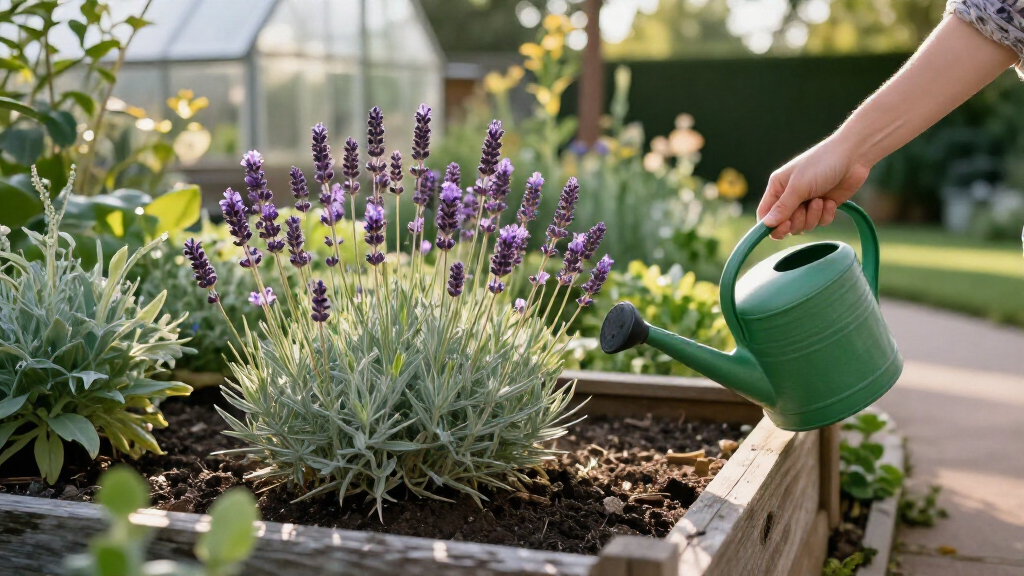
Start by noting how many hours of direct sun the planting area receives and whether the soil drains quickly or stays damp. Sunny, dry areas can suit plants such as lavender or moss rose, while hostas are better suited to shade. A common mistake is to buy a plant for its reputation as easy-care without checking the conditions behind that reputation. For example, a plant that tolerates dry conditions after establishment can struggle if its roots sit in poorly drained soil. If the site varies across the day, observe it through more than one season before committing to a large planting. A smaller trial planting can reveal whether the location fits without creating a major replanting job.
Choose a Starting Form That Fits Your Patience
Seeds generally need more early attention than plugs, bare roots, or container plants: germination, moisture, thinning, and weeding can all add tasks. Live plants can shorten that stage, but they still need careful planting and watering while their roots settle in. Corms and bare roots have their own planting requirements, and their appearance at delivery may not resemble a finished garden plant. Think about whether you want lower effort this month or lower routine care over several years. Buying a larger or more established plant can reduce the wait, but it does not remove the need to give it a suitable site. Check the listing’s planting instructions and seasonal timing before choosing a format.
Plan for Establishment, Not Just Mature-Plant Care
Many plants need more water and attention in their first growing season than they will later. This is where expectations often go wrong: drought tolerance usually describes established plants, not newly sown seeds or fresh transplants. If you cannot water regularly during establishment, favor a planting schedule that lines up with reliable rainfall or choose a live plant with clear care guidance. Mulch can help conserve soil moisture and reduce weeds, though it should not be piled against stems or crowns. Group plants with similar watering needs so you are not tending a thirsty patch and a dry-soil patch as one bed. Planning this early can reduce ongoing chores more than adding another plant to the list.
Use Local Hardiness and Climate as a Filter
Hardiness information helps estimate whether a perennial or shrub can survive winter in your region, but it does not describe every local challenge. Summer heat, humidity, wind, rainfall, and late frosts can change how much care a plant needs. Compare the stated hardiness range with your local growing conditions, and look for guidance from a regional extension service or trusted local nursery when the fit is uncertain. Do not assume that a plant labeled perennial will return reliably everywhere. Some plants may behave differently outside their preferred climate, including growing as annuals or needing winter protection. A locally suitable plant is usually easier to maintain than one that merely survives on the edge of its range.
Decide Whether You Need Coverage, Color, or Permanent Structure
A ground cover, a seasonal flower, and an evergreen shrub solve different garden problems. Ground-cover seeds may fill a larger area over time, but coverage is not instant, and young plants still compete with weeds. Annual flowers can bring color with less commitment to a permanent layout, though they may need reseeding. Shrubs create lasting structure, yet they occupy space for years and can be harder to move if the choice is wrong. Before buying, sketch the mature area each plant should occupy and account for paths, windows, and neighboring plants. Choosing the right role can prevent routine pruning, dividing, or replacement work later.
Treat Seed Quantity and Variety as Practical Tradeoffs
A large seed count may suit a broad area, but it does not guarantee an even stand or a successful planting. Germination rates, sowing instructions, spacing, and seed freshness all affect how much usable coverage you get. Mixed-color or mixed-variety listings can create visual interest, but the result may be less uniform than a single named cultivar or established plant. For a small bed, a modest quantity can be easier to sow and manage; for a larger area, check whether the seed is intended for the coverage you want. Read the package directions for sowing depth and spacing rather than scattering extra seed to compensate. If predictable appearance matters more than starting a lot of plants, a live specimen may be the simpler choice.
Frequently Asked Questions
Are seeds or live plants the lower-maintenance choice?
Live plugs, bare roots, and container plants generally reduce the germination work involved with seeds, but they still need appropriate planting and regular water while establishing. Seeds can be a practical way to cover a larger area, although seedlings may need thinning, weeding, and protection. The better choice depends on how much early attention you can give and whether you need a finished-looking planting soon. For a first garden bed, starting with a few live plants can make spacing and plant identification easier. Check the specific planting directions, since formats vary even within the same plant type.
Can lavender and moss rose grow together in the same bed?
They may work together where the bed receives ample sun and the soil drains well, but their growth habits and spacing needs still matter. Both can be poor fits for a consistently wet site, and newly planted specimens need water as they establish even if mature plants tolerate drier conditions. Avoid planting them close together just because they share a preference for sunny conditions. Check the mature size and spacing guidance for each listing, then leave room for airflow and growth. If your soil stays damp, consider a different plant combination rather than trying to correct the site with frequent intervention.
Should I choose hosta seeds or bare-root hostas for a shade garden?
Bare-root hostas are generally the more direct route if you want plants in the bed without waiting for seeds to germinate and grow. Seeds can be a more involved project, and mixed seed listings may produce less predictable plants than named varieties. Bare roots still need correct planting depth, suitable shade, and steady moisture while they establish. Choose seeds if you enjoy raising plants and have patience for an uncertain timeline; choose bare roots if you want a simpler start to a planted shade area. In either case, check the growing instructions and your local climate before ordering.
Is a large seed-count listing a better choice for ground cover?
Not automatically: seed count does not tell you how much area the seeds will cover at the recommended spacing or how many will germinate. Compare the packet’s sowing rate, planting instructions, and intended use with the size of your bed. A large quantity can be useful for broad sowing, but extra seed may create crowded seedlings that need thinning. For a small patch, a smaller listing or a few established plants may be easier to manage. For quick, even coverage, remember that seed-grown ground cover takes time and needs weed control while it fills in.
What should I check before buying a shrub instead of seeds or ground cover?
Check the shrub’s mature height and width, local hardiness, light requirements, and whether it needs pruning to keep its shape. Unlike annual seeds or low ground cover, a shrub is a long-term space commitment that can be difficult to relocate once established. Consider what sits nearby, including paths, structures, and other plants that may compete for room. A container-grown shrub can give a faster structural effect, but it still needs regular establishment care and a suitable planting site. If you are unsure about the location, try a smaller or less permanent planting first.
Conclusion
For the strongest all-around balance in this lineup, I recommend Little Bluestem live plugs as the best overall pick: they skip seed germination and offer a lasting ornamental planting when the site suits them. For best value across a sunny area, the smaller-count moss rose seeds are a practical starting point; choose the larger-count listing when you have more ground to sow. The best premium choice is Purple Daydream Loropetalum for gardeners who want an established evergreen shrub and have room to plan for its mature size. Beginners who want a straightforward shade planting should favor bare-root hostas over mixed hosta seeds. For specific needs, choose lavender for a sunny, well-drained spot, hostas for shade, or creeping thyme when you want a low-growing herbaceous cover. The right pick is the one whose light, water, climate, and mature footprint already match your garden.