TL;DR

Get garden gear delivered free with Prime
- Fast, free delivery on millions of items
- Prime Video, Amazon Music and more included
- Member-only deals all year
A Gardener’s Path guide outlines how to identify possible rat activity and reduce the food and shelter that can attract rodents. It recommends clearing fallen produce and sealing access to outbuildings, while warning that garden barriers may not stop rats that can dig or chew.
Gardener’s Path has published guidance on identifying and discouraging rats in gardens, focusing on signs such as droppings, gnaw marks and nesting material, as well as steps to limit food and shelter. The advice matters because rats can damage crops and structures, and the report says their rapid breeding can allow populations to grow quickly.
The report identifies the black rat (Rattus rattus) and brown rat (Rattus norvegicus) as common species found around gardens. It describes black rats as more associated with warmer conditions and dry spaces such as lofts, while brown rats are more adaptable to cooler temperatures and varied foods. These descriptions are general; the article does not offer a way to identify a species from garden signs alone.
Possible evidence includes dark, hard droppings near food or nesting places, shredded leaves or other materials, gnawing on wood or food containers, and holes in nearby structures. The report cautions that droppings can come from other small mammals, so that sign by itself does not confirm rats. It also suggests watching quietly around dusk, when rodents may be active, including in trees.
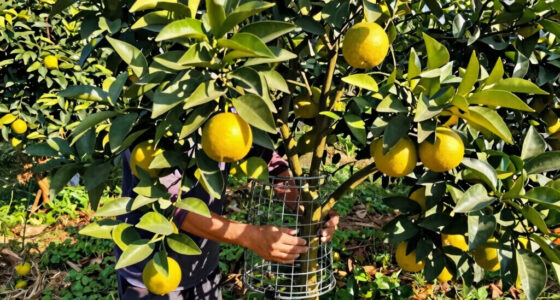
For prevention, the guide recommends removing accessible food by picking up fallen fruit and clearing unused ripe vegetables. It also advises sealing openings to sheds, garages and other outbuildings, and closing abandoned animal dens where practical. It warns that fences may not be enough: rats can dig and chew, and the report says even concrete may be breached when rodents are motivated.
Reducing Food and Shelter
Rats can affect more than a garden’s harvest. The report says they may damage buildings and machinery as well as crops, making activity around sheds and other structures relevant to homeowners and gardeners. It also raises a health concern, stating that rats can carry disease; it does not specify particular diseases or quantify the risk from a garden sighting.
Taking away food and nesting opportunities is a practical first response because it addresses what draws rodents to a property. However, these measures are not a guarantee of removal. The guide notes that a garden is difficult to seal off completely, and its recommendations are aimed at making nearby areas less attractive rather than proving that rats are absent.
Popular right now

Dyson Airwrap i.d. Multi-Styler for Straight and Wavy Hair

KitchenAid Artisan 5-Quart Tilt-Head Stand Mixer, Blue Velvet

Dyson V15 Detect Cordless Vacuum
As an affiliate, we earn on qualifying purchases.
Two Common Garden Rat Species
The report distinguishes black and brown rats because their habits and preferred settings can differ. It describes black rats as typically smaller, with a tail that may exceed the combined length of head and body, and brown rats as larger and more adaptable. These are details from the guide, not a substitute for professional identification.
Reproduction is one reason the report treats early signs seriously. It says both species can become sexually mature within a few months and describes multiple litters per year. Those figures are attributed to the source and can vary; the report provides no local population data or estimate of how many rats a particular garden might contain.
Signs Do Not Confirm Rats
The supplied material does not establish that any particular garden has rats or that a specific prevention measure will eliminate them. Droppings and gnaw marks are clues, not definitive identification, and the report notes that droppings may belong to other small mammals. It also gives no current local surveillance figures, professional inspection findings or information about the severity of any infestation.
The report’s excerpt ends as it begins discussing rats feeding directly in gardens and fruit trees, so it does not provide a complete account of every prevention method. It gives no detailed guidance on poison use, local regulations or how to safely handle suspected contamination. Readers should not infer pesticide instructions from the article; any pesticide must be used only as its label directs, with the protective equipment stated on that label, and kept away from children and pets.
Check and Maintain the Property
The report’s recommendations point to ongoing checks: remove fallen produce, keep garden food waste from accumulating, and inspect sheds and garages for openings or nesting material. If signs persist or extend into buildings, the supplied guidance does not set out a professional response protocol; a qualified pest-control professional can assess the evidence and discuss lawful options. Any traps or other controls should be chosen with care for pets, children and wildlife.
No follow-up findings or new control measures are included in the source material. The immediate next step for readers is to monitor for additional signs and reduce available food and shelter, while treating an apparent infestation as unconfirmed until the evidence is assessed.
Key Questions
What signs may indicate rats in a garden?
Droppings, gnaw marks, shredded nesting material and holes around nearby structures may indicate rodent activity. None of these signs alone confirms that the animal is a rat.
What can gardeners do to make a garden less attractive to rats?
The report recommends removing fallen fruit and unused ripe vegetables, then sealing openings to sheds, garages and other outbuildings where possible.
Will a fence keep rats out?
Not necessarily. The report says rats can dig and chew, so a wooden fence may not deter them. It frames prevention around reducing food and nearby nesting spaces instead.
Do droppings prove that rats are present?
No. The guide says droppings can come from different small mammals. Look for additional evidence and seek an assessment if signs persist or appear inside buildings.
Does the report recommend glue traps?
No. It advises against glue traps, describing them as inhumane and warning they can capture beneficial animals and insects. Follow applicable laws and use any pest-control product only according to its label.
Source: gardenerspath.com