
TL;DR
A gardening article republished on Nov. 16, 2026, recommends clear-plastic mini greenhouses as a way to capture daytime warmth for tomatoes and other heat-sensitive crops in short or cool growing seasons. The shelters are unheated and do not guarantee frost protection; gardeners need to ventilate them to prevent overheating and admit pollinators.
A gardening article republished Nov. 16, 2026, recommends growing tomatoes and other heat-sensitive vegetables under clear-plastic shelters in regions where short, cool summers can delay ripening. The proposed unheated mini greenhouses capture daytime warmth, but gardeners must ventilate them to prevent overheating and should not count on them to protect plants from frost.

Get garden gear delivered free with Prime
- Fast, free delivery on millions of items
- Prime Video, Amazon Music and more included
- Member-only deals all year
The advice addresses a familiar problem in cool growing seasons: plants may be set out late after a cold spring, then face extended rain, a cool fall or early frosts. Tomatoes, peppers and other fruiting vegetables need warmth to mature, and the article says a delayed season can leave fruit unripe even into September. In the Quebec City area, tomatoes may be ready as early as late July in favorable conditions, but persistent cool weather can push the harvest back.
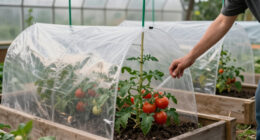
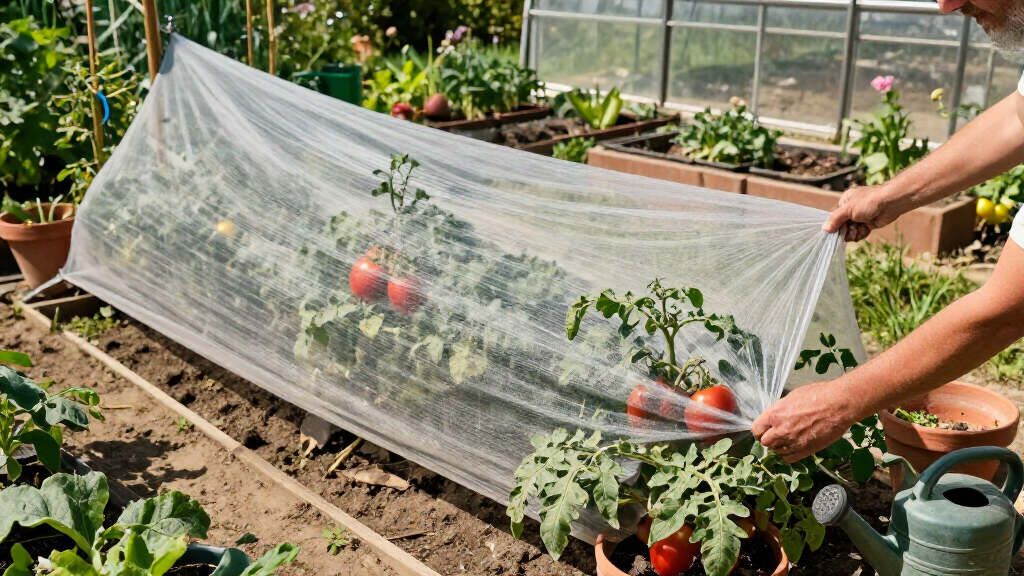
The suggested shelter is a small structure covered with clear plastic, built from materials such as wooden stakes and polyethylene or bought ready-made. It has no artificial heat source. Sunlight warms the enclosed space during the day, potentially making it much warmer than the air outside; that warmth escapes at night, so the structure does not guarantee frost protection.
Ventilation is part of the method, not an optional extra. The article advises opening a panel when the interior becomes too warm and closing it in the evening when cool weather is forecast. If nighttime temperatures remain above 15°C (59°F), the panel can stay open overnight. During the day, opening the shelter also allows pollinating insects to reach crops, including zucchini, cucumbers and melons.
A Tough Summer for Tomatoes Should You Shelter Them?
Clear-plastic shelters can capture daytime warmth for tomatoes in cool, short seasons. They need daily ventilation and do not guarantee frost protection.
What the shelter does
Sunlight warms the enclosed space during the day; stored warmth escapes at night.
A longer ripening window
Unheated clear plastic may help tomatoes and peppers mature in cool growing seasons.
No reliable frost cover
The shelter loses heat overnight and does not guarantee protection from frost.
Manage heat and access
Watch conditions and adjust the opening through the day.
Vent the shelter to reduce the risk of overheating plants.
Daytime openings give pollinating insects access to crops.
Close the panel when cool weather is expected; it may stay open overnight above 15°C (59°F).
Set up before planting
A homemade shelter can use wooden stakes and polyethylene, but it should be fastened securely and include an opening.
A Longer Window for Ripening
For gardeners in areas with short or cool summers, an outdoor crop can produce plenty of green fruit without enough warmth for it to ripen before fall. A plastic shelter offers a practical way to capture more daytime heat without installing a powered heating system. The recommendation is relevant to tomatoes and peppers, and the article also names zucchini, cucumbers, eggplants and melons as crops that can be difficult to grow outdoors in cool conditions.
The method comes with trade-offs. The added warmth can become excessive on sunny days, potentially damaging plants if the shelter stays closed. It also cannot be treated as a substitute for frost protection: overnight heat loss remains a limitation. Gardeners would need to monitor conditions and adjust the opening, rather than assume the cover will create a stable growing environment.
Pollination is another reason to manage the opening. Air movement and visits from bumblebees can help tomato pollination, while pollinating insects are especially relevant to zucchini, cucumbers and melons. A shelter that is kept sealed through the day may restrict those visits, so the suggested approach balances warmth with access and ventilation.
Popular right now

Ninja SP151 Flip Toaster Oven & Air Fryer, Stainless Steel

Dyson V9 Motorbar Cordless Vacuum

Ninja Foodi DZ401 DualZone XL Air Fryer, 10 Qt, 6-in-1, Grey
As an affiliate, we earn on qualifying purchases.
Lessons From Northern Gardens
The article describes the technique as one used by gardeners farther north, including in Quebec’s Saguenay–Lac-Saint-Jean region, where clear-plastic structures shelter vegetables through a short growing season. It presents those gardens as an example of using passive solar warmth to help crops that need more heat than local outdoor conditions may reliably provide.
The advice is adapted from an article by gardener Larry Hodgson, originally published in Le Soleil on Nov. 10, 2009. The republished item says Hodgson wrote thousands of articles and 65 books in French and English, and that his son, Mathieu, has worked to make his father’s writing available to the public. The current republication provides gardening guidance, not new trial data or a report of a newly tested product.
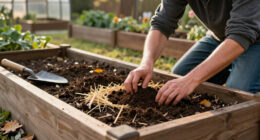
For setup, the article says a shelter can be installed in spring once the ground is accessible, after snow has melted in colder regions. It can be left empty temporarily to warm the soil. Planting should wait until soil and air temperatures are warm enough and the risk of frost has passed. Any homemade structure should be fastened securely and include an opening for ventilation.
““These mini greenhouses aren’t artificially heated: they simply capture the sun’s warmth during the day.””
— Larry Hodgson, in the gardening article
Limits of the Shelter Method
The article does not provide measured temperature ranges inside the structures, comparative harvest data or evidence quantifying how much earlier tomatoes might ripen under cover. Results are likely to depend on the shelter’s design, local weather, crop variety and site conditions, but the republication does not specify those effects.
It also does not define a temperature at which a shelter must be opened to prevent heat damage. The guidance is to respond when the interior becomes too warm, without giving a thermometer reading or a detailed monitoring schedule. The stated 15°C (59°F) threshold concerns leaving a panel open overnight; it is not presented as a general temperature for planting or ventilation.
Frost risk remains unresolved by the structure itself. The article says stored daytime heat escapes at night and that the shelter does not guarantee frost protection, but it gives no separate frost-control system or assurance that plants will survive a particular cold night.
Spring Setup and Daily Venting
Gardeners considering the method can set up a securely fastened structure once spring ground conditions allow, then use the empty shelter to warm the soil before planting. The article’s guidance is to wait until both soil and air are warm enough and the risk of frost has passed, rather than planting as soon as the cover is erected.
After planting, the practical next step is to watch temperatures and weather, opening the panel when the interior gets too hot and closing it in the evening when cool conditions are expected. On warm nights above 15°C (59°F), the panel may remain open. Daytime openings also provide access for pollinators. The article gives no new growing-season results or follow-up measurements; any benefit will depend on local conditions and attentive management.
Source: rss
Key Questions
Can a plastic mini greenhouse help tomatoes ripen in a cool summer?
The article recommends an unheated, clear-plastic shelter to capture daytime warmth, which may help heat-sensitive crops in a short or cool season. It gives no measured estimate of how much sooner tomatoes will ripen.
Will the shelter protect tomato plants from frost?
Not reliably. The article says heat escapes overnight and the structure does not guarantee frost protection.
When should the shelter be opened?
Open a panel when the interior gets too warm, and during the day to allow air movement and pollinating insects. The article says it may remain open overnight when temperatures stay above 15°C (59°F).
When should vegetables be planted inside it?
The article advises waiting until the soil and air are warm enough and the risk of frost has passed. A shelter can be set up earlier and left empty temporarily to warm the soil.
Which crops could be grown under a mini greenhouse?
The article names tomatoes, peppers, zucchini, cucumbers, eggplants and melons as heat-sensitive crops that may benefit from cover in cool growing conditions. It does not provide crop-by-crop performance data.
Source: laidbackgardener.blog