
TL;DR

Get garden gear delivered free with Prime
- Fast, free delivery on millions of items
- Prime Video, Amazon Music and more included
- Member-only deals all year
In Phoenix, February is the sweet spot for planting tomatoes—start seeds indoors late January or early February, choose heat-tolerant varieties, and protect plants from extreme weather. Proper timing and care boost your chances of a bumper crop.
Plant tomato seedlings outdoors in Phoenix after mid-February, once nighttime lows stay above 40°F.
Start seeds indoors in late January or early February to get a jump on the season.
Choose heat-tolerant varieties like ‘Heatmaster’ or ‘Solar Fire’ for best results.
Use shade cloths and row covers to protect plants from unexpected cold snaps and heatwaves.
Maintain consistent watering and mulch to keep soil temperatures stable and prevent stress.
When to Plant Tomatoes in Phoenix: The February Window Explained
February is the desert gardener’s sweet spot: warm enough for young tomatoes to establish, early enough to build roots before summer’s punishing heat. Start indoors, transplant after mid-month, and keep protection ready.
Or during the first days of February
Mid-to-late February sweet spot
With afternoon relief as heat builds
Best range for nutrient uptake
The February window balances frost risk against summer heat.
Planting too early exposes tender growth to cold snaps. Planting too late reduces the time available for flowering and fruit set before extreme temperatures arrive.
Young plants face transplant shock, cold injury and delayed flowering.
Mild days and safer nighttime lows create Phoenix’s best risk-to-reward window.
Plants have less time to set fruit before severe heat triggers blossom drop.
Start indoors
Sow in late January or early February at roughly 70°F under bright light.
Build strong starts
Use seed-starting mix and steady moisture to develop roots and foliage.
Harden for a week
Increase outdoor sun, wind and temperature exposure a little each day.
Transplant safely
Plant after mid-February when forecast nighttime lows remain above 40°F.
Give every transplant a desert-ready foundation.
The right site and steady care reduce stress now—and help plants keep producing as Phoenix shifts rapidly from mild spring weather to intense heat.
Sun with afternoon relief
Choose a location with 6–8 hours of direct sun. Light afternoon shade becomes valuable as late-spring temperatures climb.
Drainage plus compost
Use well-draining soil enriched with organic matter. Aim for a pH between 6.0 and 6.8 to support nutrient availability.
Consistent, never soggy
Water deeply and adjust to weather. Drip irrigation and mulch conserve moisture while reducing sharp soil-temperature swings.
Select tomatoes bred to finish under pressure.
Heat tolerance and faster maturity improve the odds of harvesting ripe fruit before Phoenix’s most difficult summer conditions.
| Variety | Heat tolerance | Harvest time | February fit | Best use |
|---|---|---|---|---|
| Heatmaster | ✓ Excellent | 70–80 days | ✓ Top choice | Strong desert resilience |
| Solar Fire | ✓ Very good | 65–75 days | ✓ Early yield | Fast maturity before heat |
| Phoenix | ~ Good | 70–80 days | ✓ Reliable | Balanced local performance |
Tradeoff: heat-adapted varieties may produce smaller fruit or less complex flavor than some traditional cultivars, but their reliability is valuable in desert conditions.
Protect both ends of the temperature spectrum.
February can still deliver cold surprises, while late spring can accelerate quickly toward damaging heat. Keep covers accessible and ventilate them appropriately.
Cover below 40°F
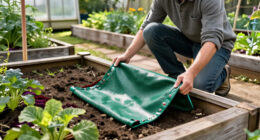
Use row cover, frost cloth or a lightweight blanket before sunset. Remove or vent it after temperatures recover.
Shade near 100°F
Deploy shade cloth during extreme heat to reduce leaf scorch, sunscald, uneven ripening and blossom drop.
One well-timed decision compounds into a better harvest.
Phoenix success is a connected system: each stage protects the next, from germination through fruit production.
Start seeds indoors in late January or early February. Harden seedlings gradually, then transplant from mid-to-late February only when nighttime lows remain above 40°F. Add mulch, steady irrigation and weather protection to carry plants safely toward harvest.
Why February is the Magic Month for Phoenix Tomato Growers
In Phoenix, the weather in February hits that perfect sweet spot for starting tomatoes outdoors. Daytime temperatures hover between 70°F and 85°F, while nighttime lows rarely drop below 40°F. This window usually spans from mid to late February, giving your plants enough warmth to thrive without the risk of frost. Starting too early—like in January—can expose tender seedlings to cold snaps, which can stunt growth or cause damage that sets back your entire season. Conversely, waiting too long to plant means missing the opportunity for an early harvest, which is especially valuable in a short growing season. For example, transplanting seedlings around February 15th aligns with the region’s mild winter lows and allows your plants to establish before the intense summer heat. This timing is crucial because it balances risk and reward—planting too early risks frost damage, while planting too late shortens your harvest window.
By planting during this window, you give your tomatoes a vital head start, allowing them to develop a strong root system and robust foliage before the high temperatures and drought conditions of summer arrive. This early start can lead to earlier fruiting and a more productive season. Starting seeds indoors in late January or early February is a strategic move because it ensures your plants are ready to transplant once outdoor conditions are ideal, thus maximizing the overall length of your growing season. Essentially, this timing helps you optimize the delicate balance between risk and opportunity that defines gardening in the desert.
heat-tolerant tomato varieties for desert climate
As an affiliate, we earn on qualifying purchases.
As an affiliate, we earn on qualifying purchases.
How to Time Your Tomato Planting for Peak Success in Phoenix
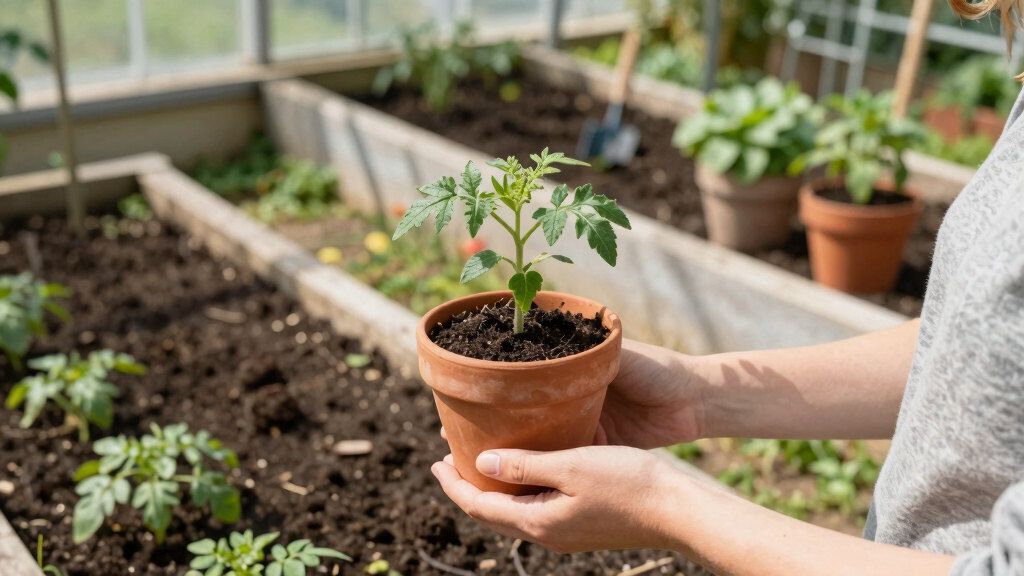
- Start seeds indoors in late January or early February in a warm, sunny windowsill or under grow lights. Use seed-starting soil and keep the temperature around 70°F. This controlled environment allows seedlings to develop strong roots and healthy foliage before facing outdoor stresses. The importance of this step lies in giving your plants a jump-start, especially since outdoor conditions can be unpredictable early in the season, with occasional cold snaps or cloudy days that slow growth. Starting indoors also reduces the risk of transplant shock when moving plants outside.
- Harden off seedlings in late February by gradually introducing them to outdoor conditions for a few hours each day, increasing exposure over a week. This process is essential because it helps plants acclimate to the harsher outdoor environment, reducing shock and improving survival rates. Without proper hardening, seedlings can suffer leaf scorch or stunted growth when suddenly exposed to full sun, wind, or fluctuating temperatures.
- Transplant outdoors after the last expected frost date—usually around February 15th—when nighttime lows are consistently above 40°F. Transplanting at this point minimizes the risk of frost damage, which can kill young plants or severely weaken them, delaying flowering and fruit production. Proper timing here is a tradeoff: transplanting too early risks frost, while waiting too long can cut into the growing season, reducing yield potential.
- Pick the right spot in your yard—full sun, well-draining soil, and some afternoon shade if possible during peak heat. Choosing an optimal location is crucial because it directly influences plant health and productivity. Full sun ensures maximum photosynthesis, while well-draining soil prevents root rot. Providing some afternoon shade during the hottest part of the day helps prevent heat stress, especially as temperatures rise in late spring and summer, which can otherwise cause blossom drop or sunscald on fruit.
This staged approach to planting—starting indoors, hardening off, and carefully timing outdoor transplants—maximizes the resilience and productivity of your tomato plants. It’s about understanding the implications of each step: early starts can give you an earlier harvest but risk cold damage, while delayed planting might protect plants but shorten your overall season. Balancing these factors based on weather forecasts and microclimate conditions in your yard is key to a successful harvest.
As an affiliate, we earn on qualifying purchases.
Best Tomato Varieties for Phoenix’s February Planting Window
| Variety | Heat Tolerance | Harvest Time |
|---|---|---|
| Heatmaster | Excellent | 70-80 days |
| Solar Fire | Very Good | 65-75 days |
| Phoenix | Good | 70-80 days |
Choosing the right variety makes a big difference. These three are bred to handle Phoenix’s high heat, giving you a better shot at ripe, flavorful tomatoes even as summer approaches. For instance, ‘Heatmaster’ is popular among local gardeners because it is specifically developed for desert conditions, offering quick maturity and strong heat resilience. This means you can enjoy ripe tomatoes earlier in the season, which is especially beneficial if late-season heat can cause early fruit ripening or blossom drop. The tradeoff is that some heat-tolerant varieties may have slightly less flavor complexity or smaller fruit size compared to traditional favorites, but in the desert climate, these adaptations are often necessary for success.
As an affiliate, we earn on qualifying purchases.
Protecting Your Tomatoes from Phoenix’s Extreme Weather
In February, weather can still surprise you. A sudden cold snap or a heatwave can stress your plants. Using shade cloths during 100°F days helps prevent sunburn and heat stress, which can cause blossom drop, sunscald, or uneven ripening. During unexpected cold nights, covering your plants with row covers or lightweight blankets creates a thermal barrier, trapping heat and preventing frost damage. This proactive protection is essential because even late winter nights can occasionally dip below freezing, and young plants are especially vulnerable. The tradeoff here is that overprotecting can sometimes limit airflow or increase humidity, potentially encouraging disease, so it’s important to balance protection with ventilation. Properly timed and ventilated coverings ensure your plants stay healthy and continue to grow vigorously, setting the stage for a productive season.
For example, a gardener in Central Phoenix reported covering their seedlings with frost cloth when temperatures dipped below 40°F overnight. This simple step prevented frostbite and allowed the plants to continue growing without setbacks. Such protective measures are often overlooked but can make a significant difference in the success of your crop, especially when unpredictable weather patterns occur.
garden row covers for frost protection
As an affiliate, we earn on qualifying purchases.
As an affiliate, we earn on qualifying purchases.
Watering Tips for Phoenix Tomatoes in February
Desert soil dries out fast, especially as the days warm up. Keep soil consistently moist but never waterlogged—about once or twice a week, depending on rain and heat. Mulching around your plants helps retain moisture and keeps soil temperatures steady, preventing stress. Proper watering is critical because uneven moisture levels can lead to blossom end rot, cracking, or uneven ripening. Overwatering can drown roots and promote disease, while underwatering causes stress and stunted growth. Achieving the right balance requires monitoring soil moisture levels regularly and adjusting watering accordingly. Using drip irrigation or soaker hoses delivers water directly to the root zone, reducing evaporation and ensuring even moisture supply. Mulching with straw or shredded bark not only conserves water but also insulates roots from temperature extremes, which is vital in the desert environment. The tradeoff is that too much mulch can harbor pests or disease if not managed properly, so maintaining good airflow and cleanliness around the plants is essential.
Imagine your tomato plants as desert travelers—they need a steady, gentle supply of water, not a flood. Proper watering encourages healthy growth and fruit production, and neglecting it can compromise the entire crop’s success. Consistency, not frequency, is key to avoiding stress and ensuring a bountiful harvest.
Recent Developments That Make Growing Tomatoes Easier in Phoenix
Newer tomato varieties are bred specifically for desert climates, with enhanced heat and drought tolerance. These cultivars often feature thicker skins, stronger stems, and quicker maturation to withstand the intense sun and limited water supply typical of Phoenix. Gardeners now also use drip irrigation systems and reflective mulches, which are innovations that significantly improve water efficiency and soil temperature regulation. Drip systems deliver water directly to roots, reducing evaporation and conserving water, which is crucial in arid environments. Reflective mulches bounce sunlight onto plants, increasing light exposure while keeping soil cooler, reducing heat stress and weed growth. These technological advancements allow for longer planting windows and higher yields, even under challenging conditions. For example, a local gardener reports harvesting their first ripe ‘Heatmaster’ tomato just 70 days after transplanting, highlighting how these innovations translate into tangible benefits. The tradeoff is that these systems require initial investment and maintenance, but the long-term benefits in yield and plant health outweigh the costs for serious gardeners.
Overall, these developments have transformed the traditional challenges of desert gardening into manageable tasks, enabling more consistent and fruitful tomato production in Phoenix.
Frequently Asked Questions
Can I plant tomatoes outdoors earlier than mid-February?
It’s risky. Phoenix’s winter lows rarely drop below freezing, but unexpected cold snaps can occur. Wait until nighttime temperatures stay above 40°F consistently—usually mid to late February—to give your plants the best chance to thrive.
Should I start seeds indoors or sow directly in the ground?
Starting seeds indoors in late January or early February gives you control over temperature and soil quality. Transplant seedlings outdoors after the last frost date in mid-February for the best results, avoiding cold damage and giving plants a head start.
What’s the biggest mistake beginners make when planting tomatoes in Phoenix?
Planting too early or choosing varieties that aren’t heat-tolerant. Both can lead to stunted growth or poor fruiting. Focus on timing and selecting desert-friendly varieties to boost your success.
How can I prevent my tomatoes from frying in the summer heat?
Use shade cloths during peak heat, mulch heavily around plants, and consider planting in microclimates or shaded spots. Proper watering and ventilation also keep plants cooler and happier.
Conclusion
In Phoenix, timing your tomato planting during February sets the stage for a fruitful season. Think of it as catching the early wave—set your seedlings out at the right moment, shield them from surprises, and watch your desert garden flourish. With patience and the right choices, your tomatoes will reward you with a burst of summer flavor, even in the heart of the desert.Fall Picks
fall essentials
As an affiliate, we earn on qualifying purchases.