TL;DR

Get garden gear delivered free with Prime
- Fast, free delivery on millions of items
- Prime Video, Amazon Music and more included
- Member-only deals all year
Removing your Arizona lawn saves water and reduces costs. Focus on native, drought-tolerant plants like agave and desert marigold for a thriving, low-maintenance landscape. Proper prep and plant choice are key to success.
Arizona’s scorching sun and scarce rainfall make maintaining a lush lawn a costly, water-wasting chore. If you’re tired of fighting the heat and high water bills, it’s time to think about replacing that green carpet with something smarter. Removing a lawn isn’t just about saving water — it’s about creating a landscape that thrives in our desert climate.
In this guide, you’ll learn exactly how to ditch your turf, what plants to choose instead, and how to turn your yard into a low-maintenance, water-wise oasis. Think of it as transforming your outdoor space into a native, resilient garden that looks beautiful and saves you money.
Removing your lawn in Arizona can cut water use by up to 75%, saving money and supporting local ecosystems.
Native plants like agave, desert marigold, and palo verde thrive with minimal water and care when planted properly.
Soil prep, plant choice, and ongoing mulching are critical to establishing a successful xeriscape.
Expect initial costs but enjoy long-term savings and a resilient, beautiful yard.
Incorporate smart watering, mulch, and native plants to keep your desert garden thriving year-round.
How to Remove a Lawn in Arizona—and What to Plant Instead
Trade thirsty turf for a resilient desert garden. Careful removal, climate-smart plants, deep watering and protective mulch can turn a costly lawn into a lower-maintenance landscape built for Arizona heat.
A clean exit in three deliberate moves
Choose a removal method that fits your timeline, then protect the soil you will rely on later. Before work begins, check HOA requirements, local rules, buried utilities and any available conversion incentives.
Kill the grass
Solarize turf beneath clear plastic during the hottest months, smother it with cardboard and mulch, or carefully use an approved non-selective herbicide according to its label.
Remove dead turf
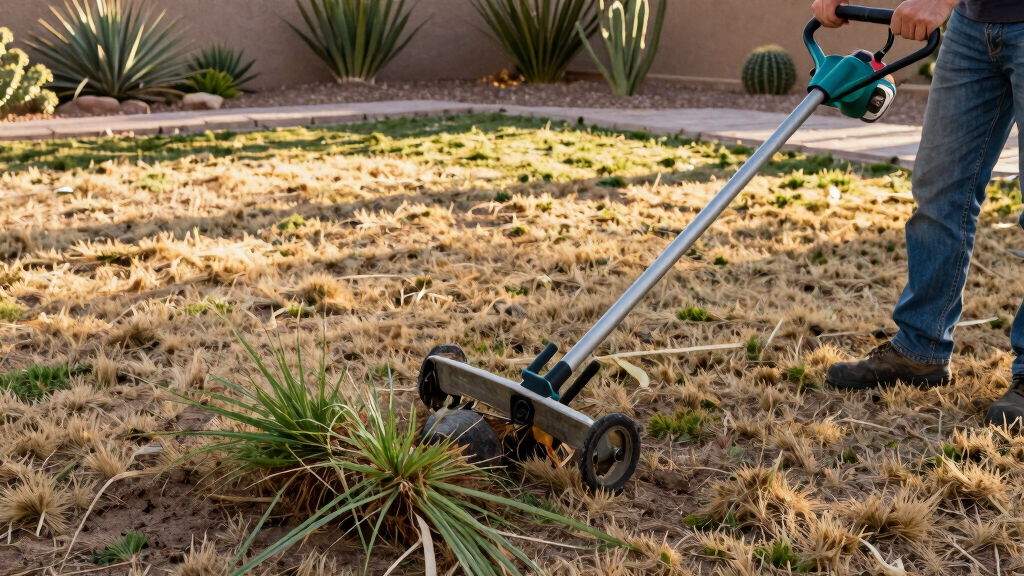
Once the lawn is fully brown and dry, scrape away the sod and dense root layer. Avoid unnecessary deep tilling, which can disturb soil structure and bring buried weed seeds upward.
Build the new base
Grade water away from structures, test drainage, repair irrigation and add compost only where the selected plants need it. Finish with planting zones and permeable paths.
Match the plant to the place
A successful xeriscape is not a random collection of drought-tolerant plants. Group species by water needs and confirm mature size, sunlight, drainage and proximity to paths before planting.
| Plant | Water need | Visual character | Best role | Full sun |
|---|---|---|---|---|
| Agave | Very low | Blue-green, sculptural spikes | Focal point or rocky accent | ✓ Strong fit |
| Desert Marigold | Low | Bright yellow, soft and bushy | Border, pollinator patch, ground layer | ✓ Strong fit |
| Palo Verde | Low | Green bark and yellow flowers | Canopy, shade and anchor tree | ✓ Strong fit |
| Desert Lavender | Low | Gray-green leaves, purple blooms | Perennial border and habitat | ~ Check exposure |
| Traditional Turf | High | Uniform green carpet | Recreation zones only | ✗ Water intensive |
Succulents & cacti
Agave, aloe, prickly pear and barrel cactus create bold silhouettes and store water through dry spells.
Ground covers
Dymondia, ice plant and creeping thyme can soften hardscape, but suitability varies with frost, heat and drainage.
Native shrubs
Ocotillo, red yucca, brittlebush and desert spoon add vertical rhythm, shelter and pollinator value.
Spend once. Conserve for years.
Conversion carries an upfront cost and native plants need patience while establishing. The return arrives through lower water use, reduced mowing, fewer inputs and a landscape better adapted to drought.
Relative outdoor water demand
Illustrative index based on the reported finding that native plants may require roughly 50–75% less water than traditional turfgrass. Actual use depends on plant mix, establishment, irrigation and site conditions.
Typical conversion investment
Costs vary by yard size, removal method, hardscape and plant maturity. A phased conversion can spread spending while revealing which plants perform best on the property.
Five habits for a resilient xeriscape
Low-maintenance does not mean no maintenance. The first establishment period is decisive: manage moisture carefully, suppress competition and adjust irrigation as roots deepen.
Mulch deeply
Use gravel or decomposed granite to reduce evaporation, moderate soil temperature and suppress weeds.
Water deeply
Apply water less often but long enough to reach the active root zone and encourage deeper growth.
Choose drip
Deliver water near roots instead of spraying bare ground, paths or leaves where it is easily lost.
Remove weeds
Pull invasive plants early so they cannot compete with young natives for water, light and nutrients.
Check moisture
Test the soil before watering. Desert-adapted plants can decline when irrigation remains excessive.
The water-wise transformation chain
Before the first shovel hits the ground
A few practical checks prevent expensive rework and make the finished landscape safer, healthier and easier to maintain.
Confirm local and HOA rules
Check landscape standards, permit needs and turf-removal incentive requirements before changing the yard.
Map sun and drainage
Observe afternoon heat, roof runoff, low spots and reflected light before assigning planting zones.
Plan for mature size
Keep thorny, spiky or large plants away from walkways, utilities, windows and building foundations.
Retain only useful turf
If grass serves recreation or pets, keep a compact functional area instead of an ornamental expanse.
How to Safely Remove Your Arizona Lawn in 3 Easy Steps
Removing a lawn in Arizona starts with a plan. You want to kill the grass without harming your soil or future plants. Here’s a straightforward process:
- Kill the grass using a non-selective herbicide like glyphosate, or opt for solarization by covering the lawn with clear plastic during the hottest months.
- Remove dead turf once it’s brown and dry, either by scraping or tilling. This exposes the soil for planting.
- Prepare the soil by adding compost or soil amendments if needed, to give your new plants a healthy start.
For example, if you choose herbicide, spray on a warm, breezy day, wear protective gloves and a mask. After a couple of weeks, the turf should be dead and easy to remove.
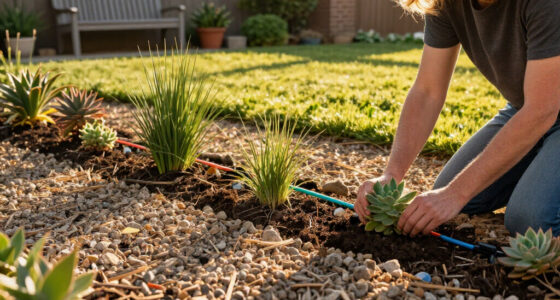
native drought-tolerant plants for Arizona xeriscape
As an affiliate, we earn on qualifying purchases.
As an affiliate, we earn on qualifying purchases.
Choosing Native and Drought-Tolerant Plants That Thrive in Arizona
Arizona native plants are adapted to our climate — they need less water, resist heat, and support local wildlife. Choosing the right plants matters because it directly impacts your landscape’s sustainability and resilience. For instance, selecting plants that are not well-suited to your specific soil or sunlight conditions can lead to poor growth, increased maintenance, or even plant death, negating the water-saving benefits. By understanding each plant’s needs and characteristics, you can create a harmonious environment that minimizes resource use while maximizing visual appeal. This thoughtful selection process ensures your xeriscape is not only beautiful but also environmentally responsible and easier to care for over time.
| Plant Type | Water Needs | Appearance | Best Uses |
|---|---|---|---|
| Agave | Very low | Spiky, sculptural, blue-green | Focal points, xeriscape accents |
| Desert Marigold | Low | Bright yellow, bushy | Border plants, ground cover |
| Palo Verde | Low | Tree with green bark and yellow flowers | Shade trees, focal features |
| Desert Lavender | Low | Gray-green foliage, purple flowers | Perennials, borders |
Choosing plants suited to your soil and sunlight isn’t just about aesthetics; it’s about ensuring they thrive with minimal intervention. For example, agave and desert marigold flourish on rocky slopes with full sun, while palo verde or desert lavender are better suited for shaded or less-drained areas. Recognizing these differences allows you to design a landscape that’s both sustainable and visually appealing, reducing the need for supplemental watering or soil amendments. This strategic approach enhances the longevity and health of your xeriscape, making maintenance simpler and more effective.
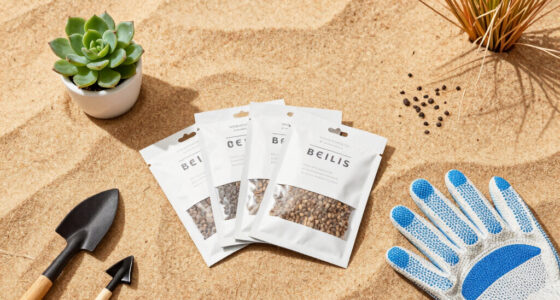
Arizona lawn removal tools and supplies
As an affiliate, we earn on qualifying purchases.
As an affiliate, we earn on qualifying purchases.
What to Plant Instead of a Lawn to Save Water and Look Great
Switching from grass to native plants isn’t just about survival — it’s about creating a landscape that’s lively and easy to care for. Here are some ideas:
- Succulents and cacti: Add texture and color with aloe, prickly pear, or barrel cactus. These plants store water in their tissues, making them highly drought-tolerant and resilient during dry spells.
- Low-growing ground covers: Dymondia, ice plant, or creeping thyme flourish with minimal water and mowing. They create a lush appearance without the upkeep of traditional grass, reducing mowing time and water use.
- Native shrubs: Desert broom, ocotillo, or red yucca add height and structure. These plants provide habitat for local wildlife and require little intervention once established, making your yard more sustainable and biodiverse.
Imagine a yard where a cluster of agave and desert marigold bloom year-round, complemented by gravel pathways and drought-tolerant ground covers that reduce watering needs and maintenance. This approach not only conserves water but also creates a vibrant, textured landscape that adapts naturally to the desert environment. The tradeoff is that native plants may take time to establish and may not provide the same lush, green look as traditional lawns, but their resilience and water savings more than compensate for this initial adjustment. Over time, your yard becomes a thriving desert oasis that’s both beautiful and sustainable.
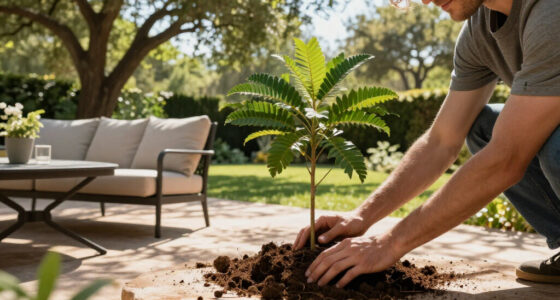
desert landscape mulch and soil prep materials
As an affiliate, we earn on qualifying purchases.
As an affiliate, we earn on qualifying purchases.
Quick Tips to Make Your Xeriscape Thrive and Save Water
Once your native plants are in the ground, a few simple tricks keep them happy and your water bill low:
- Mulch generously with gravel or decomposed granite to retain moisture, regulate soil temperature, and suppress weeds, which compete with your plants for resources.
- Water deeply but infrequently — early mornings and late evenings are best to reduce evaporation. Deep watering encourages root growth, making plants more drought-tolerant over time.
- Use drip irrigation for targeted watering, which minimizes waste and ensures water goes directly to the roots where it’s needed most.
- Keep an eye out for weeds and invasive species that can choke out your natives and disrupt your landscape’s balance. Removing them early prevents competition for water and nutrients.
- Regularly check soil moisture to avoid overwatering. Native plants are adapted to dry conditions and can suffer if overwatered, so understanding your soil’s needs is key to maintaining a healthy xeriscape.
Implementing these strategies helps your landscape adapt to the desert environment while conserving precious water resources, ensuring your xeriscape remains vibrant and resilient for years to come.
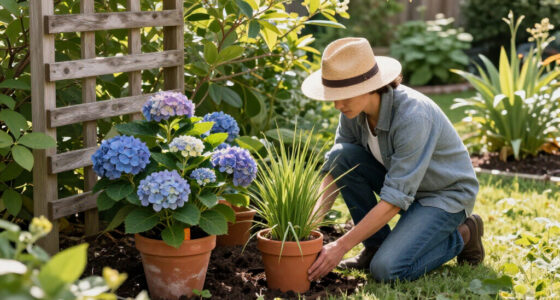
low-maintenance native plants for desert garden
As an affiliate, we earn on qualifying purchases.
As an affiliate, we earn on qualifying purchases.
The Costs, Benefits, and Little Tricks to Make It Work for You
Removing a lawn and planting native species can cost between $1,000 and $3,000, depending on yard size and plant choices. This initial investment often feels significant, but it’s important to consider the long-term savings. Reduced water bills, lower maintenance costs, and increased resilience against drought and pests make the upfront expense worthwhile. Think of it as an investment in your property’s sustainability and your peace of mind. Additionally, native plants contribute to local ecosystems by providing habitat for pollinators and wildlife, which enhances your yard’s ecological value. The tradeoff is that native landscaping requires thoughtful planning and patience during the establishment phase, but with proper soil prep, plant selection, and mulching, you set the stage for a thriving, low-maintenance garden that pays dividends over time.
To maximize success, consider implementing a phased approach—start with key areas, observe how plants adapt, and expand gradually. This strategy minimizes disruption and allows you to learn what works best for your specific microclimate, ultimately making your xeriscape more sustainable and easier to manage.
How to Keep Your Desert Garden Beautiful Year-Round
Maintaining a xeriscape isn’t about hands-off gardening. It’s about smart care that respects your plants’ needs. Here’s what to do:
- Mulch heavily to prevent evaporation and weed growth, which helps conserve water and reduces maintenance.
- Prune dead or overgrown branches to promote healthy growth and maintain your plants’ shape, preventing disease and encouraging flowering.
- Replace any invasive species immediately to protect your native landscape’s integrity and ensure your plants are thriving in their intended environment.
- Use native fertilizer sparingly, if at all — most natives don’t need much, and over-fertilizing can encourage unwanted growth or pests.
- Enjoy the vibrant blooms and textures that change with the seasons, from desert marigold’s yellow bursts in spring to agave’s sculptural form year-round. This seasonal variation adds visual interest and highlights the resilience of desert plants.
By following these practices, you foster a healthy, resilient desert garden that requires minimal intervention while showcasing the natural beauty of native flora throughout the year.
Frequently Asked Questions
How do I remove my lawn safely and effectively?
Begin by killing the grass with herbicide or solarization, then remove the dead turf and prepare your soil. Wear protective gear during herbicide application, and choose a time when temperatures are high for solar methods.What are the best drought-tolerant plants for Arizona?
Native species like agave, desert marigold, palo verde, and desert lavender are excellent choices. They’re adapted to our climate, need less water, and add visual interest to your yard.How much does lawn removal and replanting cost?
Expect to spend between $1,000 and $3,000 depending on yard size and plant selection. While upfront costs are higher, the long-term savings on water and maintenance make it worthwhile.Can I replace my lawn with artificial turf?
Yes, artificial turf is a low-maintenance alternative that looks good year-round. However, it doesn’t support local ecosystems and can heat up significantly in the sun, so consider your priorities carefully.How do I maintain a xeriscape garden?
Use mulch to conserve moisture, water deeply and infrequently, prune regularly, and replace invasive plants quickly. With consistent care, your xeriscape will flourish with minimal effort.Conclusion
Swapping your lawn for a native, drought-tolerant landscape transforms your yard into a water-wise paradise that’s both stunning and sustainable. It’s about working with the desert’s natural beauty, not fighting against it.
Start small, plan carefully, and enjoy a yard that’s low-maintenance, eco-friendly, and uniquely yours. Your desert oasis awaits — all it takes is a little effort now for years of beauty ahead.
Columbus Day / Indigenous Peoples' Day Picks
long weekend sales
As an affiliate, we earn on qualifying purchases.