
TL;DR
Listen free for 30 days with Audible
Thousands of audiobooks and originals — cancel anytime.
Start your free trialAs an affiliate, we earn on qualifying purchases.
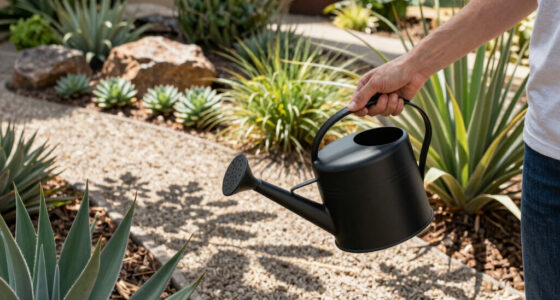
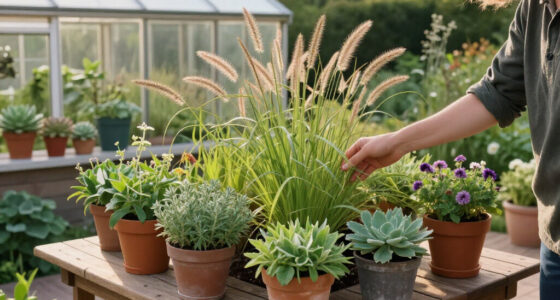
While native desert plants are built to survive dry conditions, they still benefit from occasional watering during extended droughts or early years. Deep, infrequent watering supports healthy roots, but overwatering can cause harm. Recognizing signs of water stress and using smart watering methods keeps your natives thriving.
Think desert plants are completely self-sufficient once established? Think again. Even the toughest natives can falter without the right watering cues, especially during prolonged dry spells or in their early years. You might be surprised to learn that overwatering can be just as damaging as neglect.
This guide breaks down exactly when, how, and why to water your native plants—no fluff, just practical advice rooted in real-world gardening. Whether you’re a seasoned xeriscaper or just starting out, understanding these nuances keeps your landscape resilient and vibrant.
Use deep, infrequent watering to encourage strong root growth in native desert plants.
Signs of water stress include wilting, yellowing, or leaf drop—learn to read your plants’ signals.
Avoid overwatering; most native plants are sensitive to excess moisture and need well-draining soil.
Water early in the morning or late evening to reduce evaporation and maximize absorption.
Adjust watering frequency based on plant age, season, and weather conditions to keep your landscape healthy.
Watering Established Natives: When Desert Plants Still Need a Drink
Desert natives are built for dry conditions—not endless drought. Occasional, well-timed deep watering protects roots, supports seasonal growth, and keeps resilient landscapes vibrant without creating waterlogged soil.
01 / Read the plant
Stress signals need a soil check
Wilting, yellowing, and leaf drop can point to thirst—or to roots sitting in excess moisture. Visual clues start the diagnosis; soil moisture confirms it.
Wilting or drooping
Persistent limpness beyond normal midday heat may signal depleted root-zone moisture.
Yellow or brown tips
Check texture and soil first: dry, crisp tissue differs from soft, waterlogged growth.
Unexpected leaf drop
Leaf loss outside the plant’s usual seasonal rhythm deserves closer inspection.
Dry below the surface
A dry root zone matters more than a dusty top layer. Test before opening the valve.
Probe several inches down near the root zone. If it is still damp, wait. If it is dry and the plant shows sustained stress, give it a slow, deep soak.
02 / Match the life stage
Water the roots you want tomorrow
Frequent surface watering keeps roots shallow. Deep, widely spaced irrigation encourages roots to explore cooler soil and improves stability through heat, wind, and drought.
| Plant scenario | Typical frequency | Preferred method | Decision signal |
|---|---|---|---|
| First 1–2 years | ~ Weekly or biweekly | Gentle watering at the base | Adjust for rainfall, soil, heat, and species |
| Established mature native | ✓ Every 3–4 weeks in drought | Slow, deep root-zone soak | Dry soil plus persistent plant stress |
| Prolonged or extreme drought | ~ As needed | Deep watering during cool hours | Monitor plant response between soakings |
| Soil still wet after one week | ✗ Do not add water | Pause irrigation and assess drainage | Wait until the root zone dries |
These are starting points, not rigid calendar rules. Plant species, age, soil drainage, exposure, rainfall, and local restrictions should always shape the final schedule.
03 / Avoid the hidden danger
Overwatering suffocates desert roots
Roots need oxygen as well as moisture. Saturated soil displaces air, disrupts nutrient uptake, encourages fungi, and can turn a seemingly generous watering routine into root rot.
Most native plants are adapted to dry soil; they’re not used to sitting in water. Overwatering is one of the biggest killers in desert landscaping.— Gardener AZ
Find the functional middle
The goal is not permanently moist soil. It is a thoroughly wetted root zone followed by enough drying time for oxygen to return.
Oxygen availability around roots drops.
Nutrient and water uptake become impaired.
Soft tissue, browning, collapse, and decline may follow.
04 / Deliver water precisely
Slow. Targeted. Cool-hour.
Efficient irrigation puts water where roots can use it, limits runoff, and makes each application meaningful. The best routine responds to soil and weather rather than a fixed weekly timer.
Drip or soaker hose
Apply water slowly across the active root zone. This reduces evaporation and helps moisture move downward instead of across the surface.
Morning or evening
Cooler hours reduce evaporative loss. Avoid routine irrigation during the hottest part of the day.
Measure before watering
Use a trowel, finger test, or moisture sensor. Never assume a tired-looking plant is automatically thirsty.
Traceability chain / from signal to resilient roots
Notice sustained wilting, color change, or unusual leaf drop.
Probe 2–3 inches down before making the watering decision.
Deliver water slowly through drip or a soaker hose.
Allow the soil to dry before the next application.
05 / Follow the season
Let climate set the rhythm
Water demand rises with heat and active growth, then falls as temperatures cool. Even winter drought may justify an occasional soak, but cool soil generally dries more slowly.
Field summary
Five rules for thriving natives
A resilient desert garden comes from observation and restraint: verify the need, soak the root zone, and give the soil time to breathe.
Water deeply and infrequently to encourage stronger, deeper roots.
Read plant signals, then confirm them with a soil-moisture check.
Prevent waterlogging with well-draining soil and adequate dry-down time.
Water during cool hours using drip irrigation or a soaker hose.
Adjust for plant age, season, rainfall, heat, and species needs.
How to Spot When Your Native Plants Need a Drink
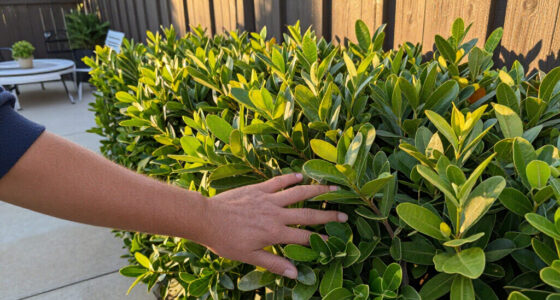
Native desert plants show subtle signs before they’re on deaths doorstep. Look for wilting leaves, especially midday, or yellowing foliage. Leaf drop can also signal a need for water, but beware—these signs can also mean overwatering.
For example, a yucca might droop slightly during a heatwave, but if its leaves turn yellow and soft, it’s likely thirsty. Conversely, overly moist soil might cause the same plant to develop root rot, so don’t water just because it looks a little tired.
Understanding these signs is crucial because misinterpreting them can lead to detrimental decisions. For instance, watering a plant showing leaf drop due to overwatering can exacerbate root rot, while ignoring signs of drought stress can lead to decline. Soil checks—feeling the moisture at a 2-3 inch depth—are equally important, providing a more objective measure that complements visual cues.
- Wilting or drooping leaves
- Yellowing or browning tips
- Leaf drop outside of normal seasonal change
- Soil feels dry at a depth of 2-3 inches

SONGZIMING 15 Pcs Succulent Plant Tools Set
- Material Composition: Plastic, wood, iron, rubber, stainless steel
- Tools Included: 15 assorted gardening tools
- Versatile Tool Set: Includes shovels, spray bottle, tweezers, and more
As an affiliate, we earn on qualifying purchases.
As an affiliate, we earn on qualifying purchases.
When and How Often to Water Your Desert Natives
Established natives usually don’t need water every week. Instead, aim for deep, infrequent soakings—about once a month during peak drought, or when signs of stress appear. This approach encourages roots to grow deep, seeking moisture underground, which increases drought resilience and stabilizes the plant in challenging conditions.
For example, a desert lavender planted two years ago might only need a thorough drink in summer if the soil feels dry 3 inches down. If you water too frequently, shallow roots develop, making plants more vulnerable to drought and less stable in wind or heat. Using a soaker hose or drip system ensures slow, even moisture delivery, which is critical for deep root development. Quick, surface watering might seem easier but often leads to shallow roots and increased vulnerability.
Here’s a simple guide to watering frequency:
| Scenario | Frequency | Method |
|---|---|---|
| First 1-2 years after planting | Weekly or biweekly, depending on rain | Gentle watering at base |
| Establish mature plants | Once every 3-4 weeks in drought | Deep soak, avoid surface watering |
| During a long drought | As needed, monitor signs | Deep watering during cool parts of day |
Choosing the right frequency and method is essential because overwatering can harm roots and reduce drought tolerance, while too little water can cause stress and decline. The goal is to find a balance that encourages deep, resilient root systems capable of supporting the plant through dry spells.

14 in. DEEP DRIP Plant Watering Stake (3 Pack) (Black) | UV-Protected ABS Plastic Deep Root Irrigation Spike for Yard Plants, Shrubs, Vines
- Length: 14-inch deep watering stake
- Material: UV-protected ABS plastic
- Application: For yard plants, shrubs, vines
As an affiliate, we earn on qualifying purchases.
As an affiliate, we earn on qualifying purchases.
Why Overwatering Kills Desert Natives Just as Fast as Drought
Many gardeners don’t realize that too much water can drown your desert natives. Roots need oxygen to breathe, and waterlogged soil creates an oxygen-deprived environment that leads to root rot, fungal infections, and ultimately plant death. This is especially true because native plants are adapted to well-draining soils; when they sit in water, their roots cannot function properly, impairing nutrient uptake and weakening the plant’s overall health.
Take a prickly pear cactus—overwatering can cause it to soften, turn brown, and eventually rot from the inside out. Conversely, a drought-stressed plant shows signs like wilting but might bounce back with a deep drink. Recognizing this difference is crucial because it influences your watering strategy—overwatering can be just as deadly as drought if you don’t pay attention to soil drainage and plant response.
Understanding the tradeoff is vital: watering enough to prevent drought stress while avoiding excess that suffocates roots. Soil that drains well and contains organic matter enhances oxygen flow, reducing the risk of water-related damage. The key is to monitor soil moisture levels carefully and adjust watering accordingly, ensuring roots get enough oxygen while plants stay hydrated.
“Most native plants are adapted to dry soil; they’re not used to sitting in water. Overwatering is one of the biggest killers in desert landscaping.” — Gardener AZ
Follow the rule: if the soil is still wet after a week, hold off. Let the soil dry out completely before watering again. This balance prevents both drought stress and root suffocation, promoting long-term plant health and resilience.

Miracle-Gro Organic Indoor Potting Mix, 16 qt.
- Moisture Regulation: Helps prevent over and under watering
- Organic Composition: Made with responsibly sourced sphagnum peat, coir, and natural fertilizer
- Indoor Use: Suitable for houseplants, herbs, and seed starting
As an affiliate, we earn on qualifying purchases.
As an affiliate, we earn on qualifying purchases.
Best Techniques for Watering Desert Plants Without Overdoing It
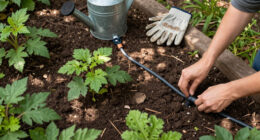
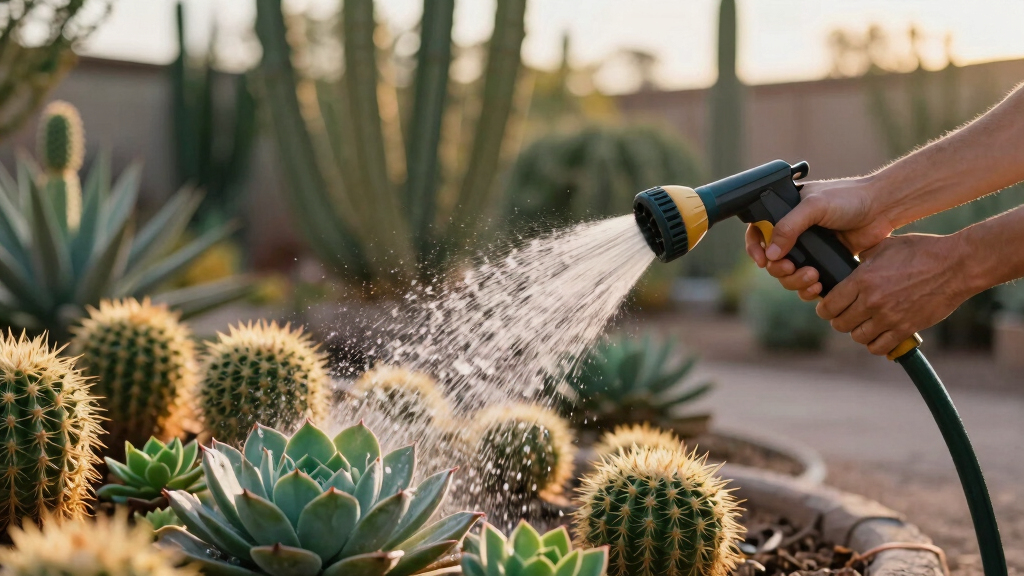
Smart watering means delivering just enough moisture, not drowning your plants. Use drip irrigation or a soaker hose for slow, deep watering that mimics natural rainfall, encouraging roots to grow downward and increasing drought resilience. Attaching a soil moisture sensor or manually checking with a trowel helps ensure you’re not over- or underwatering, providing feedback to fine-tune your watering routine.
Imagine a small drip system gently feeding water into each plant’s root zone—this approach minimizes waste, reduces evaporation, and promotes healthy root growth. During heatwaves, a quick top-up can prevent stress, but it’s vital to avoid watering during the hottest part of the day—early morning or late evening is best to maximize absorption and minimize evaporation.
Practical tips include:
- Use drip or soaker hoses for slow, consistent watering
- Check soil moisture before watering to prevent overwatering
- Water early in the morning or late in the evening to reduce evaporation
- Avoid surface watering during extreme heat to prevent runoff and water loss
For example, a homeowner set up a drip system that waters each plant for 20 minutes every three weeks. The plants stayed lush and healthy even during a 45-day drought because the watering was targeted and deep enough to promote resilient roots without causing waterlogging.
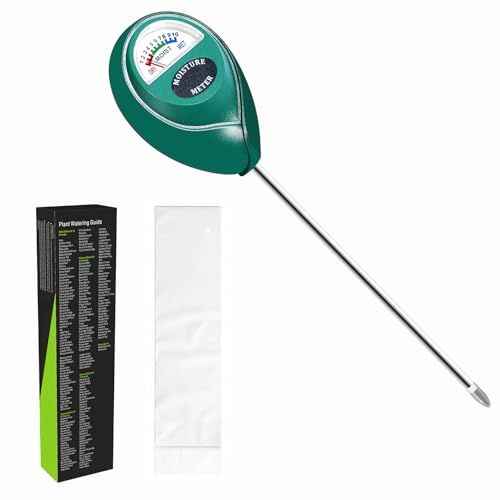
XLUX Plant Soil Moisture Meter, for Indoor and Outdoor use, Battery-Free
- Trusted Since 2015: Reliable and accurate soil moisture readings
- Battery-Free Design: No batteries or charging required
- Deep Root Zone Measurement: Probes soil at root level for accuracy
As an affiliate, we earn on qualifying purchases.
As an affiliate, we earn on qualifying purchases.
Adjusting Your Watering Routine Through the Seasons
Desert plants need less water in cooler months but still require some during winter droughts. During fall and winter, reduce watering frequency to every 4-6 weeks. This prevents unnecessary moisture that could lead to root diseases or encourage unwanted growth. When spring arrives and temperatures climb, gradually increase watering to support new growth and blooming.
For example, a desert marigold might get a deep soak in March to support spring blooms, but in December, watering is minimal unless the soil is bone dry. Monitoring soil moisture and weather forecasts helps you fine-tune your routine. Using mulch can also help retain soil moisture, reducing the need for frequent watering and protecting roots during cold or dry periods.
Remember: mimicking nature’s irregular, unpredictable rain showers—occasional, deep, and sparse—is the goal. This strategy encourages resilient, drought-tolerant plants that can withstand seasonal fluctuations without overreliance on supplemental watering.
- Reduce watering in cooler months to prevent overhydration
- Monitor soil moisture regularly for signs of dryness
- Adjust watering based on recent rainfall and weather patterns
- Apply mulch to conserve moisture and regulate soil temperature
Frequently Asked Questions
How do I know if my desert native plant needs water?
Look for wilting, yellowing, or leaf drop. Check the soil—if it’s dry 2-3 inches down, it’s time to water. Be cautious—overwatering causes root rot, so learn to read your plant’s signs carefully.
How often should I water my established desert plants?
Generally, once every 3-4 weeks during drought conditions. In cooler months, cut back to every 4-6 weeks. Always check soil moisture first—if it’s still damp, hold off.
What’s the best way to water desert natives without overdoing it?
Use drip irrigation or a soaker hose for slow, deep watering. Water early in the day or late evening. Check soil moisture before watering, and avoid surface watering during extreme heat.
Can I water my native plants during the hottest part of the day?
It’s best to avoid watering during peak heat—early morning or late evening reduces evaporation and helps water reach roots effectively.
What signs show my plant is overwatered or underwatered?
Wilting, yellowing, or soft leaves often signal underwatering. Mushy, brown roots or a foul smell indicate overwatering. Learn to distinguish these cues to keep your natives thriving.
Conclusion
Your native desert plants are tough, but they’re not invincible. A little water during extreme droughts or early in their life helps them stay resilient and vibrant. Remember, it’s all about balance—deep, infrequent, and mindful watering.
Next time the sky stays clear for weeks, give your natives a drink. They’ll thank you with hardy, drought-smart beauty that lasts season after season.
Grilling season Picks
grills
As an affiliate, we earn on qualifying purchases.