
TL;DR

Get garden gear delivered free with Prime
- Fast, free delivery on millions of items
- Prime Video, Amazon Music and more included
- Member-only deals all year
A combination of tall, sturdy fencing with a buried apron, habitat tweaks, and possibly electric deterrents keeps javelina out. Persistence and adaptation are key since they’re smart, adaptable critters.
If javelina are tearing through your garden, you’re not alone. These pig-like animals are clever, persistent, and tough to keep out. But don’t worry—there are real, actionable ways to keep them from turning your yard into their buffet.
This guide cuts through the noise to give you practical fencing tips and habitat tweaks that work in desert conditions. No gimmicks—just solid advice from someone who’s dealt with javelina firsthand.
A fence at least 5 feet tall, made of smooth, sturdy material, with a buried apron, is your best defense.
Adding electric wires and motion-activated deterrents enhances effectiveness without obstructing your view.
Remove attractants and trim vegetation around fences to make your yard less appealing to javelina.
Habitat management and fencing must work together—don’t rely on just one tactic.
Expect javelina to learn and adapt—regularly update your deterrents and fencing approach.
How to Keep Javelina Out of Your Garden
The barrier that works is not just taller—it is layered. Pair a sturdy five-foot fence with a buried apron, an outward-facing top, fewer food attractants, and deterrents that change as javelina adapt.
Low barriers are routinely cleared.
Taller, smooth surfaces work best.
Extend outward another 12 inches.
Height, base, habitat, surprise.
Choose a barrier built for pressure, digging and persistence
Javelina often beat a fence by pushing, leaning or digging—not simply by jumping. Smooth, rigid materials and a protected base matter as much as height.
| Fence system | Height | Core material | Dig defense | Best use |
|---|---|---|---|---|
| ✓Welded wire | 5–6 feet | Rigid, smooth mesh | Buried apron | Best all-around physical barrier |
| ✓Hardware cloth | 4–5 feet | Fine, strong mesh | Buried apron | Garden beds and vulnerable gaps |
| ~Wood or chain-link | 5+ feet | Reinforced panels | Apron plus gap repair | Existing perimeter upgrades |
| +Electric strands | Variable | High-tensile wire | Physical base still advised | Supplement to a solid fence |
The four-layer fence javelina struggle to defeat
Each component blocks a different behavior. Used together, they turn a tempting shortcut into an exhausting, uncertain route.
Stand it tall
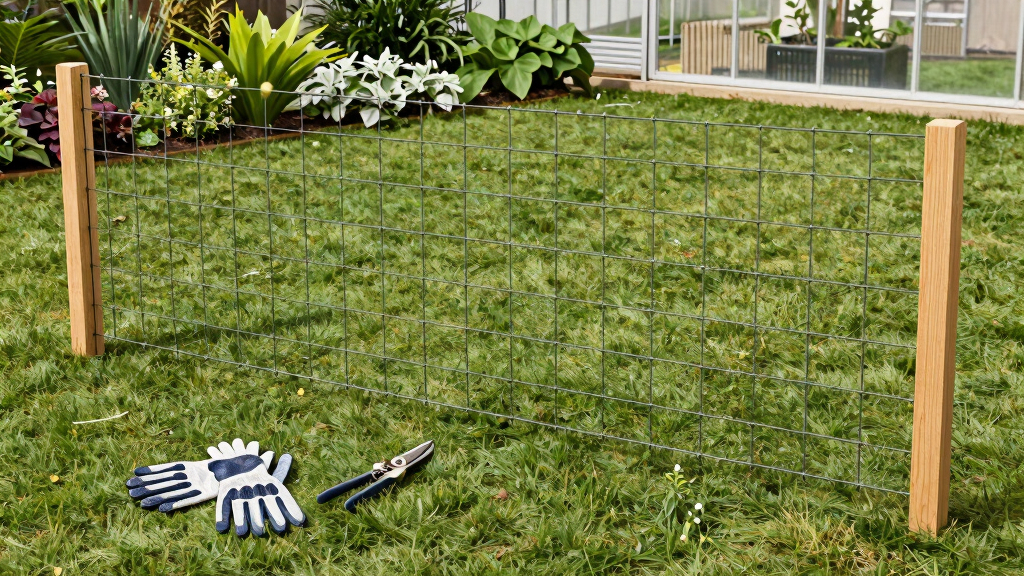
Install welded wire or hardware cloth at least five feet high to reduce jumping and climbing opportunities.
Lock the base
Bury 12 inches of mesh, then extend it outward about 12 inches so digging meets a second barrier.
Angle the top
Add an outward-facing overhang to prevent leaning, gripping and gaining leverage near the upper edge.
Add surprise
Use maintained electric strands, motion lights or sound as a changing supplementary deterrent.
A solid barrier does the heavy lifting
These bars show practical relative strength when each tactic is used consistently. Supplemental tools perform best when attached to a well-built physical defense.
Close the buffet before guarding the door
Once javelina remember a dependable food source, they may keep testing the perimeter. Make the property less rewarding so the fence has less pressure to withstand.
Remove the reward
Pick up fallen fruit daily. Bring pet food indoors. Seal compost and rubbish in sturdy containers. Protect especially lush or edible plants.
Clear their cover
Trim shrubs, grass and dense growth beside the fence. Open sightlines reduce hiding places and reveal disturbed soil or new access attempts.
Keep deterrents fresh
Relocate motion lights, alternate noise patterns and reapply approved humane repellents as directed. Predictable signals can lose their effect.
Why the layered strategy works
A durable result comes from changing both access and motivation. Each link supports the next—and a weak link can invite another test.
Build once. Inspect often. Adjust early.
Javelina are intelligent and adaptable. Walk the perimeter after sightings, storms or soil disturbance, and reinforce the first sign of pressure before it becomes a regular route.
Account for slopes and low points.
Leave no loose mesh or soft gap.
Pressure concentrates at transitions.
Verify fence height and electrification codes.
Vegetation and faults reduce performance.
Move, rotate or upgrade the signal.
Why Javelina Keep Coming Back—and How to Make Them Turn Elsewhere
Javelina are driven by food. Once they find a source—fallen fruit, pet food, or lush plants—they remember it. They have a strong sense of smell and can cover large areas at night, seeking out their favorite snacks.
To change their mind, you need to cut off their access and remove temptations. Think of your garden as a buffet—if it’s closed or less appealing, they’ll go elsewhere.
Start by removing attractants and trimming nearby vegetation. Keep your compost sealed and pick up fallen fruit daily. This reduces their incentive to linger or return.
Habitat management is crucial because it directly influences javelina behavior. If their environment remains inviting—ample cover, easy access to food—they’ll keep returning. Removing these attractants forces them to seek food elsewhere, making your fencing efforts more effective. Essentially, reducing their comfort zone limits their motivation to challenge barriers, but it’s a continuous process that requires consistency.
As an affiliate, we earn on qualifying purchases.
The Best Fences to Keep Javelina Out—What Works and What Doesn’t
| Fence Type | Height | Material | Additional Features |
|---|---|---|---|
| Wooden or chain-link | 5+ feet | Sturdy, smooth | Buried apron, angled top |
| Welded wire or hardware cloth | 4-5 feet | Mesh, smooth surface | Buried apron, overhang |
| Electric fencing | Variable | High-tensile wire | Multiple strands, motion sensors |
Here’s the deal: javelina can jump fences around 3 feet, but they often clear 4 feet with ease. The most reliable fences are at least 5 feet tall, made of smooth, sturdy material, with a buried apron to stop digging. Combining physical barriers with electric wires boosts success.
Choosing the right fence involves understanding their capabilities and limitations. While taller fences are more effective, they also come with higher costs and visual impact. Smooth surfaces prevent grip points that javelina can use to climb, and a buried apron addresses their ability to dig underneath. Electric fencing adds an extra layer of deterrence but requires ongoing maintenance. Each option has tradeoffs: taller fences can be more obtrusive, and electric systems need power sources and regular checks. Balancing these factors helps you design a practical, effective barrier tailored to your landscape and budget.
As an affiliate, we earn on qualifying purchases.
How to Build a Fence That Javelina Can’t Bust or Dig Under
- Choose a sturdy, smooth material like welded wire or hardware cloth at least 5 feet tall. This height reduces the chance of jumping over and makes climbing difficult.
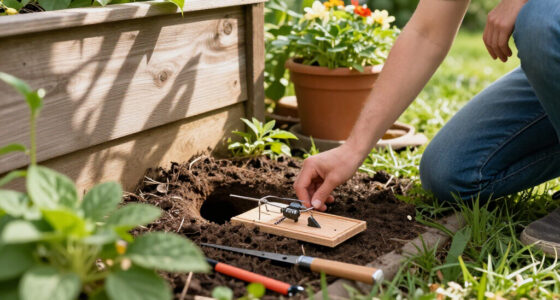
- Bury a 12-inch apron of wire or hardware cloth around the fence perimeter, extending outward about 12 inches. This acts as a barrier to digging, forcing javelina to choose between digging or abandoning the attempt.
- Install an outward-angled top or overhang to prevent climbing and leaning. This feature complicates their ability to gain footholds or grip, discouraging climbing attempts.
- Optionally, add one or two strands of electrified wire at different heights for extra deterrence. Properly installed electric wires can deliver a mild shock, discouraging contact without harming the animal.
Imagine a fence that looks plain but is built like a fortress—smooth, tall, with a buried barrier and an angled top. This combination exploits javelina’s limitations—height, climbing ability, and digging skills—making it a formidable obstacle that they’re unlikely to overcome. The key is integrating these elements thoughtfully, understanding that each adds a layer of security and discourages persistence.
As an affiliate, we earn on qualifying purchases.
Additional Tips for Deterring Javelina Beyond the Fence
- Remove all food sources—put pet food, compost, and fallen fruit in sealed bins. This deprives javelina of easy meals, reducing their incentive to approach.
- Trim back shrubs and tall grass near fences to eliminate cover. Open, clear spaces make it harder for javelina to hide and plan their next move, increasing their risk of detection and discouraging entry.
- Use motion-activated noise or light devices—these can startle javelina and scare them off. The unpredictability of these deterrents is effective because javelina are cautious animals that rely on their senses to detect danger.
- Consider using humane repellents based on scent or taste, applied carefully following label instructions and protective gear. While not foolproof, they can supplement physical barriers, especially when combined with habitat management. Their effectiveness depends on consistent application and understanding that they may lose potency over time, requiring regular reapplication.
Think of your yard as a no-fly zone for javelina—less inviting, less accessible, and less likely to attract them. Combining habitat management with physical barriers creates a layered defense, which is more effective than relying on a single method alone. Persistence and a proactive approach are key to long-term success.
As an affiliate, we earn on qualifying purchases.
New Tech and Tricks: Modern Ways to Keep Javelina at Bay
Technology is catching up with wildlife problems. Electric fencing is more reliable than ever, with high-tensile wires and multiple strands. Some systems include motion sensors that activate lights or loud noises, startling javelina before they get close.
According to Gardener AZ, these smart deterrents can be a game-changer, especially when combined with solid physical barriers. Just keep in mind—they need regular maintenance and occasional adjustments.
What You Should Know Before Fencing Off Your Garden
Fencing is a big step—cost, effort, and the look of your yard matter. A fence taller than 5 feet with a buried apron offers the best shot at keeping javelina out, but it’s not a guarantee.
Remember, javelina are adaptable. They might try digging under or climbing over, so be ready to tweak your approach. Consistently updating your strategies increases your chances of success, as javelina are intelligent enough to learn and test new ways around barriers.
Always check local regulations on fencing height and electrification—some areas have rules you need to follow. Failing to comply can result in fines or legal issues, so understanding and adhering to local ordinances is an essential part of planning your wildlife deterrent system.
Javelina Are Smarter Than You Think—Adjust Your Strategy Over Time
Javelina learn fast and can become habituated to deterrents. If your fence or tactics stop working, don’t get discouraged. Switch up your methods—add height, change deterrents, or improve habitat management. The ability to adapt is what makes them resilient, so your approach must evolve as well.
Think of it as a game of cat and mouse. The more unpredictable you are, the less likely they’ll keep coming back. Regularly reassessing your strategies, trying new deterrents, and maintaining habitat management create a dynamic defense that javelina find difficult to overcome.
Stay vigilant, and don’t be afraid to get creative—sometimes a simple scare tactic or a different fence style makes all the difference. Persistence and flexibility are your best tools for long-term success.
Frequently Asked Questions
What is the most reliable fence height for javelina?
A fence at least 5 feet tall, made of smooth, sturdy material, with a buried apron, gives you the best chance of keeping javelina out. Anything lower is easier for them to jump or climb.Can I just use electric fencing alone?
Electric fencing works well but is most effective when combined with physical barriers like tall, smooth fences and buried aprons. Proper installation and maintenance are key.How do I stop javelina from digging under my fence?
Burying a 12-inch apron of wire or hardware cloth around the fence base prevents digging. Make sure it extends outward and is secured to the ground.Are humane repellents effective for javelina?
Yes, repellents based on scent or taste can work when used properly. Apply them following label instructions and wear protective gear to avoid contact with skin or eyes.What’s the best way to handle javelina that are already in my yard?
Remove attractants, reinforce and repair fencing, and consider consulting wildlife agencies for humane removal options. Patience and persistence help in the long run.Conclusion
Keeping javelina out isn’t a one-and-done job. It takes a sturdy fence, habitat tweaks, and a dash of creativity. Think of your garden as a fortress—tough, smart, and less tempting than before.
Remember: a little persistence goes a long way. Your yard can be peaceful again—just stay vigilant and adapt as needed. The desert’s wild neighbors might be clever, but you’re smarter.
Fall yard work Picks
leaf blowers
As an affiliate, we earn on qualifying purchases.