
TL;DR

Get garden gear delivered free with Prime
- Fast, free delivery on millions of items
- Prime Video, Amazon Music and more included
- Member-only deals all year
Roof rats are agile, nocturnal pests that climb citrus trees for fruit and shelter. Combining habitat modification, physical barriers, and traps offers the best defense—especially when done proactively before the fruit ripens.
If you’ve got citrus trees in your desert yard, you know the joy of bright oranges and lemons. But so do roof rats—nocturnal, nimble rodents that see your fruit as a buffet and your canopy as a cozy nest. Their ability to climb, jump, and hide in dense foliage makes them a persistent threat. This guide lays out simple, effective ways to keep them out—so your citrus stays healthy and rat-free.
You’ll learn how to spot their signs, block their paths, and use traps wisely—all tailored for desert gardens where heat and shelter create perfect rat havens. Protect your trees, and enjoy your fruit without unwanted visitors.
Regular pruning and clearing debris cut down hiding spots and food sources for roof rats.
Chew-proof tree guards and trunk wraps are the most effective physical barriers against climbing rats.
Early, consistent habitat management and trapping reduce rat populations faster and safer than chemical methods.
Encouraging natural predators like owls can help maintain a balanced, rat-resistant yard.
Start deterrent efforts before fruit ripens—timing is key to avoiding infestation.
Desert garden field guide
Keeping Roof Rats Out of Citrus Trees
Roof rats are agile, nocturnal climbers that treat ripe citrus as food and dense canopies as shelter. The strongest defense combines a cleaner habitat, well-fitted barriers, and carefully placed traps—started before the fruit ripens.
Read the evidence before damage spreads
Roof rats hide well during daylight, so the tree often reveals the infestation first. Check fruit, branches, soil, and the canopy—not just the trunk.
Fresh gnaw marks
Look for small tooth grooves, hollowed citrus, or partly eaten fruit still hanging in the canopy.
Droppings and tracks
Dark, grain-like droppings and tiny footprints in soft soil can reveal routes beneath the tree.
Canopy scratching
Rustling or scratching after dark may indicate feeding, climbing, or nesting above eye level.
Bark and branch damage
Chewed bark, clipped twigs, and damaged foliage suggest repeated access rather than one lost fruit.
Why one damaged lemon matters
A single gnawed fruit may be the first visible sign of a larger nocturnal population. Acting immediately limits crop loss, nesting, disease exposure, and the need for harsher control later.
Three moves to make today
Each action removes an advantage rats rely on: cover, access, or food. Used together, they form the foundation of integrated pest management.
Prune and thin
Open dense foliage so rats have fewer places to hide or nest. An airy canopy also improves visibility and tree health.
- Remove crowded interior growth
- Trim branches near roofs and fences
- Maintain open ground below the canopy
Guard the trunk
Fit a durable, chew-resistant metal guard or trunk wrap. Secure it closely and inspect it as the tree grows.
- Prefer metal over chewable plastic
- Close gaps and overlap seams
- Check for alternate jumping routes
Clean the ground
Collect fallen citrus, leaves, weeds, and clutter consistently. This removes easy meals and nesting material.
- Pick up fallen fruit each week
- Clear brush and stored materials
- Harvest ripe citrus promptly
Direct protection beats wishful deterrence
Physical barriers provide the clearest, most dependable result. Sound devices and natural repellents may supplement a plan, but evidence for reliable outdoor performance remains limited.
| Barrier type | How it works | Advantages | Tradeoffs |
|---|---|---|---|
| Chew-proof tree guard | Metal or durable material wraps the trunk to interrupt climbing and gnawing. | ✓Highly effective, reusable, and long-lasting. | ~Requires correct sizing, installation, and periodic adjustment. |
| Wire-mesh fencing | Mesh protects the lower trunk and can limit burrowing around the root zone. | ✓Useful for roots, bark, and lower-trunk protection. | ~May need reinforcement and can affect the garden’s appearance. |
| Ultrasonic device | Emits high-frequency sound intended to disturb nearby rodents. | ~Quick to deploy and does not touch the tree. | ✗Outdoor effectiveness is inconsistent and evidence remains limited. |
| Peppermint or natural repellent | Uses strong scents intended to make the area less appealing. | ~Non-toxic when used appropriately and easy to try. | ✗Short-lived, weather-sensitive, and unlikely to solve an infestation alone. |
Best overall choice: a properly fitted chew-proof guard, paired with pruning and sanitation.
Reset the habitat
Prune dense growth, clear clutter, inspect adjacent fences, and install trunk barriers.
Watch for routes
Check guards, look for tracks, and remove branches within jumping distance of structures.
Increase vigilance
Harvest promptly, remove fallen fruit, and deploy traps along confirmed travel paths.
Maintain pressure
Continue cleanup and monitoring so surviving rats do not establish nearby nests.
Trap safely, then strengthen the ecosystem
Snap traps and humane traps are the leading non-chemical tools. Place them where rats already travel, inspect them frequently, and keep every device inaccessible to children, pets, and wildlife.
Practical reliability by method
Relative field utility when each method is correctly applied as part of a combined prevention plan.
How to Spot Roof Rats in Your Citrus Trees (And Why It Matters)
Roof rats are masters of disguise, especially at night. They leave tiny gnaw marks on fruit and branches, and droppings resembling tiny black grains. If you hear scratching in the canopy or see damaged fruit, chances are high they’re climbing your trees.
Early detection matters because the longer rats remain undetected, the more damage they can inflict, including gnawed fruit, damaged branches, and potential disease transmission. Recognizing signs early allows you to implement control measures before populations explode, minimizing damage and reducing the need for harsher interventions later. For instance, a single gnawed lemon might seem minor, but if left unchecked, it can indicate a significant rat presence that could threaten your entire crop.
For example, last summer a gardener in Phoenix noticed gnawed lemons and tiny footprints in the soil beneath her trees. She set traps immediately, preventing a full-blown problem.
As an affiliate, we earn on qualifying purchases.
3 Simple Ways to Make Your Citrus Trees Rat-Proof Today
- Prune and Thin Out Dense Foliage: Keeping your trees airy isn’t just about aesthetics; it reduces hiding spots and makes it harder for rats to approach the fruit unnoticed. Dense foliage provides cover for rats to move stealthily and nest, increasing the likelihood of infestation. Regular pruning exposes these rodents, making detection easier and deterring their presence. Overgrown trees also trap heat and humidity, creating a more inviting environment for pests. Therefore, strategic thinning supports both plant health and pest resistance.
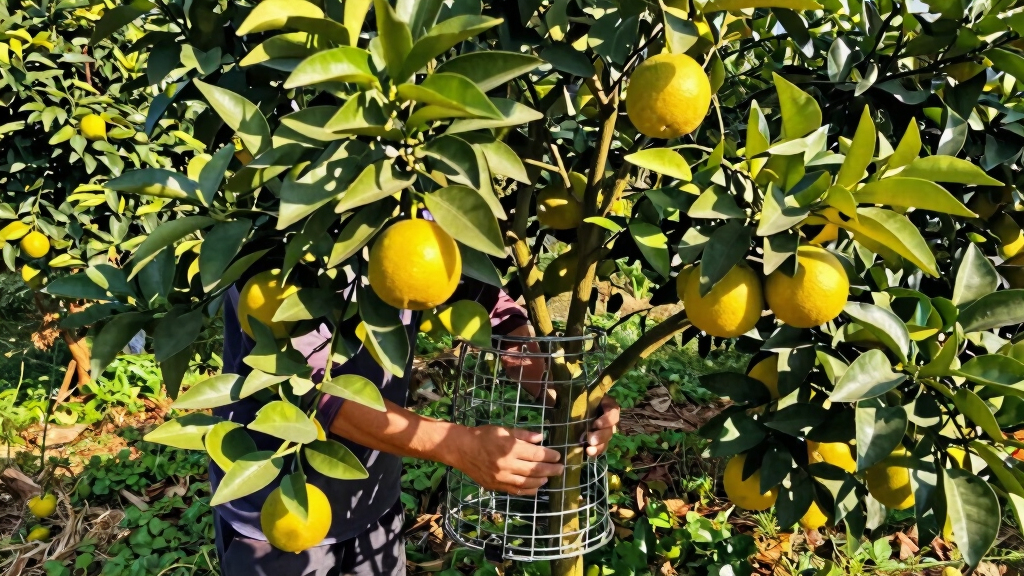
- Install Tree Guards or Trunk Wraps: Chew-proof guards act as physical barriers that prevent rats from climbing or gnawing through the trunk. When choosing materials, consider durability—metal is more resistant to gnawing than plastic—and ensure guards extend several inches below ground to prevent burrowing. Proper installation, including securing the guards tightly and checking periodically, ensures they remain effective. These barriers can significantly reduce the chances of rats reaching the canopy, especially in areas where their activity is high. In desert climates, where rats seek shelter in dense foliage and warm crevices, these guards serve as a frontline defense that complements habitat management.
- Remove Fallen Fruit and Debris: Regularly clearing fallen citrus, leaves, and clutter from around the tree base deprives rats of easy food sources and nesting materials. This simple habit reduces the attractiveness of your yard to rats and discourages them from establishing nearby nests. Additionally, removing debris minimizes hiding spots and prevents the buildup of organic matter that can harbor pests and diseases. Consistent cleanup not only protects your trees but also promotes healthier growth and reduces the likelihood of infestations spreading to other areas.
For example, a homeowner in Tucson wrapped her lemon tree with a metal barrier and cleared fallen fruit weekly. Within a month, rat activity dropped sharply, demonstrating how these straightforward steps can make a significant difference.
chew proof tree trunk wraps for rats
As an affiliate, we earn on qualifying purchases.
As an affiliate, we earn on qualifying purchases.
Comparing Common Rat-Deterring Barriers for Citrus Trees
| Barrier Type | How It Works | Pros | Cons |
|---|---|---|---|
| Chew-Proof Tree Guards | Metal or durable plastic wraps around trunk prevent climbing and gnawing | Highly effective, reusable, long-lasting | Initial cost, installation effort |
| Physical Fencing | Wire mesh around the base to block burrowing and climbing | Good for protecting roots and lower trunk | May need reinforcement, can be unsightly |
| Ultrasonic Devices | Sends high-frequency sounds that disturb rats | Non-invasive, no physical barriers needed | Limited evidence of effectiveness, varies by environment |
Choosing the right barrier depends on your yard, budget, and how persistent your rats are. Chew-proof guards are the gold standard—especially in desert climates where animals seek shelter in dense foliage. Consider the tradeoffs: physical barriers like guards and fencing offer direct, proven results but require installation and maintenance, while ultrasonic devices are easier to deploy but less reliable in outdoor settings with ambient noise and environmental factors. Balancing effectiveness, cost, and ease of use will help you develop a tailored approach that best fits your garden’s needs.
As an affiliate, we earn on qualifying purchases.
Traps and Baits That Actually Reduce Rat Numbers—Without Risks
Traps are your best non-chemical option. Place snap traps or humane catch-and-release traps at the base of the tree or along suspected pathways—such as fence lines or nearby structures—where rats are likely to travel. Use baits like peanut butter or dried fruit to lure rats—place traps in shaded, quiet spots. Proper placement ensures higher catch rates and reduces the time rats have to evade capture. Be sure to check traps frequently to prevent stress or suffering for captured animals and to reset as needed.
When using bait stations, consider the safety of children and pets. Secure baits behind locked boxes or in stations that only rodents can access. This minimizes accidental ingestion and protects your family and wildlife. Regularly inspecting and maintaining traps and bait stations ensures ongoing effectiveness and reduces the risk of unintended harm. Humane traps not only help reduce rat populations but also align with environmentally conscious pest management practices, especially in sensitive desert ecosystems where chemicals might pose risks to non-target species.
For example, a gardener in Mesa set humane traps near her citrus trees, checking them daily. Her rat population shrank significantly within a few weeks, and she avoided using poisons near her vegetable garden, promoting a safer, more sustainable approach.
natural predator owl decoys for pest control
As an affiliate, we earn on qualifying purchases.
As an affiliate, we earn on qualifying purchases.
Encouraging Natural Predators and Eco-Friendly Deterrents
Encouraging owls, hawks, or snakes can help keep rats in check naturally. Install nesting boxes for owls or keep the yard open and free of clutter to attract these predators. A healthy ecosystem with natural predators reduces reliance on traps and barriers, creating a balanced environment that discourages rats from establishing permanent nests.
Some gardeners swear by peppermint oil or natural repellents, but scientific evidence on their effectiveness remains inconclusive. While these methods may provide some deterrence, they rarely eliminate the problem alone. Ultrasonic devices are also popular, yet their results vary widely depending on environmental conditions and placement. Combining multiple eco-friendly methods—such as habitat modification, encouraging predators, and using repellents—provides a more holistic and sustainable approach to pest control.
For instance, a homeowner in Buckeye reported a noticeable drop in rat activity after installing owl boxes and keeping her yard tidy—no chemicals needed. This integrated approach fosters a resilient garden ecosystem that naturally discourages pests.
Timing Is Everything: When to Start Rat Prevention in Your Citrus Garden
Start your rat prevention efforts before your citrus trees bear fruit, ideally in early spring. During late summer and fall, when fruit ripens, rat activity peaks because their food sources are abundant, and nesting sites become more attractive. Acting early, before these periods, helps establish barriers and habitat modifications that can prevent rats from colonizing your trees during the critical ripening months.
If you notice signs of activity now, don’t wait—immediate action can prevent a small problem from escalating. Regular inspections, combined with early deterrent measures, can disrupt rat activity cycles and reduce the likelihood of infestation. Proactive measures include pruning, installing guards, and removing debris, which collectively create an environment less inviting to rats. This timing strategy maximizes your efforts’ effectiveness and minimizes damage during the most vulnerable periods of your citrus crop.
For example, a gardener in Phoenix began pruning and installing guards in early spring, effectively preventing a problem before the fruit even ripened, demonstrating the importance of timing in pest management.
Frequently Asked Questions
How can I tell if rats are in my citrus trees?
Look for gnaw marks on branches or fruit, tiny droppings, footprints in the soil, or sounds of scratching within the canopy at night. Damaged fruit or chewed leaves are telltale signs.
What’s the safest way to keep rats away without harming my family or pets?
Use physical barriers like tree guards, remove fallen fruit regularly, and set traps in places out of reach of children and pets. Avoid poisons unless you follow strict safety precautions and local regulations.
Do natural repellents like peppermint oil really work?
Scientific evidence is limited. Some gardeners report success, but results vary. It’s best to combine repellents with physical barriers and habitat management for reliable results.
When should I start working on rat prevention?
Begin before your citrus trees fruit heavily, typically in early spring or early summer. Staying ahead of their activity cycle helps prevent infestations from taking hold.
Can I use poison baits around my citrus trees?
Use caution. Baits can be effective but dangerous for children, pets, and wildlife. Always follow local regulations and place baits in secured stations away from non-target animals.
Conclusion
Protecting your citrus trees from roof rats boils down to simple, consistent habits. Prune, barrier, trap, and keep the environment less inviting. Over time, these efforts create a fortress your rats can’t breach—so you can enjoy juicy, pest-free fruit.
Think of it as building a moat around your orchard—small, steady defenses that keep the trouble out. Your citrus will thank you for it.
Halloween Picks
halloween
As an affiliate, we earn on qualifying purchases.