TL;DR
Joe Lycett has shared images of a garden transformation featuring what experts identify as sedums, ornamental grasses and other plants suited to dry conditions. Garden specialists say this kind of planting, alongside healthy soil and rainwater collection, can help outdoor spaces cope with hotter, drier periods, though the plants in the images have not been definitively identified.
Comedian and artist Joe Lycett has shared a garden transformation on Instagram featuring plants and grasses he described as able to cope with drought, drawing attention to a practical approach to gardens as hotter, drier spells put more pressure on planting. Gardening experts who reviewed the images said the space appears to include sedums and ornamental grasses, while stressing that a resilient garden involves more than choosing drought-tolerant plants.

Get garden gear delivered free with Prime
- Fast, free delivery on millions of items
- Prime Video, Amazon Music and more included
- Member-only deals all year
In his Instagram update, Lycett described choosing “grasses and stuff that won’t mind a bit of drought,” adding a satirical reference to oil company executives. The post shows changes to a garden that, according to expert Ashleigh Bradshaw of Hayter, had previously included mostly bare, disturbed soil. Bradshaw said the new borders along the fence and their edging were sensible first steps.
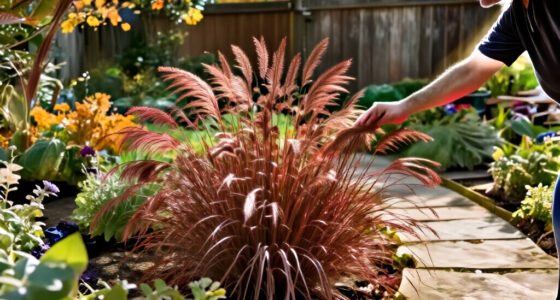
Bradshaw said the images appear to show a mixture of sedums and ornamental grasses. She noted that sedums store water in their fleshy leaves, while many ornamental grasses develop extensive root systems. She also pointed to what appeared to be silvery foliage, which can reflect sunlight and help plants retain moisture. These are visual assessments from photographs, not a confirmed planting list from Lycett.
The garden retains a central stretch of lawn and includes dahlias, Bradshaw said. She described the lawn as keeping the space usable and providing visual balance, while dahlias add height and colour as slower-growing plants fill out. The available information does not give a full account of the garden’s layout, planting quantities or maintenance plan.
Joe Lycett’s garden and planning for dry spells
Photos of Lycett’s garden show a transformation that experts say may help outdoor spaces cope with hotter, drier periods. The plant identifications are visual assessments, not a confirmed planting list.
What appears in the photos
Garden expert Ashleigh Bradshaw described the planting as a likely mix of drought-tolerant plants.
Sedums
Their fleshy leaves can store water, Bradshaw said.
Ornamental grasses
Many develop extensive roots that can help them cope with dry conditions.
Silvery foliage
Bradshaw said some foliage appears able to reflect sunlight and help plants retain moisture.
From bare soil to borders
The images suggest a first-year change, while the full layout and planting quantities remain unknown.
- Mostly bare, disturbed soil, according to Bradshaw.
- New bordered planting along the fence.
- Central lawn remains, with dahlias adding height and colour.
Build resilience in layers
Experts recommend combining plant choices with changes that help soil and water work better.
Healthy soil can hold moisture more effectively during dry periods.
Match tougher varieties to the garden’s soil and exposure.
Collect rainwater, add shade-giving trees or shrubs, and reduce thirsty lawn areas.
What readers should keep in mind
A dry-garden approach can reduce watering and replacement work once plants are established, but results depend on local conditions.
- Newly planted specimens may need water while their roots establish.
- Drought-tolerant planting is not maintenance-free or a guarantee through every heatwave.
- The exact varieties, costs, watering plan and future performance are not confirmed.
How Drought-Ready Planting Helps
The transformation has drawn attention to a question facing UK gardeners: how to keep outdoor spaces healthy when rainfall is less dependable and periods of heat can stress plants. Drought-tolerant planting can reduce the need for repeated watering once plants are established, and may mean fewer replacements when more delicate varieties struggle. It is not a guarantee that a garden will thrive through every heatwave.
Luke Newnes, a gardening expert at Hillarys, said selecting plants suited to their location can save more work than relying on maintenance shortcuts. He cautioned that a drought-tolerant garden is not completely hands-off: plants still need care, particularly while they establish. The benefit, he said, is that established plants may require less watering and less intervention during extreme weather.
The broader lesson is about resilience rather than a single makeover. Healthy soil, rainwater collection, shade and less thirsty areas of lawn can complement plant choices. That combination may help gardeners manage dry spells while making outdoor spaces easier to maintain, although the right choices depend on each garden’s soil, exposure and available water.
Popular right now

Sony BRAVIA XR8B 65-Inch OLED 4K HDR Smart Google TV (K-65XR8B)

Ninja Foodi DZ201 8-Qt DualZone 6-in-1 Air Fryer

Dyson V15 Detect Cordless Stick Vacuum
As an affiliate, we earn on qualifying purchases.
From Bare Soil to New Borders
The Instagram post documents a garden change that Bradshaw described as a first-year transformation. In her assessment, the earlier images showed largely bare, churned-up soil; the updated space adds bordered planting along a fence while keeping lawn in the middle. She said the drought-tolerant plants could need less attention as they mature, but did not provide a specific timetable for that change.
The post arrives amid discussion of how gardens can adapt to hotter summers. The material accompanying the post refers to the summer of 2026 as having brought extreme heatwaves and says forecasters have discussed the possibility of 2027 being exceptionally hot. No named scientific forecast or supporting data is provided here, so that prediction cannot be independently assessed from the available details. The garden’s planting choices can be discussed on their own without treating a particular future temperature record as certain.
Newnes recommends beginning with soil because healthy soil can hold moisture more effectively during dry periods. He also advises collecting rainwater, adding shade-giving trees and shrubs, reducing thirsty lawn areas and choosing tougher varieties. His point is that small, combined changes, rather than one measure alone, can improve a garden’s ability to cope with changing conditions.
““Grasses and stuff that won’t mind a bit of drought.””
— Joe Lycett, in an Instagram garden update
What the Garden Images Cannot Confirm
The exact plant varieties and quantities are not confirmed. Bradshaw identified likely sedums, ornamental grasses and silvery foliage by looking at photographs, so those descriptions should be treated as expert observations rather than Lycett’s verified planting list. It is also unclear when the work was completed, how much it cost, or what watering and soil preparation the garden required.
The post does not establish how the plants will perform through a future heatwave. Drought tolerance varies by plant and local conditions, and newly planted specimens may need water while their roots become established. The material also does not provide an independently sourced basis for a prediction that summer 2027 could be the hottest on record.
How the Planting May Mature
No further update or follow-up from Lycett is specified. The next practical measure of the transformation will be how the borders develop as the plants establish and how they fare through changing weather. Bradshaw expects slower-growing plants to fill out over time, but no timeline or outcome is confirmed.
For readers considering similar changes, Newnes recommends starting with soil and combining suitable planting with rainwater collection and shade. Any garden plan still needs to fit its own conditions, and drought-tolerant plants may need watering during establishment. The post offers an example, not a tested guarantee of a maintenance-free or heatproof garden.
Key Questions
What plants appear in Joe Lycett’s garden?
Garden expert Ashleigh Bradshaw said the photographs appear to show sedums, ornamental grasses and silvery foliage. The exact varieties have not been confirmed by Lycett.
Why are sedums and ornamental grasses suited to dry gardens?
Bradshaw said sedums store water in fleshy leaves, while many ornamental grasses have extensive root systems that can help them cope with drought. Performance still depends on the plant and garden conditions.
Does drought-tolerant planting mean less garden maintenance?
It may reduce watering and replacement work once plants are established, according to Luke Newnes. He cautioned that a drought-tolerant garden is not completely hands-off, particularly while new plants are taking root.
What else can gardeners do to prepare for dry weather?
Newnes recommends improving soil health, collecting rainwater, adding shade from trees and shrubs, reducing thirsty lawn areas and choosing plants suited to the site.
Source: idealhome.co.uk