TL;DR

Get garden gear delivered free with Prime
- Fast, free delivery on millions of items
- Prime Video, Amazon Music and more included
- Member-only deals all year
Rabbits can damage desert gardens, but using a fence at least 3 feet tall with small mesh and planting native, thorny, or aromatic plants can greatly reduce their impact. Combining physical barriers with strategic plant choices creates a resilient, rabbit-resistant landscape.
Imagine walking out to your desert garden and spotting tiny footprints near your prized succulents. Rabbits are quick, clever, and surprisingly adaptable, especially in arid landscapes where native plants are limited. If you’re tired of seeing your seedlings nibbled down to stubs, it’s time to get serious about barriers and plant choices.
In this guide, you’ll discover how tall your fence should be, what materials work best in desert conditions, and which plants naturally repel these furry invaders. Protecting your garden isn’t about wasting effort — it’s about working smarter and respecting the desert’s delicate balance.
A fence at least 3 feet tall with small mesh keeps most desert rabbits out.
Bury or angle the fence bottom to prevent digging underneath.
Choose native desert plants like agave, yucca, and thorny shrubs for natural deterrence.
Combine physical barriers with natural repellents for best results.
Regular maintenance and strategic plant placement reduce rabbit damage significantly.
Rabbits in the Desert Garden
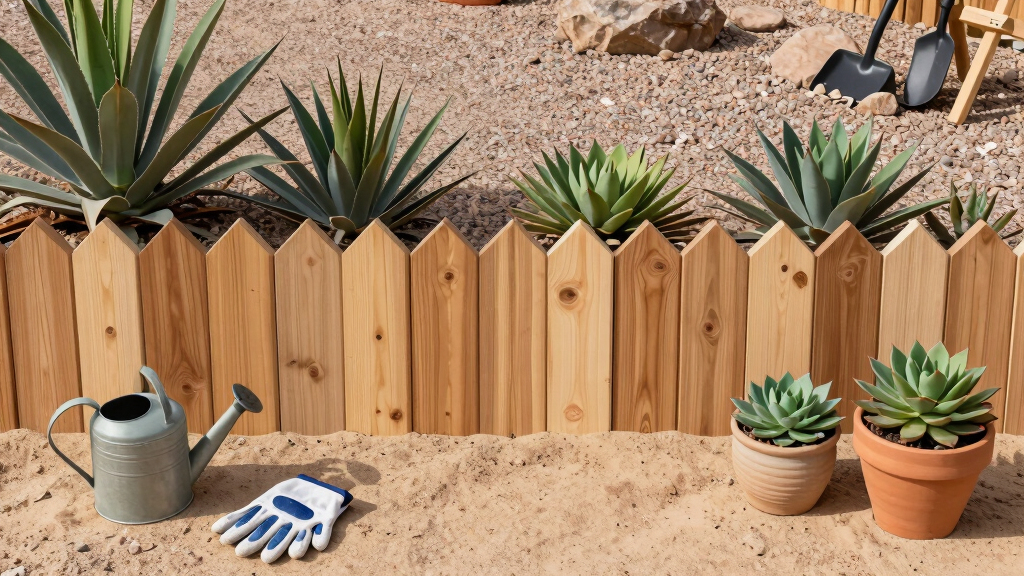
Fence height and plant choice work best as one system. Use a barrier at least 3 feet tall, close its underground gap, and surround vulnerable growth with tough native plants rabbits are less likely to browse.
The minimum practical above-ground height for keeping most desert rabbits away from seedlings and prized ornamentals.
Height stops the hop. Depth stops the dig.
Rabbits exploit short fences, wide openings, loose corners and gaps at soil level. A weather-resistant wire barrier must solve all four weaknesses to remain effective in heat, wind and shifting desert soil.
Fence-height protection scale
Three feet is the practical minimum; an extra 6–12 inches adds security in high-activity areas.
Barrier specification
Use galvanized or similarly weather-resistant hardware cloth suited to desert exposure.
A four-step anti-digging installation
The lowest few inches do the hardest work. Burying the mesh and folding an apron outward creates a route rabbits must dig around rather than simply pass beneath.
Mark the line
Clear debris and identify gates, corners and existing gaps.
Dig the trench
Excavate 6–10 inches along the full protected perimeter.
Fold outward
Angle the buried base at 45 degrees or form a flat wire apron.
Secure and inspect
Stake, backfill and check frequently for disturbed soil.
Build texture, scent and resilience into the border
No plant is completely rabbit-proof, especially when food is scarce. Native, drought-tolerant species with spines, leathery foliage or strong aromas are generally less inviting and require fewer inputs.
Thorny and armored
Use sharp, rigid forms near likely approach routes to make movement and browsing less comfortable.
Architectural natives
Fibrous leaves and sturdy growth create long-lasting structure without depending on frequent watering.
Strongly scented
Aromatic plants may reduce browsing pressure, but work best behind a properly installed fence.
Each defense solves a different weakness
Physical barriers deliver the most consistent exclusion. Resistant planting reduces temptation and exposure, while repellents provide temporary support during establishment or periods of unusually high pressure.
| Feature | Fence barrier | Plant barrier | Repellent support |
|---|---|---|---|
| Main specification | ✓3–4 ft high | ✓Dense, tough border | ~Heat-suitable formula |
| Critical detail | ✓1-inch mesh, buried base | ✓Spines, scent or leathery leaves | ~Reapply consistently |
| Desert durability | ✓Galvanized and weather-resistant | ✓Native and drought-tolerant | ~Variable after heat or rain |
| Relative cost | ~Moderate to high | ~Low to moderate | ~Low, but recurring |
| Best role | ✓Primary exclusion | ✓Living second line | ~Temporary supplement |
The strongest garden uses multiple defenses
Relative effectiveness rises when access, attraction and maintenance are addressed together. The values below are a strategy index based on the supplied guidance, not controlled-trial percentages.
Relative defense strength
A visual comparison of single-layer and integrated approaches.
Monthly field check
Small repairs made early preserve the whole defense system.
From intrusion to resilience
Turn isolated tactics into a connected system that blocks access, reduces temptation and protects the desert ecosystem.
How Tall Should Your Fence Be to Keep Rabbits Out?
Rabbits are surprisingly good jumpers and diggers. The bare minimum fence height that deters most is 3 feet (90 cm). Any shorter, and clever rabbits can hop right over or squeeze through gaps. For extra security, go for 3.5 to 4 feet (105-120 cm).
In the desert, where rabbits often roam freely, a taller fence means fewer headaches. Remember, small mesh — about 1 inch (2.5 cm) — keeps them from slipping through. Bury the bottom 6-10 inches underground or angle it outward to discourage digging underneath. Once, a gardener in Arizona added an outward-angled section and cut rabbit damage by 90%.
rabbit proof garden fence 3 feet tall
As an affiliate, we earn on qualifying purchases.
As an affiliate, we earn on qualifying purchases.
Choosing Plants That Really Put Rabbits Off
Some desert plants are natural rabbit repellents. Think of them as the garden’s version of a no-entry zone. Native cacti, like prickly pear, and succulents like agave and yucca are usually avoided by rabbits because of their thorny, tough textures. Dense, thorny shrubs such as cholla or desert broom also make excellent barriers.
For example, planting a border of thorny desert willow can create a natural barrier that rabbits find unappealing. Aromatic plants like lavender or rosemary may help as well. The key is to select plants that are native, drought-tolerant, and physically tough.
small mesh garden fencing for rabbits
As an affiliate, we earn on qualifying purchases.
As an affiliate, we earn on qualifying purchases.
The Best Fence and Plant Combo for Desert Rabbits
Using fencing alongside strategic plant choices works best. Here’s a quick comparison:
| Feature | Fencing | Plants |
|---|---|---|
| Height | 3-4 feet for reliable protection | Native thorny or aromatic plants |
| Mesh size | 1 inch or smaller | N/A |
| Durability | Galvanized, weather-resistant | Thorny, drought-tolerant native species |
| Cost | Moderate to high | Low to moderate, based on native plant availability |
By combining these elements, you create a layered defense. The fence keeps most rabbits out, while your plants serve as a natural barrier and deterrent for any that slip through. This layered approach is essential because relying solely on one method can leave gaps in protection. For example, a fence might be breached if not properly maintained, but thorny plants can act as an additional safeguard, making your entire landscape less inviting to rabbits and reducing the chances of breaches that could lead to plant damage.
native desert plants for rabbit resistance
As an affiliate, we earn on qualifying purchases.
As an affiliate, we earn on qualifying purchases.
How to Prevent Rabbits from Digging Under Your Fence
- Dig a trench 6-10 inches deep along the fence line.
- Bury the bottom of the fence in this trench, then fold it outward at a 45-degree angle.
- Secure the fence with stakes or concrete to prevent movement.
- Check regularly for signs of digging and reinforce as needed.
One gardener in Tucson laid a 12-inch section of hardware cloth outward, then buried it. This simple step cut rabbit breaches in half. It’s a small effort that pays off big in protecting your plants. Properly preventing digging is crucial because rabbits are adept diggers, capable of burrowing under fences if there’s a gap or weakness. Burying the fence underground or angling it outward creates a physical barrier that rabbits find hard to breach, effectively reducing the chance of infiltration and subsequent plant damage.
As an affiliate, we earn on qualifying purchases.
Are There Natural or Chemical Ways to Deter Rabbits?
Natural repellents like garlic spray or human hair can discourage rabbits, but they require frequent reapplication, especially after rain. Commercial repellents often contain capsaicin or predator scents and can be effective if used consistently.
In desert climates, choose repellents that withstand heat and drought. Always follow label instructions and wear gloves and eye protection when applying chemical repellents. Remember, repellents are best used as a supplement, not a sole solution. Using repellents alone might be insufficient because rabbits can become accustomed to certain scents or tastes, reducing their effectiveness over time. Combining repellents with physical barriers and strategic planting enhances overall protection, creating multiple layers that make your garden less attractive and less accessible to rabbits.
Balancing Environment & Protection: Using Native Plants
Plant native species that naturally resist rabbits while supporting local ecosystems. For example, desert marigold or brittlebush thrive without much water and are less appealing to rabbits.
Growing these natives creates a resilient landscape that’s less tempting and more eco-friendly. Plus, they add vibrant color and scent, making your garden lively and healthy. This approach not only reduces the likelihood of rabbit damage but also promotes biodiversity and sustainability. Native plants are adapted to the local environment, requiring less water and maintenance, which makes them ideal for desert gardens. Their tough textures and natural defenses mean fewer pests and less need for chemical controls, aligning with eco-conscious gardening principles.
Frequently Asked Questions
What is the best fence height to keep rabbits out of my desert garden?
A fence at least 3 feet (90 cm) tall with small mesh (1 inch or less) is most effective. Remember to bury or angle the bottom to prevent digging underneath.
What native plants are resistant to rabbits in desert gardens?
Native cacti, succulents like agave and yucca, and thorny shrubs such as cholla or desert broom tend to be less attractive to rabbits and make great natural barriers.
Can I use repellents in a desert climate effectively?
Yes, natural options like garlic spray or commercial repellents can work, but they need frequent reapplication, especially after rain or high heat. Always follow label instructions and consider them as part of an overall strategy.
How do I keep rabbits from digging under my fence?
Bury the fence 6-10 inches deep and angle it outward at 45 degrees. Regularly check for signs of digging and reinforce as needed to maintain a solid barrier.
Are electric fences safe and practical in desert gardens?
Electric fences can be effective if installed correctly and weatherproofed. They require careful safety measures to avoid shocks to pets or people, but they can add an extra layer of protection in high-rabbit activity areas.
Conclusion
Protecting your desert garden from rabbits isn’t magic — it’s about building a layered defense. Tall, sturdy fences combined with thorny, native plants create a landscape that rabbits find unappealing and hard to breach.
Think of your garden as a desert fortress. When you respect the local wildlife and use practical methods, you’ll enjoy thriving plants and fewer rabbit surprises. Now, go build that barrier and plant with confidence!
Fall Picks
fall essentials
As an affiliate, we earn on qualifying purchases.