TL;DR

Get garden gear delivered free with Prime
- Fast, free delivery on millions of items
- Prime Video, Amazon Music and more included
- Member-only deals all year
Animals chew drip lines mainly because water is scarce, making irrigation components easy to detect and tempting. Combining physical protection, early detection, and habitat management reduces damage and saves water.
When water gets scarce, animals naturally turn to your irrigation system as a reliable water source. The sound of dripping, the scent of moisture, or even just the sight of wet soil nearby can lure wildlife into biting through your drip lines. It’s a common problem during drought, and it can drain your water budget faster than you think.
In this guide, you’ll learn exactly why animals target drip irrigation in dry times, the most common culprits, and simple, practical ways to stop them. No fancy tricks—just straightforward advice you can put into action today to protect your water, your plants, and your sanity.
Most wildlife damage occurs because water leaks and scent attract animals, especially during drought.
Physical protection, like burial and mesh covers, is the most effective long-term defense.
Routine inspections and early leak detection prevent small punctures from becoming costly problems.
Providing a separate water source can divert animals from your irrigation system, but must be used carefully.
Combining habitat management, exclusion, and deterrents offers the best chance to keep wildlife away from drip lines.
Why Animals Chew Drip Lines in Drought—and How to Stop Them
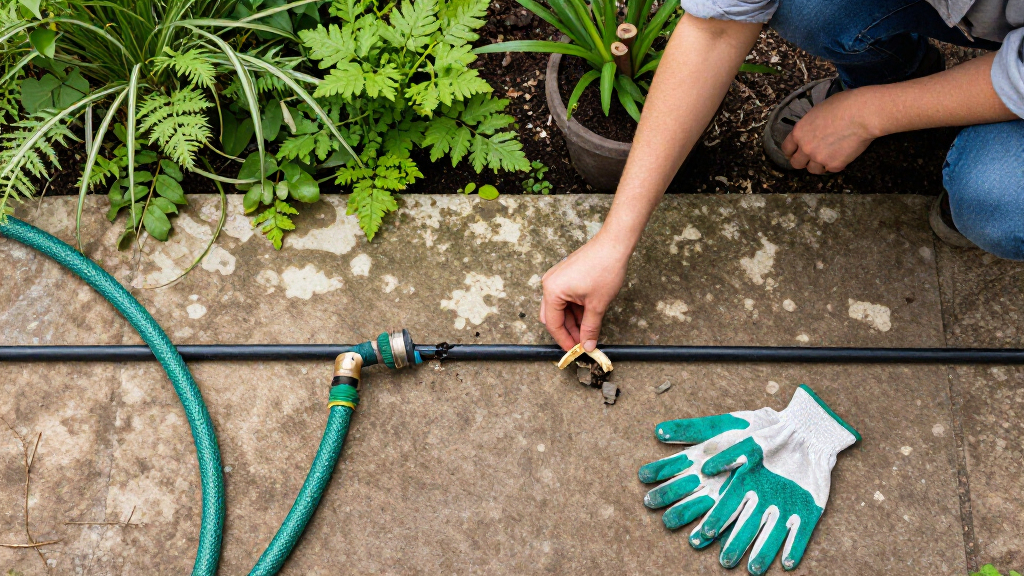
When natural water disappears, irrigation tubing becomes a detectable, dependable source of moisture. Wildlife can hear moving water, smell damp soil, find fertilizer residue, and learn that one bite produces a drink.
Why drought turns tubing into a wildlife magnet
Drought does not necessarily create chewing behavior. It increases the value and visibility of the water an animal can obtain from a bite.
Natural water fades
Ponds, puddles, streams, and moisture-rich plants disappear.
Animals concentrate
Wildlife moves toward irrigated gardens, farms, and landscapes.
Cues stand out
Wet soil, cool patches, scent, sound, and condensation reveal the line.
A bite pays off
Soft polyethylene yields quickly and releases immediate water.
The site is revisited
The leak attracts more animals and reinforces the learned behavior.
Who is chewing—and what evidence do they leave?
Match the mark, height, tracks, droppings, and camera footage to the likely culprit. Correct identification prevents wasted effort on the wrong deterrent.
Mice, rats, and voles
Thirst, curiosity, food residue, and the need to wear down incisors can all drive chewing.
Clue: tiny paired holes at ground levelGophers and ground squirrels
Persistent underground access makes simple surface protection less effective.
Clue: subsurface cuts near tunnels or moundsRabbits, hares, and deer
Exposed tubing near feeding routes becomes easy to investigate during dry periods.
Clue: larger punctures beside trails or plantsFoxes, coyotes, and raccoons
These animals may investigate moisture, odors, moving line, or accessible fittings.
Clue: jagged or crushed damage at varied heightsCrows, ravens, and parrots
Visible surface tubing and emitters invite probing, pecking, and exploratory damage.
Clue: sharp pecks on exposed upper surfacesDogs and livestock
Play, movement, thirst, and mineral residue can make irrigation equipment attractive.
Clue: crushed line, broad tooth marks, or displacementOne bite affects more than the visible leak
Water spraying from a puncture is only the first consequence. Pressure and contamination problems can spread across the entire irrigation zone.
Choose defenses by durability and access
Physical protection is the most dependable long-term measure, but every method has a tradeoff. Layer compatible tactics instead of relying on a single fix.
| Method | Long-term strength | Best use | Watch for |
|---|---|---|---|
| Bury the dripline | ✓ Strong | Suitable crops, stable beds, and compatible soils | Hidden leaks, roots, cultivation, and burrowing animals |
| Rigid conduit or PVC | ✓ Strong | Long supply runs and repeatedly damaged routes | Higher installation effort and reduced flexibility |
| Metal mesh or sleeves | ✓ Strong | Connectors, risers, line ends, and exposed hot spots | Gaps, corrosion, sharp edges, and maintenance access |
| Soil or mulch cover | ~ Moderate | Reducing visibility and surface movement | Animals can dig; deep mulch may hide new leaks |
| Route and anchor lines | ~ Moderate | Avoiding trails, burrows, fence gaps, and sheltered edges | Wildlife routes can shift as drought intensifies |
| Repellents alone | ✗ Limited | Short-term support for a layered plan | Weathering, habituation, safety, and repeated application |
Burial depth must fit the crop, cultivation method, root zone, soil, manufacturer guidance, and local burrowing pressure.
Build a three-part defense
Protection works best when access is difficult, leaks are found quickly, and the surrounding landscape offers fewer reasons to approach the irrigation system.
Protect the hardware
- Bury suitable lines approximately 6–12 inches where appropriate.
- Shield exposed runs with conduit, mesh, or protective sleeves.
- Place valves, filters, connectors, and line ends in secure boxes.
- Anchor tubing so movement does not invite investigation.
Find damage early
- Compare current flow-meter readings with normal zone flow.
- Watch for pressure changes or unusual pump cycling.
- Walk lines during hot, dry conditions when leaks stand out.
- Use sensors or alerts on larger or high-value systems.
Manage the attraction
- Repair leaks and eliminate puddles immediately.
- Correct low points and cap open line ends.
- Prevent emitters from spraying or misting.
- Remove fertilizer, salt, feed, and food residue from equipment.
Catch the clues before water disappears
A fast, repeatable inspection routine turns a hard-to-see puncture into a manageable repair rather than a seasonal drain.
System signals
These changes suggest that water is escaping or pressure is failing.
Ground signals
Walk the route and compare suspicious sites with nearby dry ground.
Stop unnecessary water loss and confirm the affected line.
Remove the damaged section, restore the connection, and clear debris.
Dry the puddle, correct pressure, and clean attractive residue.
Add protection and monitor for repeat visits or new damage.
What matters most
Drought makes leaks, moisture, and irrigated soil unusually valuable and easy for wildlife to detect.
Burial, rigid conduit, mesh, sleeves, and secure boxes provide the strongest long-term protection.
Routine inspections and flow monitoring stop small punctures from becoming large water losses.
A separate wildlife water source may divert pressure, but it requires safe placement, hygiene, and careful monitoring.
Species identification helps target the defense and avoids unnecessary labor, products, and expense.
Who’s Chewing Your Drip Lines and How to Identify Them
Animals chew drip lines because they detect water, smell fertilizer residues, or are simply curious. The usual suspects include rodents like mice, rats, and gophers, plus larger wildlife such as rabbits, foxes, and even deer. Birds like ravens and crows also peck at exposed tubing.
To identify the culprit, look at the bite marks. Rodents leave tiny, paired incisor marks—think tiny, clean holes about the width of a pencil lead. Larger animals leave bigger, more jagged punctures, often at higher points on the line. Tracks, droppings, and the location of damage can also tell you who’s responsible.
Understanding which animal is causing the damage helps you choose the most effective deterrent. For example, tiny, precise holes at ground level suggest rodents, which are often persistent and can tunnel underground, making them harder to deter. Larger, irregular punctures at eye level might indicate raccoons or foxes, which are more opportunistic and may respond better to habitat modification or repellents. Recognizing these signs not only helps in identifying the culprit but also guides you toward targeted, effective solutions, reducing unnecessary efforts and costs.
drip irrigation line protection covers
As an affiliate, we earn on qualifying purchases.
As an affiliate, we earn on qualifying purchases.
Why Drought Turns Drip Lines into Wildlife Magnets
In drought, water becomes a scarce and highly valuable resource—not just for plants, but also for wildlife. When natural water sources like ponds, streams, and wet soil dry up, animals seek alternative sources of hydration, and your garden’s drip lines become an attractive option. The dry soil around your irrigation lines makes leaks and wet patches stand out more starkly, acting like neon signs that say, ‘Here’s water—bite me!’
High daytime temperatures further increase animals’ need for water, prompting them to investigate anything that appears moist or cooler. The exposed tubing, especially if it’s near the surface, becomes an easy target. This combination of desperation and visibility means that during drought, drip lines are not just functional irrigation tools—they become tempting water sources, often with little effort from the animals.
For instance, a family of rabbits or a gopher colony may start frequenting a garden during drought conditions, biting through lines to access moisture. The increased activity around the irrigation components can also lead to more frequent damage, creating a cycle of leaks that attracts even more wildlife. This relationship illustrates how environmental stressors like drought can dramatically shift animal behavior, making previously ignored irrigation systems into prime targets. Understanding this dynamic underscores the importance of proactive protection measures during dry periods to prevent damage and conserve water.
As an affiliate, we earn on qualifying purchases.
Why a Tiny Bite Can Wreak Havoc—And How It Adds Up
A small puncture in your drip line isn’t just a tiny leak; it can have outsized consequences. Over a season, a tiny hole can waste hundreds of gallons of water—water that could have sustained your plants or reduced your water bill. This seemingly minor damage can lead to uneven watering, with some plants suffering from drought stress while others are overwatered, ultimately compromising your garden’s health.
Furthermore, leaks wash away soil, exposing roots and creating muddy patches that attract more animals, perpetuating the cycle of damage. The pressure drop caused by a small puncture can also reduce flow downstream, causing parts of your irrigation zone to dry out or receive insufficient water. This imbalance affects plant health, leading to weaker growth and increased susceptibility to pests and disease.
Recognizing that even tiny damage can cascade into major problems emphasizes why routine inspection and prompt repairs are critical. Addressing small leaks early not only conserves water but also prevents the escalation of damage that can be costly both financially and ecologically. This understanding helps gardeners prioritize maintenance and adopt a more preventative approach rather than reactive fixes, ultimately safeguarding their investment in both water and plant vitality.
As an affiliate, we earn on qualifying purchases.
How to Protect Your Drip Lines from Chewing Wildlife
Protection starts with physical barriers that make it difficult for animals to access your lines. Burying drip lines at an appropriate depth—usually around 6 to 12 inches—helps prevent animals from reaching or chewing on them. Covering exposed tubing with soil, mulch, or protective mesh further shields the lines and reduces their visibility, making them less tempting to curious or hungry wildlife.
Using rigid materials like PVC pipes for long runs can add extra protection, while flexible tubing should be routed through protected areas or covered with protective sleeves. Routing lines away from known animal trails, burrow entrances, and sheltered edges minimizes encounters with wildlife. Securing all connectors, valves, and filters inside sturdy boxes prevents animals from chewing or digging into these vulnerable spots. For example, a gardener in Arizona buried her lines 8 inches deep and added metal mesh sleeves around vulnerable sections, which effectively stopped damage.
However, burial alone isn’t foolproof—burrowing animals like gophers can tunnel underneath, especially if the soil is loose or moist. Combining physical barriers with habitat management—such as removing attractants and redesigning the landscape—creates a layered defense that’s more effective and sustainable. Understanding the tradeoffs, like the need for regular maintenance or the potential impact on soil health, helps in creating a balanced protection strategy that minimizes unintended consequences while maximizing durability.
wildlife proof garden irrigation tubing
As an affiliate, we earn on qualifying purchases.
As an affiliate, we earn on qualifying purchases.
Detect Leaks and Damage Before They Turn into Water Waste
Early detection of leaks and damage is vital to prevent water waste and wildlife attraction. Regularly monitoring flow meter readings can reveal sudden drops indicating leaks. Observing pressure fluctuations or unusual pump cycling can also help identify problems early. Installing pressure sensors or leak detection devices, especially in larger systems, allows for real-time alerts and quick response, minimizing water loss.
Walking your lines during the hottest, driest days helps spot leaks before they become significant. Look for puddles, erosion, or overly lush patches where water shouldn’t be. Installing cameras near suspected trouble spots can help identify the animal responsible, especially if damage recurs. For instance, a homeowner used a trail camera pointed at a suspected gopher burrow, catching it in the act, which allowed targeted deterrents to be applied.
Promptly repairing small punctures or leaks prevents them from worsening and reduces the chance of attracting more wildlife. This proactive approach saves water, reduces costs, and minimizes the need for more invasive control methods. Recognizing early signs of damage and acting swiftly ensures your irrigation system remains efficient and protected.
Create a Wildlife Water Station to Distract Them from Your Lines
If wildlife repeatedly chews your drip lines, setting up a dedicated water source away from your irrigation system can redirect their attention. A sturdy, stable water station—such as a concrete basin or a large, shallow container—can serve as an attractive alternative, providing animals with a reliable water source that doesn’t threaten your irrigation lines.
Position this station in an accessible yet discreet location, far enough from your garden or crops to divert animals effectively. Replenish it regularly and keep it clean to maintain its attractiveness. Over time, this method can significantly reduce the frequency of wildlife targeting your drip lines, as they learn to rely on the designated station instead.
However, it’s important to consider potential tradeoffs. Creating a water station may attract more wildlife to your property, which could increase predation risks or spread disease. Be mindful of local wildlife regulations and environmental impacts before implementing this strategy. Proper placement and maintenance are key to ensuring it’s a beneficial, not problematic, solution.
Exclusion and Habitat Management: Keep Wildlife Out and Your Lines Safe
Sealing gaps around sheds, greenhouses, and equipment enclosures prevents animals from slipping inside and causing damage. Installing fencing or hardware cloth around vulnerable areas creates a physical barrier that deters burrowing and climbing wildlife. Removing dense brush, spilled seed, and trash reduces attractants, making your garden less appealing to pests.
Managing weeds near valve boxes and mainlines helps reduce hiding spots for rodents and other animals. Protect young trees and exposed risers with guards or cages to prevent chewing or digging. For example, a gardener installed small mesh cages around exposed risers, which kept rabbits and gophers away, effectively reducing damage.
While these measures are effective, overdoing habitat removal can have unintended consequences. Excessive clearing may reduce beneficial insects or native species that help control pests naturally. A balanced approach that removes attractants while maintaining healthy biodiversity is crucial for sustainable protection. Recognizing that habitat management isn’t just about exclusion but also about creating a balanced environment ensures long-term success in safeguarding your irrigation system.
Use Repellents and Deterrents Wisely—When and How
Repellents that leverage taste or odor—such as capsaicin sprays or predator scents—can sometimes deter curious or hungry animals from chewing on your drip lines. These products work by making the tubing less appealing or by mimicking natural predators’ scents, encouraging animals to seek other sources of water. However, their effectiveness varies widely depending on environmental conditions.
Weather, sunlight, and irrigation can quickly wash away or degrade repellents, reducing their protective value over time. Homemade or unapproved mixtures may also risk damaging your plastic tubing or contaminating soil, so it’s crucial to use only products specifically labeled for outdoor, agricultural, or gardening use. Combining repellents with physical barriers and habitat management creates a multi-layered defense that’s more resilient against wildlife.
For example, a gardener applied a capsaicin-based spray around vulnerable joints, which temporarily reduced chew marks. Reapplication was needed after rain or heavy watering, illustrating the importance of consistent maintenance. Recognizing that repellents are supplementary tools rather than standalone solutions helps in designing an effective, sustainable protection strategy.
Lethal Control—When It’s a Last Resort
If damage becomes severe or persistent despite preventive measures, trapping or baiting may be necessary. However, always adhere to local laws and regulations, as well as ethical considerations. Rodenticides and other poisons pose significant risks—not only to targeted pests but also to pets, wildlife, and humans through secondary poisoning. The ecological impact can be substantial, disrupting local food webs and harming non-target species.
Using traps or baits should be a carefully considered last resort, ideally with professional guidance to ensure safety and effectiveness. Non-lethal options like relocation or habitat modification are often preferable and more sustainable. For example, a landowner collaborated with wildlife experts to trap and relocate troublesome raccoons, avoiding the ecological pitfalls of poisoning.
Always weigh the ecological, ethical, and legal implications before resorting to lethal control, and explore all non-lethal options first. Recognizing that lethal methods have serious consequences encourages more responsible, humane, and sustainable pest management practices.
Conclusion
Protecting your drip irrigation isn’t about one magic fix. It’s about understanding why animals chew in drought and applying a mix of physical barriers, smart detection, and habitat tweaks. When you take these steps, you cut down damage, save water, and keep your garden thriving.
Think of your irrigation system as a tiny fortress—solid, well-protected, and smart about hazards. With a little effort, you can keep wildlife where they belong—outside your garden, not chewing your drip lines.
Evergreen bestsellers Picks
bestsellers
As an affiliate, we earn on qualifying purchases.