TL;DR

Get garden gear delivered free with Prime
- Fast, free delivery on millions of items
- Prime Video, Amazon Music and more included
- Member-only deals all year
Planet Natural reports that cool air, damp soil, leaf litter and low light can create favorable conditions for slugs in fall beds, putting new seedlings at particular risk. The guidance is to confirm slug activity, reduce nearby damp hiding places, protect vulnerable plants and use any bait only according to its label.
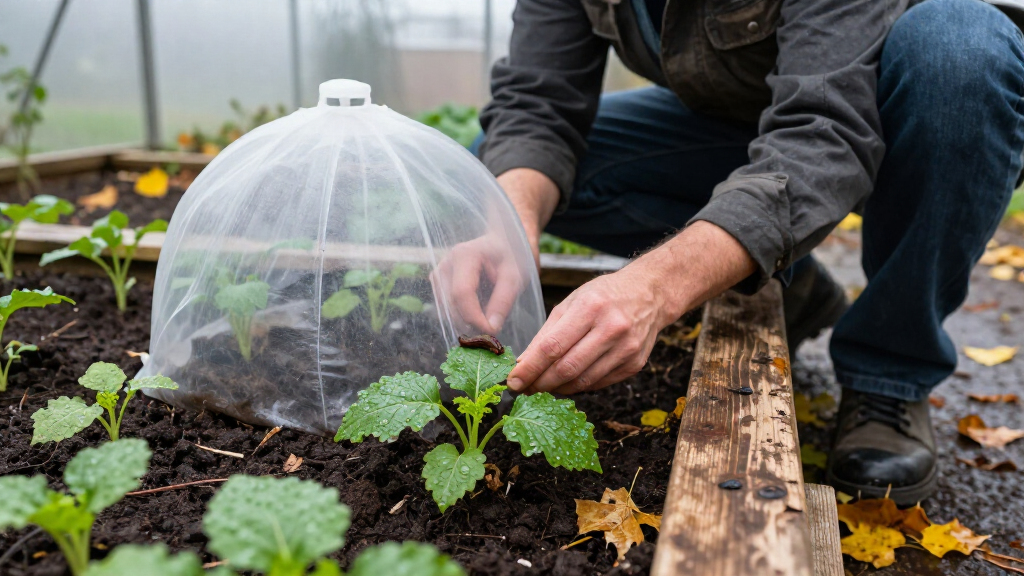
Cool, wet fall conditions can favor slug movement and feeding, putting newly planted lettuce, brassicas and other seedlings at risk, according to a Planet Natural report. The guidance is to confirm slugs are active before acting, then focus on the plants most vulnerable to overnight damage rather than treating every ragged leaf as an emergency.
Slug feeding can leave irregular, ragged holes, scraped or windowed patches on thin leaves, or remove a seedling’s cotyledon or growing tip. A silvery slime trail on soil, a pot rim or a leaf can help identify the cause, though rain may make trails hard to see. Planet Natural recommends checking after dusk or early in the morning with a flashlight, looking around the soil line, beneath low leaves and under objects that keep the ground cool and moist.
A small board or folded piece of damp newspaper placed beside an affected row can serve as a daytime shelter to inspect at dawn. The report advises prioritizing newly planted seedlings, especially those beside a bed edge, wooden border or damp organic material. Established kale with a few damaged outer leaves may continue growing if its center is healthy; a seedling that has lost its growing point may need replacing if the season and local frost window allow.
For prevention, clear soggy leaves, boards, empty pots and decaying material touching the row, and pull heavy mulch a few inches back from young stems until plants are established. Water at the root zone with drip irrigation or a soaker hose where possible. If watering overhead, the report recommends doing so in the morning, rather than routinely late in the day, to allow the surface to dry before evening. For a few high-value plants, a continuous, clean copper barrier may discourage slugs; leaves, mulch or tubing should not bridge it.
Why Young Fall Plants Are at Risk
The main concern is the difference between a mature plant that can tolerate some leaf loss and a small transplant with little foliage to spare. A slug feeding on a seedling’s growing point or most of its leaf area can leave it with limited capacity to recover. That makes early identification and targeted protection more useful than trying to make every established plant look untouched.
The report’s approach also avoids treating damp weather alone as proof of an infestation. A scout can establish whether slugs are present and whether damage is continuing. Cleaning up nearby shelters and adjusting watering can make the immediate planting area less favorable without stripping the whole garden of mulch or applying a product across a bed unnecessarily.
As an affiliate, we earn on qualifying purchases.
Recognizing Slug Damage in Fall
Fall beds can remain damp as temperatures cool, while leaf litter and low light provide cover. Planet Natural describes this combination as favorable for slug activity, particularly around tender new growth. The report notes that slug damage may resemble other kinds of feeding, so the shape of the holes and a slime trail are clues, not definitive proof on their own.
Its suggested check is practical and local: inspect the affected plants after dusk or before dawn, then look beneath boards, pots, dense mulch and other cool, moist cover nearby. The report favors repeated observation after cleanup over applying treatment on a fixed schedule. It does not provide regional slug counts, a forecast or a quantified estimate of crop losses.
As an affiliate, we earn on qualifying purchases.
What Gardeners Still Need to Check
The supplied report does not include a publication date, local weather data, measured slug populations or evidence that every fall garden will see increased activity. Conditions and damage vary by site, and the report’s general advice cannot establish whether slugs caused a particular plant’s damage. A dawn or dusk inspection is the recommended way to check for active slugs near affected seedlings.
The source material also ends partway through its bait guidance. It says to consider slug and snail bait only after confirming continued activity and finding that cleanup and barriers have not protected threatened seedlings. The full label-related directions and any additional bait precautions are not present in the supplied text, so they should not be inferred from it.
As an affiliate, we earn on qualifying purchases.
Scout, Protect, Then Recheck
Gardeners can begin by inspecting damaged seedlings after dark or at dawn and checking likely daytime shelters. If slugs are present near vulnerable plants, clear damp cover from the immediate row, adjust watering where practical and shield the most at-risk starts. Recheck after those changes to see whether feeding continues.
If considering a bait, use only a product labeled for slugs and snails and for the crop or site being treated, and follow its label exactly, including directions for placement and rate. The supplied report does not give further label instructions. It also cautions against relying on salt, which can harm plants and soil, and notes that diatomaceous earth and ash lose effectiveness when wet.
As an affiliate, we earn on qualifying purchases.
Key Questions
How can I tell whether slugs are damaging my seedlings?
Look for irregular, ragged holes, scraped or windowed leaf areas, missing cotyledons and possible silvery slime trails. Check after dusk or early in the morning, when slugs may be visible near plants. These signs can help identify the cause, but the report recommends checking directly for slugs rather than assuming every hole is from them.
Which plants need protection first?
Prioritize newly planted seedlings such as lettuce, bok choy and brassica starts, especially near bed edges and damp debris. Established kale with a healthy center may tolerate modest damage to outer leaves, according to the report.
What can I change in a wet fall bed?
Remove soggy debris and objects that shelter slugs beside the row, and pull heavy mulch back from young stems until they are established. Water at the root zone where possible; if watering overhead, the report recommends morning rather than routine late-day watering.
Do copper barriers work around seedlings?
The report says a continuous, clean copper tape or collar can discourage slugs around a few plants or a container. Keep leaves, mulch, irrigation tubing and neighboring stems from bridging the barrier. It is less practical as a perimeter around a large plot.
When should I use slug bait?
The report advises considering bait only after confirming continued slug activity and finding that cleanup and barriers have not protected threatened seedlings. Choose a product labeled for slugs and snails and for the crop or site, then follow its label exactly. The supplied material does not include the full bait directions.
Source: rss
Fall yard work Picks
leaf blowers
As an affiliate, we earn on qualifying purchases.