
TL;DR
Grow Organic’s guide says to remove a 1/16-inch slice from the blossom end of cucumbers when a tested pickle recipe calls for it, following National Center for Home Food Preservation guidance intended to help prevent soft pickles. It also outlines how to grow and harvest pickling cucumbers, while stressing that shelf-stable canning requires a tested recipe and its ingredient proportions should not be changed.
Grow Organic’s cucumber guide explains how to identify the blossom end and says picklers should remove a 1/16-inch slice from it when directed by a tested recipe. The step follows guidance attributed to the National Center for Home Food Preservation and is intended to help prevent soft pickles, while the article also covers basic growing and harvest practices.

Get garden gear delivered free with Prime
- Fast, free delivery on millions of items
- Prime Video, Amazon Music and more included
- Member-only deals all year
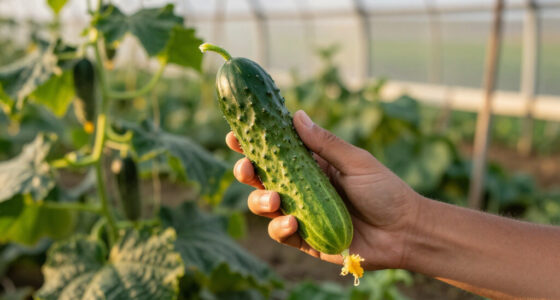
The blossom end is the side opposite the stem, where the flower was attached. If the stem has been removed, the flower scar can help identify it. Grow Organic says the small trim matters because the blossom may contain enzymes that soften pickles. The recommendation is about texture; it is not a way to prevent cucumber bitterness.
The guide advises choosing cucumbers while they are young and firm, with harvest size and timing dependent on the variety. Some tested recipes call for fruit about 3 to 5 inches long, but readers should follow the recipe they are using. Grow Organic also recommends checking seed-packet information because days to maturity vary among varieties.
For growing, the article says to wait until the risk of frost has passed and the soil has warmed before planting. Cucumber plants need sun, well-drained soil, steady moisture and room for vines to spread or climb. Frequent harvesting is advised: fruit left to grow oversized may reduce further production. The source also recommends watching for cucumber beetles.
A Small Trim Affects Pickle Texture
The advice matters to home gardeners because a correctly harvested cucumber can still produce a soft pickle if preparation or preservation instructions are not followed. The blossom-end trim is a texture step, not a substitute for safe processing. Grow Organic points readers to tested recipes and says that, for canned pickles, the recipe’s vinegar, food and water proportions must not be changed.
That distinction is especially relevant for shelf-stable canning, where ingredient ratios and processing directions are part of the tested method. The guide notes that pickle ingredients and preparation differ by recipe; refrigerator pickles and sweet pickles, for example, may use different methods. Readers should not treat an informal ratio or a general trimming tip as a complete canning instruction.
Popular right now

iRobot Roomba 105 Robot Vacuum with LiDAR Navigation

Breville Barista Express Espresso Machine with Grinder, Black Truffle

Ninja Foodi 7-Qt MegaZone FlexBasket Air Fryer, 6-in-1, Black, DZ071
As an affiliate, we earn on qualifying purchases.
From Garden Harvest to Pickle Jar
Pickling cucumbers are commonly harvested young and firm and are often shorter and thinner-skinned than many slicing types, according to Grow Organic. They can also be eaten fresh. The guide frames growing and preparation as connected steps: select a suitable variety, provide warm conditions and regular care, then use fresh, good-quality fruit in a recipe suited to the intended pickle.
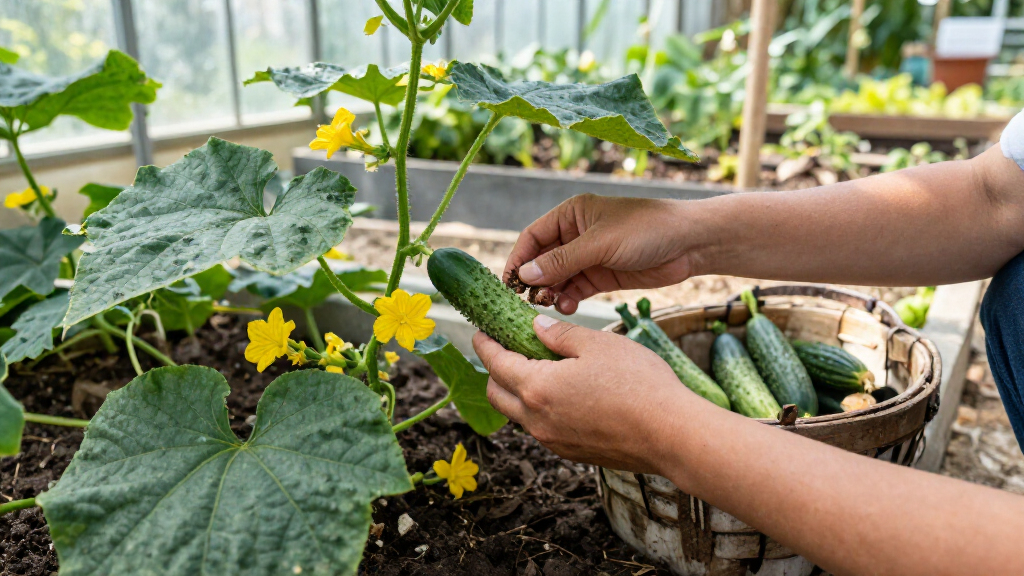
After successful pollination, cucumbers may develop quickly. The source says a fruit may be ready in about seven days under favorable conditions, though variety and weather affect the pace. It also notes that male flowers can appear before female flowers; female flowers have a small cucumber-shaped ovary at the base. Flowers without fruit can reflect flowering sequence or pollination issues, but the guide does not diagnose a particular plant.
“For canned pickles, never change its vinegar, food, or water proportions.”
— Grow Organic
Recipe Details Still Determine the Trim
The supplied article does not identify a publication date, a specific cucumber variety or one tested pickle recipe. The 1/16-inch recommendation is presented as guidance for tested recipes, not as a universal instruction for every cucumber preparation. Readers should check their chosen recipe for whether trimming is required and how the cucumbers should be cut.
Growing time, fruit size and harvest readiness vary with variety and conditions. The source gives no single schedule that applies to every garden. It also does not provide a full canning procedure; safe processing details must come from the tested recipe being followed.
Follow the Recipe Through Processing
For gardeners, the next steps are to check local frost conditions, wait for warm soil, and consult the seed packet for planting and maturity details. Harvest frequently and use firm, fresh cucumbers. During preparation, identify the flower end opposite the stem and remove the 1/16-inch slice when the tested recipe directs.
Anyone making shelf-stable canned pickles should use a tested preservation recipe and follow its ingredient proportions and processing instructions without alteration. The Grow Organic guide directs readers to National Center for Home Food Preservation pickling guidance for those instructions. It does not announce a new preservation standard or provide a specific next publication date.
Key Questions
Which end of a cucumber is the blossom end?
It is the end opposite the stem, where the flower was attached. If the stem is missing, look for the flower scar.
Why trim the blossom end before pickling?
Grow Organic cites National Center for Home Food Preservation guidance that recommends removing a 1/16-inch slice because the blossom may contain enzymes that soften pickles. Follow the directions in the tested recipe you are using.
Does trimming the blossom end prevent bitter cucumbers?
No. The source describes trimming as a step to help with pickle texture, not as a treatment for bitterness.
When should pickling cucumbers be harvested?
Harvest them young and firm, using the variety’s seed-packet guidance and any size specified by your recipe. The source says some tested recipes call for cucumbers 3 to 5 inches long.
Can I change a canned-pickle recipe’s vinegar and water amounts?
Grow Organic says not to change the vinegar, food or water proportions in a recipe for canned pickles. Use a tested recipe and follow its full preservation instructions.
Source: rss