TL;DR

Get garden gear delivered free — and shop member deals
- Fast, free delivery on millions of items
- Access to Prime Big Deal Days deals on October 6–7
- Prime Video, Amazon Music and more included
This article provides detailed guidance on cultivating napa cabbage, including planting methods, care tips, and harvest timing. It aims to help gardeners improve yields and quality.
Gardening enthusiasts and farmers are increasingly focusing on napa cabbage cultivation due to its rising popularity in culinary dishes. This article details confirmed methods and tips for successfully growing napa cabbage, emphasizing planting, care, and harvesting techniques.
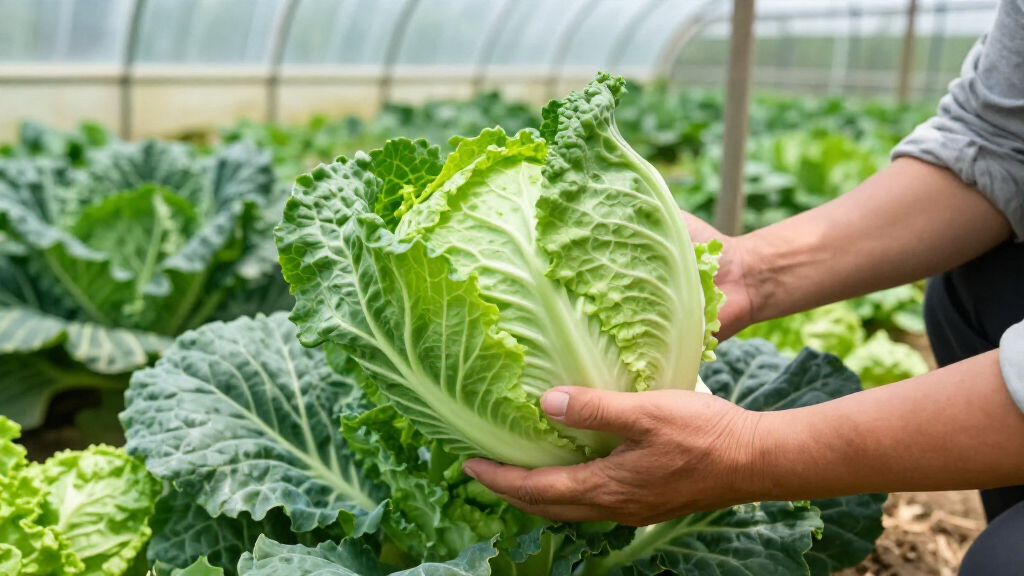
Growing napa cabbage requires selecting the right variety, preparing soil with good drainage, and planting at the optimal time, typically in early spring or late summer. Experts recommend planting seedlings or direct seeding in well-drained, fertile soil rich in organic matter. Regular watering and pest management are essential for healthy growth, with cabbage worms and aphids being common pests. Harvesting usually occurs about 70 to 90 days after planting, when heads are firm and compact.
According to horticultural sources, napa cabbage prefers cooler temperatures, making it suitable for spring and fall planting. Proper spacing—approximately 12 to 18 inches apart—ensures adequate airflow and reduces disease risk. Mulching can help retain soil moisture and suppress weeds. For best results, gardeners should monitor for pests and diseases regularly and apply organic controls as needed. Recent trials suggest that using row covers can significantly reduce pest infestation without chemical pesticides.
Why Growing Napa Cabbage Is Gaining Popularity
The increasing interest in napa cabbage cultivation reflects its rising demand in culinary markets, especially for Asian cuisine. Successful growing techniques can boost local food production, reduce reliance on imports, and support sustainable gardening practices. For small-scale farmers and home gardeners, mastering napa cabbage cultivation offers economic and nutritional benefits, as the crop is rich in vitamins and easy to grow with proper care.
As an affiliate, we earn on qualifying purchases.
Recent Trends and Growing Conditions for Napa Cabbage
Napa cabbage, also known as Chinese cabbage, has seen a surge in popularity over recent years due to its use in salads, stir-fries, and fermented foods like kimchi. Traditionally grown in East Asia, it is now cultivated in various regions worldwide, especially in temperate climates. Optimal growth conditions include cool temperatures between 55°F and 75°F, with soil pH between 6.0 and 7.5. Recent agricultural reports highlight that early planting in spring or late summer can help avoid heat stress, which can cause bolting and reduce crop quality.
Farmers and gardeners have reported success using organic fertilizers and pest control methods, aligning with sustainable practices. The crop’s relatively short growing cycle makes it attractive for multiple planting seasons, and recent innovations involve using row covers and integrated pest management to minimize chemical use.
As an affiliate, we earn on qualifying purchases.
Uncertainties About Pest Control and Climate Impact
While proven techniques exist for growing napa cabbage, uncertainties remain regarding the long-term effects of climate variability on crop yields and pest prevalence. It is not yet clear how changing weather patterns will influence optimal planting times or pest management strategies in different regions.
garden row covers for pest protection
As an affiliate, we earn on qualifying purchases.
As an affiliate, we earn on qualifying purchases.
Next Steps for Cultivators and Researchers
Researchers are expected to conduct further trials on resilient varieties and sustainable pest control methods. Meanwhile, gardeners and farmers should monitor local weather forecasts and pest activity closely to adapt practices accordingly. Extension services are likely to release updated guidelines to optimize crop success in varying climatic conditions.
As an affiliate, we earn on qualifying purchases.
Key Questions
When is the best time to plant napa cabbage?
The optimal planting times are in early spring or late summer, depending on your climate, to avoid heat stress and bolting.
What are the common pests affecting napa cabbage?
Common pests include cabbage worms, aphids, and flea beetles. Using row covers and organic controls can help reduce infestations.
How long does it take to harvest napa cabbage?
Generally, it takes about 70 to 90 days from planting to harvest, when the heads are firm and compact.
Can napa cabbage be grown in containers?
Yes, with adequate space, well-draining soil, and consistent watering, napa cabbage can be successfully cultivated in large containers.
Are there specific soil requirements for napa cabbage?
It prefers fertile, well-drained soil with a pH between 6.0 and 7.5. Organic matter addition can improve growth conditions.
Source: rss
Fall yard work Picks
leaf blowers
As an affiliate, we earn on qualifying purchases.