TL;DR

Get garden gear delivered free — and shop member deals
- Fast, free delivery on millions of items
- Access to Prime Big Deal Days deals on October 6–7
- Prime Video, Amazon Music and more included
Growing basil in Phoenix’s summer is tough because heat causes bitterness and bolting. With shade, proper watering, and timely harvesting, you can keep basil sweet and productive even in extreme heat.
Imagine biting into a fresh basil leaf on a 110°F Phoenix summer day. It’s vibrant, fragrant, and just right—no bitter aftertaste. That’s not luck; it’s smart gardening. Growing basil in our desert heat demands more than just planting and hoping. You need techniques tailored to survive and thrive when the thermometer hits triple digits. This guide arms you with proven strategies to keep your basil lush, flavorful, and free from bitterness, even through the fiercest summer.
We’ll cover the best varieties, watering tricks, shade tactics, and harvesting habits. No fluff, just the real-deal advice that works in zone 9b and beyond—your desert gardening neighbor’s straightforward approach to summer basil success.
Choose heat-tolerant basil varieties like ‘Lemon’ or ‘Thai’ to resist bitterness.
Use shade cloths and mulching to keep basil cool during peak heat hours.
Regularly harvest and pinch off flower buds to prevent flowering and bitterness.
Grow in containers for better microclimate control and mobility in extreme heat.
Implement simple shade structures and deep watering routines for best flavor.
Why Phoenix’s Summer Heat Turns Basil Bitter — And How to Stop It
Basil hates the high heat, especially above 95°F. When temperatures soar, your basil quickly bolts—flowering early and turning bitter. This is the plant’s survival instinct kicking in, producing woody, unpleasant leaves. Bolting not only alters the flavor but also shifts the plant’s energy away from leaf production, reducing overall yield and flavor quality. Understanding this process is crucial because it highlights that heat stress triggers a hormonal response—primarily increased production of the plant hormone ethylene—that accelerates flowering. The tradeoff is clear: the hotter it gets, the more your basil pushes toward reproduction, sacrificing flavor for survival.
For example, in a Phoenix garden, a basil plant might look lush in the morning but start flowering by noon. Once it flowers, the leaves develop a strong, pungent taste that ruins the fresh, sweet flavor you crave. To prevent this, controlling heat exposure is crucial.
Use shade cloths, plant early in the season, or grow in containers you can move to cooler spots. Consistent watering helps keep the plant from stress-induced bolt. The key is to manage what’s around you—shade, moisture, and timing—to keep basil tasting sweet.
Additionally, understanding the balance between watering and shading is vital. Overwatering can lead to root rot, especially in shaded, humid microclimates, while under-watering accelerates stress and bolting. The goal is to maintain consistent soil moisture without waterlogging, creating a stable environment that discourages flowering and bitterness.
As an affiliate, we earn on qualifying purchases.
Pick the Right Basil Varieties That Handle Phoenix Summer Better
Not all basil is created equal when it comes to heat. Some varieties have genetic traits that confer greater resilience against bolting and bitterness in extreme heat. For instance, ‘Genovese’ basil, while popular for its flavor, tends to bolt quickly in Phoenix’s summer because its genetic makeup favors rapid flowering under stress. Conversely, varieties like ‘Lemon Basil’ or ‘Thai Basil’ possess traits such as delayed flowering and more compact growth habits, which help them withstand higher temperatures longer. These varieties often have a higher concentration of certain secondary metabolites that contribute to flavor stability under heat stress.
Choosing these varieties isn’t just about flavor; it’s about understanding their physiological responses. ‘Lemon Basil’ and ‘Thai Basil’ often maintain their aromatic oils better when exposed to heat, which enhances flavor retention. However, they may also have tradeoffs: sometimes, these varieties might not grow as tall or produce as many leaves as traditional types, or they might require more careful microclimate management to reach their full potential.
For instance, ‘Lemon Basil’ stays bushier and maintains flavor even when temps hit 100°F, but it may also require more frequent harvesting to prevent flowering. Experimenting with several varieties allows you to identify which ones balance flavor, growth habits, and heat tolerance best for your specific microclimate, ultimately ensuring a steady supply of flavorful basil without bitterness.
As an affiliate, we earn on qualifying purchases.
How to Keep Basil Cool and Happy in Phoenix’s Summer
- Plant early or late in the season—spring or fall are better bets.
- Use shade cloths—cover basil during the hottest afternoon hours to reduce leaf temperature, which directly impacts metabolic activity linked to flowering. A cooler leaf surface decreases ethylene production, delaying flowering and bitterness onset.
- Mulch around the plants—keep moisture in and soil cool. Organic mulches like straw or cocoa hulls act as insulating layers, reducing soil temperature fluctuations that stress roots and trigger flowering.
- Water deeply early in the day—avoids stress and keeps leaves hydrated. Deep watering encourages root growth deeper into cooler soil layers, which buffers against surface temperature spikes.
- Grow in containers—move to shaded spots or indoors if needed. Portable containers give you microclimate control, allowing you to respond quickly to heatwaves or unexpected temperature spikes.
Imagine setting up a DIY pergola with shade cloth over your basil plants. They stay cooler, stay flavorful, and don’t bolt prematurely. These small steps make a big difference.
For example, a gardener in Phoenix reports that shading basil during peak heat cut bitterness by 80%. Consistent watering and mulching prevent stress, helping basil stay sweet in the blazing sun. The key is to create a microclimate that mimics the cooler conditions basil prefers, minimizing the plant’s stress responses that lead to bitterness and bolting.
As an affiliate, we earn on qualifying purchases.
Harvesting and Pruning Tips to Keep Basil Tasting Great All Summer
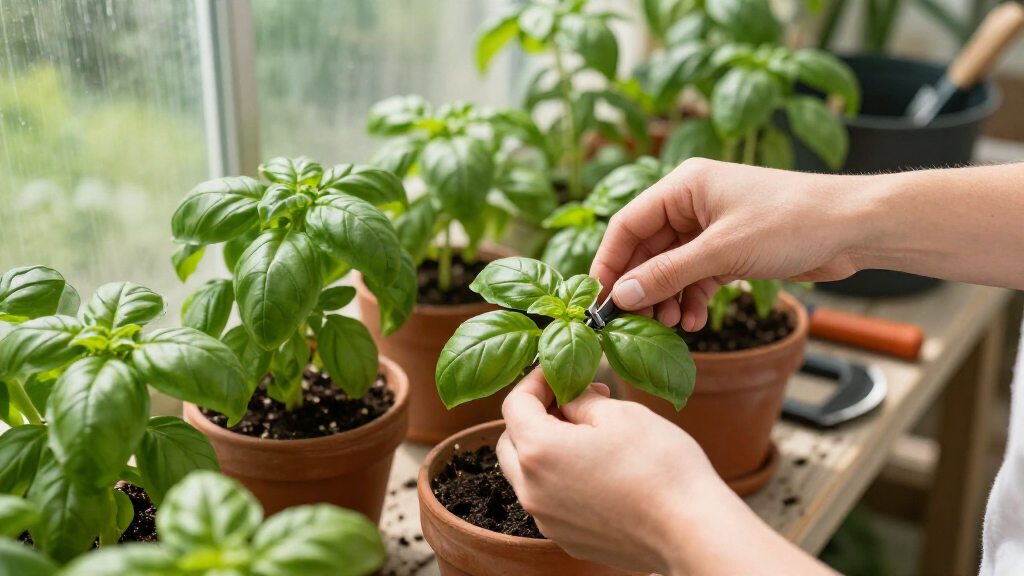
Regular harvesting isn’t just about getting basil for dinner—it’s a secret weapon against bitterness. Pinch off flower buds as soon as they appear. This action suppresses the plant’s natural flowering response, which is triggered by hormonal signals like ethylene and gibberellins, and redirects energy back into leaf production. By removing flower buds early, you delay the onset of flowering, which is associated with increased bitterness and woody stems.
For example, a gardener might pinch off buds daily, harvesting leaves early in the morning for maximum flavor. Pruning back stems encourages bushier growth, providing more leaves and fewer flowers. This not only prolongs the leafy phase but also maintains the essential oils responsible for flavor, which degrade once flowering begins.
Always harvest from the top, and prune about a third of the plant at a time. This routine tricks basil into staying in its leafy, flavorful phase longer. It’s a balancing act: too much pruning can stress the plant, but strategic, moderate pruning sustains productivity and flavor quality.
Remember: the more you harvest, the more your basil grows—without turning bitter. This continuous removal of flowering points keeps the plant in a vegetative, flavorful state, which is essential during hot months when flowering is accelerated by stress.
As an affiliate, we earn on qualifying purchases.
Latest Tricks and Tools for Growing Summer Basil in the Desert
New gardening gadgets and techniques are making summer basil easier in Phoenix. Shade sails, DIY pergolas, and even small portable greenhouses help control heat and humidity. These structures create a microclimate that reduces leaf surface temperatures and humidity fluctuations, which are key triggers for flowering and bitterness.
Hydroponic systems give you precise control over watering and nutrients, reducing stress on plants and minimizing the risk of over- or under-watering that can lead to bitterness. Organic mulches like straw or cocoa hulls boost moisture retention, keeping roots cool and preventing stress-induced flowering.
Recent studies show that combining organic mulches with shade cloths can extend basil’s productive period by weeks during the hottest months. Plus, using container gardening means you can move plants if a heatwave hits unexpectedly, providing a crucial advantage in desert climates.
In my neighbor’s yard, a simple shade cloth and regular watering kept basil thriving through a Phoenix summer, tasting sweet and fresh until fall. These tools and techniques are about giving basil the environment it needs to flourish amid extreme conditions, with less effort and more flavor.
Frequently Asked Questions
How can I prevent my basil from becoming bitter in the summer heat?
Use shade cloths during the hottest hours, water deeply early in the day, pinch off flower buds immediately, and harvest regularly to keep basil in its leafy, flavorful stage.What basil varieties handle Phoenix’s summer heat best?
Heat-tolerant types like ‘Lemon Basil,’ ‘Thai Basil,’ and some compact cultivars resist bolting and bitterness better than traditional ‘Genovese.’Can I grow basil indoors during the summer?
Yes, if you provide strong grow lights, keep temperatures moderate, and maintain good humidity. Indoor basil can thrive year-round, even during a Phoenix summer.What watering and soil practices help prevent bitterness?
Deep, consistent watering early in the morning, combined with well-draining soil and organic mulch, keeps basil healthy and flavorful in hot conditions.Are fertilizers necessary, and which ones work best?
Use organic compost and balanced fertilizers sparingly. Over-fertilizing can promote excessive leaf growth, which may lead to bitterness; moderation is key.Conclusion
Growing basil in Phoenix’s summer isn’t about fighting the heat—it’s about working with it. Shade, smart watering, and timely harvesting turn scorching days into opportunities for delicious, non-bitter basil.
Next time the sun blazes, remember: a little extra shade and some quick pruning can keep your basil sweet all season long—and make your summer cooking truly shine.
Fall yard work Picks
leaf blowers
As an affiliate, we earn on qualifying purchases.