
TL;DR

Get garden gear delivered free with Prime
- Fast, free delivery on millions of items
- Prime Video, Amazon Music and more included
- Member-only deals all year
A Planet Natural report recounts how a gardener in Madison, Wisconsin, set aside a marked row of beans in autumn 2024, saving suitable mature pods for planting rather than supper. The account emphasizes tracking variety labels, watching wet-weather conditions, discarding questionable pods and testing a small seed sample before relying on it.
A gardener in Madison, Wisconsin, set aside a marked row of bean pods in autumn 2024 to save suitable seed for a future planting, according to a Planet Natural report. With rain threatening the pods’ drying, the gardener and his sister, Elena, kept suitable material, tracked its identity and discarded pods they considered doubtful, producing a modest batch rather than trying to save everything.
The account centers on a practical choice: beans left to mature for seed cannot also be picked at the tender stage for a snap-bean supper. The gardener marked a separate row so that family members helping with harvest could distinguish it from beans meant for eating. Once pods are mixed together, the report says, it can be difficult to reconstruct which ones were intended for seed.
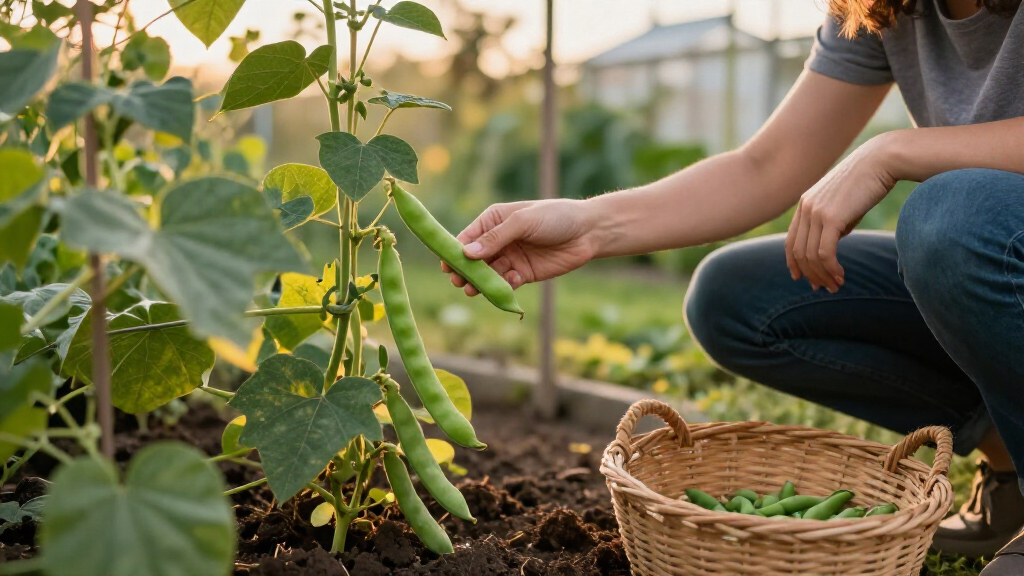
Bean pods reach different harvest stages. Snap beans are picked while the pods are tender and their seeds are immature; shelling beans have full-sized but still-soft seeds; dry beans remain on the plant until pods and seeds dry. The report cites the University of Minnesota’s home-garden bean guide for these distinctions. Saving seed means leaving selected pods past the snap-bean stage and monitoring them until they mature.
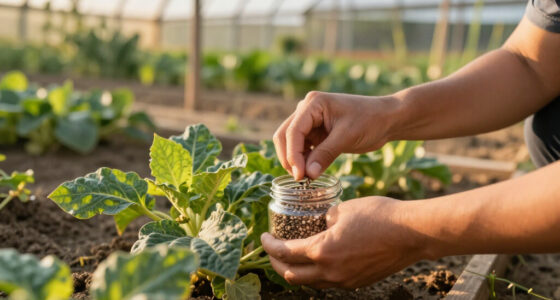
The gardener says the 2024 saved batch was limited to suitable pods, which were kept identified for careful drying. Pods judged doubtful were discarded. The report describes the indoor drying shelf as a temporary, observable place for labeled material, rather than a sealed container where damp pods might go unnoticed. It says the batch would be shelled only after additional drying, with the label kept alongside the seed as pods became loose beans.
Keeping Seed Separate From Supper
The account shows why seed saving depends on decisions made before harvest, not just on collecting beans at the end of the season. Leaving pods to mature means giving up some fresh food from that row. Marking it in advance helps prevent an ordinary picking round from removing the pods needed for next year’s planting.
Keeping the variety name attached also matters to anyone hoping to plant or share seed later. The report recommends starting with healthy plants and an identified, open-pollinated variety, citing Minnesota seed-saving guidance. It notes that beans generally self-pollinate, but does not treat that as a guarantee of genetic identity or proof that varieties cannot cross. Gardeners seeking to maintain a variety precisely may need further advice on isolation and seed production.
The experience also makes clear that saving seed does not require keeping every pod. A smaller batch that can be monitored and checked may be more useful than a larger batch containing material the gardener distrusts. The report advises testing a small sample for germination before committing a whole row to saved seed; a good-looking seed is not by itself a promise of a strong crop.
Popular right now

Bose QuietComfort Ultra Headphones (2nd Gen), Wireless Noise-Cancelling Over-Ear Headphones, Black

Dyson R3 Nurovi Spot+Scrub UV Robot Vacuum

Samsung 75-Inch QLED Q7F Series Smart TV (2025)
As an affiliate, we earn on qualifying purchases.
From Mature Pod to Plantable Seed
The account is a personal report about one garden season, not a trial comparing seed-saving methods. It draws on extension guidance for the growing stages and handling practices. The University of Minnesota distinguishes snap, shelling and dry beans, while its seed-saving materials recommend additional indoor drying for suitable beans when autumn conditions interfere. The report also points to Illinois Extension guidance for a paper-towel germination check.
For that check, the report says to moisten a paper towel, place a small seed sample in a labeled bag or container, keep it in a suitable warm location and inspect it according to the seed’s expected germination time. The result should be recorded. A poor showing may prompt a gardener to seek replacement seed rather than rely on the batch.
The gardener describes growing up watching his father raise beans outside Rockford and says that familiarity made the crop appealing for this project. He also mentions working on school buses and preferring things that can be repaired. Those details explain his personal approach, but the report’s main record of the 2024 effort is straightforward: mark a row, follow pod maturity and weather, retain the variety information, and keep only material judged suitable.
What the Seed Check Cannot Prove
The report does not provide the bean variety, the number of pods or seeds saved, a measured drying period, or a germination-test result. It describes the batch as modest and says doubtful pods were discarded, but gives no laboratory assessment of seed health or confirmation of varietal purity.
A germination check can indicate whether sampled seeds sprout under the test conditions; it does not certify that the entire batch will produce vigorous plants, that the seed is disease-free or that it will remain true to a named variety. The account also does not say how many varieties were growing nearby or whether any isolation measures were used. The gardener’s 2024 experience should not be read as evidence that every bean crop will dry successfully in similar weather.
Test Before Planting a Row
The next step described in the report is to dry the retained pods appropriately, shell them while preserving the label, remove plant debris and inspect the seed again. Before assigning the batch a full garden row, the gardener recommends testing a small sample with the paper-towel method described by Illinois Extension and recording the outcome.
If that sample performs poorly, the report advises reconsidering reliance on the saved batch and arranging replacement seed if needed. It does not give a later update on the test or say whether the seed was ultimately planted. For future seasons, the account’s practical sequence is to identify the variety and seed row before harvest, watch maturity and weather, keep batches labeled through drying and shelling, and decide whether the seed is usable before planting.
Key Questions
What happened in the Madison garden in autumn 2024?
The gardener marked a small row of beans for seed, kept suitable mature pods for drying and discarded pods considered doubtful. The report says rain threatened the drying pods and that the resulting batch was modest.
How are seed beans different from snap beans?
Snap beans are picked while pods are tender and seeds are immature. Beans saved for seed must remain on the plant longer, until selected pods mature and dry. The report cites the University of Minnesota’s home-garden guide for the differences among snap, shelling and dry beans.
Does a germination test prove saved beans are healthy and true to type?
No. A small paper-towel test can show whether sampled seeds sprout under the test conditions, but the report says it does not guarantee vigorous plants, seed health or varietal purity.
What should gardeners do if autumn rain arrives before pods dry?
The report says to inspect the seed row and consult appropriate drying guidance. It cites Minnesota guidance on bringing suitable plants indoors for continued drying, while warning that immature or moldy pods do not become sound seed simply by being moved inside.
Source: planetnatural.com