TL;DR

Get garden gear delivered free — and shop member deals
- Fast, free delivery on millions of items
- Access to Prime Big Deal Days deals on October 6–7
- Prime Video, Amazon Music and more included
Late March still offers plenty of sowing opportunities for desert gardeners. With proper protection and timing, you can grow cool-season crops indoors or outdoors, extending your harvest window.
Many cool-season vegetables like lettuce, radishes, and carrots can be sown outdoors in late March, especially with frost protection.
Start warm-season crops indoors now—tomatoes, peppers, eggplants—to get a head start for desert heat.
Protection methods like row covers extend your planting window and shield young plants from late frosts.
Preparing soil with compost and ensuring good drainage is vital for quick warming and healthy growth.
Timing depends heavily on your local frost dates; adapt your sowing plan to your specific microclimate.
What’s Still Safe to Sow Outdoors at the End of March?
In desert zones, you can still plant several cool-season staples outdoors at the end of March. Think crisp lettuce, tender spinach, spicy radishes, sweet peas, and crunchy carrots. These crops love the cooler soil and air, making late March an ideal time if you protect them from late frosts. For example, a gardener in Phoenix might sow radishes and lettuce in a sunny bed, covering them with a row cover overnight if frost threatens. Choosing these hardy crops at this time allows you to take advantage of the remaining cool days, which are crucial for their growth. If you delay planting, you risk missing the window for optimal germination and growth, especially given the region’s rapid soil warming. By understanding the importance of timing and protection, you maximize your chances of a successful early harvest, avoiding the heat stress that comes later in spring.
**Key crops for late March outdoors:**
- Radishes
- Lettuce and leafy greens
- Spinach
- Peas
- Carrots
frost protection row covers for vegetable garden
As an affiliate, we earn on qualifying purchases.
As an affiliate, we earn on qualifying purchases.
Should You Start Warm-Season Crops Indoors Now?
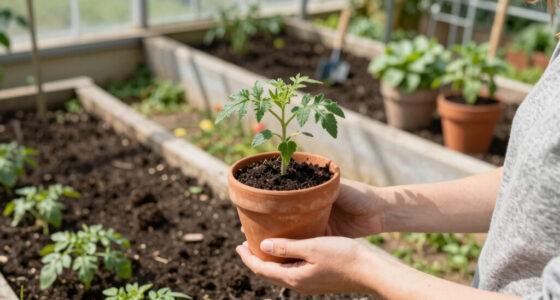
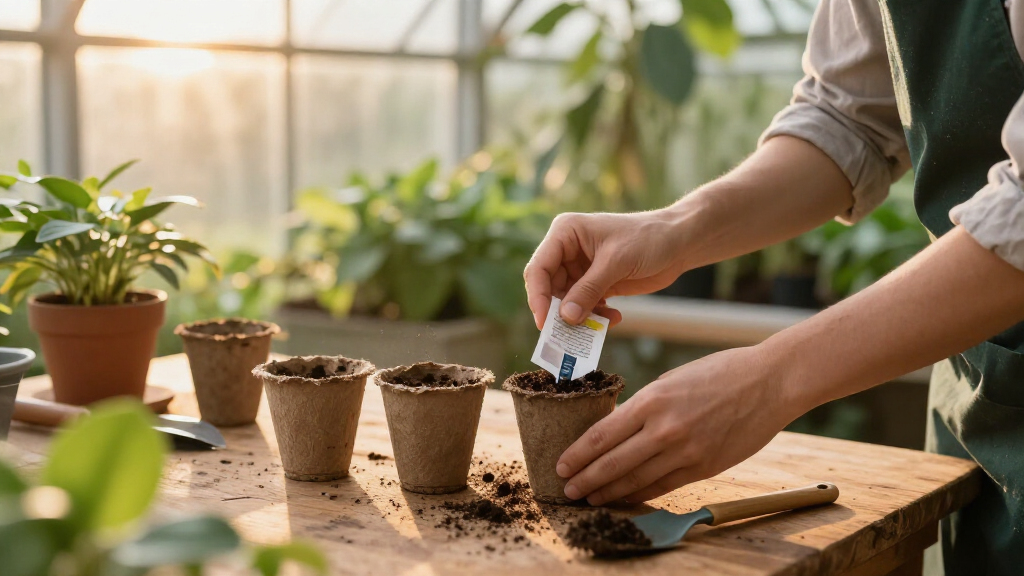
Warm-season vegetables like tomatoes, peppers, and eggplants need a head start indoors if you want them to thrive in desert heat. Sowing these now in containers on a sunny windowsill or under grow lights gives them a vital early boost, as it allows seedlings to develop strong roots before facing the intense desert sun. This early start is crucial because transplanting too late often results in stunted growth or poor yields. For instance, a gardener in Tucson can start tomato seeds indoors in late March, then transplant once the weather warms and nighttime lows stay above 50°F—usually after mid-April. The tradeoff here is that starting too early can lead to leggy seedlings if not provided with adequate light, or root crowding in small containers. Balancing timing and resource investment ensures healthy, vigorous plants that can endure the desert’s extremes. This approach extends your growing season and helps you avoid the chill damage that can occur if you wait too long to plant outside.
**Quick tips:**
- Use seed-starting trays with good drainage
- Keep soil moist but not soggy
- Provide at least 12 hours of light daily
seed starting trays with grow lights
As an affiliate, we earn on qualifying purchases.
As an affiliate, we earn on qualifying purchases.
How to Protect Your Young Plants from Late Frosts
Frost can still sneak in during late March, especially at night, and the implications for your garden are significant. A late frost can scorch tender seedlings and cause delayed growth or even death of young plants. Protecting your plants with simple, inexpensive tools like row covers, cold frames, or cloches can make the difference between a thriving garden and one that struggles to recover. For example, draping a lightweight row cover over your outdoor lettuce patch prevents frost damage while still allowing sunlight and air to reach the plants. If you’re using a cold frame, opening it during the day helps prevent overheating and promotes healthy growth. These techniques extend your planting window, giving you a buffer against unpredictable weather. The tradeoff is that these protections require some setup and monitoring, but the payoff is a more resilient garden capable of withstanding late cold snaps, which are common in desert environments during transitional seasons.
**Protection tips:**
- Use frost blankets or old sheets
- Set up portable mini greenhouses
- Position plants in microclimates, like near a wall or in a south-facing spot
As an affiliate, we earn on qualifying purchases.
Best Soil Prep for Late March Planting in Desert Gardens
Soil in desert gardens can often be sandy and low in organic matter, which can slow germination and hinder root development. Proper soil preparation is essential because it influences how quickly the soil warms and how well plants establish. Enriching your soil with compost or organic amendments improves water retention, nutrient availability, and microbial activity—all critical for healthy plant growth. For example, turning over a bed and mixing in compost not only adds necessary nutrients but also creates a more uniform soil temperature, which is vital for seed germination. If your soil is heavy or poorly drained, amendments like coarse sand or organic matter can improve drainage and prevent root rot. The implication is that investing time in soil prep now can shorten the time to harvest, increase yields, and reduce plant stress during the critical early stages of growth. In desert conditions, where soil warms rapidly but can also dry out quickly, this step ensures your plants get off to the best possible start, maximizing your gardening success during the limited window available in late winter and early spring.
**Preparation checklist:**
- Clear debris and weeds
- Loosen soil 8-12 inches deep
- Mix in organic compost or aged manure
- Amend for drainage if soil is heavy
outdoor planting soil amendments for quick warming
As an affiliate, we earn on qualifying purchases.
As an affiliate, we earn on qualifying purchases.
Clear Action Steps to Maximize Late March Sowing Success
- Check your local frost dates and microclimate conditions.
- Sow cool-season crops directly into prepared beds or containers.
- Start warm-season seeds indoors for transplanting later.
- Use row covers or cold frames to protect seedlings from frost.
- Amend soil with compost for quick warming and nutrients.
Following these steps ensures you’re making the most of the available planting window. Recognizing the regional variability in frost dates and microclimates allows you to tailor your approach, minimizing risks and maximizing yield. Proper timing and protection not only safeguard your plants but also reduce the need for replanting, saving you time and effort. The key is to be proactive, prepared, and adaptable—especially in desert environments where weather can change rapidly. With these strategies, even a late start can lead to a productive, thriving garden that extends your growing season and enhances your harvest potential.
Frequently Asked Questions
Can I still sow lettuce and radishes outdoors at the end of March?
Yes, these cool-season crops thrive in early spring. Plant them outdoors now, and protect against frost with row covers if needed. They’ll be ready to harvest in about 30-45 days.Should I start my tomatoes indoors now or wait?
Start tomatoes indoors in late March if nighttime temperatures are still below 50°F. Transplant them outside once the weather stabilizes and the danger of frost has passed, usually after mid-April in desert zones.What protection should I use against late frosts?
Use frost blankets, row covers, or mini greenhouses to shield young plants. These inexpensive tools help extend your planting window and prevent frost damage during chilly nights.How do I know if my soil is warm enough for planting?
Check soil temperature with a simple soil thermometer. Aim for at least 50°F for most seedlings. In desert gardens, soil warms quickly, but shade or cold drafts can keep it cooler—test before sowing.Can I sow seeds in late March in colder desert regions?
It depends on your last frost date. If frosts are still common, wait until after the last frost or protect your plants. Use season extension tools to buy extra time if needed.Conclusion
Late March isn’t the end of your desert garden’s potential—it’s a second chance to plant and extend your harvest. Use frost protection, start indoors, and prep your soil now. The desert’s quick turnaround means even a late start can still lead to a lush, productive garden—if you play your cards right.Fall Picks
fall essentials
As an affiliate, we earn on qualifying purchases.