TL;DR

Get garden gear delivered free with Prime
- Fast, free delivery on millions of items
- Prime Video, Amazon Music and more included
- Member-only deals all year
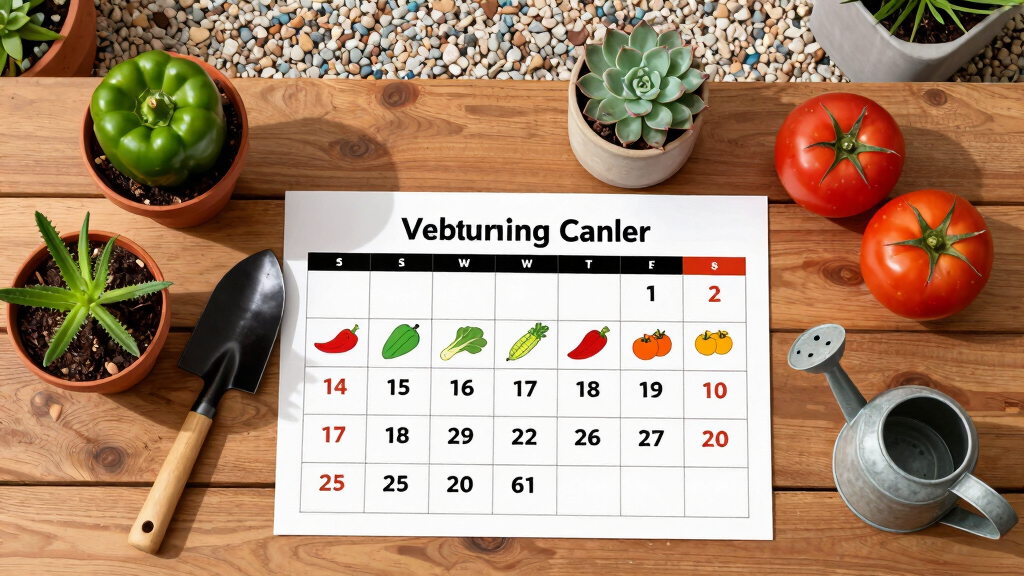
The low desert has two main vegetable growing seasons—fall/winter and spring/summer. Planning around these seasons, considering frost dates and heat, helps you harvest fresh veggies year-round with water-wise techniques.
Imagine biting into a fresh, crisp lettuce leaf in January, or harvesting ripe tomatoes in August—without worry about the scorching sun or unexpected frost. That’s the magic of understanding the low desert’s unique vegetable planting calendar. Most folks assume there’s just one window for gardening here, but in reality, you get two.
Knowing when to plant, what to grow, and how to protect your crops during each season transforms your garden into a year-round food source. Let’s break down the two seasons, share practical tips, and show you how to turn your desert yard into a continuous vegetable farm.
Plan for two distinct planting seasons—fall/winter and spring/summer—for a continuous harvest.
Choose your vegetables based on season: cool-weather crops for winter, heat-tolerant for summer.
Use shade cloths, frost covers, and microclimates to protect plants from extreme desert temperatures.
Implement drip irrigation and mulching to conserve water and keep soil temperature steady.
Opt for native or drought-tolerant varieties to reduce water use and increase resilience.
The Low Desert Vegetable Planting Calendar
Two seasons, not one. Match cool-weather crops to fall and winter, heat-tolerant crops to spring and summer, then use water-wise protection to keep fresh vegetables moving from garden to table all year.
Cool soil, mild days and prime conditions for leafy greens and roots.
Warm soil and long days for peppers, okra, eggplant, squash and melons.
Time maturity before frost or peak heat—not simply by the month.
One year. Two biological rhythms.
The calendar flips at the weather’s pressure points. Cool crops need time to mature before heat triggers bolting; warm crops need frost-free soil and enough runway to fruit before severe summer stress.
The cool-season garden
Sow from early fall as temperatures ease. Mild winter days support crisp leaves, roots and brassicas, while frost cloth stays ready for sudden cold snaps.
The heat-ready garden
Plant warm-season crops as frost risk fades and soil warms. Prioritize adapted varieties, morning sun, afternoon shade and direct-to-root irrigation.
Season-fit beats wishful planting.
Use temperature preference as the first filter, then account for frost sensitivity, shade needs and water demand. The highlighted column shows the ideal planting window.
| Crop group | Best window | Heat fit | Cold fit | Primary protection |
|---|---|---|---|---|
| Leafy greens | Sep—Feb | ✗ Poor | ✓ Strong | Frost cloth on cold nights |
| Broccoli & peas | Sep—Feb | ✗ Poor | ✓ Strong | Row cover during cold snaps |
| Tomatoes & peppers | Mar—early summer | ~ Moderate | ✗ Frost tender | Afternoon shade as heat rises |
| Eggplant & squash | Mar—Aug | ✓ Strong | ✗ Frost tender | Mulch plus steady drip |
| Okra & melons | Late spring—summer | ✓ Excellent | ✗ Poor | Deep watering at root zone |
Build every planting around the forecast.
A repeatable sequence turns climate uncertainty into manageable decisions. Recheck conditions before every transplanting date.
Check local dates
Use neighborhood frost history and the current 10-day forecast.
Match the crop
Select cool-loving or heat-tolerant varieties for the active window.
Prepare the root zone
Build well-draining soil, install drip lines and water deeply.
Add protection
Stage shade cloth, frost cover or a favorable microclimate.
Stagger & repeat
Sow small batches to spread harvests and reduce total crop loss.
Adjust inputs as evaporation rises.
These relative bars are planning cues, not fixed prescriptions. Soil type, crop age, wind and microclimate change actual irrigation needs—check moisture before watering.
Put water where roots can use it.
Drip irrigation reduces evaporation and runoff. Water in the cooler part of the day, mulch after watering, and favor fewer thorough soakings over wasteful surface sprinkles—while increasing frequency for young plants during intense heat.
Four controls protect the harvest.
Extreme temperatures are inevitable. Crop failure is less likely when protection is prepared before the forecast turns.
Shade cloth
Reduce afternoon solar stress and leaf scorch without blocking all useful light.
Frost covers
Cover tender crops before sunset and secure edges to hold warmer ground air.
Microclimates
Use sheltered corners, wall warmth and selective afternoon shade to soften swings.
Drip + mulch
Deliver moisture directly to roots and stabilize soil with roughly three inches of mulch.
Adapted varieties
Choose heat-tolerant, drought-resilient, native or region-tested cultivars.
Staggered sowing
Plant smaller successions so one weather event does not erase the entire harvest.
Every decision leads to resilience.
The strongest low-desert gardens connect climate awareness to crop choice, protection and water management instead of treating each as a separate task.
Why Two Seasons Matter More Than You Think
In the low desert, the climate isn’t just hot—it’s extreme. Summers can hit 110°F, while winter nights may dip below freezing. This wide temperature swing creates a challenge: how to grow crops successfully without succumbing to heat stress or frost damage.
Understanding these two distinct seasons is crucial because each has unique demands and opportunities. For instance, cool-season crops like lettuce and broccoli need the milder winter temperatures to thrive; planting them during the hot months would result in bolting or poor growth. Conversely, summer crops like peppers and eggplants are adapted to withstand high heat but often fail if planted too early or late in the year.
By recognizing and planning for these differences, you can optimize your planting schedule, reduce crop failure, and extend your harvest window. This approach also allows for crop rotation that maintains soil health and minimizes pest and disease issues linked to inappropriate timing or crop choices.
desert vegetable gardening supplies
As an affiliate, we earn on qualifying purchases.
As an affiliate, we earn on qualifying purchases.
Timing Your Planting: When to Sow in the Low Desert
Timing is everything in desert gardening. The low desert’s first frost usually arrives late November or early December, but cold snaps can happen anytime from late October to March, sometimes unexpectedly damaging tender crops. The second window opens around March, as temperatures warm up, providing a safe period for warm-season crops.
Understanding these windows helps you plan ahead. For example, planting lettuce in early October allows it to mature during the cooler winter months, avoiding the heat-induced bolting. Conversely, starting tomatoes and peppers in March takes advantage of the warming soil and air, giving them enough time to fruit before the intense summer heat arrives.
Adjust your schedule based on local frost dates—these can vary due to microclimates such as proximity to mountains or bodies of water. A thoughtful approach, combined with monitoring weather forecasts, helps prevent crop loss and ensures a steady supply of vegetables throughout the year.
As an affiliate, we earn on qualifying purchases.
Choosing the Right Crops for Each Season
The secret to year-round success? Picking the right vegetables for each season, considering their specific temperature and moisture needs. Cool-season crops like lettuce, spinach, and broccoli flourish during winter because they prefer lower temperatures, which also help prevent pests common in warmer months. Warm-season crops such as peppers, eggplants, and melons require high heat for optimal growth and fruiting, but are sensitive to cold and frost.
Understanding these needs allows you to make informed decisions about crop rotation, planting times, and varieties. For example, planting broccoli in October capitalizes on the cool season, while switching to peppers in March takes advantage of the warming weather. This strategic approach minimizes pest and disease risks while maximizing yield. Including drought-tolerant or native varieties further reduces water needs, which is critical in desert environments. The tradeoff is that some crops may have shorter harvest periods or require more protection, but the overall benefit is a resilient, productive garden that works with the desert’s extremes.
As an affiliate, we earn on qualifying purchases.
How to Protect Your Crops from Desert Extremes
Extreme heat or unexpected cold can wipe out your efforts. But with a few tricks, you can give your plants a fighting chance. For summer, shade cloths—like a giant umbrella—offer relief from the scorching sun, reducing heat stress and preventing sunburn on delicate leaves. During winter, frost covers or blankets insulate plants from freezing temperatures, minimizing damage and extending your growing season. Microclimates—such as planting near a south-facing wall or in a sheltered corner—can also create more stable conditions, reducing temperature swings and providing a more hospitable environment for sensitive crops.
These protective measures, when used strategically, allow you to extend your planting windows and safeguard your harvests. The tradeoff is that they require some setup and planning, but the payoff is a healthier, more productive garden that can withstand the desert’s extremes.
As an affiliate, we earn on qualifying purchases.
Water-Wise Gardening Tips for the Two Seasons
Water is king in the desert. Your goal? Deep, infrequent watering that keeps roots happy without wasting a drop. In cooler months, watering once or twice a week is enough because evaporation rates are lower and plants need less moisture. During summer, daily or every-other-day watering may be necessary, especially for transplants or high-demand crops, but always be mindful not to overwater, which can lead to root rot and other issues.
Implementing drip irrigation ensures water is delivered slowly and directly to roots, reducing evaporation and runoff. Mulching heavily—around 3 inches—helps conserve moisture, regulate soil temperature, and suppress weeds. Regularly check soil moisture by feeling the soil or using a moisture meter; wilting indicates plants are thirsty and need water. Balancing water use with plant needs prevents waste while promoting healthy growth.
Native and Drought-Tolerant Veggies: Are They Worth It?
Native and drought-tolerant vegetables are game-changers in the desert. They’re adapted to withstand extreme heat, low water, and poor soils, making them more resilient and easier to grow with less maintenance. For example, native amaranth, drought-tolerant peppers, and certain heirloom greens are bred or naturally adapted to thrive in these conditions, often producing better flavor and higher yields with fewer resources.
Incorporating these plants into your garden reduces water bills, minimizes pest and disease problems associated with overwatering, and promotes ecological harmony. They also help you build a sustainable, resilient landscape that can adapt to climate variability. The tradeoff is that some native varieties may have shorter harvest windows or different flavor profiles, but their hardiness often outweighs these considerations, especially for water conservation and low maintenance.
Avoiding Common Pitfalls in Desert Vegetable Gardening
One of the biggest mistakes? Overwatering or watering at the wrong times. Too much water during summer’s peak can cause root rot and fungal diseases, while insufficient watering in winter can stunt growth. Striking the right balance requires understanding your soil’s drainage and moisture needs, as well as observing your plants for signs of stress.
Another common trap is misjudging the timing—planting summer crops too early or late can expose them to damaging cold or heat. Always check your local frost dates and be prepared to adjust your schedule accordingly. Neglecting soil health—such as failing to mulch or amend soil—can reduce water retention and nutrient availability, making plants more vulnerable to drought stress and pests. Using organic matter and mulches improves soil resilience, helping your plants withstand the desert’s harsh conditions.
For example, a gardener who planted tomatoes in early March faced a late cold snap. Covering the plants with frost cloth saved the crop, but it underscored the importance of timing, protection, and soil health management for successful desert gardening.
Frequently Asked Questions
When is the best time to start planting in the low desert?
The ideal window for fall planting is September to October, just after the first cool snaps. For spring, aim for March, once the last frost has passed. Always check your local frost dates, as they can vary slightly.
Can I grow vegetables in containers all year round?
Absolutely. Containers are perfect for microclimates and season extension. Use shaded containers during peak summer and move them to sheltered spots during cold snaps. Container gardening gives you flexibility and control over watering and protection.
What are the easiest vegetables for a beginner in the desert?
Start with lettuce, radishes, and herbs like mint and rosemary. These are hardy, fast-growing, and forgiving of watering mistakes. As you get comfortable, add more challenging crops like tomatoes and peppers.
How often should I water during summer versus winter?
In summer, expect to water deeply every 1-2 days, especially for new plants. In winter, once a week or even biweekly can suffice, depending on soil and weather. Always check soil moisture before watering.
Are there native vegetables that do well in the desert?
Yes. Native amaranth, certain heirloom peppers, and drought-tolerant greens like chard can thrive with minimal water. Incorporating these plants helps build a resilient, water-wise garden.
Conclusion
Thinking of your garden as a two-act play rather than a single scene transforms what’s possible in the desert. With careful timing, smart protection, and the right plant choices, you can enjoy fresh vegetables year-round in the low desert.
Remember, it’s not just about working harder—it’s about working smarter with nature’s rhythms. Your desert garden can be a lush, productive oasis if you respect its two seasons and adapt accordingly.
Halloween Picks
halloween
As an affiliate, we earn on qualifying purchases.