TL;DR

Get garden gear delivered free — and shop member deals
- Fast, free delivery on millions of items
- Access to Prime Big Deal Days deals on October 6–7
- Prime Video, Amazon Music and more included
Many herbs tolerate full desert sun once established, but some need afternoon shade to avoid scorching. Using microclimates, shade cloth, and proper watering makes desert herb gardening successful.
Growing herbs in the desert isn’t about just picking the ones that say “full sun” on the label. It’s about understanding how much heat and reflected light they can handle, especially during peak summer. In a desert garden, the difference between a thriving herb and crispy leaves often comes down to microclimates and timing.
Knowing which herbs can take the full blaze of desert sun and which need a little afternoon relief helps you conserve water, prevent plant stress, and keep your garden lush and flavorful. Let’s break down the real needs of your desert herbs—so you can grow smarter, not harder.
Many Mediterranean and arid-origin herbs like rosemary, thyme, oregano, and sage tolerate full desert sun once established.
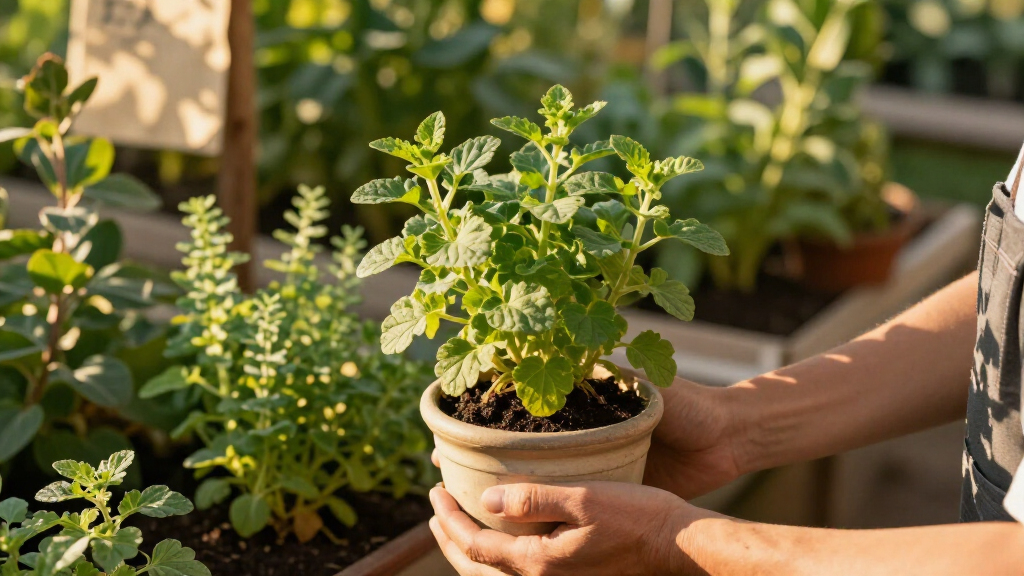
Tender herbs like basil, cilantro, and mint thrive with morning sun and afternoon shade, especially during peak summer.
Microclimates—like east-facing beds or shaded corners—can dramatically improve herb health and flavor.
Use shade cloth, organic mulch, and strategic watering to protect herbs during extreme heat without sacrificing growth.
Adjust your planting schedule based on seasonal shifts; cool-season herbs plant in fall/winter, warm-season in spring and early summer.
Which Herbs Take Full Desert Sun—and Which Need Afternoon Shade?
“Full sun” is not one fixed condition. Six hours of gentle morning light can nourish an herb; six hours beside a west-facing wall can scorch it. Match each plant to heat, season, root maturity, and reflected radiation—not merely the nursery label.
Direct light is the standard definition, but desert intensity changes the equation.
Above this range, tender foliage and newly planted roots need extra protection.
Enough relief to reduce scorch while preserving useful light and airflow.
Full Desert Sun Champions
Mediterranean and arid-origin herbs often carry their own heat defenses: small or narrow leaves, waxy or hairy surfaces, efficient roots, and a preference for fast-draining soil. Most perform best after their roots are established.
Rosemary
Narrow, resinous leaves limit moisture loss. Mature plants tolerate intense sun, but young or container-grown rosemary may need temporary protection.
Thyme
Compact foliage and excellent drought tolerance make thyme a reliable hot-site choice—provided drainage is sharp and roots never sit wet.
Oregano
Strong sun intensifies aromatic oils. Avoid overwatering and protect it from the amplified heat of metal fencing or bright masonry.
Sage
Gray, softly textured leaves help reflect sunlight. It handles dry heat better than humid soil or frequently wet roots.
Lavender
Sun and lean soil suit lavender, but hot roots and poor drainage can undo its natural resilience. Keep mulch away from the crown.
Desert Alternatives
Lemongrass, Mexican oregano and epazote handle warm conditions well. Adequate establishment water remains essential.
Also consider: marjoram · winter savory · bay laurel · garlic chives · common chives in cooler seasons
Morning Sun, Afternoon Relief
Broad, soft leaves lose water quickly and absorb more heat. A position with eastern exposure—or filtered shade during the hottest hours—can preserve color, flavor and harvest length.
Basil + Shiso
Bright morning light supports growth; peak afternoon exposure can bleach and burn lush foliage.
Parsley + Cilantro
Shade slows stress but cannot make cilantro a dependable midsummer crop once temperatures soar.
Mint + Lemon Balm
Afternoon protection reduces wilt and water demand. Containers help control spread and simplify relocation.
Dill + Tarragon
Protection helps, but dill naturally declines in extreme heat; tarragon benefits more consistently from summer shade.
Basil, parsley, cilantro, dill, mint, lemon balm, chervil, tarragon, sorrel, stevia, Vietnamese coriander, shiso and summer chives generally prefer morning sun with afternoon protection.
The Same Herb, Different Summer
Sun exposure should shift with the calendar. Fall, winter and spring light is often productive; peak-summer light carries much more heat stress. Planting at the right season matters as much as shade.
| Herb | Cooler months | Peak desert summer | Summer verdict |
|---|---|---|---|
| Basil | Full sun in warm weather | Morning sun or filtered afternoon shade | ~Protect |
| Parsley | Full sun to partial shade | Afternoon shade; may still decline | ~Seasonal |
| Cilantro | Full winter sun | Usually bolts or dies as heat arrives | ✗Replant later |
| Dill | Full sun in cool weather | Shade offers limited help in extreme heat | ✗Cool season |
| Mint | Full sun with ample water | Afternoon shade strongly preferred | ~Protect |
| Rosemary | Full sun | Full sun; protect young plants and pots | ✓Established |
| Thyme | Full sun | Full sun with excellent drainage | ✓Reliable |
| Sage | Full sun | Full sun without excessive reflected heat | ✓Reliable |
Tiny Site Differences, Big Plant Consequences
Orientation and surrounding materials change leaf temperature, root-zone heat and moisture loss. Treat every bed as its own climate.
East-facing bed
Morning energy, afternoon protection. Ideal for basil, parsley, mint and lemon balm.
West-facing wall
Stores and reradiates afternoon heat. Even rosemary can scorch when young or water-stressed.
South wall
Useful winter warmth can become punishing summer exposure as surrounding surfaces heat up.
Patio container
Easy to move into shade, yet pots heat and dry much faster than garden soil.
From Exposure to Flavor
Good desert herb care is a connected system. Each decision influences the next.
Read the exposure
Track morning, afternoon and reflected light—not hours alone.
Choose the microclimate
Reserve eastern and filtered sites for tender foliage.
Water the root zone
Water deeply in the morning; let drainage-loving herbs breathe.
Protect leaf quality
Less scorch and bolting means a longer, more flavorful harvest.
Grow Smarter, Not Harder
The winning strategy combines plant origin, seasonal timing, shade, drainage and measured irrigation.
Put established Mediterranean herbs in open sun—but keep them away from intense reflected heat.
Give tender herbs morning light and afternoon shade, especially during July and August.
Use 30–40% shade cloth during extreme heat without removing all productive light.
Water deeply and early; use organic mulch to moderate soil heat and evaporation.
Grow cilantro, dill, chervil and parsley mainly from autumn through spring instead of fighting midsummer decline.
Which Herbs Are Built for Full Desert Sun and Why
Herbs that naturally thrive in full desert sun usually come from regions with blazing heat, rocky soils, and little water. They have small, waxy, or hairy leaves that reflect sunlight and conserve moisture. Think of rosemary and lavender—plants that seem to glow with resilience in the midday heat.
Once established, these herbs handle six or more hours of direct sun, even in temperatures soaring past 100°F (38°C). However, understanding their natural adaptations reveals why they can withstand such conditions. Their small, reflective leaves reduce heat absorption, and their deep roots access water stored far below the surface, helping them survive prolonged droughts and intense sunlight. But this resilience isn’t limitless; reflected heat from surfaces like pavement or metal can intensify their exposure, risking scorch if not managed properly. Recognizing these nuances helps you position herbs for optimal health, balancing their tolerance with microclimate considerations.
In practice, these are your go-to herbs for full desert sun: rosemary, thyme, oregano, sage, lavender, winter savory, lemongrass, Mexican oregano, epazote, and bay laurel (especially when mature). They often thrive with minimal watering, provided soil drains well and roots are established, but understanding their natural defenses allows you to avoid overestimating their resilience in less-than-ideal microclimates.
As an affiliate, we earn on qualifying purchases.
Herbs That Usually Need Afternoon Shade (And How to Protect Them)
Herbs like basil, parsley, cilantro, dill, mint, lemon balm, and tarragon often struggle under the relentless afternoon sun. These plants originate from cooler, more temperate zones or environments where they are shielded by shade or seasonal coolness. In desert heat, their leaves can bleach, scorch, or bolt prematurely, leading to flavor loss and plant decline. Recognizing this helps prevent unnecessary crop failure.
For example, basil’s lush green leaves are highly sensitive to intense sunlight; exposure to the hottest afternoon rays causes chlorophyll breakdown, leading to pale, scorched leaves and reduced flavor. Mint and lemon balm, which thrive in moist, shaded environments, wilt quickly under extreme heat, and their delicate tissues are prone to sunburn. Providing afternoon shade—either with shade cloth, planting under taller plants or trees, or positioning containers where they catch the cooler morning sun—can significantly mitigate stress. Implementing 30–40% shade during the hottest hours creates a microenvironment that preserves leaf integrity, flavor, and overall plant health, enabling these herbs to flourish in desert conditions.
Understanding these shading needs is crucial because it balances the plant’s natural preferences with the harsh realities of desert heat. It’s a tradeoff: some shade might slightly reduce photosynthesis but prevents heat stress, bolstering overall productivity and flavor. This strategic shading can turn a marginal herb into a thriving, flavorful addition to your garden.
As an affiliate, we earn on qualifying purchases.
Seasonal Changes: When Your Herbs Need Shade or Sun
Many herbs change their sun needs with the seasons. Basil, for instance, thrives in full sun during spring and fall but needs protection in peak summer. During July and August, an east-facing bed with morning sun and afternoon shade keeps basil productive without burning leaves. This seasonal adjustment prevents heat stress and bolting, extending the harvest window and maintaining flavor quality.
In contrast, herbs like cilantro and dill are cool-season crops in the desert—they bolt or die once the heat arrives, even with some shade. For them, planting in fall or late winter provides the best chance for lush growth. Recognizing these seasonal shifts allows you to plan planting schedules that align with their natural temperature tolerances, avoiding the stress of summer heat and maximizing flavor and yield.
Here’s a quick look at seasonal needs:
| Herb | Cool Months | Peak Summer Needs |
|---|---|---|
| Basil | Full sun | Morning sun or filtered afternoon shade |
| Parsley | Full sun to partial shade | Shade in extreme heat, may decline otherwise |
| Cilantro | Full winter sun | Bolts quickly in summer, needs shade or shade cover |
| Dill | Cool weather | Shade helps but cannot prevent decline in extreme heat |
As an affiliate, we earn on qualifying purchases.
Microclimates Matter: Tiny Differences, Big Impact
Your garden’s layout creates microclimates that can turn a plant’s success or failure. An east-facing bed gives tender herbs morning sun and afternoon protection—perfect for basil and parsley. Conversely, a west-facing corner traps intense afternoon heat, risking scorch and wilt, which can compromise herb health and flavor. Recognizing these microclimatic differences allows you to position plants where they can thrive, not just survive.
Similarly, planting near a south-facing wall can mean warm winter sun but deadly summer heat. Containers placed on a patio might dry out fast, needing more frequent watering and shade. Gravel mulch, while good for moisture retention, can reflect heat and cook roots if not managed carefully. Each of these subtle differences impacts soil temperature, moisture retention, and plant stress levels, which in turn influence growth, flavor, and overall vitality.
Understanding these microclimates lets you optimize placement—placing tender herbs in cooler, shaded spots and more resilient herbs in full sun. This strategic placement maximizes growth potential and flavor while reducing stress, leading to a healthier, more productive garden.
As an affiliate, we earn on qualifying purchases.
Water and Soil Tips to Keep Herbs Happy in the Heat
In the desert, water is your best friend—if you use it wisely. Deep, infrequent watering encourages deep roots that can better handle drought. For established herbs, watering early in the morning is best—less evaporation, less stress. This approach ensures consistent moisture levels while reducing water waste and stress-induced leaf drop.
Herbs like rosemary and sage prefer dry soil that drains quickly, mimicking their native arid environments. Overwatering can rot roots or cause fungal issues, especially in containers where water doesn’t drain well. Conversely, leafy herbs like basil and mint need consistent moisture but dislike soggy soil, which can lead to root rot and disease—so balancing watering frequency is key.
Mulch with organic materials—shredded bark or compost—to keep roots cool and moisture in, creating a buffer against temperature extremes. Avoid heavy gravel directly touching plant crowns, which can trap heat and cause rot. Proper soil amendments and watering schedules tailored to each herb’s needs help maintain healthy growth and flavor, even in extreme heat.
Using Shade Cloth and Other Summer Protectors Without Killing Growth
Shade cloth is a gardener’s best ally in summer. About 30–40% shade is enough to block the hottest afternoon rays without significantly reducing light for photosynthesis. Position it above your herbs, not directly on the leaves, for best airflow and cooling, which prevents fungal issues and leaf scorch. Proper placement ensures your herbs get relief from extreme heat while still receiving enough light to grow vigorously.
For example, draping a lightweight shade cloth over a tomato cage or a frame keeps basil and cilantro from bleaching or wilting. Adjust the height throughout the season to match the sun’s angle and the plant’s growth stage, ensuring optimal protection without shading out essential sunlight.
Remember: too much shade can weaken plants or dull their flavor by limiting light. Monitoring plant response and adjusting the shade setup as needed allows you to balance protection with growth. This strategic use of shade cloth extends your herbs’ productivity during the hottest months, maintaining their vigor and flavor.
How to Spot and Fix Sun or Heat Stress in Your Herbs
Recognizing signs of sun stress is vital for timely intervention. Look for bleached or crispy leaves, scorched leaf edges, midday wilting, or rapid soil drying—these symptoms indicate your herb is overexposed or experiencing excessive heat. Immediate action prevents permanent damage and preserves flavor.
For example, basil with pale, speckled leaves is suffering from sunburn; moving it into more shade or providing temporary cover can help it recover. Mint wilted in the afternoon benefits from a shade cover or extra watering, which cools the plant and restores turgor. The key is to act quickly—adjust positioning, provide extra water, or add shade—to reduce stress before irreversible damage occurs.
Gradually acclimating plants to increased sun exposure after a period of shade can also build resilience. Avoid heavy pruning or fertilizing during extreme heat, as this can further stress the plant. Regularly monitoring your herbs’ appearance and environmental conditions helps maintain their health and flavor, even during the hottest days.
Frequently Asked Questions
Can basil take full desert sun?
Basil can handle substantial morning sun, but intense afternoon rays may scorch it. In hot desert summers, placing basil where it gets early sun and some shade in the afternoon helps keep leaves healthy and flavorful.Does rosemary need shade in extreme heat?
Established rosemary usually loves full sun, but young or container plants benefit from some afternoon protection. A brief break from the hottest hours prevents leaf scorch and keeps plants vigorous.Why does cilantro die even when it is shaded?
Cilantro is a cool-season herb. High temperatures trigger bolting (flowering and seed production), so even shade may only delay its decline. Plant cilantro in fall or late winter for best flavor and growth.Can mint grow in full desert sun?
Mint can survive in full sun if it’s kept well-watered, but it prefers morning sun and afternoon shade. Growing in containers helps control its invasive roots and keeps it from wilting in extreme heat.How much shade is best for herbs in summer?
A shade cloth providing 30–40% shade is ideal for most herbs during peak desert summer. It blocks the harshest rays while allowing enough light for healthy growth and flavor development.Conclusion
Growing herbs in the desert isn’t about fighting the sun—it’s about working with it. Smart placement, shade, and watering turn extreme heat from a threat into an advantage. Remember, a little shade and patience create a garden that’s lush, flavorful, and water-wise.
So, next time you plant, think about microclimates—your herbs will thank you with vibrant leaves and bold flavors, even in the hottest months. Your desert garden can be a thriving, fragrant oasis if you play your cards right.
Fall Picks
fall essentials
As an affiliate, we earn on qualifying purchases.