TL;DR

Get garden gear delivered free — and shop member deals
- Fast, free delivery on millions of items
- Access to Prime Big Deal Days deals on October 6–7
- Prime Video, Amazon Music and more included
A Grow Organic report presents Sweet Green Armenian cucumber, French Breakfast radish and Genovese basil as varieties home gardeners can compare for shape, flavor and kitchen use. It advises checking current listings and growing directions, then choosing varieties that suit available space, season and intended harvest.
Grow Organic’s guide to distinctive home garden varieties highlights Sweet Green Armenian cucumber, French Breakfast radish and Genovese basil as options gardeners can compare by shape, flavor and intended use. The report matters to gardeners planning limited space because it recommends checking each crop’s growing needs and current seed listing before choosing what to plant.
The report describes the Sweet Green Armenian cucumber listing as offering long, ribbed fruit with a mild flavor. Its planning question is practical: gardeners should consider where the vines will grow and how they will reach the fruit at harvest. The guide presents the cucumber as an option for people interested in fresh slices with an unusual shape, not as a guaranteed fit for every garden.
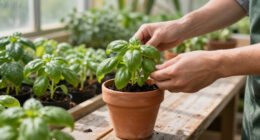
For a crisp, colorful root crop, the report points to French Breakfast radish, whose listing describes oblong pink-and-white roots with a mild peppery flavor. It asks gardeners to check whether the variety’s growing window fits the season they are planning. For leaves used in pesto and other dishes, it names Genovese basil, described in the listing as having large green leaves and a sweet basil aroma. The guide notes that this tender annual needs a warm, suitable place, such as a desert patio garden.
These examples are presented as choices to compare, not a ranking or a promise of performance. The report advises checking current product pages for availability, packet options and growing directions. It also says to verify claims such as a variety’s origin, breeding method or organic certification individually rather than inferring them from appearance.
Choosing Seeds Around Meals and Space
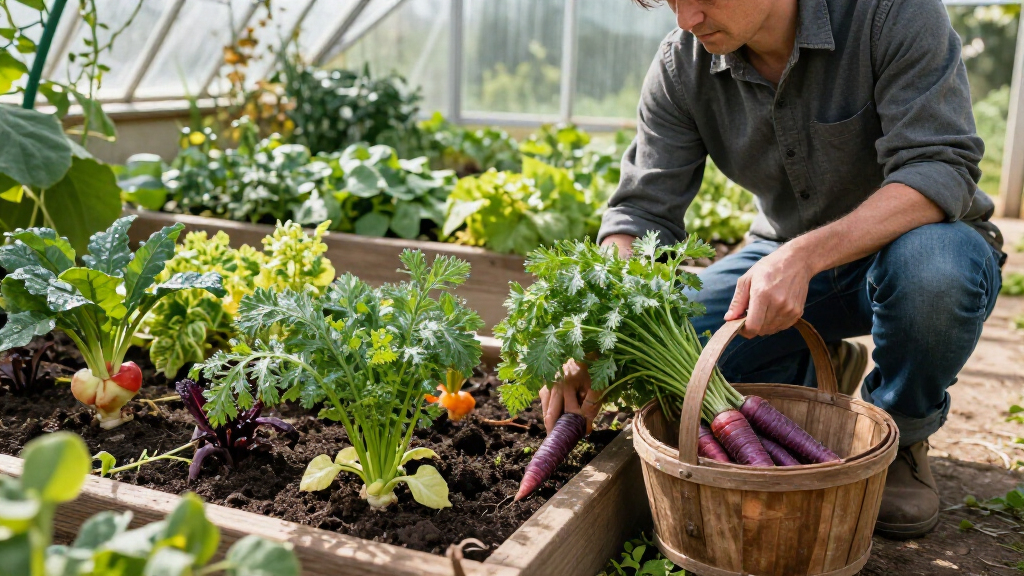
The guide puts intended use at the center of seed selection: a crop is more likely to earn its space if the gardener already has a use for its harvest. Thinking about meals can help prioritize fresh cucumber slices, peppery roots for salads or basil for pesto. This can be useful in a small garden, where adding another packet means allocating space away from existing crops.
Matching a variety to its growing conditions also helps make the experiment manageable. A vining cucumber needs a different layout from a root crop or a compact herb. Checking mature habit, root space, light and access before ordering can help gardeners plan the planting and reach the harvest. The report recommends keeping notes on flavor, texture and how the crop was used, then using that experience to decide what to grow again.
Three Crops, Three Garden Interests
The report organizes its examples around what a gardener might want from a crop: a different shape, a particular eating experience, an ingredient for a kitchen project or an experiment to observe. Its three listings span fruit, roots and leaves, so the planning questions differ as well. The cucumber calls for a plan for vines and harvest access; the radish calls for attention to the planned growing window; basil calls for a warm location.
The guide also makes clear that “distinctive” is personal. Genovese basil may already be familiar to some cooks, yet it can still be a new choice for a particular garden. The report says rarity alone does not make a crop more worthwhile and cautions against judging an entire crop based on one unfamiliar variety or a difficult season.
Availability and Local Growing Conditions
The source does not give a publication date, current stock information, prices or packet sizes. Those details may change, so gardeners are directed to check the current product page. The report also does not establish that these varieties will succeed in any particular location: garden fit depends on local conditions, available space and the directions for each seed listing. A photograph or unusual appearance alone does not confirm harvest quality, origin, seed type or certification.
Check Listings Before Planting
Gardeners considering one of the varieties can compare the current listing with the space and season they have, then consult the packet and local growing guidance before setting a planting date. The report recommends keeping the variety name with planting and harvest notes, including what tasted good and what they would change. Those observations can guide decisions about what deserves space in a later season.
Key Questions
Are unusual varieties always harder to grow?
Not necessarily. Appearance or a variety name does not establish difficulty. Check the crop’s requirements, the listing’s directions and whether your garden can provide suitable conditions.
Do I need to grow all three varieties?
No. The examples are options to compare, not a required garden plan. Start with a crop you expect to use and can accommodate.
Can I choose a variety from its photograph alone?
Use a photograph alongside the written description, botanical name, seed type and growing information. Appearance alone does not show whether a variety suits your garden or establish its harvest quality.
What should I check before ordering seeds?
Check the current product page for availability, packet options and growing directions. Compare the crop’s space, light and seasonal needs with your garden, and verify any claims about origin or certification separately.
Source: rss
Fall yard work Picks
leaf blowers
As an affiliate, we earn on qualifying purchases.