
TL;DR

Get garden gear delivered free — and shop member deals
- Fast, free delivery on millions of items
- Access to Prime Big Deal Days deals on October 6–7
- Prime Video, Amazon Music and more included
Carrots fork mainly due to soil issues, uneven watering, and genetics. Fixing your seed bed with proper tillage, consistent moisture, and resistant varieties keeps roots straight and healthy in desert gardens.
If you’ve ever grown carrots in the desert, you’ve probably seen those weird, split roots that look like tiny trees. It’s frustrating, especially when you’re aiming for neat, straight roots. The good news? Most forking happens because of simple issues like soil compaction or inconsistent watering—issues you can fix. Today, I’ll walk you through why desert carrots fork and how to get that seed bed just right to grow smooth, beautiful roots.
Whether you’re a seasoned desert gardener or just starting, understanding what causes forking helps you avoid it. Plus, I’ll share practical tips that turn your rocky, dry soil into a carrot-friendly zone. Let’s get those roots growing straight and strong!
Proper soil preparation—loose, level, and free of rocks—prevents root splitting.
Consistent, even watering keeps roots from stressing and forking.
Choose carrot varieties suited to desert soils and resistant to deformities.
Adding organic matter improves soil texture and drainage, reducing deformities.
Adjust planting timing and avoid extreme weather to minimize stress.
What Causes Carrots to Fork in Desert Conditions?
Carrots fork when their roots split into two or more parts. In desert soils, the main culprits are soil compaction, hidden rocks, uneven moisture, and sometimes seed genetics. Imagine planting in a patch of soil that’s been walked on, packed down, or filled with tiny stones. The roots hit a hard obstacle or experience irregular water levels, forcing them to split around the obstacle or where moisture is inconsistent.
For example, if you plant carrots after a heavy rain followed by a dry spell, the roots might push and split, trying to find water and space. An overpacked seed bed or a few stubborn rocks can turn a straight root into a tangled mess in no time.
Understanding why these issues cause forking is crucial because it highlights the importance of soil structure and water management. When soil is too compacted, roots struggle to penetrate smoothly, leading to splits and deformations. Rocks create physical barriers that roots grow around, which often results in forks. Irregular watering causes roots to expand unevenly, as they search for moisture, increasing the likelihood of splits. Recognizing these factors helps gardeners prioritize soil aeration, removal of obstructions, and consistent watering schedules, ultimately reducing deformities and improving yield quality.
carrot seed varieties resistant to deformities
As an affiliate, we earn on qualifying purchases.
As an affiliate, we earn on qualifying purchases.
Why Fixing Your Seed Bed Prevents Carrot Forking
Fixing your seed bed isn’t just about making planting easier. It’s about creating the perfect environment for roots to grow straight and strong. A loose, well-prepared seed bed reduces obstructions and prevents roots from splitting or deforming.
When you loosen soil to at least 12 inches deep, you give carrots room to stretch out without hitting rocks or dense patches. This depth is critical because it minimizes physical barriers that cause roots to fork or deform as they grow. Additionally, a well-amended soil with organic matter improves drainage and water retention, which helps maintain consistent moisture levels. Consistent moisture reduces the roots’ need to grow unevenly in search of water, thus preventing splits and deformities.
Think of your seed bed as the foundation of a sturdy house—if it’s solid and well-prepared, your carrots will grow straight and healthy. Proper soil preparation also helps reduce mechanical stress on roots, which can lead to deformities. By proactively creating an optimal environment, you reduce the likelihood of forking later in the season, saving time and effort on corrective pruning or root culling. Ultimately, a well-prepared seed bed is a critical step toward a bountiful, uniform harvest of straight carrots.
soil aeration tools for vegetable gardens
As an affiliate, we earn on qualifying purchases.
As an affiliate, we earn on qualifying purchases.
Step-by-Step: How to Fix Your Desert Seed Bed for Straight Carrots
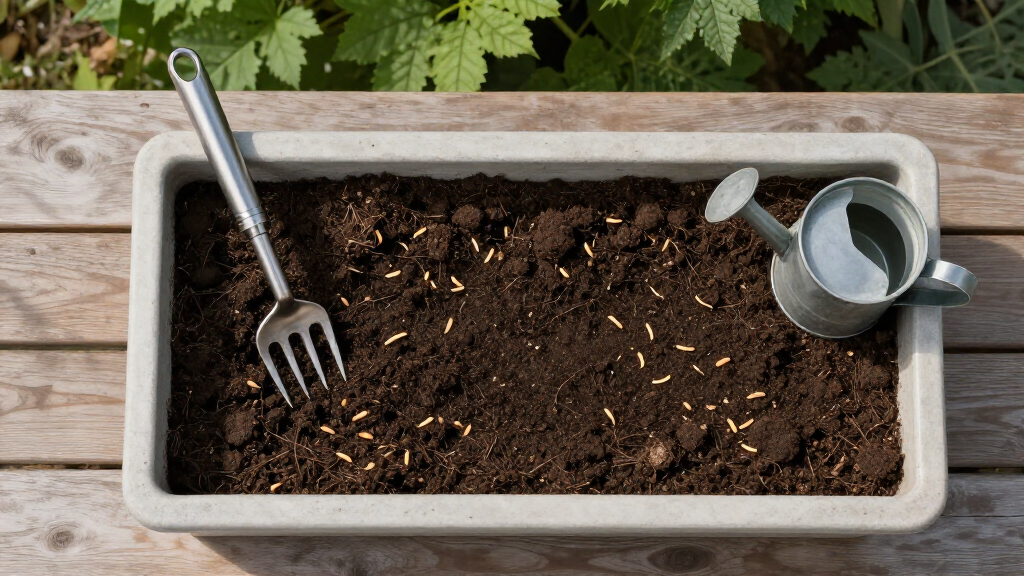
- Clear your planting area: Remove rocks, sticks, and debris. Use a garden fork or rake to loosen the top 12-18 inches of soil, breaking up compaction and removing obstructions that could cause roots to fork. This step is essential because compacted or cluttered soil creates physical barriers that roots must navigate around, often leading to forks and deformities.
- Amend the soil: Mix in compost or organic matter to improve texture and drainage. This creates a softer, more uniform medium that supports straight root growth and prevents roots from hitting dense patches or stones. Proper amendment also enhances nutrient availability, promoting healthy, uniform development.
- Level and smooth: Flatten the surface for uniform planting depth. An even seed bed prevents roots from encountering sudden dips or hard spots, which can cause forks or deformities. A consistent planting depth ensures roots grow evenly, reducing stress and deformities caused by uneven soil conditions.
- Water deeply and consistently: Before planting, ensure the soil is moist but not waterlogged. Maintain even moisture through drip irrigation or careful hand-watering, which reduces stress and uneven root growth. Consistent watering prevents roots from expanding unevenly or pushing against dry soil pockets, both of which can cause forking.
- Plant at the right time: Avoid planting during extreme heat or drought. Early morning or late afternoon planting reduces environmental stress, helping roots establish evenly. Timing is crucial because high temperatures and drought stress can cause roots to grow irregularly or split due to rapid expansion or dehydration.
- Thin seedlings: Once sprouts appear, thin to prevent overcrowding, which can cause roots to compete and fork as they grow in limited space. Proper spacing ensures each root has enough room to develop without interference, reducing deformities.
Following these steps creates a friendly environment for your carrots, reducing stress that leads to forking. Think of it as giving your roots a smooth, obstacle-free highway to grow straight, healthy roots.
watering systems for desert gardens
As an affiliate, we earn on qualifying purchases.
As an affiliate, we earn on qualifying purchases.
Comparison: Soil Prep Tips for Straight Carrots
| Method | What It Does | Best For |
|---|---|---|
| Deep Tilling | Loosens soil to prevent compaction | Heavy, compacted soils |
| Adding Organic Matter | Improves drainage and soil texture | Sandy or rocky soils |
| Raking & Leveling | Creates a smooth seed bed | Uneven surfaces |
| Consistent Watering | Maintains uniform moisture levels | Dry, arid conditions |
| Crop Rotation | Reduces soil-borne stress and pests | Long-term soil health |
organic soil amendment for carrots
As an affiliate, we earn on qualifying purchases.
As an affiliate, we earn on qualifying purchases.
Troubleshooting: What If My Carrots Still Fork?
If your carrots still fork despite good soil prep, don’t get discouraged. Sometimes, genetics play a role—some cultivars are more prone to deformities. Also, irregular watering or unexpected weather can stress roots.
In such cases, try switching to resistant varieties, or tweak your watering schedule to keep moisture levels steady. Remember, even seasoned gardeners face setbacks—patience and adjustment are key.
For example, if you notice forking in a certain bed, consider adding a layer of organic mulch to regulate moisture and keep soil temperature stable. Small tweaks can make a big difference over a season.
Frequently Asked Questions
Can I fix forked carrots after harvest?
No, once a carrot forks, it can’t be made straight. However, you can trim the split parts and use them in soups or stews. Prevention through good soil and watering practices is your best bet.
What’s the main cause of forking in desert carrots?
The main causes are soil compaction, rocks, uneven moisture, and sometimes genetics. Keeping the soil loose, level, and consistently moist helps prevent root splitting.
How often should I water my desert carrots?
Maintain even moisture—about once every 2-3 days, depending on heat and soil type. Deep, slow watering encourages roots to grow straight and avoids stress that causes forking.
Are some carrot varieties better for desert gardening?
Yes, look for cultivars labeled as resistant to deformities or suited for dry, sandy soils. Local seed catalogs often list varieties that perform well in desert conditions.
What soil amendments help prevent forking?
Organic matter like compost, aged manure, and soil conditioners improve drainage and texture, making a softer, obstacle-free environment for roots.
Conclusion
Fixing your seed bed isn’t just about neat roots—it’s about giving your carrots the best chance to grow straight and strong. A loose, well-watered soil sets the stage for success. Remember, a little extra effort during preparation saves you from crooked, unusable roots later.
Think of your garden as a tiny desert oasis—where every root has room to stretch and flourish. Keep your soil soft, your watering steady, and your choice of seeds smart. That’s the secret to straight, beautiful carrots in any desert patch.
Fall yard work Picks
leaf blowers
As an affiliate, we earn on qualifying purchases.