
TL;DR

Get garden gear delivered free — and shop member deals
- Fast, free delivery on millions of items
- Access to Prime Big Deal Days deals on October 6–7
- Prime Video, Amazon Music and more included
Arizona encourages greywater and rainwater harvesting to conserve water, but rules vary by system size and local jurisdiction. Permits, safety measures, and proper system design are key to staying legal and safe, especially in the desert climate.
Water is the lifeblood of your desert garden, but in Arizona, it’s also tightly regulated. If you’re thinking about tapping into greywater or collecting rainwater, you’re not alone. Many homeowners are turning to these methods to stretch their water supplies and keep their gardens thriving.
Understanding the rules isn’t just about avoiding fines; it’s about doing right by your landscape and the environment. This guide walks you through what you need to know about Arizona’s greywater and rainwater harvesting rules — practical, straightforward, and zone-specific advice you can trust.
Arizona allows greywater and rainwater harvesting mainly for outdoor use, but rules vary by system size and location.
Using biodegradable soaps and proper system design prevents health hazards and groundwater contamination.
Small rainwater systems usually don’t need permits, but larger cisterns often do—check local regulations first.
Regular maintenance like cleaning filters and covering tanks keeps your system safe and efficient.
Stay informed about local incentives; many utilities now offer rebates for water-saving systems.
What Arizona Law Says About Using Greywater in Your Garden
Arizona permits greywater use from sinks, showers, and laundry in outdoor gardens, but it’s not a free-for-all. The key is following state and local rules to avoid health hazards. Greywater must be used on landscape plants, not edible parts like fruits or vegetables unless treated properly.
For example, if you install a simple greywater system from your laundry, it’s best to direct the water to drought-tolerant plants like desert sage or agave. Using biodegradable, phosphate-free soaps keeps the system healthy and prevents clogging or soil contamination.
Most importantly, your greywater system should prevent contamination of groundwater or surface water. It’s wise to check your local codes—some cities require permits, especially for larger or complex setups. The importance of proper greywater management lies in avoiding the health risks associated with untreated wastewater, which can contain pathogens or chemicals that threaten groundwater quality. When systems are poorly designed or maintained, they can lead to soil buildup of harmful substances or even allow greywater to pool or runoff into water sources, creating contamination hazards. Thus, understanding these risks underscores why adherence to guidelines and proper system design are crucial for safe greywater reuse.
greywater irrigation system for gardens
As an affiliate, we earn on qualifying purchases.
As an affiliate, we earn on qualifying purchases.
How to Install a Compliant Greywater System in the Desert
- Start with a simple, gravity-fed system that pipes greywater from laundry or bathroom sinks to your garden beds. This minimizes complexity and reduces the risk of failure.
- Use approved, biodegradable soaps to keep the water clean and system clog-free. Non-toxic soaps prevent harmful buildup in soil and plants, ensuring that your greywater remains safe for outdoor use.
- Install a diversion or filtration device to catch lint or solids, protecting your plants and soil from clogging and potential disease vectors. Regularly cleaning these filters is essential to maintain system efficiency and safety.
- Ensure the system is designed to prevent greywater from pooling or runoff that could reach groundwater sources. This involves proper slope, drainage, and containment measures that avoid saturation or contamination of water tables.
- Check local rules—some jurisdictions need permits or inspections for larger or more complex systems. Failing to do so can result in fines or system shutdowns, so understanding local regulations before installation is vital.
As an affiliate, we earn on qualifying purchases.
Rainwater Harvesting Rules You Need to Know
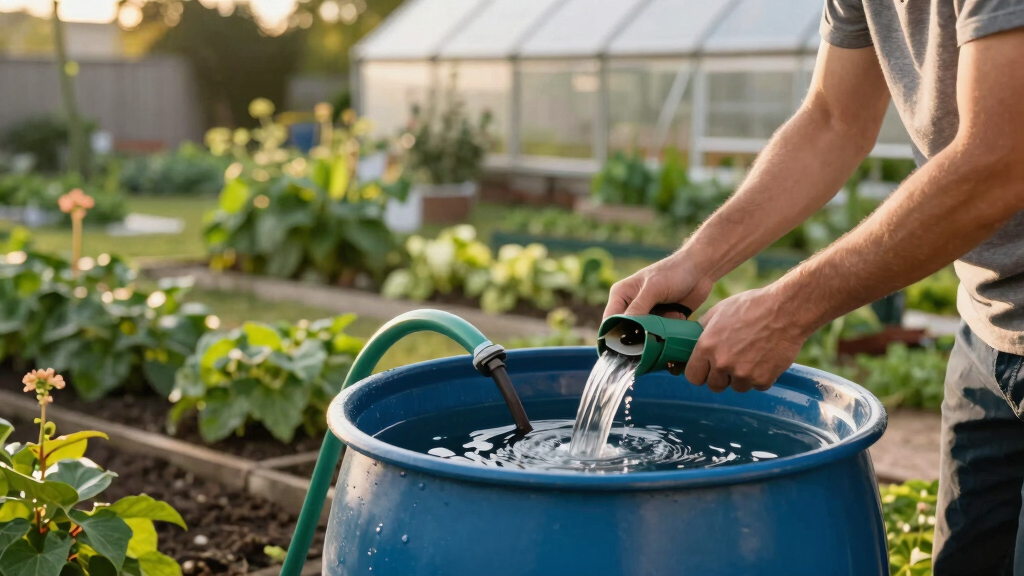
Rainwater harvesting in Arizona is encouraged because it reduces reliance on scarce groundwater and helps conserve water in an arid climate. Collecting rain from your roof into barrels or larger tanks is often permitted without permits if the system remains small. However, larger systems or cisterns that store significant amounts of water are subject to local regulations, and obtaining permits can be a critical step to avoid fines or legal issues.
Covering tanks to prevent mosquitoes and debris is essential. Mosquitoes breed in standing water, which can become a health hazard, especially if the water is stored for extended periods. Installing a first-flush diverter is a practical measure—this device diverts the initial runoff that contains dirt, leaves, and other contaminants, ensuring cleaner water for your garden and reducing the risk of introducing pollutants into your landscape.
For example, a homeowner in Phoenix set up a 55-gallon rain barrel connected to a drip irrigation system for vegetables. They didn’t need a permit because it was under the city’s small-system threshold, but they understood that expanding or upgrading their system might require approval. Properly maintained rainwater systems can significantly reduce water bills and environmental impact. Remember, rainwater is primarily for outdoor use—landscaping, garden beds, and drought-tolerant plants. Using rainwater indoors or for drinking involves complex treatment processes and often requires special permits, which are critical for ensuring safety and compliance.
biodegradable soap for greywater systems
As an affiliate, we earn on qualifying purchases.
As an affiliate, we earn on qualifying purchases.
Comparison: Greywater vs. Rainwater Harvesting — Which Fits Your Garden?
| Feature | Greywater | Rainwater |
|---|---|---|
| Source | Sinks, showers, laundry | Storm runoff from roof surfaces |
| Typical uses | Outdoor irrigation, landscape plants | Outdoor watering, landscape, drought-tolerant plants |
| Permitting needed | Often yes, especially for larger systems | Usually no for small systems, yes for large cisterns |
| Safety concerns | Soap quality, system design, prevent groundwater contamination | Mosquito breeding, contamination, filtration |
| Ease of setup | Moderate, needs plumbing and safety measures | Simple with rain barrels, more complex with large tanks |
Choosing between greywater and rainwater harvesting depends on your garden’s needs, space, and how much effort you’re willing to invest. Greywater offers a controlled, steady supply, especially useful during dry spells, but requires careful system design and maintenance to prevent health risks. Rainwater harvesting provides a natural, renewable source that can handle larger volumes, ideal for drought-prone areas, but it involves considerations like storage capacity, permits for larger systems, and maintenance to prevent mosquito breeding and contamination. Understanding these tradeoffs helps you select the best water-saving method for your landscape, balancing convenience, safety, and environmental benefit.
As an affiliate, we earn on qualifying purchases.
Keep Your Systems Safe and Legal — Easy Tips
- Use only biodegradable, phosphate-free soaps in greywater systems. This prevents harmful chemicals from accumulating in your soil and groundwater, protecting your landscape and health.
- Cover rain tanks to prevent mosquito breeding and debris entry. Properly sealed tanks reduce health risks and keep your water clean for plants.
- Install first-flush diverters to discard initial runoff containing dirt, leaves, and pollutants. Regularly maintaining these devices ensures your water remains as clean as possible, reducing the chance of introducing contaminants into your garden.
- Check your local rules before expanding or modifying your system. Regulations can change, and understanding local requirements helps you avoid fines and ensures your setup remains compliant.
- Schedule regular inspections—clogged filters and leaks are common issues that can compromise safety and efficiency. Routine maintenance prolongs system life and maintains water quality.
Frequently Asked Questions
Is it legal to use greywater in my Arizona home garden?
Yes, but you must follow specific guidelines—use biodegradable soaps, avoid contact with edible plant parts unless treated, and comply with local rules. Check your city’s regulations for permits if needed.
Do I need a permit to install a rainwater harvesting system?
For small systems like rain barrels under a certain capacity, permits are usually not required. Larger cisterns or systems that collect significant stormwater may need approval from local authorities, so check with your city or county.
What soaps are safe for greywater systems?
Choose biodegradable, phosphate-free, and non-toxic soaps. These prevent clogging, help keep your greywater system healthy, and protect your soil and plants from harmful chemicals.
Can I use rainwater for indoor household needs?
Generally, rainwater is best for outdoor use—irrigation and landscaping. Indoor use requires advanced treatment and permits, so it’s more complex and varies by local rules.
Are there rebates or incentives for greywater or rainwater systems in Arizona?
Some local utilities and government programs offer rebates or incentives for installing water conservation systems. Check with your municipality or water district to see what’s available in your area.
Conclusion
Arizona homeowners can water their gardens wisely by following the rules—saving water while keeping safety in check. Properly designed greywater and rainwater systems are powerful tools in the desert, but they need respect and care.
Think of these systems as your garden’s best friends—trustworthy, water-wise, and ready to help your desert landscape thrive. Stay legal, stay water-smart, and your garden will thank you for it.
Halloween Picks
halloween
As an affiliate, we earn on qualifying purchases.