
TL;DR

Get garden gear delivered free — and shop member deals
- Fast, free delivery on millions of items
- Access to Prime Big Deal Days deals on October 6–7
- Prime Video, Amazon Music and more included
In Arizona, you can legally use certain greywater systems in your desert garden without a permit. Stick to simple setups like laundry-to-landscape and biodegradable soaps, and avoid complex plumbing or large storage tanks. Following these rules helps conserve water and stay within the law.
Imagine turning your laundry water into a silent helper for your desert garden. No permits, no fuss—just smart, water-wise gardening that respects the arid landscape. Greywater, when used right, can cut your water bills and give your plants a boost, even in the harshest climates.
But navigating Arizona’s laws can feel tricky. This guide breaks down exactly what you can do without a permit, the best practices to stay legal, and how to make your greywater system safe and effective. Ready to save water and grow lush plants in the desert? Let’s get started.
Arizona permits simple, residential greywater systems without a permit, like laundry-to-landscape, if they follow safety rules.
Use biodegradable, phosphorus-free soaps to prevent soil and plant damage and stay within legal limits.
Design your greywater system to soak into the soil—avoid pooling, runoff, or standing water, especially in desert soils.
Regular maintenance and inspections keep your greywater system safe, odor-free, and compliant.
Always check local rules, as city or county regulations can add specific restrictions or guidelines.
What Arizona Law Lets You Do With Greywater Without a Permit
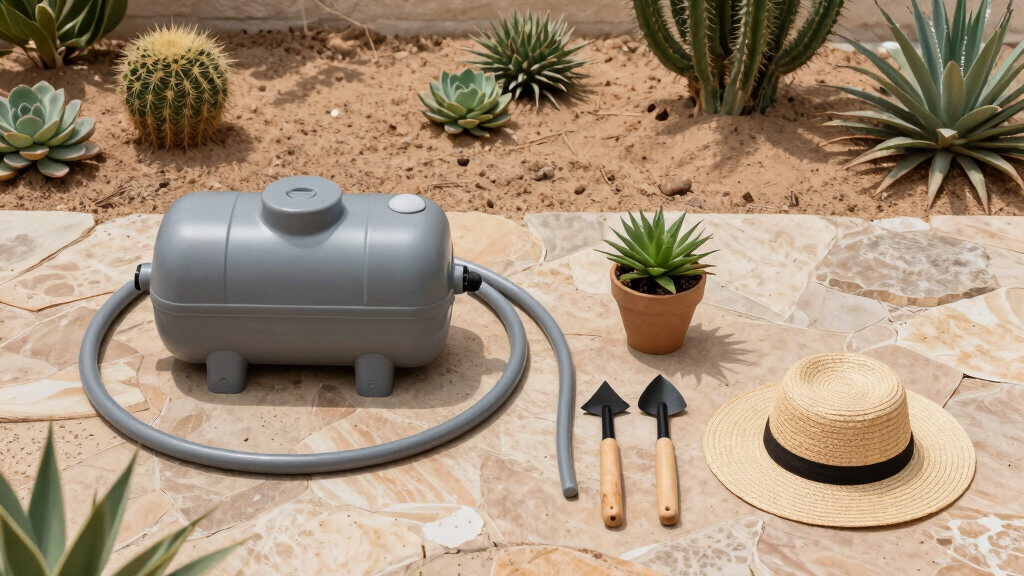
Arizona’s regulations focus on simple, residential greywater systems that don’t involve complex plumbing or large storage tanks. If your setup follows basic standards—like a laundry-to-landscape system—you’re likely good to go without a permit.
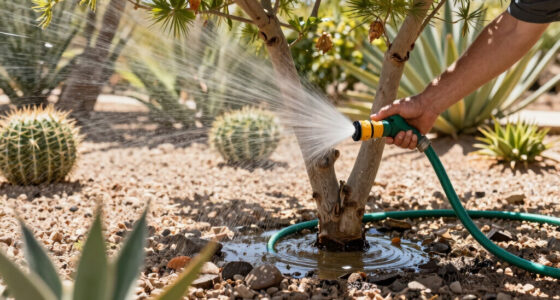
For example, you can connect your washing machine drain directly to a drip line or mulch basin that waters your plants. The key is preventing runoff or pooling—water should soak into the soil, not stand on the surface or create nuisance conditions.
Recent updates from the Arizona Department of Environmental Quality clarify that small, low-flow systems designed for individual homes usually don’t need formal approval. As long as your system is simple, above-ground, and uses biodegradable soap, you’re within legal bounds.
laundry-to-landscape greywater system
As an affiliate, we earn on qualifying purchases.
As an affiliate, we earn on qualifying purchases.
The 3 Types of Greywater Systems Allowed Without a Permit in Arizona
| System Type | How It Works | Permit Needed? |
|---|---|---|
| Laundry-to-Landscape (L2L) | Connects your washing machine drain directly to drip lines or mulch basins. No storage tanks—water flows immediately into the soil. | No |
| Branched Drain System | Uses a network of pipes to distribute greywater from multiple fixtures directly into landscape areas, avoiding pooling. | No |
| Subsurface Drip Systems | Allows greywater to seep underground, watering roots directly. Usually for larger setups but can be simple for residential use. | Often no, if designed for small-scale use and no storage tanks |
These permitted systems are designed for simplicity, which matters because complexity often introduces risks such as contamination, overwatering, or legal violations. By sticking to straightforward designs, homeowners reduce the chance of runoff or health hazards. The tradeoff, however, is that these systems may not be suitable for every landscape or water reuse goal, especially if you want to irrigate larger areas or use greywater from multiple sources. Understanding these limits helps you balance water conservation with safety and compliance.
biodegradable phosphorus-free soap
As an affiliate, we earn on qualifying purchases.
As an affiliate, we earn on qualifying purchases.
How to Keep Your Greywater System Legal and Safe
- Use biodegradable, phosphorus-free soaps. Regular dish soap can harm soil life and plants. Choosing eco-friendly soaps minimizes environmental impact and prevents soil buildup of harmful residues, which can impair plant health over time.
- Limit greywater to non-edible plant areas. Avoid applying greywater directly to fruit or vegetable parts to prevent potential health risks. This precaution is especially important if you’re using non-organic soaps or if your greywater contains contaminants, as it reduces the chance of pathogens reaching edible parts and helps keep your garden safe.
- Ensure proper system design. Water should soak into the ground, not pool or run off—use mulch basins or drip lines. Proper design prevents standing water, which can breed mosquitoes, cause odor issues, or lead to soil saturation that might harm plant roots or cause erosion.
- Regularly inspect and maintain your system to prevent odors, mosquito breeding, or blockages. Maintenance ensures that your greywater system functions effectively without becoming a health or nuisance hazard, preserving its legal status and environmental benefits.
- Check local rules. Some cities or counties may have additional restrictions or guidelines. Understanding local regulations ensures you stay compliant and avoid penalties, especially as laws can vary or change over time.
For example, a homeowner installing a laundry-to-landscape system in Phoenix kept it legal by using eco-friendly soap, avoiding kitchen water, and ensuring water soaked into a mulch bed without standing or runoff. This approach not only keeps the system compliant but also maximizes its water-saving and plant-nourishing benefits, ensuring sustainable, legal gardening in the desert.
residential greywater drip irrigation kit
As an affiliate, we earn on qualifying purchases.
As an affiliate, we earn on qualifying purchases.
Common Questions About Greywater Laws in Arizona
Q1: Do I need a permit for my greywater system? Not if you stick to simple, residential systems like laundry-to-landscape that meet safety standards. Larger or more complex systems may require approval, especially if they involve storage tanks or multiple fixtures, because these introduce higher risks of contamination or non-compliance. Understanding these distinctions helps you decide when a permit is necessary and avoid legal pitfalls.
Q2: Can I use greywater from my kitchen sink? Generally, no. Kitchen greywater contains higher levels of food particles, grease, and bacteria, which can clog systems and pose health hazards. Proper treatment or alternative disposal methods are recommended if kitchen greywater is used, but for simple, permit-free systems, sticking to laundry water reduces risks and simplifies compliance.
Q3: What soaps are safe for greywater use? Use biodegradable, phosphorus-free soaps designed for eco-friendly cleaning. Regular dish soap can harm soil microbes and plants, disrupting the natural ecosystem your greywater system depends on. Choosing safe soaps ensures your system remains beneficial rather than harmful, supporting long-term sustainability.
Q4: Is greywater safe for edible plants? It’s better to avoid applying greywater directly on edible parts to minimize health risks, especially if using non-organic soaps. While greywater can be used around non-edible landscape plants safely, caution is advised for edible crops, as contaminants or residues could pose health concerns. This approach prioritizes safety without sacrificing water conservation benefits.
Q5: How often should I inspect my greywater system? Regularly—at least once a month during active irrigation—to check for odors, clogs, or pooling. Prompt maintenance prevents issues that could compromise safety, attract pests, or violate regulations. Consistent care ensures your greywater system remains a reliable, legal, and environmentally friendly resource for your garden.
As an affiliate, we earn on qualifying purchases.
Conclusion
Using greywater legally in your desert garden isn’t just a good idea—it’s a smart move for conserving water and nurturing your plants. Keep your system simple, follow safety tips, and stay informed about local rules. Your garden—and the environment—will thank you.
Think of greywater as your garden’s quiet partner, working behind the scenes to keep your desert landscape lush. With a little know-how, you can use it freely and responsibly, turning waste into a resource that thrives in the heat.
Halloween Picks
halloween
As an affiliate, we earn on qualifying purchases.