TL;DR

Get garden gear delivered free — and shop member deals
- Fast, free delivery on millions of items
- Access to Prime Big Deal Days deals on October 6–7
- Prime Video, Amazon Music and more included
A quick DIY project can help bees stay hydrated during heatwaves by turning a shallow dish and household items into a safe water source. This supports bee health and garden pollination.
Beekeepers and gardeners can now help honeybees survive the summer heat with a simple DIY water station made in minutes using household items, according to recent guidance. This practical intervention supports pollinator health during heatwaves, which is increasingly important as climate change causes more frequent hot spells.
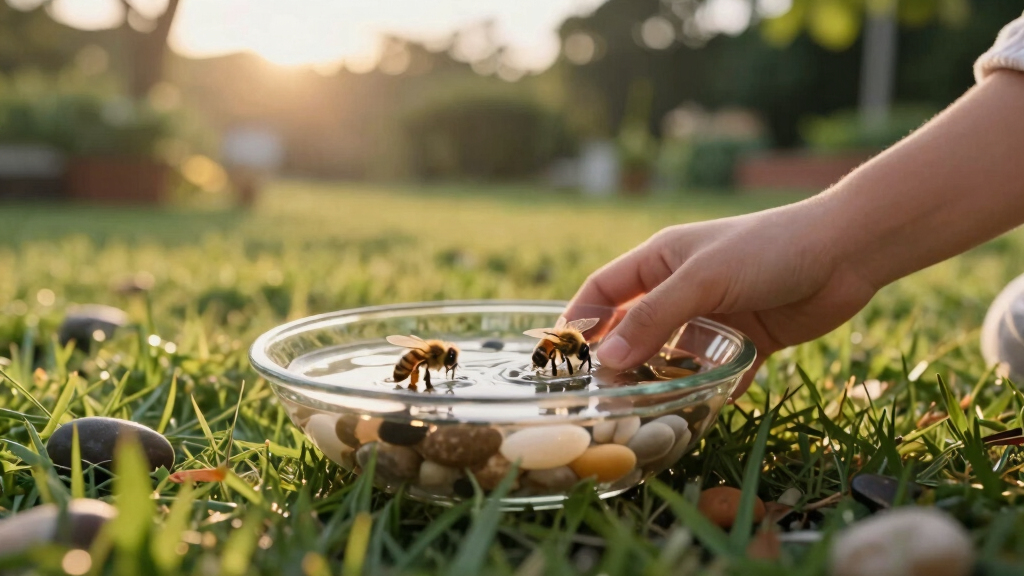
Bees require water not only for drinking but also to cool their hives and prepare food for their brood. During high temperatures, their natural water sources, such as puddles and damp ground, tend to dry up quickly. To address this, a shallow, wide container filled with water and topped with pebbles or marbles can serve as a safe drinking spot. This setup prevents bees from drowning and provides a landing surface. The process involves placing a dish like a terracotta saucer or pie dish on a level surface, filling it with water, and adding stones or corks to create dry landing zones. Regular maintenance, including daily water replacement and rinsing stones, ensures the station remains safe and inviting for bees.
Experts emphasize that plain water should be used, avoiding sugar or honey, which can attract wasps or spread disease. Positioning the station near flowering plants and in shaded, sheltered areas encourages bees to use it regularly. Such simple projects can significantly support local bee populations, which are vital for pollination and ecosystem health.
Why Supporting Bees During Heatwaves Matters
Supporting bees in hot weather helps maintain healthy pollinator populations, which are crucial for the pollination of many crops and wild plants. As climate change increases the frequency and intensity of heatwaves, providing accessible water sources becomes an essential part of conservation efforts for these vital insects. Healthy bee colonies contribute to more resilient gardens and agricultural productivity, making this small DIY project a meaningful action for gardeners and homeowners alike.
bee water station shallow dish stones
As an affiliate, we earn on qualifying purchases.
As an affiliate, we earn on qualifying purchases.
Summer Challenges for Bees and Natural Water Sources
Honeybees depend on water for multiple purposes, including hive cooling and food preparation. During summer, natural sources often dry up, leaving bees with limited options. Recent guidance highlights that many bees struggle to find safe, accessible water, especially during heatwaves. This issue has gained more attention as climate patterns shift, prompting individuals to take simple steps to support pollinator survival. The recommended water station is a response to these challenges, offering an easy and effective way to help bees thrive during the hottest months.
“A shallow dish with stones provides a safe, accessible water source for bees during hot weather, reducing their risk of drowning and supporting hive health.”
— an anonymous researcher
As an affiliate, we earn on qualifying purchases.
Unclear Long-Term Impact of DIY Water Stations
While the immediate benefits of creating bee water stations are clear, it is not yet confirmed how much these interventions impact overall bee populations over time. The long-term effectiveness in supporting colony health and resilience during increasingly severe heatwaves remains to be studied further.
As an affiliate, we earn on qualifying purchases.
Next Steps for Supporting Pollinators in Summer
Researchers and conservation groups are likely to monitor the impact of simple interventions like water stations on bee populations. Meanwhile, gardeners are encouraged to maintain these stations and observe bee activity. Future efforts may include developing more durable or automated solutions to sustain bee hydration during prolonged heatwaves.
As an affiliate, we earn on qualifying purchases.
Key Questions
Can I use any container for the bee water station?
It’s best to use a shallow, wide container such as a terracotta saucer or pie dish, as these provide safe access and prevent drowning.
How often should I change the water in the station?
Replace the water daily during hot weather to prevent algae growth and mosquito breeding, and rinse the stones regularly.
Is it safe to add sugar or honey to the water?
No, adding sugar or honey can attract wasps and spread diseases among bees. Plain water is safest.
Where is the best place to position the water station?
Place it near flowers the bees already visit, in a shaded, sheltered spot, and slightly elevated to keep it clean and accessible.
Will this help other pollinators besides honeybees?
Yes, many native pollinators such as bumblebees and butterflies can also benefit from accessible water sources.
Source: rss
Fall yard work Picks
leaf blowers
As an affiliate, we earn on qualifying purchases.