
TL;DR

Get garden gear delivered free — and shop member deals
- Fast, free delivery on millions of items
- Access to Prime Big Deal Days deals on October 6–7
- Prime Video, Amazon Music and more included
Water desert trees, shrubs, and cacti deeply enough to reach their root zone—usually 12-18 inches. Frequent shallow watering weakens roots, while deep watering promotes drought resilience. Adjust based on soil, weather, and plant type for best results.
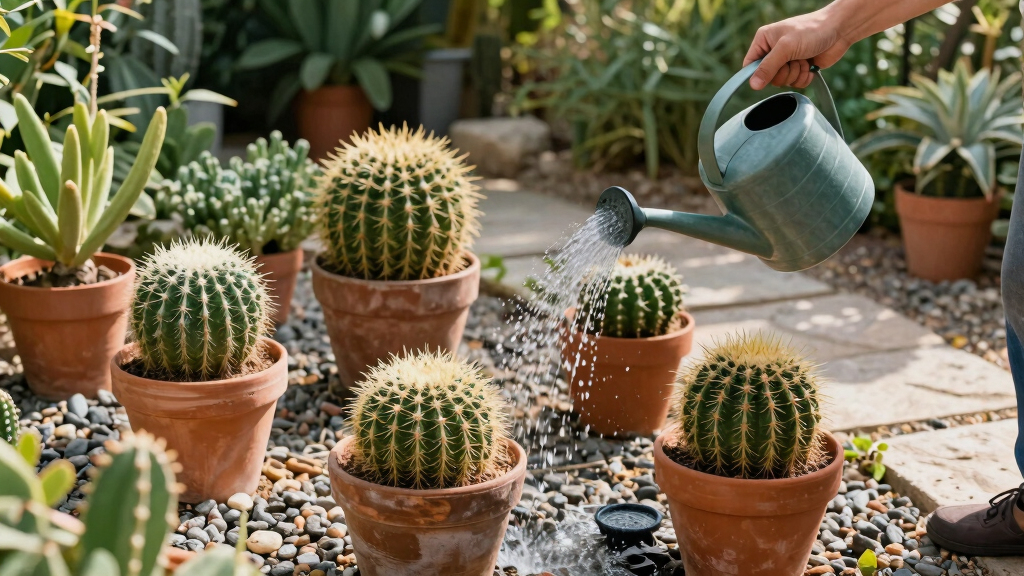
When it comes to desert gardening, one question pops up more than any other: How deep should I water? It’s tempting to spray a little water around the surface, but that’s not how desert plants thrive. They’ve evolved to survive on sparse, deep soakings that reach their roots where it counts. This isn’t about watering for the sake of it—it’s about giving your plants what they need to grow strong and resist drought.
In this guide, I’ll show you exactly how deep to water your desert trees, shrubs, and cacti. You’ll learn why deep watering matters, how soil type influences it, and what practical steps you can take. Whether you’re new to desert gardening or refining your routine, these tips will help your plants thrive in the heat.
Water desert plants deeply enough to reach 12-18 inches into the soil—this promotes resilient, drought-tolerant roots.
Adjust watering frequency based on soil type, weather, and plant needs—generally every 2-4 weeks in dry conditions.
Use drip or soaker systems for slow, even watering—test soil moisture regularly to avoid over- or under-watering.
Mulch around plants to conserve moisture and regulate soil temperature, especially during heatwaves.
Avoid shallow watering and watering during the hottest part of the day—early morning deep soakings are best.
Why Deep Watering Boosts Your Desert Plants’ Drought Resistance
Deep watering encourages roots to grow downward, anchoring plants and making them more drought-tolerant. When water penetrates at least 12-18 inches into the soil, roots stretch out to find moisture, creating a sturdy foundation. Shallow watering keeps roots close to the surface, where they dry out quickly and weaken the plant’s resilience.
Imagine watering a desert shrub with a garden hose: a quick spray wets only the top inch. The roots stay shallow, vulnerable during dry spells. But if you slowly let water soak in over 30 minutes, it reaches deeper layers, prompting roots to grow down where water remains longer. That’s how plants develop a built-in drought buffer.
According to Gardener AZ, most desert plants thrive with this deep, infrequent watering schedule—every 2-4 weeks—depending on climate and soil.
drip irrigation system for desert plants
As an affiliate, we earn on qualifying purchases.
As an affiliate, we earn on qualifying purchases.
How to Water Desert Plants Deeply Without Overdoing It
- Check soil type—sandy soils drain fast, clay soils hold water longer.
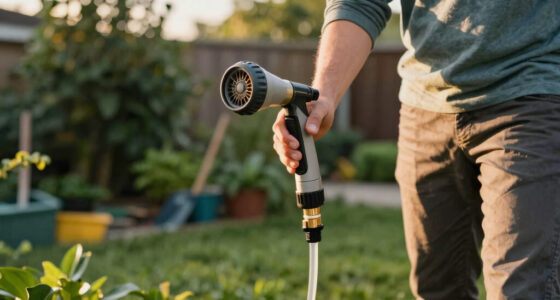
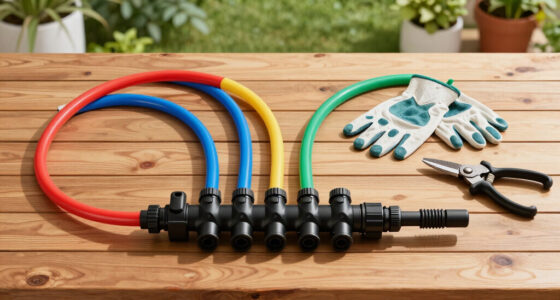
- Use a drip emitter or soaker hose to deliver water slowly at the base.
- Apply enough water to reach 12-18 inches deep—test by digging a small hole after watering. This depth ensures the roots receive adequate moisture, encouraging them to grow deeper and stronger. Overwatering beyond this depth can lead to water runoff or saturation, risking root rot. Conversely, watering too shallowly leaves roots near the surface, vulnerable to drought stress. Striking the right balance promotes healthy root expansion and drought resilience.
- Water in early morning to reduce evaporation and allow absorption.
- Stop watering once the soil feels moist at the desired depth—avoid pooling or runoff.
For example, a gardener in Phoenix uses a drip system set to deliver 1-2 gallons over 45 minutes for a desert oak. They test by digging a small hole after watering—if moist to 15 inches, they know they’re on target.
soaker hoses for drought-tolerant plants
As an affiliate, we earn on qualifying purchases.
As an affiliate, we earn on qualifying purchases.
Compare Shallow vs. Deep Watering for Desert Plants
| Feature | Shallow Watering | Deep Watering |
|---|---|---|
| Root development | Encourages shallow roots, vulnerable during drought | Stimulates deep roots, drought-resistant |
| Water penetration | Less than 6 inches | 12-18 inches or more |
| Plant resilience | Less resilient, more stress during dry spells | More resilient, better growth |
| Frequency | More frequent, weekly or biweekly | Infrequent, every 2-4 weeks |
Think of it like this: shallow watering is quick and easy but weakens your plants’ roots. Deep watering takes more time but builds a drought-proof foundation.
As an affiliate, we earn on qualifying purchases.
What Soil Type Means for How Deep You Water
Sandy soils drain quickly and require more frequent, even slightly shallower watering—though still to 12-15 inches deep to reach roots. Clay soils hold water longer, so watering should be less frequent and controlled, but still reach 12 inches or more.
Understanding soil type is crucial because it directly influences how water moves through the ground. Sandy soils, with their large particles, allow water to drain rapidly, meaning roots may dry out quickly if not watered deeply and regularly. Clay soils, with their fine particles, retain water longer, which can lead to overwatering if not adjusted properly. Tailoring your watering depth and frequency to soil type ensures roots develop properly, avoiding issues like root rot or drought stress. For instance, in sandy soil, more frequent but targeted deep watering helps maintain moisture, while in clay, less frequent, thorough soakings prevent waterlogging and encourage healthy root growth.
As an affiliate, we earn on qualifying purchases.
Practical Tips for Deep Watering Your Desert Garden
- Use drip irrigation or soaker hoses—set to deliver water slowly over 30-45 minutes.
- Test soil moisture by digging a small hole after watering—moist to 12-18 inches is ideal.
- Mulch around plants to slow evaporation and keep roots moist longer.
- Water in early morning for maximum absorption and minimal waste.
- Adjust watering based on weather—hot, dry days need more frequent deep soakings.
For instance, after a week of triple-digit heat, a gardener increases watering from once every three weeks to once every two weeks, always checking soil moisture first.
Common Mistakes That Hurt Your Desert Plants
Overwatering is the biggest mistake—roots drown, rot, and die. Many gardeners think wetter is better, but with desert plants, less is more.
Another slip-up? Shallow watering, which weakens roots and makes plants vulnerable during drought. Also, watering at the hottest part of the day causes rapid evaporation, starving roots of moisture.
So, always aim for deep, infrequent soakings early in the morning, especially during the hottest months.
Frequently Asked Questions
How deep should I water desert trees and shrubs?
Aim for at least 12-18 inches deep to encourage strong root growth. Use a soil probe or dig a small hole after watering to check penetration. Deep roots help plants withstand drought and heat.How often should I water my desert plants?
Typically every 2-4 weeks during dry periods, depending on soil type and weather. Always check soil moisture first—overwatering causes root rot, under-watering stresses plants.Can I overwater desert plants?
Yes, overwatering is a common mistake. Roots can drown and rot if they sit in water too long. Stick to deep, infrequent soakings to keep roots healthy and dry out in between.What’s the best time of day to water desert plants?
Early morning is ideal. Watering then gives plants time to absorb moisture before the heat of the day, reducing evaporation and stress.Are there specific watering techniques for cactus and succulents?
Yes, they need deep but infrequent watering. Let the soil dry completely between waterings—watering too often causes root rot. Use a drip system or soak at the base.Conclusion
Deep watering isn’t just a technique; it’s the secret to hardy, drought-resistant desert landscapes. When you let water reach 12-18 inches underground, you give your plants the roots they need to thrive in the heat.
Next time you water, think of it as a long, slow sip—building strength from the ground up. Your desert garden will thank you with healthy growth and less fuss during the dry season.
Fall Picks
fall essentials
As an affiliate, we earn on qualifying purchases.