
TL;DR

Get garden gear delivered free with Prime
- Fast, free delivery on millions of items
- Prime Video, Amazon Music and more included
- Member-only deals all year
Lawn care experts advise that mowing frequency depends on grass type and growth rate, often less than homeowners think. Overmowing can harm grass health, but many mow too frequently. Clarifying ideal practices helps homeowners maintain healthier lawns.
Experts in lawn care are advising homeowners to reconsider their mowing habits, emphasizing that mowing less frequently than many currently do can promote healthier grass. This guidance comes amid concerns that overmowing may be damaging lawns and leading to more frequent maintenance needs.
According to horticulturists and turf management specialists, the optimal mowing frequency varies depending on grass type, growth rate, and season. Typically, lawns should be mowed when grass reaches about one-third taller than the desired height, rather than on a fixed schedule. For most lawns, this means mowing once every 7 to 14 days during peak growing seasons, which is less often than many homeowners currently mow.
Many experts warn that mowing too frequently — especially cutting more than one-third of the grass height at a time — can stress the grass, weaken roots, and increase vulnerability to pests and disease. The practice of frequent mowing often stems from traditional lawn care routines or misconceptions about maintaining a neat appearance.
Recent guidance from turf specialists suggests that allowing grass to grow slightly taller provides shade for the roots, conserves soil moisture, and promotes a more resilient lawn overall. This approach also reduces the need for frequent mowing, saving homeowners time and effort while supporting healthier turf.
Why Adjusting Mowing Frequency Impacts Lawn Health
Understanding and implementing appropriate mowing practices can lead to healthier, more resilient lawns, reducing the need for chemical fertilizers and pesticides. For homeowners, this means less time and money spent on lawn maintenance and fewer environmental impacts. Additionally, healthier lawns are better equipped to withstand drought, pests, and disease, which is increasingly important amid changing climate conditions.
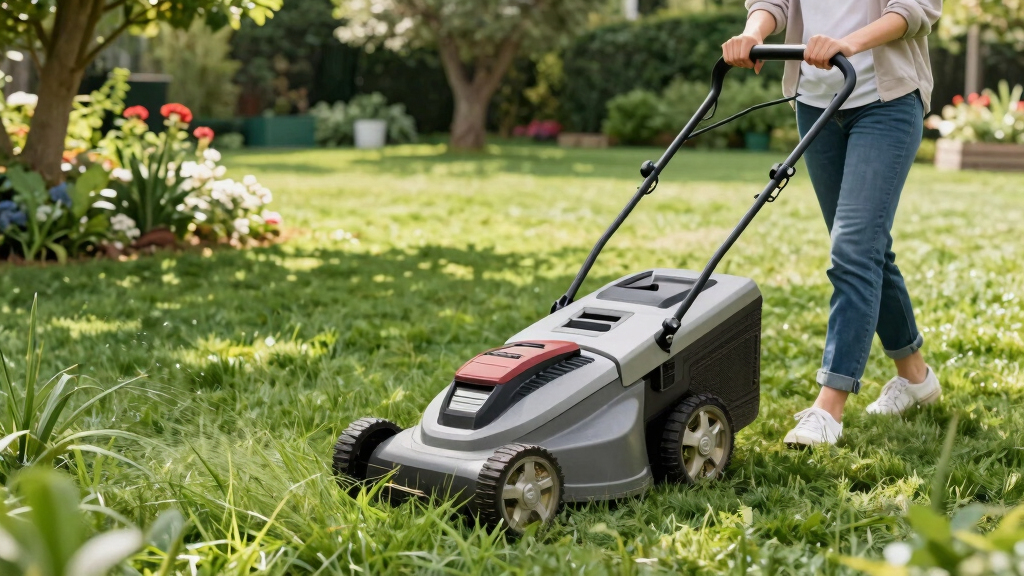
lawn mower with adjustable cutting height
As an affiliate, we earn on qualifying purchases.
As an affiliate, we earn on qualifying purchases.
Recent Shifts in Lawn Care Recommendations
Traditionally, many homeowners have mowed weekly or even more often, driven by aesthetic preferences or cultural norms. However, recent studies and expert opinions highlight that such routines may be counterproductive. Turf management professionals have long advocated for mowing based on grass growth rather than a fixed schedule, but widespread awareness of this shift is still developing.
In 2024, several turf care organizations released updated guidelines emphasizing the benefits of less frequent mowing, aligning with ecological and turf health research. This change reflects a broader movement toward more sustainable and environmentally friendly lawn practices.
“Mowing less frequently and only when the grass reaches about one-third taller than your target height can significantly improve lawn health.”
— Dr. Lisa Green, Turf Specialist
As an affiliate, we earn on qualifying purchases.
Uncertainties About Optimal Mowing Practices Across Regions
While experts agree on general principles, specific recommendations may vary depending on local climate, grass species, and soil conditions. There is still ongoing research to determine precise mowing intervals for different environments, and individual lawn conditions can influence best practices.
It is not yet clear how these guidelines should be adapted for lawns in extreme climates or for certain grass varieties, and more localized studies are needed.
As an affiliate, we earn on qualifying purchases.
Next Steps for Lawn Care Guidance and Research
Experts plan to develop more detailed, region-specific recommendations based on ongoing research. Lawn care companies and turf specialists will likely continue to refine guidelines, and public awareness campaigns are expected to promote adoption of more sustainable mowing practices. Homeowners are encouraged to observe their lawns and adjust mowing routines accordingly, with professional advice as needed.
As an affiliate, we earn on qualifying purchases.
Key Questions
How do I know when my lawn needs mowing?
Check the height of your grass; mow when it reaches about one-third taller than your desired height, typically every 7-14 days during peak growth periods.
Can mowing less frequently save me time and effort?
Yes, mowing less often reduces the frequency of lawn maintenance, saving time while promoting healthier grass that requires fewer chemical treatments.
Does taller grass help my lawn resist pests and drought?
Yes, allowing grass to grow slightly taller provides shade for roots, conserves moisture, and can make lawns more resilient to environmental stresses.
Are there risks to mowing infrequently?
Potential risks include allowing weeds to establish or grass becoming too tall, which can make mowing more difficult. Proper timing and height management are essential.
Will these guidelines work for all grass types?
Most common turf grasses benefit from these practices, but specific recommendations may vary. Consulting local lawn care professionals can help tailor routines to your region.
Source: rss
Halloween Picks
halloween
As an affiliate, we earn on qualifying purchases.