TL;DR

Get garden gear delivered free with Prime
- Fast, free delivery on millions of items
- Prime Video, Amazon Music and more included
- Member-only deals all year
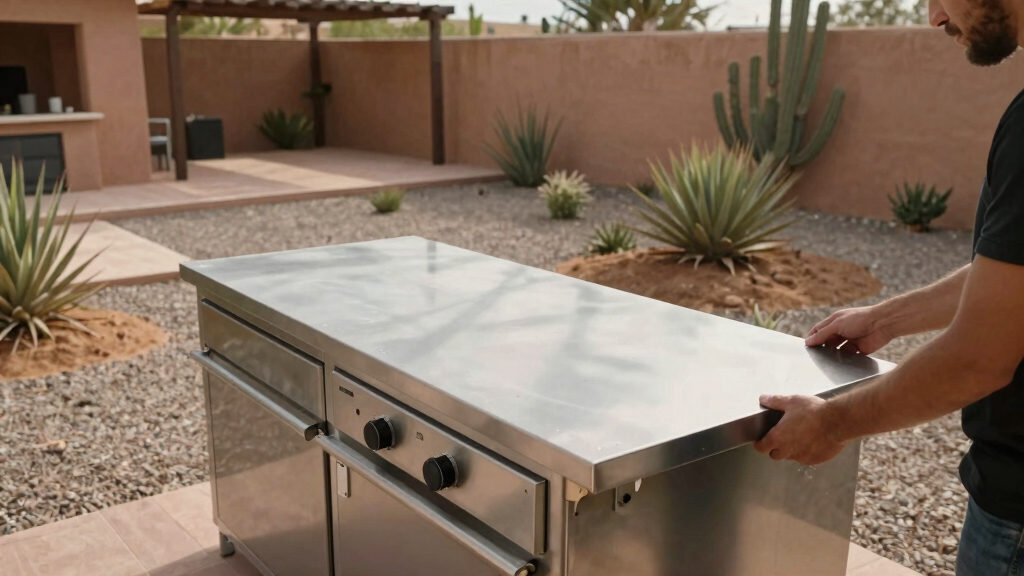
Designing an outdoor kitchen for desert heat and dust requires strategic shading, durable materials, and dust management. Incorporating windbreaks and smart technology keeps it functional and comfortable, even in extreme conditions.
Use shading—pergolas, umbrellas, or retractable awnings—to cut outdoor temps by up to 30°F.
Choose durable, heat-resistant materials like natural stone and concrete for longevity.
Enclose storage and use dust-proof appliances to keep your kitchen clean despite dust storms.
Strategically place windbreaks and dense landscaping to significantly reduce dust infiltration.
Incorporate smart tech and eco-friendly features like solar lighting and drought-tolerant plants for a modern, sustainable setup.
Planning an Outdoor Kitchen for Desert Heat and Dust
A resilient desert kitchen combines deep shade, heat-tolerant materials, sealed storage, controlled airflow, and low-water technology. The aim is simple: keep the cook cooler, keep dust away from food, and keep every surface working through years of extreme sun.
Design for prolonged exposure, not an occasional hot afternoon.
Stone, concrete, and high-grade stainless steel lead the shortlist.
Prep, cook, serve, and clean in a logical low-movement sequence.
Ambient, task, and accent lighting extend safe evening use.
Build comfort from the roof down
Direct solar exposure creates most of the daytime heat burden. Block it first, then add air movement and selective evaporative cooling.
Shade is the highest-impact intervention
A pergola, covered pavilion, shade sail, umbrella, or retractable awning can reduce ambient temperatures around the kitchen by up to 20–30°F while protecting finishes and appliances from UV exposure.
Block direct sun
Orient the kitchen around the afternoon sun path. Use a permanent roof for dependable coverage or retractable fabric when seasonal flexibility matters. Light-colored canopy materials reflect more solar energy.
Move the air
Ceiling or wall-mounted fans increase evaporation and improve perceived comfort. Maintain open ventilation around grills and smokers so heat and combustion gases can escape safely.
Mist with care
Fine mist can cool dry air quickly, but it adds water use and maintenance. Position nozzles away from cooking surfaces, provide drainage, and prevent moisture from collecting on appliances.
Specify surfaces that endure thermal stress
Desert durability depends on UV stability, resistance to expansion and contraction, low porosity, and surfaces that release dust during routine cleaning.
| Material | Heat resilience | Dust control | UV / weather | Maintenance | Best application |
|---|---|---|---|---|---|
| Natural stone | ✓ Excellent | ~ Seal pores | ✓ Excellent | Periodic sealing | Counters and flooring |
| Sealed concrete | ✓ Excellent | ✓ Easy clean | ✓ Strong | Reseal as needed | Counters, bases, floors |
| High-grade stainless | ✓ Excellent | ✓ Non-porous | ✓ Corrosion resistant | Wipe and cover | Appliances and fixtures |
| Exterior porcelain tile | ✓ Very good | ✓ Easy clean | ✓ Fade resistant | Maintain grout | Floors and surrounds |
| Untreated wood | ✗ Variable | ✗ Traps dust | ✗ Fades and dries | Frequent refinishing | Limited shaded accents |
Legend: ✓ recommended ~ conditional ✗ avoid or limit
Control the path from wind to worktop
Dust management works as a layered system. Deflect wind at the perimeter, reduce turbulence through the kitchen, then seal the places where food and equipment are stored.
Prep
Keep a covered preparation zone near enclosed ingredient storage.
Cook
Allow ventilation around the grill while shielding crosswinds.
Serve
Use a clean landing zone away from the prevailing dust path.
Clean
Finish at a sink and non-porous floor that can be rinsed easily.
The dust-control checklist
- Place walls, lattice screens, or dense foliage across prevailing wind without blocking all ventilation.
- Use gasketed cabinets, enclosed drawers, and covers for appliances, utensils, spices, and cleaning supplies.
- Choose stamped concrete, exterior tile, or another non-porous floor that can be swept and hosed down.
- Elevate appliances and cabinet bases above dust-laden surfaces to simplify cleaning and protect components.
- Specify sealed appliance controls, coated surfaces, and tightly fitted access panels where available.
Let technology respond to the climate
Modern systems reduce daily effort by adapting shade, lighting, airflow, and appliances to changing sun, wind, and occupancy.
Weather sensors
Automate retractable shades based on wind and solar intensity.
Connected cooking
Monitor grill temperatures and preheat only when needed.
Solar airflow
Use solar-powered fans to circulate air during peak sun.
Sealed appliances
Protect sensitive components and reduce dust-related maintenance.
Xeriscaping
Choose drought-tolerant plants that filter wind with less water.
Common desert-kitchen questions
Use these concise answers as a final specification check before construction begins.
How do I keep the kitchen cool?
Start with overhead shade, preserve ventilation, add efficient fans, and use misting only where water use and drainage are properly managed.
Which countertop materials work best?
Natural stone, sealed concrete, exterior porcelain, and high-grade stainless steel offer strong heat and weather resistance.
How do I prevent dust accumulation?
Combine perimeter windbreaks with gasketed storage, appliance covers, sealed components, and non-porous surfaces.
What utilities should be planned early?
Coordinate water, drainage, weather-rated electrical outlets, lighting circuits, gas lines, and safe ventilation before surfaces are finished.
Shade it. Seal it. Let it breathe.
- Cut direct heat with pergolas, umbrellas, sails, or retractable awnings.
- Choose stone, sealed concrete, tile, and high-grade stainless steel.
- Protect essentials with enclosed storage and dust-resistant appliances.
- Place windbreaks strategically without trapping heat or smoke.
- Add smart controls, solar lighting, and drought-tolerant landscaping.
How to Keep Your Outdoor Kitchen Cool in Blazing Desert Heat
Desert heat can turn your outdoor cooking into a sweat-drenched chore. The first step? Shade structures. Pergolas, umbrellas, and retractable awnings are more than aesthetic choices; they play a crucial role in reducing heat stress. For instance, a pergola with a light fabric canopy can block direct sunlight, which is responsible for the majority of heat buildup, thereby lowering the ambient temperature around your cooking zone by up to 20°F. This reduction isn’t just about comfort—it also helps prevent heat-related fatigue and prolongs the lifespan of your equipment by shielding it from UV damage.
Next, fans and misting systems act as active cooling tools. Fans create air movement that accelerates sweat evaporation, providing a cooling sensation. Misting systems release a fine spray of water that evaporates quickly, adding humidity and reducing perceived temperature—think of it as turning your patio into a refreshing oasis. The tradeoff is increased water use and potential maintenance, so selecting energy-efficient equipment and ensuring proper drainage are essential.
Finally, choosing heat-resistant materials like natural stone or concrete isn’t just about durability; it’s about heat management. These materials absorb heat during the day and slowly release it, preventing sudden temperature spikes that can cause warping or cracking in less resilient surfaces. Additionally, lighter-colored or textured finishes reflect more sunlight, further reducing heat absorption. The combined effect of shading, active cooling, and suitable materials creates a more comfortable, safer outdoor cooking environment, extending your usability even during peak summer months.
As an affiliate, we earn on qualifying purchases.
Best Materials That Stand Up to Desert Sun and Dust
In the desert, your outdoor kitchen faces relentless UV rays, dust storms, and high temps. Choosing the right materials is about more than appearance; it’s about ensuring longevity and ease of maintenance. Natural stone like flagstone or travertine is favored because it handles heat well and develops a natural patina that blends into the desert landscape. These stones also resist cracking caused by thermal expansion and contraction, which are common in extreme temperature swings. The textured surface provides traction and reduces the risk of slipping, but it’s important to seal porous stone to prevent dust and dirt accumulation that can degrade appearance over time.
Concrete surfaces, especially stamped or colored variants, offer durability and aesthetic versatility. They resist cracking and fading better than many other materials, but regular sealing is necessary to prevent dust infiltration into porous finishes. Well-sealed concrete also reduces cleaning effort, as dust and debris are less likely to adhere to the surface.
For appliances and fixtures, high-grade stainless steel provides excellent durability against the elements. It resists corrosion, UV damage, and staining, which are common challenges in dry, dusty environments. However, choosing stainless steel with sealed or coated surfaces can prevent dust build-up and make cleaning easier. Ultimately, selecting these materials means investing in surfaces that maintain their integrity and appearance over years of relentless sun and dust exposure, reducing repair and replacement costs.
dust-proof outdoor kitchen appliances
As an affiliate, we earn on qualifying purchases.
As an affiliate, we earn on qualifying purchases.
Design Tips to Maximize Space and Keep Dust Out
Efficiency is key in a dusty desert. Arrange your kitchen in a logical workflow: prep, cook, serve, and clean in a smooth sequence. This layout minimizes cross-contamination of dust and reduces movement that stirs up dirt. Incorporating dedicated prep zones and storage areas ensures that dust doesn’t spread unnecessarily, maintaining cleanliness and reducing cleanup time.
Use enclosed cabinets and drawers to hide utensils, spices, and cleaning supplies. Enclosure prevents dust from settling on your essentials and protects them from wind-driven debris. Opt for materials that are sealed or coated to withstand dust infiltration, and consider installing magnetic or pull-out organizers to facilitate quick cleaning and organization, reducing the time dust has to settle.
Pick non-porous flooring, like stamped concrete or tile, that’s easy to sweep and hose down. Regularly removing dust prevents buildup that can affect both hygiene and aesthetics. Elevating appliances on pedestals or platforms can also keep them above dust-laden surfaces, simplifying maintenance and prolonging their lifespan.
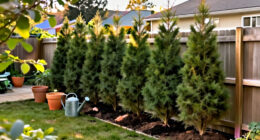
Strategic landscaping plays a vital role. Dense shrubs or windbreak walls deflect dust storms, creating a calmer environment for cooking and socializing. For example, planting a row of junipers or installing a lattice screen can significantly reduce dust infiltration, but it’s essential to balance windbreak effectiveness with airflow to avoid trapping heat or moisture. Thoughtful design here improves comfort and cleanliness, making outdoor cooking more enjoyable despite the harsh environment.
As an affiliate, we earn on qualifying purchases.
Latest Trends Making Desert Outdoor Kitchens Smarter and Cooler
Innovation is making desert outdoor kitchens more comfortable and eco-friendly. Smart technology now integrates lighting, appliances, and weather sensors, enabling automatic adjustments that optimize comfort and energy efficiency. For example, Wi-Fi connected grills can preheat as you approach, saving time and energy. Automated lighting systems can turn on only when needed, reducing unnecessary energy consumption, while weather sensors can activate or retract shades based on sun intensity or wind conditions, protecting your space and equipment.
Retractable shade structures and solar-powered fans are game changers. They provide instant relief by blocking the sun and circulating air, reducing the need for energy-intensive cooling. These features also extend the usability of your outdoor kitchen into the cooler evening hours. Dust-resistant appliances with sealed components are increasingly popular, as they stay cleaner longer and require less maintenance—saving you time and hassle.
Eco-conscious trends like xeriscaping—drought-tolerant plants—reduce water use and maintenance, while recycled and sustainable materials stand up to sun and dust, aligning with environmentally responsible living. Incorporating solar lighting further reduces reliance on grid power, creating a more sustainable setup. These innovations collectively enhance the functionality, sustainability, and comfort of desert outdoor kitchens, making them smarter, greener, and more resilient over time.
drought-tolerant landscaping plants
As an affiliate, we earn on qualifying purchases.
As an affiliate, we earn on qualifying purchases.
Key Facts Every Desert Kitchen Designer Should Know
| Fact | Detail |
|---|---|
| Temperature peaks | Desert temps often exceed 100°F (38°C), demanding heat-resistant design. Understanding these extremes helps in selecting materials and shading solutions that prevent warping, cracking, or fading, thereby extending the lifespan of your outdoor kitchen components. Considering the thermal expansion properties of materials can also avoid structural issues over time. |
| Dust storms | Common in deserts, they make enclosed storage and dust-proof appliances essential. Properly sealing cabinets and choosing equipment with sealed or dust-resistant features reduce maintenance and keep your kitchen cleaner, saving time and effort during frequent dust events. |
| Material choice | Natural stone and concrete resist cracking, fading, and heat better than alternatives. Their thermal mass helps regulate temperature swings, and their natural appearance integrates well into desert landscapes, making maintenance easier and preserving aesthetic appeal over the long term. |
| Shade impact | Proper shading can lower ambient temperatures by 20-30°F, boosting comfort and reducing cooling costs. Strategic placement of shade structures based on sun angles and wind patterns maximizes their effectiveness, providing relief during peak heat hours and reducing the strain on cooling devices. |
| Windbreaks | Strategic landscaping reduces dust infiltration by up to 50%. Thoughtful placement of dense plants or screens not only minimizes dust but also provides additional shade and aesthetic value, creating a more comfortable outdoor environment for cooking and entertaining. |
Your Burning Questions About Desert Outdoor Kitchens (Answered)
Q: How can I keep my outdoor kitchen cool in extreme desert heat? Use shade structures, fans, misting systems, and heat-reflective materials. These elements work synergistically to significantly lower perceived temperatures, making outdoor cooking feasible even during peak summer. For example, combining a shaded pergola with misting fans can reduce the perceived temperature by over 15°F, creating a cooler microclimate that enhances comfort and safety.
Q: What materials are best for countertops and surfaces in desert climates? Natural stone, concrete, and stainless steel top the list for their durability and heat resistance. They can withstand prolonged sun exposure and temperature fluctuations without warping or degrading, which is essential for longevity and safety in a harsh environment. Choosing the right finish and sealant further enhances resistance to dust and staining.
Q: How do I prevent dust from settling in my outdoor kitchen? Enclose storage units, use dust-proof appliances, and create windbreaks with landscaping or screens. Regular sweeping, sealing surfaces, and choosing sealed or coated materials are crucial steps. These measures not only keep your space cleaner but also protect sensitive equipment and reduce maintenance frequency, making outdoor cooking more practical in dusty conditions.
Q: What shade options work best in a desert environment? Pergolas with retractable fabric, shade sails, umbrellas, or permanent covered structures provide reliable relief from the sun. The key is choosing shading that is adjustable or adaptable to changing sun angles and wind conditions, ensuring consistent comfort and protection throughout the day.
Q: How can I make my outdoor kitchen eco-friendly? Use drought-tolerant plants, recycled materials, energy-efficient appliances, and solar lighting. These choices help reduce water and energy consumption while standing up to the desert’s harsh conditions. Incorporating solar power and water-saving fixtures not only minimizes your environmental impact but also reduces long-term operational costs.
Frequently Asked Questions
How can I keep my outdoor kitchen cool in extreme desert heat?
Use shade structures, ceiling fans, misting systems, and heat-reflective materials. These elements work together to lower ambient temperatures and keep you comfortable while cooking.What materials are best for outdoor kitchen countertops and surfaces in desert climates?
Natural stone, concrete, and stainless steel are ideal—they resist high temperatures, UV rays, and dust, making maintenance easier and surfaces last longer.How do I prevent dust from accumulating in my outdoor kitchen?
Enclose storage, install dust-proof appliances, and create windbreaks with landscaping or screens. Regular sweeping and sealing surfaces also help keep dust at bay.What are the best shade options for a desert outdoor kitchen?
Pergolas with retractable fabric, shade sails, umbrellas, or permanent covered structures provide reliable protection from the sun and keep your space cooler.How can I make my outdoor kitchen more sustainable and eco-friendly?
Use drought-tolerant plants, recycled building materials, energy-efficient appliances, and solar lighting to reduce water and energy use, standing up to desert conditions sustainably.Conclusion
A desert-ready outdoor kitchen hinges on smart shading, tough materials, and dust control. Think of it like building an oasis—an inviting, cool, and clean space amid the heat and dust. With planning and the right choices, you’ll turn your outdoor cooking area into a desert sanctuary.Fall Picks
fall essentials
As an affiliate, we earn on qualifying purchases.