
TL;DR

Get garden gear delivered free with Prime
- Fast, free delivery on millions of items
- Prime Video, Amazon Music and more included
- Member-only deals all year
Frost nights in Phoenix usually hit between late December and February, with the coldest nights in January. Protect plants and pipes by covering, insulating, and staying alert to weather forecasts—these cold snaps are rare but impactful.
Phoenix’s reputation is all about sun and heat. But come winter, a surprise lurks: frost nights. They’re rare but impactful, catching unprepared plants and pipes off guard. If you’ve ever seen a patch of ice on your lawn during a chilly night in January, you already know what I mean.
This guide will show you exactly when frost nights happen, how to spot them, and the simple steps you can take to keep your garden and home safe. Because in this desert, even a single cold night can cause a ripple of damage—unless you’re ready.
Frost nights in Phoenix mostly occur from late December through February, with the coldest in January.
Clear, calm nights significantly increase frost risk by allowing heat to escape rapidly.
Protect vulnerable plants with covers and water before frost, and insulate outdoor pipes to prevent bursting.
Urban areas are less prone to frost, but low-lying and shaded spots are more vulnerable.
Staying informed with weather alerts and acting early can prevent costly damage from unexpected frost nights.
Frost Nights in Phoenix
They are rare, brief and easy to underestimate. The critical window runs from late December through February, when a clear, calm night can expose tender plants, pipes and outdoor water features to sudden damage.
When the desert turns cold
Historical timing is a planning guide, not a guarantee. Begin watching forecasts in late December, stay especially alert through January and early February, and treat unusual late-season cold fronts seriously.
The three-part warning signal
Temperature alone does not tell the whole story. Clear skies let stored ground heat radiate away, while calm air prevents warmer layers from mixing downward.
Near 32°F
Freezing temperatures create the direct risk. Tender plants and water-filled pipes are the first priorities.
Clear overhead
Cloudless skies allow heat to escape rapidly, cooling surfaces and the air immediately around them.
Little wind
Calm conditions limit air mixing, letting cold air settle into sheltered and low-lying pockets.
Your yard may be colder than Phoenix
Pavement and buildings retain warmth, creating an urban heat-island effect. Open desert, suburbs, parks, shaded yards and low spots may cool faster than the city-center forecast suggests.
Dense urban core
Buildings and pavement release stored heat overnight.
Typical residential yard
Risk varies with walls, shelter, irrigation and exposure.
Shaded or low-lying yard
Cold air can pool where sunlight and airflow are limited.
Open desert or outskirts
Less retained urban heat means faster overnight cooling.
Relative exposure profile
A qualitative comparison of common Phoenix settings under the same cold, clear and calm forecast.
Match the defense to the threat
The best response is targeted: protect sensitive living tissue, remove freezing opportunities from water systems and monitor the coldest part of your property.
| Protection measure | Plants | Pipes | Water features | Best timing |
|---|---|---|---|---|
| Frost cloth or blanket | ✓ Essential | ✗ Not suitable | ~ Limited | Before sunset |
| Water soil in advance | ✓ Helpful | ✗ Not applicable | ✗ Not applicable | Earlier in the day |
| Foam pipe insulation | ✗ Not applicable | ✓ Essential | ~ Some uses | Install before winter |
| Slow faucet drip | ✗ Not applicable | ~ Coldest nights | ✗ Not applicable | During severe cold |
| Drain or winterize | ✗ Not applicable | ~ Exposed lines | ✓ Essential | Before freezing |
| Move into shelter | ✓ Potted plants | ✗ Not applicable | ~ Small pumps | Before nightfall |
Five moves before sunset
Act while there is still daylight. Covers are easier to secure, pipes easier to inspect and fragile pots safer to move before temperatures begin falling.
Cover tender plants
Use frost cloth, burlap or old blankets. Extend covers toward the ground to trap stored warmth.
Water the soil
Moist soil retains and releases heat more effectively than very dry soil. Water earlier, not onto foliage at night.
Move the movable
Bring tender potted plants into a garage or place them in a sheltered location near the home.
Mulch and insulate
Add mulch around root zones and fit foam insulation around exposed outdoor water pipes.
Set alerts
Monitor the local forecast and use a yard thermometer to catch colder microclimates early.
Water expands when it freezes.
That simple fact makes exposed pipes, hose connections, fountains, pumps and basins priority items before a freezing night.
Forecast to protection
Climate variability makes exact timing less predictable. A simple repeatable chain turns live weather information into practical protection.
When Do Frost Nights Usually Hit Phoenix?
Frost nights in Phoenix typically occur from late December through February. The coldest nights tend to be around mid-January and early February, especially when clear skies and calm winds set the stage for rapid heat loss. On a typical winter night, temperatures rarely dip below 32°F, but those rare dips can cause frost, particularly in low-lying or shaded spots.
Understanding this timing is crucial because it determines when you need to be most vigilant. Missing these windows can lead to unexpected damage—frostbite to tender plants, cracked pipes, or damage to outdoor equipment. Planning ahead by monitoring local forecasts during these months helps you preemptively protect vulnerable areas, reducing the risk of costly repairs or replacements. Moreover, recognizing the pattern allows you to weigh the tradeoffs of protective measures—covering plants might be inconvenient, but the cost of damages from frost can be far greater, especially if it affects your landscape or infrastructure.
As an affiliate, we earn on qualifying purchases.
What Makes a Night Frosty in Phoenix? Key Temperature Triggers
Frost is simply when temperatures hit 32°F or lower. In Phoenix’s desert climate, it’s rare for the thermometer to dip that low, but it does happen during those clear, windless nights. When the sky is clear, heat escapes quickly into space, cooling the ground and air. Calm conditions prevent mixing of warm air, increasing frost risk.
Why does this matter? Because the rapid cooling during clear, calm nights leaves little time for plants and pipes to adjust or recover. For delicate plants, even a slight dip below freezing can cause cellular damage, leading to wilting or death. For outdoor pipes, freezing water expands, risking cracks and leaks. Recognizing these specific weather conditions enables you to anticipate frost more accurately, rather than relying solely on temperature readings. The tradeoff here is that while you can’t control the weather, understanding these triggers allows you to implement targeted protective measures—covering plants or draining pipes—thus minimizing damage and expense.
As an affiliate, we earn on qualifying purchases.
How Do Different Areas in Phoenix Fend Off Frost?
Urban areas with lots of pavement and buildings tend to stay a bit warmer, thanks to the heat island effect. Outlying suburbs, parks, and open desert land are more vulnerable. If you live in a low-lying area or a shaded yard, your risk of frost is higher.
Knowing your neighborhood’s geography isn’t just about curiosity—it influences how much protection your plants and property need. For instance, a yard tucked into a valley might experience colder temperatures and more frost accumulation because cold air sinks and settles in low spots. Conversely, a garden on a sun-exposed hilltop benefits from increased warmth and airflow, reducing frost risk. This spatial variation matters because it helps you prioritize which areas need extra protection, like additional covers or insulation. The tradeoff is that more vulnerable spots may require more effort and resources to safeguard, but the payoff is a healthier garden and fewer surprises in the morning.
As an affiliate, we earn on qualifying purchases.
Recent Trends: Are Frosts in Phoenix Becoming More Unpredictable?
Climate variability means frost nights are no longer as predictable as they once were. Recent years saw unexpected cold snaps, sometimes in late November or early March. These shifts might be linked to broader climate patterns, making it harder to rely on historical averages alone.
Why does this matter? Because relying solely on past patterns can lead to complacency, leaving you unprepared when an unusual cold snap occurs. For example, in 2023, a sudden cold front caused frost in parts of Phoenix in late March, catching many off guard and causing damage to sensitive plants and outdoor fixtures. Staying updated with local weather forecasts is more critical than ever—real-time data helps you make informed decisions about protective measures. The tradeoff here is between complacency and over-preparation; being proactive based on current trends can save you money and stress, even if the forecast changes unexpectedly.
As an affiliate, we earn on qualifying purchases.
Simple Steps to Protect Your Plants During Frost Nights
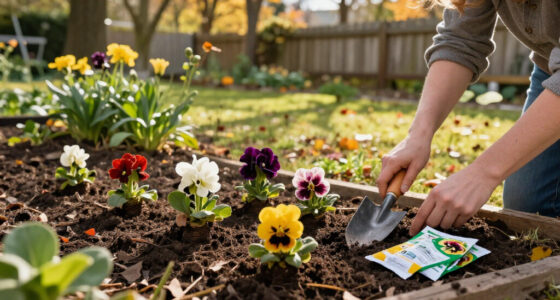
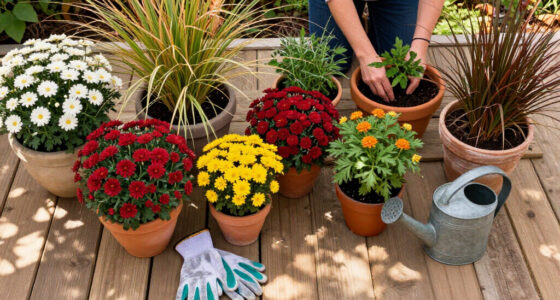
- Cover Vulnerable Plants: Use frost cloths, old blankets, or burlap to shield tender plants. For example, a gardener once covered tomato plants with old sheets, saving them from frost damage.
- Water Before Frost: Wet soil retains heat longer, helping protect roots and lower parts of plants. Moist soil acts as a thermal buffer, releasing stored heat slowly and minimizing temperature fluctuations near plant roots.
- Move Potted Plants Indoors: Bring delicate plants inside or into a garage during cold nights. This prevents direct exposure to cold air and reduces the risk of frostbite, which can cause irreversible damage to sensitive tissues.
- Mulch and Insulate: Apply a thick layer of mulch around base plants and insulate outdoor pipes with foam. These measures create a microclimate that retains heat and prevents rapid temperature drops, giving plants and pipes extra resilience during cold snaps.
- Monitor Weather Alerts: Sign up for local frost warnings and keep a thermometer in your yard to catch temperature drops early. Real-time alerts enable you to act swiftly, whether that’s covering plants or draining pipes, thereby reducing damage and repair costs.
How to Safeguard Pipes and Outdoor Water Features
Pipes are the sneakiest frost victims. When water inside freezes, pipes can burst, causing costly repairs. To prevent this, insulate exposed pipes with foam wraps, especially those running along exterior walls or in unheated garages.
Letting outdoor faucets drip slightly during cold nights also keeps water moving, reducing the chance of freezing. This simple act prevents water from stagnating in vulnerable sections, which is essential because stagnant water is more likely to freeze and expand, causing damage. For outdoor water features—like ponds or fountains—draining or covering them prevents ice formation that can crack basins or damage pumps. Such proactive steps, though seemingly minor, can save you hundreds in repair costs and prevent property damage. The tradeoff is the effort involved, but the long-term savings and peace of mind are well worth it.
For example, a homeowner in Glendale wrapped their outdoor pipes with foam and kept a small trickle running overnight, avoiding a costly pipe burst last winter. This simple, cost-effective action demonstrates how small preventive measures can have significant impacts.
Staying Safe and Informed During Cold Snaps
Keeping an eye on weather forecasts is your best bet. Sign up for alerts from the National Weather Service or local agencies, especially during those late December to February weeks. Apps now send push notifications about frost warnings, so you don’t get caught off guard.
During extreme cold, use space heaters carefully—never leave them unattended—and keep curtains closed to trap heat inside. These measures help maintain indoor warmth and prevent pipes from freezing. Check on vulnerable outdoor pets and keep water accessible—dehydration can occur even in cold weather, and frozen water bowls can be a problem. Being proactive with these steps not only protects your property but also ensures safety for everyone in your household. The tradeoff involves a bit of effort and vigilance, but the payoff is peace of mind and avoiding emergency repairs during the coldest nights.
Frequently Asked Questions
When is the next expected frost night in Phoenix?
Check local weather forecasts regularly; frost is most likely between late December and mid-February, especially during clear, calm nights.
How can I tell if my plants are frost-sensitive?
Consult local desert gardening resources. Most native desert plants are hardy, but tender or tropical species—like tomatoes or succulents—need extra protection during frost nights.
Are frost nights common in Phoenix?
No, frost nights are relatively infrequent. They tend to happen a few times each winter, mainly in the coldest months.
What are the best ways to protect my home from frost damage?
Insulate outdoor pipes, cover vulnerable plants, and keep indoor temperatures steady with space heaters or by closing blinds at night.
Can frost damage be prevented completely?
While not always possible, proactive measures like covering plants and insulating pipes greatly reduce the risk of frost damage.
Conclusion
Frost nights in Phoenix are rare but real. They can surprise you if you’re not paying attention. A few simple steps—covering plants, insulating pipes, and watching the weather—make a big difference.
Think of frost protection like a warm blanket for your garden and home. When those cold nights come, you’ll be ready—calm, prepared, and frost-free.
Fall yard work Picks
leaf blowers
As an affiliate, we earn on qualifying purchases.