
TL;DR

Get garden gear delivered free with Prime
- Fast, free delivery on millions of items
- Prime Video, Amazon Music and more included
- Member-only deals all year
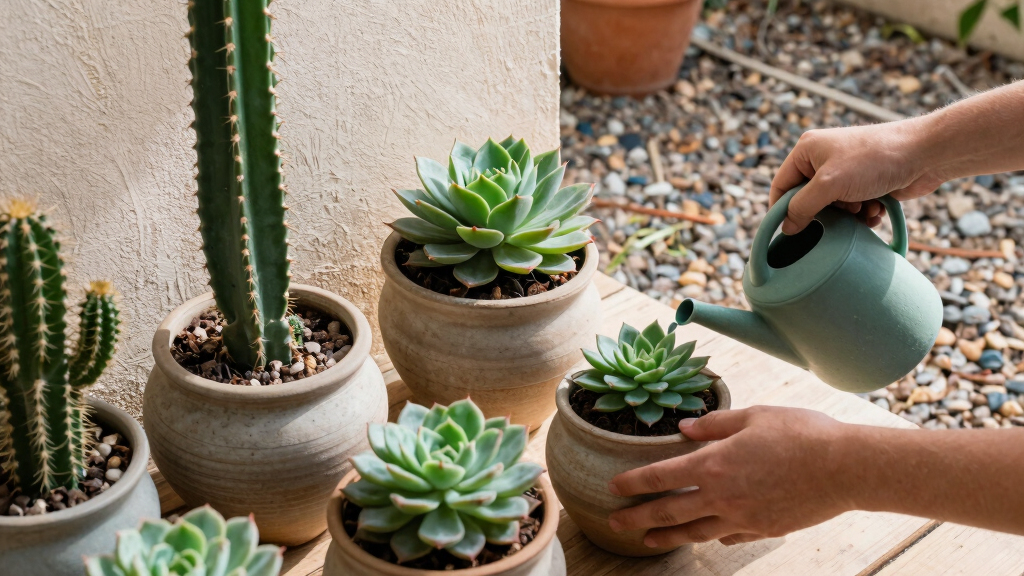
In desert patios, native and drought-tolerant plants like succulents, agave, and desert marigolds thrive in full sun. Proper containers, soil, and watering reduce maintenance and keep plants healthy during extreme heat.
Choose native or drought-tolerant plants like agave, aloe, and desert marigolds for low-maintenance, full-sun patios.
Use containers made of materials that resist heat and drain well—terracotta, resin, or ceramic are best options.
Water deeply but infrequently, adjusting for heatwaves. Mulch and strategic placement help keep roots cool.
Protect plants with shade during the hottest hours, especially during heatwaves, to prevent sunburn and heat stress.
Regularly inspect for pests and treat with organic solutions before problems escalate.
Potted Plants That Can Take Full Patio Sun
A resilient desert patio starts with plants built for relentless light. Pair native and drought-tolerant species with deep containers, fast-draining soil, and heat-aware watering to create a colorful garden that remains practical above 100°F.
Five desert-sun champions
These plants combine heat tolerance, low water demand, and strong visual structure. Their thick leaves, waxy surfaces, silvery foliage, or efficient roots help them retain moisture when patio surfaces radiate heat.
Agave
Thick, sculptural leaves store water. Give it a broad, stable pot and excellent drainage.
Aloe Vera
Minimal water needs and bold foliage make aloe a reliable choice for bright patios.
Yucca
Sword-like leaves deliver height and drama while tolerating heat and reflected sun.
Lantana
Bright clusters of flowers attract pollinators and bloom through intense sunshine.
Desert Marigold
Golden flowers and silvery foliage provide summer color with modest water needs.
Keep roots cool and resilient
Full-sun plants are tough, but a container is harsher than open ground. Its limited soil heats quickly, dries unevenly, and can trap water around roots. Treat soil, watering, shade, and observation as one connected system.
Build the soil
Blend coarse sand, pumice, and organic matter for rapid drainage.
Water deeply
Saturate the root zone, then let the mix dry before watering again.
Place strategically
Prioritize morning sun and shelter from harsh reflected afternoon heat.
Top with gravel
A mineral mulch slows evaporation and moderates surface temperature.
Watch the plant
Respond early to wilting, discoloration, sunburn, or pest activity.
Relative summer water demand
The pot is part of the climate
Choose a container for root protection, not appearance alone. Larger pots buffer temperature swings and retain moisture longer, while unrestricted drainage prevents destructive root rot.
| Feature | Native Desert Plants | Adapted Non-Natives | Patio Decision |
|---|---|---|---|
| Water demand | ✓ Up to 70% less | ~ Low to moderate | Choose natives for maximum conservation |
| 100°F+ tolerance | ✓ Naturally adapted | ~ Variety dependent | Verify cultivar and nursery guidance |
| Pollinator value | ✓ Strong local fit | ~ Variable | Mix foliage plants with flowering natives |
| Heatwave protection | ~ Sometimes needed | ✗ Often more important | Keep shade cloth ready for afternoon exposure |
| Maintenance | ✓ Generally lower | ~ Moderate | Match plant size to long-term pot volume |
Performance varies by species, container volume, exposure, establishment, and local microclimate.
Terracotta
Breathable and naturally cooling, but it dries quickly and may crack under severe thermal stress.
Glazed ceramic
Provides useful mass and slower moisture loss. Confirm that the pot has a generous drain opening.
Reflective resin
Lightweight and heat-resistant. Pale finishes reduce solar gain better than thin, dark plastic.
A resilient patio is a chain
Each decision supports the next. Break the chain with a blocked drain, shallow watering, or an overheated pot, and even a desert-adapted plant can decline.
The low-desert formula
Start with agave, aloe, yucca, lantana, or desert marigold. Give each plant enough root volume, a gritty soil mix, and a clear drainage path. Water thoroughly rather than frequently, inspect for stress and pests, and use temporary shade during exceptional heatwaves.
Why Desert Plants Love Full Sun — And You Should Too
Full sun is where desert plants shine. They’ve evolved to soak up intense rays while conserving water. Think of succulents and cacti—they don’t just survive, they flourish in 10+ hours of direct sunlight. For your patio, this means choosing plants that naturally can handle 100°F or more without wilting.
Imagine a bright morning, sunlight bouncing off a vibrant aloe or a spiky yucca. These plants don’t need constant shade or fussing. They’re tough, drought-resistant, and add striking textures and colors that pop against the desert backdrop. Using full-sun plants means less watering, fewer worries about sunburn, and a more natural look that matches the desert’s rugged beauty.
However, it’s important to recognize that while these plants are adapted to full sun, they still need proper soil, drainage, and placement to thrive. Poor drainage or improper watering can lead to root rot, even in drought-tolerant species. The key is understanding their natural environment and mimicking those conditions in your containers. This ensures they don’t just survive, but truly flourish, turning your patio into a resilient, vibrant space.
Choosing plants that are naturally adapted to full sun also means considering their growth habits and potential size. Some succulents and cacti grow slowly but can become substantial over time, so planning for adequate space is essential. Additionally, think about how their color and texture will complement your overall patio aesthetic, creating a cohesive, lively environment that celebrates the desert’s natural beauty.
As an affiliate, we earn on qualifying purchases.
Top 5 Potted Plants That Handle the Desert Sun Like Pros
Here’s a quick list of desert champions you can keep in pots, even during the hottest months:
- Agave: Thick, spiky leaves store water. They’re virtually indestructible.
- Aloe Vera: Not just good for skin, it thrives in sun and needs minimal water.
- Yucca: Architectural, with sword-like leaves; perfect for a dramatic look.
- Lantana: Bright, cheerful flowers that attract pollinators and tolerate full sun.
- Desert Marigold: Golden blooms with silvery leaves. They bloom in summer, even in scorching heat.
For example, a friend in Phoenix replaced her shaded patio plants with a few succulents and was amazed at how well they thrived without daily watering. They added color and texture with almost zero fuss.
Choosing these plants means considering their natural adaptations—such as thick leaves, waxy coatings, or deep root systems—that help them survive extreme heat and water scarcity. Recognizing these traits allows you to select species that will perform reliably in your container garden, reducing the need for constant intervention and ensuring a more sustainable, low-maintenance landscape. It’s worth noting that these adaptations often come with tradeoffs; for example, succulents may have slower growth rates or less flowering compared to more water-needy plants, so understanding your aesthetic priorities and maintenance willingness will help you choose the best fit for your space.
As an affiliate, we earn on qualifying purchases.
Container Choices That Keep Plants Cool and Draining
The right pot makes all the difference. Choose containers that drain well and resist heat. Terracotta and ceramic pots breathe and cool roots, but they can crack in extreme heat. Resin or fiberglass containers with reflective surfaces help keep soil cooler. Avoid plastic—heat can warp or overheat roots.
For example, a gardener in Nevada found that a large terra cotta pot kept her aloe cool during 110°F days better than plastic. Pair it with a well-draining soil mix, and your plants will thank you.
Beyond material choice, consider the size and shape of your containers. Larger pots provide more soil volume, which buffers temperature fluctuations and retains moisture longer. Elevated or shaded placement also helps reduce heat stress on roots. Balancing these factors ensures your plants stay healthy, even in the hottest months. Remember, the goal isn’t just to select a cool container but to understand how material properties influence root temperature and water retention, which directly impacts plant health during prolonged heat spells.
heat-resistant succulent containers
As an affiliate, we earn on qualifying purchases.
As an affiliate, we earn on qualifying purchases.
How to Keep Your Desert Potted Plants Happy in Extreme Heat
- Use well-draining soil: Mix sand, pumice, and organic matter for quick drainage. This prevents water from pooling around roots, which can cause rot, especially in high temperatures where evaporation is rapid. Good drainage also means roots can access oxygen more easily, promoting healthier growth.
- Water deeply but infrequently: Let soil dry out between watering—about once a week in summer. Deep watering encourages roots to grow downward, making plants more drought-tolerant. Overwatering, especially in extreme heat, can lead to root rot, so understanding your soil’s capacity to retain moisture is key.
- Place pots strategically: Position plants where they get morning sun and some afternoon shade, or use shade cloth during heatwaves. This reduces thermal stress and prevents sunburn, which can weaken plant tissues and make them more susceptible to pests and disease.
- Mulch the soil surface: Add gravel or stones to reduce evaporation and keep roots cool. Mulching creates a microclimate that moderates soil temperature fluctuations, which is crucial during heatwaves when soil can reach scorching temperatures quickly.
- Monitor for signs of stress: Wilting, sunburned leaves, or discoloration mean you need to adjust watering or shade. Early detection allows you to intervene before damage becomes irreversible, maintaining plant vigor and aesthetic appeal.
A gardener in Palm Desert uses a drip system with a timer to keep her succulents happy. It’s simple, saves water, and prevents plants from overheating.
Understanding these steps and their underlying purpose—such as reducing water loss and preventing heat stress—helps you create a resilient environment that minimizes plant stress and maximizes health during the hottest days. Recognizing that each step contributes to maintaining optimal root temperature and moisture levels underscores the importance of a holistic approach to desert plant care.
As an affiliate, we earn on qualifying purchases.
Comparing Native Plants vs. Non-Natives for Your Desert Patio
| Feature | Native Desert Plants | Non-Native Drought-Tolerant Plants |
|---|---|---|
| Water Needs | 70% less water | Moderate to low, but more than natives |
| Heat Tolerance | Excellent, often exceeding 100°F | Good, but varies by species |
| Maintenance | Minimal, adapted to local conditions | Sometimes more care needed |
| Appearance | Authentic desert look, native flowers | |
| Growth Speed | Slow to moderate |
For example, a native desert marigold in a Phoenix yard attracts pollinators and stays vibrant all summer. Non-native succulents may need extra watering but still handle full sun. Understanding these differences helps you choose plants that align with your maintenance goals and environmental conditions, ensuring a sustainable and visually appealing patio that respects the desert’s natural balance.
Choosing native plants supports local ecosystems, as they are better adapted to the specific soil, climate, and pests of your area. This reduces the need for supplemental watering and pest control, making your garden more sustainable. Conversely, non-natives might offer a wider variety of colors or forms but often require more attention and resources to thrive, especially in extreme heat. Weighing these tradeoffs helps you create a landscape that balances beauty, ease of care, and ecological responsibility.
Protecting Your Potted Plants From the Harshest Desert Days
Extreme heat, wind, and relentless sun can still challenge your plants. Use shade cloths or umbrellas during the hottest afternoons. Group your pots together to create a micro-shade zone. Water early in the morning or late evening when the sun isn’t blazing.
For instance, during a 115°F heatwave, a homeowner draped a light shade over her potted agave. It kept the leaves from scorching, and her plants thrived despite the heat.
Choosing protective strategies that reflect the intensity of desert conditions is essential. Shade cloths and strategic placement not only shield plants from immediate damage but also help maintain soil moisture and prevent stress-related diseases. Recognizing the severity of desert days and preparing accordingly ensures your plants can withstand the worst without losing their vitality. These protective measures are not just about survival but about creating a stable environment that promotes long-term health and resilience in your container garden.
Common Pests and How to Keep Them at Bay
Desert plants aren’t immune to pests like scale, mealybugs, or spider mites. Regularly inspect leaves and stems. Use organic treatments like neem oil or insecticidal soap—always wear gloves and protect your skin. Keep your plants healthy, and they resist pests better.
For example, a gardener noticed white cottony spots on her aloe. A quick spray of neem oil knocked out the pests before they spread. Prevention is better than cure, so check regularly! Maintaining plant health through proper watering, fertilization, and pruning also strengthens their natural defenses, making infestations less likely and easier to manage when they do occur. A healthy, vigorous plant is less attractive to pests, and early intervention with organic solutions prevents infestations from becoming severe, saving you time and effort in pest management.
Frequently Asked Questions
How often should I water my desert potted plants in summer?
Deep watering once a week usually suffices, but during heatwaves, check soil moisture and water more frequently if needed. Always allow soil to dry out between waterings to prevent root rot.
Can I grow vegetables or herbs in full sun in the desert?
Yes, but choose heat-tolerant varieties like certain basil, rosemary, or hardy peppers. Use shaded containers during peak afternoon hours and water early or late in the day.
What’s the best way to prevent sunburn on my plants?
Use shade cloths or umbrellas during the hottest part of the day. Group pots together to create a shaded microclimate, and mulch the soil surface to reduce heat absorption.
How do I select the right container size for desert plants?
Pick pots that are at least 2-3 inches wider than the plant’s root ball. Ensure they have good drainage holes, and avoid overcrowding. Larger pots help maintain moisture and stability.
Are there any native desert plants that are particularly decorative?
Yes, plants like desert marigold, ocotillo, and red yucca add vibrant color and architectural interest, and they’re perfectly adapted to desert conditions.
Conclusion
A desert patio can burst with color and life—if you pick the right plants and give them what they need. Focus on native, drought-tolerant choices, smart container selection, and simple watering routines. Your low-maintenance, sun-loving oasis is just a few smart steps away—embrace the heat instead of fighting it.Halloween Picks
halloween
As an affiliate, we earn on qualifying purchases.