TL;DR
Listen free for 30 days with Audible
Thousands of audiobooks and originals — cancel anytime.
Start your free trialAs an affiliate, we earn on qualifying purchases.
Mesh density in roll-up exterior shades directly affects how much light, heat, and UV rays your west patio receives. Higher density fabrics block more sun and heat, while lower densities allow better airflow and visibility. Recent fabric innovations and smart features make choosing the right mesh easier than ever.
Higher mesh densities (80-90%) block more UV rays and heat, ideal for hot west patios.
Lower densities (50-70%) provide more airflow and light, suitable for lively outdoor settings.
Recent fabric advancements boost durability, UV protection, and eco-friendliness.
Smart motorized shades with app control add convenience and automation, especially in extreme heat.
Regular cleaning and careful installation extend your shades’ lifespan to 10+ years.
Roll-Up Exterior Shades for West Patios: Mesh Density Choices
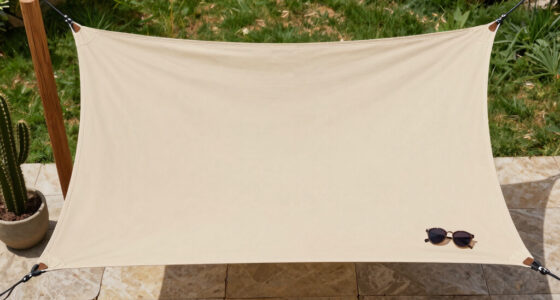
When the afternoon sun hits your west-facing patio like a fiery spotlight, mesh density becomes your control knob for light, heat, and UV. Higher-density weaves block more sun; lower densities keep airflow and views alive. Here’s how to choose the weave tightness that fits your outdoor life.
Why Mesh Density Matters More Than You Think
Mesh density is the tightness of the fabric weave, expressed as a percentage. A 50% mesh lets roughly half the light pass through; a 90% mesh blocks most of the sun, letting in just a hint of glow. It shapes visibility, airflow, heat, and UV exposure — all at once.
Allows most light with some glare, blocks about 70–75% of UV, and keeps good airflow. Best for enjoying daylight and moderate shade — lively, open, and breezy.
Reduces glare and filters light while blocking about 85% of UV. A Phoenix homeowner’s outdoor sofa stayed ~15°F cooler at peak afternoon — with plenty of daylight left.
Minimal light, mostly shaded, blocking up to 95% of UV. A Tucson dining area became dramatically cooler and more private — a cocoon-like trade for maximum protection.
Compare Mesh Densities at a Glance
| Mesh Density | Light & Glare | UV & Heat Blockage | Airflow | Best For |
|---|---|---|---|---|
| 50% | Allows most light, some glare | Blocks about 70–75% ~ | ✓ Good airflow, breezy | Enjoying daylight, moderate shade |
| 70% | Reduces glare, filters light | Blocks about 85% ✓ | ~ Moderate airflow | Balanced shade and visibility |
| 90% | Minimal light, mostly shaded | Blocks up to 95% ✓✓ | ✗ Less airflow, more cocooned | Maximum shade, UV protection |
Choosing the Best Mesh Density for Your West Patio
Pick your path: climate, habits, and aesthetics all point toward the right weave. A California desert couple cut summer temps by nearly 20°F with 90% mesh on their west patio.
Assess Sun Exposure
West patios face intense afternoon sun — the fiercest glare and heat of the day.
Set Priorities
Airflow and views? 50–70%. Maximum shade and privacy? 80–90%.
Protect Your Stuff
High-density mesh shields furniture, plants, and flooring from UV damage.
Plan for Automation
Higher-density fabrics often run smoother with motorized systems.
Latest Fabric Tech & Smart Shade Features
Advanced UV Coatings
Modern fabrics block nearly all harmful rays even at lower mesh densities — lighter weaves without sacrificing protection. Coatings also resist mold, mildew, and fading.
Smart Motorized Control
App, voice, and home-automation integration lets shades lower during the hottest afternoon hours and retract at sunset — zero manual effort, optimal comfort.
Slim, Discreet Design
Ultra-slim rollers and wall- or ceiling-mounted options blend seamlessly into outdoor decor, preserving your patio’s aesthetic appeal.
Eco-Friendly Fabrics
Fabrics made from recycled plastics are gaining popularity — enjoy your shaded retreat while supporting sustainability, and cut indoor cooling costs too.
Why Mesh Density Matters More Than You Think
Mesh density is the tightness of the fabric weave in your exterior shades, usually expressed as a percentage. It controls how much sunlight, heat, and UV rays get through.
If you pick a 50% mesh, roughly half the light can pass through. A 90% mesh blocks most of the sun, letting in just a hint of glow. This choice isn’t just about looks; it shapes your outdoor experience.
Imagine sitting outside in the heat of a west afternoon. A lower mesh might let in enough sunlight to read comfortably, but a higher mesh will cut glare and keep your patio cool. The decision depends on your priorities: visibility, airflow, or total shade.
In essence, mesh density is your control knob for how much heat, UV, and light reach your space—more dense equals more shade and less heat. For example, a high-density 90% mesh can block up to 95% of UV rays, making your patio feel like a cool retreat.
Understanding these differences is crucial because it directly impacts your outdoor comfort and energy efficiency. A denser mesh reduces the need for additional cooling or shading devices, lowering energy costs and making your outdoor time more enjoyable. On the flip side, higher density fabrics can also reduce airflow, which may make the space feel more enclosed or less breezy, so balancing your priorities is key.
As an affiliate, we earn on qualifying purchases.
How Mesh Density Changes Your Patio’s Comfort and Look
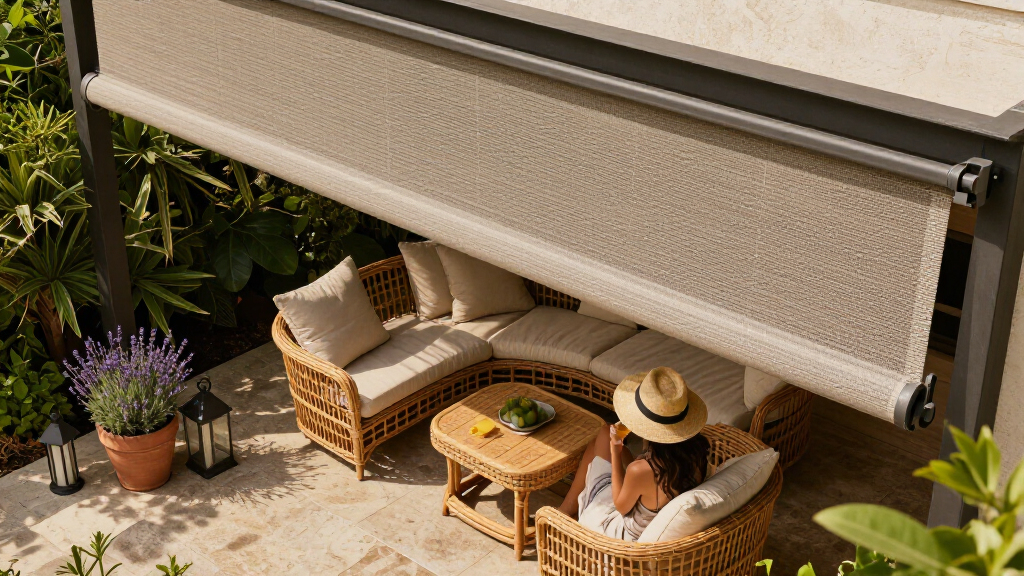
Choosing the right mesh density transforms your outdoor zone from a sun-drenched area to a tailored oasis. A lower density (50-70%) allows more light and airflow, creating a lively, open atmosphere. This is ideal if you want to enjoy the sun, have good ventilation, and keep the space bright.
However, this comes with tradeoffs: increased heat, glare, and UV exposure. For instance, a homeowner in Phoenix installed 70% mesh shades. During peak afternoon hours, her outdoor sofa stayed about 15°F cooler than unshaded areas, but she still enjoyed plenty of daylight. This balance allowed her to relax without feeling boxed in or overly shaded.
Conversely, higher densities (80-90%) create a cocoon-like environment. A Tucson resident chose 90% mesh for her outdoor dining area, which drastically reduced heat and glare, making evenings more comfortable and private. Yet, she noted that the space felt more enclosed and less airy, which was a conscious tradeoff for maximum protection.
Beyond comfort, mesh density influences aesthetics. Lower densities are more transparent, allowing your decor and surroundings to show through, which can enhance a sense of openness. Higher densities offer a darker, more uniform appearance, which can lend privacy but also diminish views and natural light. These visual tradeoffs are important because they affect the ambiance and how your outdoor space integrates with your home and landscape.
Understanding these tradeoffs enables you to tailor your shade choice to your specific needs—whether prioritizing bright, airy spaces or seeking maximum heat reduction and privacy. Recognizing that each level of density impacts airflow, visibility, and comfort helps you make informed decisions that improve your overall outdoor experience.
UV blocking exterior shades for patio
As an affiliate, we earn on qualifying purchases.
As an affiliate, we earn on qualifying purchases.
Compare Mesh Densities Side-by-Side
| Mesh Density | Light & Glare | UV & Heat Blockage | Airflow | Best For |
|---|---|---|---|---|
| 50% | Allows most light, some glare | Blocks about 70-75% | Good airflow, breezy | Enjoying daylight, moderate shade |
| 70% | Reduces glare, filters light | Blocks about 85% | Moderate airflow | Balanced shade and visibility |
| 90% | Minimal light, mostly shaded | Blocks up to 95% | Less airflow, more cocooned | Maximum shade, UV protection |
motorized outdoor shades with app control
As an affiliate, we earn on qualifying purchases.
As an affiliate, we earn on qualifying purchases.
Choosing the Best Mesh Density for Your West Patio
Picking the right mesh density depends on your outdoor habits, climate, and desired comfort level. If you love basking in the afternoon sun but want some breeze and light, 50-70% mesh offers a lively atmosphere with enough shade to keep temperatures comfortable. This range balances openness with protection, making it suitable for those who enjoy the sun but want relief from its intensity.
For a more shaded, private retreat, opt for 80-90%. These higher densities significantly cut heat, block glare, and provide more privacy. For example, a couple in California’s desert used 90% mesh shades on their west patio, reducing summer temperatures by nearly 20°F and creating a cool evening space.
Consider your specific needs: Do you prioritize airflow, UV protection, or maximum shade? Think about your furniture, plants, and how you use your outdoor space. High-density shades protect delicate outdoor furniture from sun damage, extending its lifespan and maintaining aesthetic appeal. Additionally, if you plan to automate your shades, higher-density fabrics often perform better with motorized systems, providing smoother operation and better control.
Ultimately, choosing the right mesh density involves assessing your climate, lifestyle, and aesthetic preferences. Balancing these factors ensures your outdoor space remains comfortable, functional, and visually appealing across seasons.
As an affiliate, we earn on qualifying purchases.
Latest Fabric Tech and Smart Shade Features
Recent innovations have significantly enhanced the durability, functionality, and intelligence of exterior shades. Advanced fabrics now incorporate UV coatings that can block nearly all harmful rays, even at lower mesh densities, which means you can enjoy lighter fabrics without sacrificing protection. These fabrics are also more resistant to mold, mildew, and fading, extending the lifespan of your shades and maintaining their appearance over time.
Smart technology takes shading to an entirely new level. Motorized shades equipped with app controls, voice commands, or integrated home automation systems can automatically adjust based on the sun’s position, weather conditions, or your schedule. For example, a shade that lowers during the hottest part of the afternoon and retracts at sunset ensures optimal comfort without manual intervention, saving you time and energy.
Design innovations, such as ultra-slim rollers and discreet mounting options, allow shades to blend seamlessly into your outdoor decor, preserving aesthetic appeal. Eco-friendly fabrics made from recycled plastics are also gaining popularity, enabling you to enjoy your outdoor space while supporting sustainability initiatives.
These technological and material advancements mean you no longer have to compromise style, durability, or convenience. Your perfect shade solution is more accessible and adaptable than ever, providing tailored comfort with minimal effort.
Understanding these innovations helps you make informed choices, balancing cost, durability, and technological features to maximize your outdoor comfort and environmental responsibility.
Frequently Asked Questions
How do I decide between 70% and 90% mesh for my west patio?
If your goal is to keep most of the sun and heat out while still enjoying some light and breeze, 70% mesh works well. For maximum shade and UV protection, especially during peak afternoon heat, 90% mesh is your best bet.Are these shades suitable for windy desert afternoons?
Yes, high-quality exterior shades are designed to withstand wind. Proper installation and optional wind blockers can prevent damage during gusty days, extending their lifespan.Can I control my shades remotely?
Absolutely. Many motorized shades now work with smartphone apps, voice commands, or integrated home automation systems for effortless control.How often should I clean my outdoor shades?
A quick rinse with water every few months keeps dust and dirt off. For stubborn spots, use mild soap and avoid abrasive cleaners. Regular inspections help catch tears early.How long will my shades last with proper care?
With diligent maintenance, most exterior shades last between 7 and 10 years, even in tough desert climates. Quality fabrics and proper installation make a big difference.Conclusion
Choosing the right mesh density isn’t just about blocking sun; it’s about tailoring your outdoor space to fit your lifestyle. Whether you want a breezy, bright patio or a cool, shaded retreat, recent innovations make it easier than ever to get it just right. Think about your needs, your climate, and your style—then enjoy a shaded oasis that lasts for years.Flea & tick season Picks
flea and tick prevention
As an affiliate, we earn on qualifying purchases.