
TL;DR
Listen free for 30 days with Audible
Thousands of audiobooks and originals — cancel anytime.
Start your free trialAs an affiliate, we earn on qualifying purchases.
Planting large container trees is a smart way to shade your patio without permanent landscaping. Choosing the right species, container, and care routine ensures long-lasting, lush shade for your seating area.
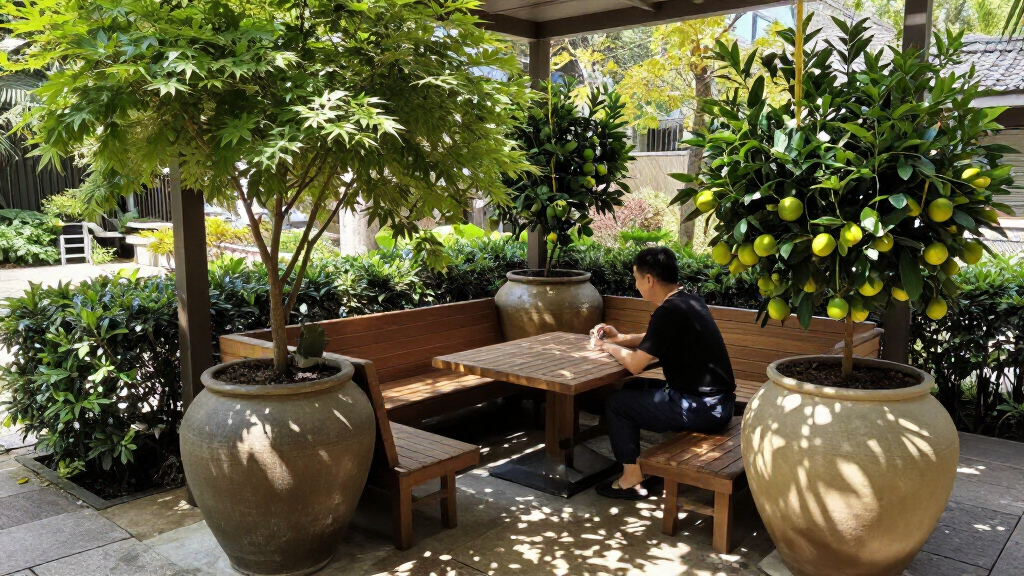
Imagine a blazing summer day. You sit beneath a broad, leafy canopy, sipping cool drinks in comfort. That’s the magic of a patio tree—an instant oasis. But planting a big tree directly in the ground isn’t always practical, especially if you rent or want flexibility. That’s where large containers come in.
Today’s guide walks you through choosing the best species for container planting, setting up your patio for success, and keeping your trees healthy for years. It’s all about turning a small space into a lush, shaded retreat you’ll love.
Choose dwarf or semi-dwarf species suited to your climate and container size to ensure manageable growth and long-term health.
Select a large, durable container with good drainage and fill with well-draining soil for optimal root development.
Regular watering, pruning, and seasonal protection are essential to keep patio trees thriving through hot summers and cold winters.
Position trees thoughtfully to maximize shade coverage without obstructing views or pathways.
Container-grown trees can serve as a beautiful, functional centerpiece that transforms your patio into a shaded oasis.
Patio Trees in Large Containers: Species That Shade a Seating Area
A blazing summer day. You sit beneath a broad, leafy canopy, sipping cool drinks in comfort. That’s the magic of a patio tree—an instant oasis without permanent landscaping. The right species, container, and care routine deliver lush shade for years.
How to Pick the Perfect Container Tree
The first step? Pick a tree that loves your climate, fits your space, and offers enough shade. Look for broad, dense foliage—think maple leaves or olive branches—that casts a cool shadow. Four pillars guide the choice:
Broad, Dense Foliage
Species with layered, spreading leaves cast the coolest shadow. Japanese Maple and Zelkova deliver textured canopies; dwarf olive offers silvery density at a smaller scale.
Manageable Growth Rate
Fast spreaders give quick shade but outgrow containers sooner, demanding frequent pruning. Dwarf and semi-dwarf varieties stay balanced far longer with minimal intervention.
Non-Invasive Roots
Trees with compact root systems adapt best to container life. Regular root pruning every couple of years prevents circling and encourages healthy, outward growth.
Zone & Sun Compatibility
A species incompatible with your environment leads to stress, disease, or failure. Match choices to your local zone, sun exposure, and tolerance for drought or temperature swings.
Large, Durable & Drained
Ceramic, resin, or wood containers with proper drainage holes prevent waterlogging. Improved materials offer better root insulation and easier mobility.
Position for Coverage
Situate trees to maximize shade over seating without blocking views or pathways—turning the canopy into a functional, living centerpiece for the patio.
Top 5 Trees That Shade a Patio
Each species balances canopy size against maintenance demands. Dwarf citrus adds fruit; Zelkova delivers fast, expansive cooling but needs bigger containers and more frequent watering.
| Species | Size at Maturity | Canopy Type | Best For |
|---|---|---|---|
| Japanese Maple | 10–15 ft | Delicate, layered leaves | Partial shade, aesthetic appeal |
| Dwarf Olive | 8–12 ft | Dense, silvery-green foliage | Low water, Mediterranean vibe |
| Crape Myrtle | 10–20 ft | Colorful flowers, broad shade | Color and shade combined |
| Dwarf Citrus (Meyer Lemon) | 6–10 ft | Fragrant, broad leaves | Fruit + shade in one |
| Japanese Zelkova | 20–30 ft | Large, spreading canopy | Fast-growing shade & privacy |
Growth Rate vs. Maintenance Burden
Larger, faster-growing trees like Zelkova quickly deliver impressive shade—but demand bigger containers, more frequent watering, and regular pruning. Smaller, slower varieties are easier to manage but offer less immediate coverage.
Long-term implication: a larger tree may eventually need repotting into even bigger containers—labor-intensive and costly. Choosing a manageable size from the start saves effort and resources for years to come.
The Seasonal Care Chain
From selection to shade, each stage of container-tree care feeds the next. Consistent watering, pruning, and seasonal protection keep your patio trees thriving through hot summers and cold winters.
Select & Match
Choose a dwarf or semi-dwarf species suited to your climate, sun exposure, and container size.
Plant & Drain
Fill a large, durable container (2–3× the root ball) with well-draining potting mix and drainage holes.
Water & Feed
Water consistently in hot weather; apply balanced organic fertilizer every 2–3 months in the growing season.
Prune & Protect
Prune for shape and dense foliage; root-prune every 2 years; shield from harsh winds and extreme weather.
Position & Enjoy
Rotate and place trees to maximize shade coverage—then relax beneath your living canopy.
Frequently Asked Questions
Quick answers to the most common questions about container-grown patio trees.
Best trees for a hot, dry patio?
Drought-tolerant, small to medium trees like dwarf olive, desert willow, or certain acacias thrive with minimal water while still casting good shade. Always match your choice to your local zone and sun exposure.
How often should I fertilize?
Apply a balanced organic fertilizer every 2–3 months during the growing season. Fruiting varieties like citrus benefit from a micronutrient boost. Follow label instructions to avoid overfeeding.
Can I grow fruit trees in containers?
Yes—dwarf citrus, fig, and pomegranate thrive in large containers, offering shade plus tasty harvests. Choose container-suited varieties, ensure good drainage, and water more frequently in hot weather.
How do I prevent root-bound trees?
Regular root pruning and larger containers prevent circling roots. Every couple of years, gently tease out roots during repotting and trim any tightly circling the root ball to encourage outward growth.
Container-grown patio trees aren’t just about shade—they add life, movement, and a touch of nature’s artistry to your outdoor space.
With the right species, smart placement, and attentive care, you can enjoy a lush, shaded retreat for years to come. Picture yourself lounging beneath a broad canopy, the gentle rustle of leaves in your ears—that’s the simple joy of a well-chosen patio tree, worth nurturing with a little effort.
How to Pick the Perfect Container Tree for Your Patio
The first step? Pick a tree that loves your climate, fits your space, and offers enough shade. Look for species with broad, dense foliage—think of maple leaves or olive branches—that cast a cool shadow. Size matters: a mature tree should comfortably fit in your container without becoming root-bound or top-heavy.
Choosing the right tree is about understanding how its growth habits and environmental needs align with your space. For instance, a tree that grows quickly and spreads wide might provide excellent shade but could outgrow its container faster, requiring more frequent pruning or repotting. Conversely, a slower-growing, dwarf variety may stay manageable longer but might offer less immediate shade. Balancing growth rate, root spread, and canopy density ensures your tree remains healthy and functional for years. Additionally, consider the tree’s adaptability to your climate and sunlight exposure—planting a species that is incompatible with your environment will lead to stress, disease, or failure. The goal is to select a species that not only fits your current space but also has the resilience to thrive with minimal intervention, making your patio a lush, sustainable retreat.
As an affiliate, we earn on qualifying purchases.
Top 5 Trees That Shade a Patio and How to Choose Them
| Species | Size at Maturity | Canopy Type | Best for |
|---|---|---|---|
| Japanese Maple | 10-15 ft | Delicate, layered leaves | Partial shade, aesthetic appeal |
| Dwarf Olive | 8-12 ft | Dense, silvery-green foliage | Low water, Mediterranean vibe |
| Crape Myrtle | 10-20 ft | Colorful flowers, broad shade | Color and shade |
| Dwarf Citrus (Meyer Lemon) | 6-10 ft | Fragrant, broad leaves | Fruit + shade |
| Japanese Zelkova | 20-30 ft | Large, spreading canopy | Fast-growing shade |
Choosing among these depends on your space, climate, and aesthetic preferences. For example, a dwarf citrus not only offers shade but also fruit, making it a functional addition. The Japanese Zelkova provides a bold, expansive canopy that can create instant privacy and cooling. However, tradeoffs exist: larger trees like Zelkova require bigger containers, more frequent watering, and pruning to manage growth, while smaller trees might need more frequent repotting as they grow. Understanding these implications helps you select a species that balances your desired shade, maintenance capacity, and long-term sustainability. Think about how much sun your patio gets—some species thrive in full sun, while others prefer partial shade—and how much effort you’re willing to invest in pruning and care. Making an informed choice ensures your patio remains a lush, inviting space without becoming overgrown or neglected.
As an affiliate, we earn on qualifying purchases.
Understanding the Growth and Maintenance Tradeoffs
When selecting a patio tree, it’s crucial to understand the tradeoffs involved with growth rate, size, and maintenance. Larger, faster-growing trees like Zelkova or certain maples can quickly provide impressive shade and visual impact. However, they demand bigger containers, more frequent watering, and regular pruning to keep their growth in check. If neglected, they can become overgrown or even damage their containers or nearby structures. On the other hand, smaller or slow-growing varieties like dwarf olives or certain dwarf citrus trees tend to be easier to manage and less demanding in terms of space and upkeep, but they may not offer immediate or extensive shade. Recognizing these tradeoffs helps you choose a tree that aligns with your capacity for maintenance and your aesthetic goals. Additionally, consider the long-term implications: a larger tree might need repotting into even bigger containers as it matures, which can be labor-intensive and costly. Conversely, choosing a manageable size from the start can save effort and resources in the long run. Ultimately, understanding these dynamics enables you to create a balanced, sustainable, and beautiful patio environment that fits your lifestyle.
As an affiliate, we earn on qualifying purchases.
Frequently Asked Questions
What are the best trees for a small patio in a hot, dry climate?
Look for drought-tolerant, small to medium-sized trees like dwarf olive, desert willow, or certain varieties of acacia. These species thrive with minimal water and still provide good shade. Always match your choice to your local zone and sun exposure.
How often should I fertilize my container trees?
Apply a balanced organic fertilizer every 2-3 months during the growing season. For fruiting varieties like citrus, a boost of micronutrients can improve health and fruit production. Always follow label instructions to avoid overfeeding.
Can I grow fruit trees in containers on my patio?
Yes, many fruit trees like dwarf citrus, fig, or pomegranate thrive in large containers. They offer shade and tasty harvests. Just remember to choose varieties suited for container life, provide good drainage, and be prepared to water more frequently in hot weather.
How do I prevent roots from becoming root-bound?
Regular root pruning and choosing larger containers help prevent circling roots. Every couple of years, gently tease out roots during repotting and trim any that are tightly circling the root ball. This encourages healthy, outward growth.
As an affiliate, we earn on qualifying purchases.
Conclusion
Container-grown patio trees aren’t just about shade—they add life, movement, and a touch of nature’s artistry to your outdoor space. With the right species, smart placement, and attentive care, you can enjoy a lush, shaded retreat for years to come.
Picture yourself lounging beneath a broad canopy, the gentle rustle of leaves in your ears. That’s the simple joy of a well-chosen patio tree—something worth nurturing with a little effort.
NFL season / tailgating Picks
team gear
As an affiliate, we earn on qualifying purchases.