
TL;DR

Get garden gear delivered free — and shop member deals
- Fast, free delivery on millions of items
- Access to Prime Big Deal Days deals on October 6–7
- Prime Video, Amazon Music and more included
Gardeners are increasingly adopting budget-friendly solar outdoor lighting to create a warm, ambient atmosphere. This shift is driven by the weather, cost savings, and ease of use. The trend offers a softer, more inviting garden environment.
Gardeners are increasingly turning to budget-friendly, soft outdoor lighting, especially solar-powered lamps, to enhance their gardens this summer. This trend is driven by favorable weather for solar charging, cost savings, and a desire for a cozy atmosphere, making it a significant development for outdoor space aesthetics and functionality.
Recent observations indicate a surge in the use of solar-powered garden lights as a preferred alternative to harsh floodlights. Experts note that the longer daylight hours during summer allow these lights to charge effectively, providing a gentle, ambient glow that enhances garden ambiance. Garden designer Mirela Bajic explains that solar lights are popular because they create a warm, inviting atmosphere and are easy to reposition without complex wiring or high costs.
While solar lamps are praised for their low maintenance, no running costs, and variety of styles, they do have limitations. They depend on adequate sunlight for charging and may not provide sufficient illumination for large or shady areas. Experts warn that cheaper models often have batteries that last only a few seasons, requiring replacements or upgrades over time.
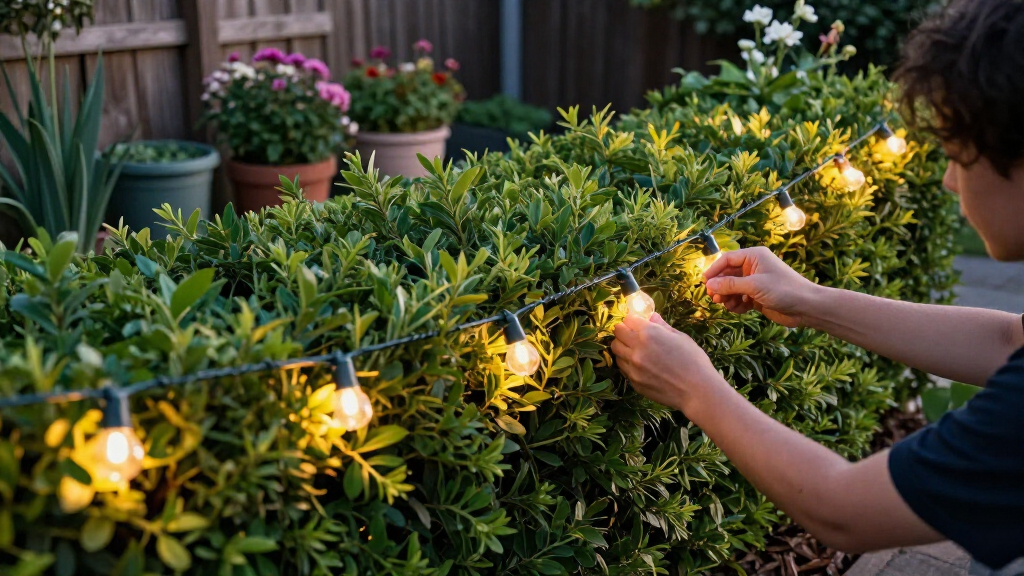
Placement suggestions include along pathways, among foliage, or in areas prone to power outages, where solar lamps can serve as reliable, independent light sources. Several product options are available, ranging from minimalist designs to colorful, motion-sensitive lamps, catering to different aesthetic preferences.
Why Solar Garden Lighting Is Growing in Popularity
This shift toward solar outdoor lighting matters because it offers cost-effective, eco-friendly solutions that can transform garden spaces into cozy retreats. As costs for traditional outdoor lighting rise and the desire for more natural, subtle lighting increases, solar lamps provide an accessible way for homeowners to enhance their gardens without significant investment.
Additionally, this trend supports sustainable practices by reducing energy consumption and eliminating the need for complex wiring. It also appeals to those seeking easy-to-maintain, flexible lighting options that can be moved around to suit changing garden layouts or seasonal needs.
As an affiliate, we earn on qualifying purchases.
Rise of Solar Lighting in Garden Trends
Over recent years, garden lighting has evolved from utilitarian floodlights to more decorative, ambient solutions. The current summer season has seen a notable increase in the use of solar-powered lamps, driven by favorable weather conditions and a broader movement toward sustainable outdoor design. Garden experts have observed a shift in consumer preferences, favoring affordable, stylish, and eco-friendly lighting options that enhance outdoor living spaces.
This trend aligns with wider environmental concerns and the desire for cost savings, especially as energy prices rise. The availability of diverse solar lighting products—from simple path lights to colorful, programmable lamps—has contributed to their popularity among homeowners looking to create inviting, functional gardens.
“Solar lights are great because long days mean they charge properly and perform at their best.”
— an anonymous researcher
budget-friendly solar pathway lights
As an affiliate, we earn on qualifying purchases.
As an affiliate, we earn on qualifying purchases.
Remaining Questions About Solar Garden Lighting Effectiveness
It is still unclear how long the batteries in lower-cost solar lights last under continuous outdoor exposure, and whether higher-quality models will become more affordable. Additionally, the extent to which solar lighting can replace traditional floodlights for larger or shaded areas remains uncertain, as does the long-term durability of various styles and brands.
As an affiliate, we earn on qualifying purchases.
Future Trends and Developments in Solar Garden Lighting
Expect further innovations in solar lighting technology, including longer-lasting batteries and brighter, more customizable options. Manufacturers may also introduce more affordable, high-performance models, making solar lighting a more viable option for comprehensive outdoor illumination. Gardeners and homeowners should watch for new product launches and evolving placement strategies to maximize their outdoor ambiance.
rechargeable solar landscape lighting
As an affiliate, we earn on qualifying purchases.
As an affiliate, we earn on qualifying purchases.
Key Questions
Can solar outdoor lights fully replace traditional floodlights?
While solar lights are excellent for creating ambient, decorative lighting, they generally do not provide the same level of brightness and coverage as traditional floodlights, especially for large or shaded areas.
How long do solar garden lights typically last?
The lifespan of solar garden lights depends on quality. Cheaper models often last only a few seasons, with batteries needing replacement. Higher-quality lights may last several years with proper maintenance.
Are solar lights suitable for all garden styles?
Yes, solar lights come in various styles, shapes, and colors, making them adaptable to different garden aesthetics—from modern to rustic. Placement and design choices can enhance their visual appeal.
What is the best placement for solar garden lights?
Optimal placement includes along pathways, near foliage where they can be shaded or illuminated from above, and in areas prone to power outages. Ensuring they receive sufficient sunlight during the day is key.
Source: rss
Fall Picks
fall essentials
As an affiliate, we earn on qualifying purchases.