TL;DR

Get garden gear delivered free — and shop member deals
- Fast, free delivery on millions of items
- Access to Prime Big Deal Days deals on October 6–7
- Prime Video, Amazon Music and more included
In desert heat, larger containers help tomatoes survive July by offering more root room, better moisture retention, and temperature stability. Choosing the right pot size boosts plant health and yield during extreme heat.
Use containers of at least 5 gallons for desert tomatoes to improve survival during July heat waves.
Larger pots buffer soil temperature swings, helping roots stay cooler and more stable.
More soil volume in big containers retains moisture longer, reducing watering frequency and stress.
Choose breathable, insulating, or reflective containers to combat desert heat effectively.
Proper placement and soil amendments can boost big container performance in extreme summer conditions.
Why Larger Pots Keep Desert Tomatoes Alive in July
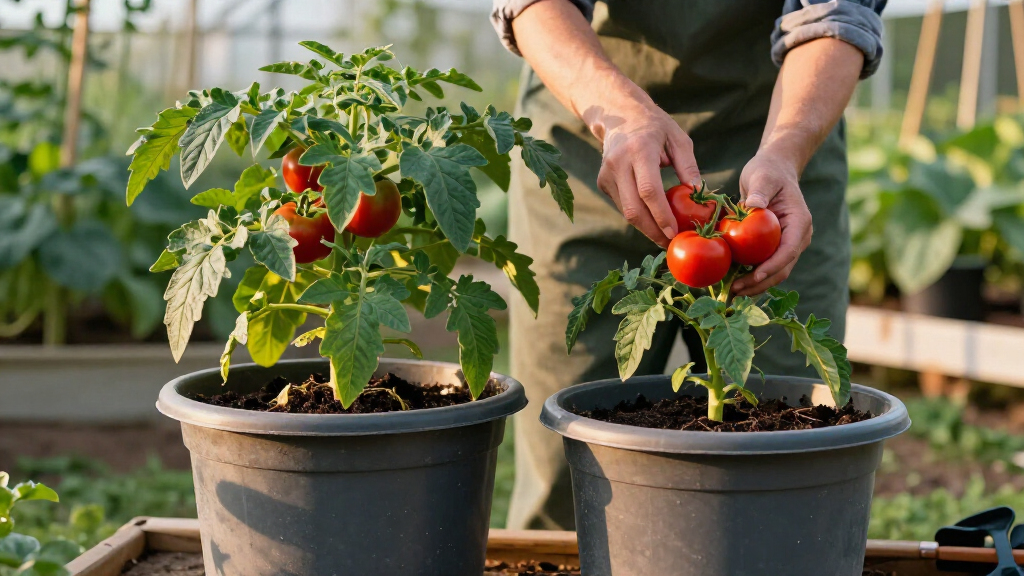
Big pots aren’t just about space — they’re about survival. In the blazing July heat, the soil in small containers can heat up to over 130°F, stressing roots and halting growth. Larger pots, holding more soil, act like a giant thermal buffer. They keep roots cooler and more stable, making a real difference in plant resilience. Imagine a 10-gallon container, thick with rich soil, acting like a mini oasis for your tomato roots during the 110°F days. That’s the kind of environment that keeps plants happy and productive, even when the sun’s relentless.
Root health is the foundation of your plant’s vigor. When roots are cramped in tiny pots, they struggle to absorb water and nutrients. Larger containers give roots room to stretch out, dig deeper, and access moisture reserves buried in the soil. This is especially critical when watering is less frequent but more generous — which is the best way to avoid fungal diseases and root rot in desert heat.
Choosing larger pots also means you have to consider tradeoffs. They are heavier, more expensive, and require more space, which could be a constraint in small gardens or patios. However, the benefits of increased resilience and yield often outweigh these challenges, especially in extreme climates where plant survival hinges on environmental buffering. The extra effort in selecting and managing bigger containers can translate into a more robust harvest and less plant loss during peak heat periods.
As an affiliate, we earn on qualifying purchases.
How Container Size Affects Watering and Moisture in Hot Weather
In July, watering becomes a balancing act. Smaller containers dry out fast — sometimes within a day — leaving plants parched and wilting. Larger pots, with their greater soil volume, hold moisture longer. Think of a 5-gallon versus a 15-gallon pot: the bigger one can keep water for an extra 24-48 hours during a heatwave.
For desert tomatoes, aim to water deeply early in the morning or late evening. In a 10-gallon container, this might mean 1-2 gallons per watering, which soaks the soil thoroughly. The extra soil acts like a sponge — slowly releasing moisture and reducing the stress of drought conditions. This approach minimizes the frequency of watering, which is beneficial because it encourages deeper root growth and helps the plant access moisture stored deeper in the soil profile. Moreover, less frequent watering reduces surface evaporation, which is a major factor in desert heat, thereby conserving water and maintaining more consistent soil moisture levels. This consistency is crucial to prevent stress-induced diseases and ensure steady nutrient uptake, ultimately supporting healthier, more resilient plants during extreme temperatures.
It’s important to recognize that larger containers require more water per session, which can be a challenge in water-scarce environments. However, the tradeoff is that they reduce the overall watering frequency and help maintain a more stable root environment, which is critical for plant health. Additionally, overwatering in large containers can lead to waterlogging if drainage isn’t adequate, so proper drainage setup is essential. The key is to find a balance: deep, infrequent watering that keeps the soil moist enough without risking root rot, which becomes easier with larger soil volumes that buffer against rapid drying and temperature swings.
large outdoor plant pots for tomatoes
As an affiliate, we earn on qualifying purchases.
As an affiliate, we earn on qualifying purchases.
Comparison Table: Small vs. Big Containers in Desert Tomato Growing
| Feature | Small Container (2-3 gallons) | Large Container (5+ gallons) |
|---|---|---|
| Root Space | Limited, roots often crowded | Ample, roots can grow freely |
| Moisture Retention | Quickly dries out in heat | Stays moist longer, reduces watering frequency |
| Heats and cools rapidly | More temperature stability | |
| Plant Resilience in July | Low; prone to stress and damage | High; better survival and productivity |
| Yield Potential | LimitedSmaller, fewer fruits | Larger, more abundant harvest |
reflective garden pots for heat resistance
As an affiliate, we earn on qualifying purchases.
As an affiliate, we earn on qualifying purchases.
Practical Tips for Picking the Right Big Pot
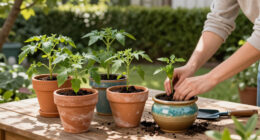
Not all large containers are created equal. For desert tomatoes, aim for at least 5 gallons — 10 gallons if you want a real cushion against July’s brutal heat. Choose containers with good drainage holes; standing water invites root rot. Materials matter: fabric pots breathe better and stay cooler than traditional plastic, but sturdy plastic or composite containers also work if they’re insulated or painted white.
Place your pots where they get morning sun but some afternoon shade if possible. Elevate them slightly on bricks or stands to improve airflow underneath and prevent overheating from ground heat.
drainable ceramic plant pots for desert gardening
As an affiliate, we earn on qualifying purchases.
As an affiliate, we earn on qualifying purchases.
Smart Container and Soil Choices for Hot Climates
Use soil formulated for container gardening — rich, well-draining, with organic matter. Mix in compost or worm castings for extra water-holding capacity. Consider adding a layer of mulch on top to reduce evaporation and keep soil temperature down. Reflective mulches or white paint on containers can also deflect heat, keeping roots cooler.
Pair your container choice with insulation: straw bales or reflective blankets wrapped around the pot can make a noticeable difference during mid-summer heatwaves.
The Final Word: Bigger Pots Are the Desert Gardener’s Secret Weapon
When summer hits full force, bigger pots help your tomato plants handle July’s heat with less stress and more fruit. They act like a mini oasis, buffering roots from scorching temps and keeping moisture steady. It’s not just about size — it’s about giving your plants the environment they need to thrive when conditions are unforgiving.
If you want to harvest ripe, juicy tomatoes in the desert heat, start with a big container. Your plants will thank you with a summer bounty that’s worth every extra gallon of soil.
Frequently Asked Questions
Why do tomatoes in bigger pots survive better in July?
Bigger pots hold more soil, which buffers against rapid temperature swings and retains moisture longer, giving roots a cooler, more stable environment during the hottest days.How often should I water my large container tomatoes in peak summer?
Deep watering every 1-2 days, ideally early morning or late evening, keeps soil moist without waterlogging. Adjust based on soil type and weather conditions.Can I use any container size for desert tomatoes?
While smaller pots can work temporarily, containers of 5 gallons or more are best for consistent survival and fruit production during July’s heat.What materials help keep large containers cooler in desert heat?
Breathable fabric pots, reflective coatings, or white-painted containers help deflect heat and promote airflow, protecting roots from scorching temps.Are certain tomato varieties better suited for container gardening in deserts?
Dwarf, determinate, or bush varieties tend to perform well, but with proper container size and care, many types can produce in desert conditions.Conclusion
In desert gardening, size really does matter. Bigger pots aren’t just about giving roots space — they’re about creating a mini climate that supports tomato plants through the brutal heat of July. Think big, water smart, and your summer harvest will be that much sweeter. It’s a simple shift that can transform your desert garden from struggle to success.Fall yard work Picks
leaf blowers
As an affiliate, we earn on qualifying purchases.