TL;DR

Get garden gear delivered free with Prime
- Fast, free delivery on millions of items
- Prime Video, Amazon Music and more included
- Member-only deals all year
In 110°F heat, containers dry out fast. Regular deep watering, shade, and drought-tolerant plants help keep pots alive. Use reflective containers and moisture sensors for best results.
Choose native, drought-resistant plants like succulents or herbs for better survival in 110°F heat.
Water deeply early in the morning and consider installing drip or self-watering systems for consistent moisture.
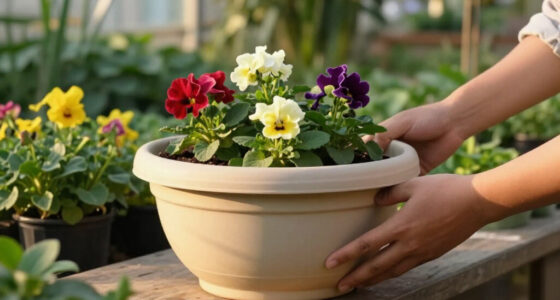
Use light-colored or reflective containers to prevent roots from overheating.
Shade containers during peak hours with shade cloths, umbrellas, or strategic placement.
Mulch heavily and add water-retaining gels to soil to keep roots cool and moist longer.
Container Gardening at 110 Degrees: Keeping Pots Alive in July
TL;DR: In 110°F heat, containers dry out fast. Regular deep watering, shade, drought-tolerant plants, reflective containers, mulch, and moisture sensors can keep roots cool enough for pots to survive and keep growing.
Container plants can lose dramatically more moisture in extreme heat, especially in small dark pots.
Pots may need watering two to three times more often than they do in cooler conditions.
At 110°F, survival is a system: water deeply, shade strategically, cool the container, and choose plants built for heat.
Shade pots during the hottest hours to reduce scorch and evaporation.
Mulch can reduce soil temperature by up to 20°F when applied generously.
Deep morning watering gives roots a reserve before heat peaks.
Moisture sensors and timers reduce guesswork during heatwaves.
Pick plants that already know how to endure heat.
Delicate annuals can turn crispy in hours. Native, drought-adapted plants often survive longer because they reduce water loss through waxy leaves, compact growth, deep roots, or naturally slower transpiration.
Succulents and cacti
Thick leaves and stems store water, making these plants strong candidates for reflective pots and bright patios.
Rosemary and thyme
Woody Mediterranean herbs tolerate heat better than tender leafy herbs when they get drainage, morning water, and afternoon shade.
Native perennials
Plants adapted to local dry summers usually need less emergency care, though they still benefit from mulch and cooling shade.
The 110°F watering chain.
Surface sprinkles are not enough in triple-digit heat. The goal is full root-zone hydration without leaving soggy soil trapped in a pot with poor drainage.
Check soil
Test moisture early and again later in the day during severe heat.
Water deep
Soak until water exits drainage holes so lower roots get reached.
Cool roots
Morning water helps buffer roots before the container heats up.
Automate
Drip irrigation and self-watering planters keep moisture steadier.
Verify
Use a moisture sensor to avoid both drought stress and root rot.
The pot itself can cook or protect the roots.
Light-colored and reflective containers bounce sunlight away. Dark metal and clay absorb heat, pushing soil temperatures higher and increasing plant stress.
| Container type | Heat reflection | Root-zone effect | July verdict |
|---|---|---|---|
| Light-colored ceramic or plastic | ✓ High | Lowers soil temperature and keeps roots cooler | ✓ Strong choice |
| Dark-colored metal or clay | ✗ Low | Absorbs heat and raises root temperature | ✗ Avoid peak sun |
| Reflective coated containers | ✓ Very high | Significantly reduces heat absorption | ✓ Best heat defense |
| Small unmulched pots | ~ Variable | Dry fast because there is little soil mass | ~ Monitor closely |
Where the biggest survival gains come from.
In extreme heat, the most reliable container strategy combines moisture control, shade, reflective surfaces, and insulation at the soil line.
Heat-stress spectrum for potted roots
Give every pot a cooler microclimate.
Shade cloth, grouped containers, awnings, umbrellas, mulch, and water-retaining gels all work by slowing the same failure pattern: hot pot, dry soil, dehydrated roots, scorched leaves.
Simple shade moves
Use shade cloth or mesh from 10 a.m. to 3 p.m. Move containers under trees, porches, awnings, shade sails, or umbrellas when July heat spikes.
Group pots together to reduce wind exposure and create mutual shade, but leave enough airflow to prevent disease.
From heat spike to living pot.
Use this quick chain when the forecast hits 110°F: reduce heat, preserve water, and verify soil moisture before plants cross into stress.
The truth about heat-tolerant plants that actually survive 110°F
Not every plant can handle the blistering summer sun. The key is choosing native, drought-resistant varieties that have evolved to withstand extreme heat. Think succulents, cacti, and certain herbs like rosemary and thyme. For example, a rosemary bush can often survive prolonged heat if given shade and water, while delicate annuals wilt within hours.
Plant selection isn’t just about beauty—it’s about survival. If you planted delicate petunias in the middle of July, they’d droop and turn crispy. Instead, opt for plants that have a built-in resilience to intense sun and low water, and you’ll see your containers stay lively longer. Choosing the right plants means understanding their natural adaptations; native drought-tolerant species often have deep root systems, waxy or hairy leaf surfaces, or other features that minimize water loss. This reduces the need for constant watering, but it’s important to recognize that even resilient plants need some shade and moisture to thrive in extreme heat. The tradeoff, then, is balancing plant choice with supplemental shade and watering strategies to prevent stress and maintain vitality.
As an affiliate, we earn on qualifying purchases.
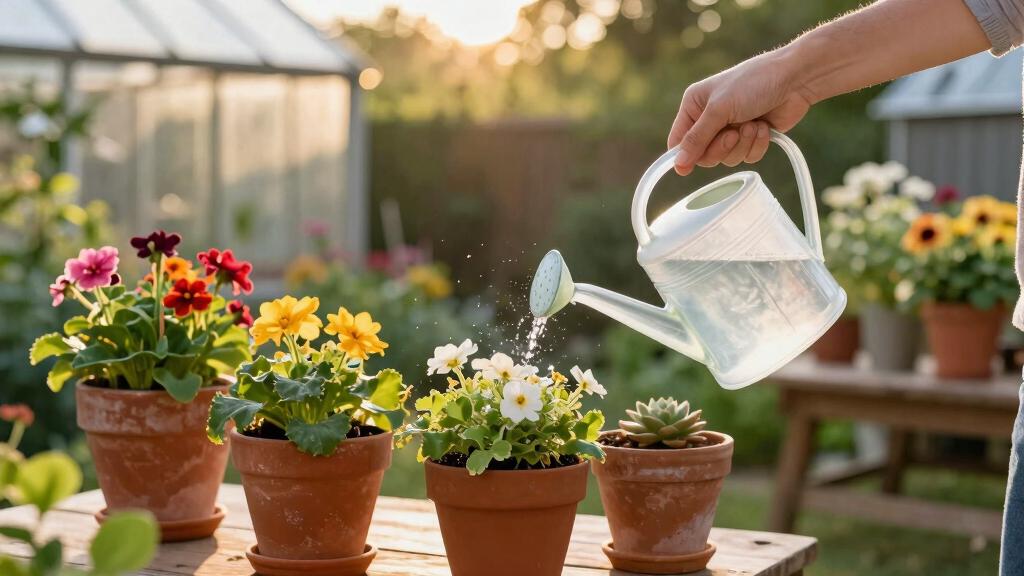
How to water your containers effectively during a 110°F heatwave
- Deep water early in the morning—this gives roots a boost before the heat peaks. Proper timing ensures plants can absorb and store moisture when evaporation rates are lower, reducing midday stress.
- Check soil moisture twice daily; in triple-digit heat, containers may need watering 2-3 times a day. This frequent attention helps prevent the soil from reaching a critical dryness point, which can cause root dehydration and plant stress.
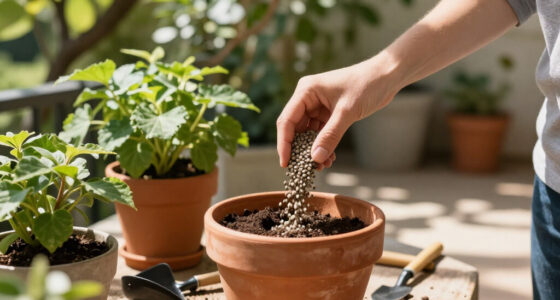
- Use water-retentive gels or hydrogels mixed into soil to hold moisture longer. These tiny crystals act like sponges, absorbing excess water and gradually releasing it, thereby maintaining a more consistent moisture level and reducing the frequency of watering.
- Water until it drips out the drainage holes—this ensures roots get fully soaked. In extreme heat, surface watering is insufficient; thorough saturation reaches deep roots, which are vital for plant health and resilience.
- Consider installing drip irrigation or self-watering containers for consistent moisture. These systems reduce the guesswork and manual effort, providing steady hydration even during the hottest parts of the day, which minimizes plant stress and conserves water.
Imagine a ceramic pot in direct sun—by noon, it’s scorching hot. Giving it a thorough soak early on keeps roots cool and prevents wilting even during peak heat. Deep, consistent watering reduces the risk of root dehydration, which can lead to leaf scorch, wilting, and eventual plant death. The tradeoff is that overwatering can cause root rot if drainage isn’t adequate, so monitoring soil moisture is key. Using timers or moisture sensors can help optimize watering schedules, balancing hydration needs with drainage capacity to maintain healthy, resilient plants.
As an affiliate, we earn on qualifying purchases.
Why choosing the right container material keeps plants cooler
| Material | Heat Reflection | Impact on Soil Temp |
|---|---|---|
| Light-colored ceramic or plastic | High | Lower soil temps, keeps roots cooler |
| Dark-colored metal or clay | Low | Absorbs heat, raising root temperature |
| Reflective coated containers | Very high | Significantly reduces heat absorption |
If you want to keep your plants from frying, pick containers that bounce back sunlight rather than absorb it. Light-colored or reflective coatings can make a real difference, especially in the blistering desert sun. The choice of container material affects how much heat is transferred to the soil and roots. Dark materials absorb more heat, raising soil temperature and increasing stress on the plants. Conversely, light-colored or reflective surfaces deflect sunlight, reducing heat transfer and helping maintain cooler root zones. The tradeoff is that reflective or light-colored containers may be more expensive or less available, but investing in them can significantly improve plant survival and health in extreme heat conditions. Ultimately, selecting the right container material is a simple yet effective way to mitigate heat stress and prolong plant vitality during the hottest months.
As an affiliate, we earn on qualifying purchases.
Simple shade tricks to save your pots from sun scorch
- Use shade cloths or mesh screens during the hottest hours (10 a.m. to 3 p.m.).
- Place pots under trees, or set them in the shade of an awning or porch.
- Group pots together to act as natural windbreaks and offer mutual shade.
- Move containers to a shaded spot during the peak heat of July days.
- Install inexpensive shade sails or umbrellas for instant relief.
Imagine a row of bright green pots tucked under a patio awning—plants stay cooler, roots don’t cook, and you avoid that crispy leaf edge that screams ‘heat stress.’ The goal of these shade tricks is to reduce the direct sunlight exposure during the hottest part of the day, which can reach 110°F or higher. Without shading, roots can heat up rapidly, leading to dehydration, leaf scorch, and overall plant decline. Strategically placing containers in shaded areas or using portable shade solutions not only cools the root zone but also minimizes water loss through evaporation. The tradeoff is that too much shade can sometimes reduce growth rates or flowering, so it’s important to find a balance that protects the plants without overly depriving them of sunlight. Implementing these simple shade tricks can make the difference between a wilting, crispy mess and a thriving summer container garden.
As an affiliate, we earn on qualifying purchases.
How mulching and soil amendments keep your pots moist and cool
Mulching is like giving your pots a cooling blanket. Organic mulches like straw or gravel can lower soil temps by up to 20°F (11°C). They also slow evaporation, so watering lasts longer. The key is choosing mulches that insulate and reflect heat, which reduces the temperature fluctuations that stress plants. Organic mulches decompose slowly, adding organic matter that improves soil health, but they need to be applied thickly enough to create an effective barrier. Gravel or small stones reflect sunlight and can further reduce heat absorption, but they may increase soil temperatures if not combined with other strategies. The benefit of mulching is not just temperature regulation but also moisture conservation—by reducing evaporation, you can water less frequently, which is crucial during heatwaves. Adding water-retaining gels or hydrogels into your soil mix is another smart move. These tiny crystals absorb water and release it slowly, giving your plants a steady drink during scorching days. The tradeoff is that some mulches might attract pests or harbor mold if not properly maintained, so choose materials suited for your environment and keep mulch layers clean and dry.
Tech gadgets that make hot-day container care easier
Soil moisture sensors are game-changers. They tell you exactly when your plants need water, preventing guesswork and overwatering or underwatering. Many models sync with your phone, so you get alerts even if you’re busy. This technology helps you target watering precisely when it’s needed, reducing waste and preventing stress caused by inconsistent moisture levels. Weather apps that include real-time heat index and UV exposure can help you plan watering and shading more effectively, giving you a comprehensive view of environmental stressors. An anonymous researcher notes that combining tech with good habits can cut water use by 30% while keeping plants healthier. Imagine checking your phone, and it alerts you that soil moisture is dipping below safe levels—perfect timing to water before stress sets in. The tradeoff is that these gadgets require an initial investment and some setup, but the payoff is a healthier, more resilient garden with less effort and water waste. Embracing these tools can make managing extreme heat less stressful and more precise, giving your plants a fighting chance during the hottest days.
Frequently Asked Questions
What are the best plants for container gardening in extreme heat?
Succulents, cacti, lavender, rosemary, and native drought-tolerant perennials handle 110°F better than most. They need less water and resist scorch better, making them ideal for hot July days.How often should I water my containers during a heatwave?
In triple-digit temps, containers usually need watering once or twice a day. Check soil moisture daily, and water deeply until it drains out the bottom to keep roots cool.Can I move my containers to shade during the hottest part of the day?
Absolutely. Moving pots under shade during peak hours (10 a.m. to 3 p.m.) prevents scorching and reduces stress. Just be sure to return them to their sunny spots afterward to keep growth steady.What soil mix works best in extreme heat?
Use a well-draining mix with organic matter, plus water-retaining gels. This combo keeps moisture in the soil longer and prevents roots from overheating.Are there container materials that stay cooler?
Yes. Light-colored ceramic, plastic, or containers with reflective coatings stay cooler than dark metal or clay. They reflect sunlight instead of absorbing it, protecting your plants’ roots.Conclusion
When the mercury soars past 110°F, your container garden needs more than just regular watering. It demands smart choices—shade, reflective containers, drought-tolerant plants, and moisture preservation. These simple steps turn scorching days into manageable ones, so your pots don’t just survive—they thrive.
Remember, a little planning and quick action go a long way. Keep your containers cool, and your garden will thank you with vibrant, healthy growth all summer long. Now, go set up those shade sails and hydrogels—your plants will love you for it.
Fall yard work Picks
leaf blowers
As an affiliate, we earn on qualifying purchases.