TL;DR

Get garden gear delivered free with Prime
- Fast, free delivery on millions of items
- Prime Video, Amazon Music and more included
- Member-only deals all year
Native caliche is dense, mineral-rich soil that blocks roots and causes drainage problems. Avoid it in raised beds by removing or breaking it up and using amended, well-draining soil mixes tailored for Arizona’s climate.
If you’ve tried gardening in Arizona’s tough soils, you’ve probably run into caliche. That dense, cement-like layer beneath the surface can turn a simple planting project into a frustrating battle against water pooling and root rot. But here’s the truth: the secret to thriving desert gardens isn’t just about what you plant — it’s about what you put in the soil.
In this guide, I’ll show you why native caliche stays out of raised beds, and what you should do instead. Whether you’re growing vegetables, native plants, or ornamentals, understanding the role of caliche can make or break your success.
Avoid native caliche in raised beds to prevent drainage problems and root issues.
Use soil tests to identify caliche presence and mineral levels before planting.
Physically remove or break up caliche during bed construction for best results.
Create a soil mix with organic matter, coarse sand, and mineral amendments for optimal growth.
Regular testing and soil amendments lead to healthier, more productive gardens.
Why Native Caliche Stays Out
TL;DR: Native caliche is dense, mineral-rich desert soil that blocks roots, slows drainage, and can trap salts around plants. Arizona raised beds perform better when caliche is removed, broken up below the bed, or excluded from the planting mix entirely.
Better drainage is possible when caliche is avoided and the bed is filled with a loose, amended mix.
Caliche can sit close enough to the surface to stop roots before vegetables ever establish deeply.
Build the root zone first. The desert climate is hard enough without asking plants to fight a cement-like barrier below them.
What Caliche Does Beneath the Bed
Caliche forms as calcium carbonate and minerals harden in arid soil. In a raised bed, that layer behaves less like soil and more like a hidden plate: water stalls above it, roots flatten sideways, and salts can concentrate where young plants are trying to feed.
Water Has Nowhere to Go
Dense caliche slows downward movement, which creates soggy pockets, oxygen-starved roots, and higher root rot risk after irrigation.
Growth Stays Shallow
Vegetables, ornamentals, and many fruiting plants struggle when roots hit a hard layer instead of exploring deeper soil.
Salts Add Stress
Caliche-rich native soil may carry salts and minerals that interfere with water uptake, nutrient access, and plant vigor.
How to Keep Caliche Out of the Root Zone
Raised bed prep works best as a sequence: find the barrier, remove or fracture it, isolate it from roots, then fill the bed with a mix that drains quickly while still holding enough moisture for Arizona heat.
Dig a Test Pit
Look for a hard, chalky, white-gray layer that resists digging or breaks into powdery chunks.
Confirm the Soil
Test calcium carbonate and salinity before planting so amendments match the actual site.
Remove or Break
Chip out shallow caliche, or fracture deeper layers so water does not perch beneath the bed.
Refill Cleanly
Use compost, pumice or coarse sand, and mineral amendments instead of native caliche fill.
The Arizona Raised Bed Mix
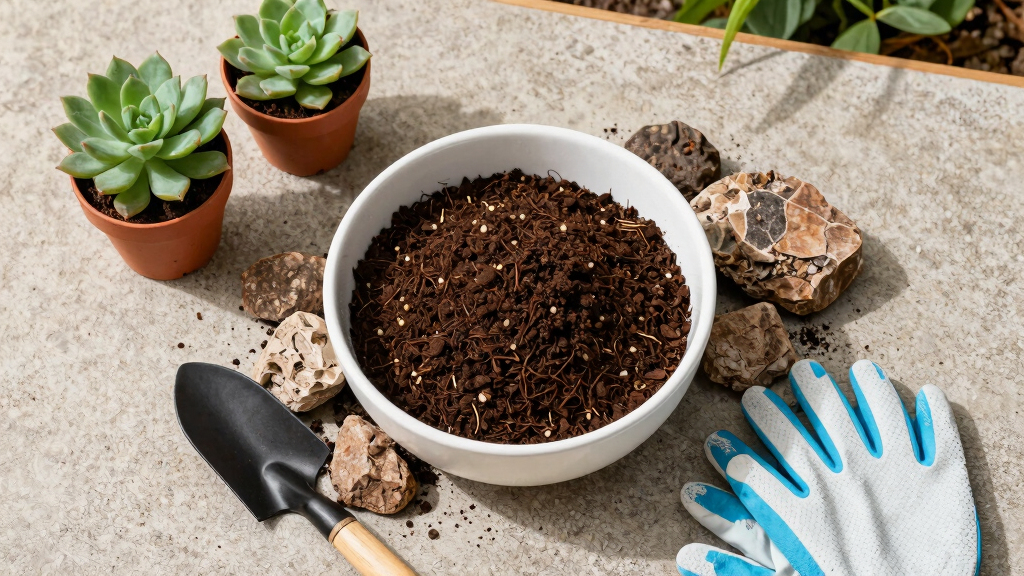
The goal is not fluffy potting soil or raw desert dirt. The target is a balanced mineral-organic blend that drains fast, keeps air around roots, and holds enough moisture to survive hot afternoons.
Native Caliche vs. Amended Bed Soil
Most raised bed failures are not caused by choosing the wrong tomato. They start when the planting zone holds too much water, compacts too quickly, or traps roots above a mineral barrier.
| Soil Factor | Native Caliche | Amended Raised Bed Mix | Garden Impact |
|---|---|---|---|
| Drainage | ✗ Slow and uneven | ✓ Fast but buffered | Less pooling, fewer soggy roots |
| Root Penetration | ✗ Cement-like barrier | ✓ Open pore structure | Deeper roots and stronger plants |
| Salinity Risk | ~ Often elevated | ✓ Managed with testing | Better water uptake and less stress |
| Fertility | ✗ Mineral-heavy, low organic matter | ✓ Compost-led nutrition | Steadier growth and yield |
| Maintenance | ~ More correction later | ✓ Easier annual tune-up | Testing guides precise amendments |
Calcium Carbonate Signal
From Hidden Layer to Healthier Plants
The logic is simple: test the soil, stop the barrier from controlling drainage, then build a root zone that suits Arizona’s heat instead of repeating the native-soil problem inside a wooden box.
What is caliche — and why does it sabotage your garden?
Caliche is a natural layer of calcium carbonate that forms in Arizona’s desert soils. It looks like a hard, crusty shell or a dense, cement-like layer that resists digging. Many homeowners discover it when they try to dig a hole, only to hit a stubborn, unyielding barrier.
This layer isn’t just a nuisance — it causes real problems. It blocks water from draining properly, making your plants’ roots sit in soggy soil. Roots can’t penetrate caliche, so plants stay shallow and weak. Plus, caliche often contains high levels of salts and minerals, which can burn roots and make water absorption even harder.
Understanding why caliche causes these issues helps you appreciate the importance of removing or breaking it up. When caliche remains in your soil, it creates a permanent barrier to healthy root development and water movement. This means your plants are more susceptible to drought stress, root diseases, and even nutrient deficiencies because their roots can’t access the nutrients and water they need from deeper layers. Recognizing the presence of caliche early allows you to take measures that prevent these long-term problems and set your garden up for success.
raised bed soil mix for desert gardening
As an affiliate, we earn on qualifying purchases.
As an affiliate, we earn on qualifying purchases.
Why native caliche is a no-go for your raised beds
Native caliche stays out of raised beds because it’s the root of many gardening headaches. Its dense structure prevents proper drainage, leading to waterlogged roots and root rot. It also stops roots from spreading deep into the soil, limiting plant growth and resilience.
For example, a gardener in Phoenix might build a raised bed with native soil containing caliche. Months later, they notice their tomatoes struggle — leaves yellow, fruits shrivel. The culprit? Water pooling due to caliche’s poor drainage.
Beyond just drainage issues, caliche’s high salt content can create a toxic environment for many plants, causing stress and stunting growth. This can lead to a cycle of poor plant health, increased watering needs, and difficulty establishing a vibrant garden. For vegetables and ornamentals, the presence of caliche means your efforts are fighting against a natural barrier that limits root expansion, reduces nutrient uptake, and hampers overall growth. Therefore, avoiding native caliche isn’t just a preference — it’s a crucial step for ensuring a productive, healthy garden in Arizona’s challenging soils.
caliche removal tools for gardening
As an affiliate, we earn on qualifying purchases.
As an affiliate, we earn on qualifying purchases.
How to spot caliche in your soil before planting
- Dig a small hole or test pit in your soil.
- Look for a dense, crusty layer that resists digging or crumbles into a powder when broken.
- If the soil feels unusually hard or chalky, test for calcium carbonate content. You can buy a simple soil test kit for that.
- Check for white or greyish deposits in the soil — a sign of caliche presence.
For example, during a recent garden project, I found a layer of caliche just six inches below the surface. Knowing this early saved hours of frustration later on.
Getting familiar with caliche signs helps you plan better and avoid planting issues down the line. Recognizing caliche early on means you can choose appropriate soil amendments or excavation strategies before planting, saving time and preventing root problems later. It also helps you decide whether you need to replace soil or improve drainage, which can be critical steps in establishing a thriving desert garden.
well-draining soil amendments for Arizona gardens
As an affiliate, we earn on qualifying purchases.
As an affiliate, we earn on qualifying purchases.
How to remove or break up caliche during bed construction
- Physically remove caliche by chipping away or digging it out with a pickaxe or mattock. Wear eye protection and gloves — it’s tough work.
- If removal isn’t feasible, break the caliche into smaller pieces using a sledgehammer or heavy-duty tools. Smaller pieces are easier to incorporate into soil or to layer beneath your bed to improve drainage.
- Mix the removed caliche with soil or use it as a base layer away from plant roots. This prevents it from acting as a barrier within your planting zone.
- Fill the bed with a tailored mix of compost, coarse sand, pumice, and other amendments that promote drainage and fertility.
For instance, I once removed a 4-inch caliche layer from a new raised bed. After breaking it up and mixing in plenty of compost and pumice, my plants shot up — no more soggy roots.
This hands-on approach pays off, especially if you’re serious about healthy, water-wise gardening. Removing caliche creates a more hospitable environment for roots to grow deeper and access nutrients, which is essential for vibrant plant growth and resilience in desert conditions.
As an affiliate, we earn on qualifying purchases.
Creating a soil mix that keeps caliche out — and plants happy
Your goal: a soil that drains quickly, retains enough moisture, and feeds your plants. Here’s a simple formula:
- 50% organic matter — compost, aged manure, or peat moss
- 25% coarse sand or pumice — for drainage
- 15% mineral amendments like gypsum or perlite
- 10% native soil (if free of caliche), mixed thoroughly
This combination ensures that the soil remains loose and well-draining, preventing the waterlogging and root suffocation caused by caliche. The organic matter supplies nutrients and improves moisture retention, while coarse sand and pumice create air pockets that facilitate drainage. Gypsum can help displace sodium and other harmful minerals, further improving soil quality. The key is thorough mixing to ensure uniformity, so roots can grow freely and access water and nutrients efficiently. Tailoring your soil mix this way mitigates the adverse effects of caliche and promotes healthier, more resilient plants in Arizona’s harsh climate.
Why testing your soil beats guesswork every time
Testing your soil for calcium carbonate and salinity levels is the best way to avoid surprises. It’s quick, affordable, and tells you exactly what amendments are needed. Knowing the specific mineral content helps you tailor your soil amendments precisely, saving time and money while avoiding over- or under-treating your soil.
For example, a simple test kit can reveal if your soil has over 10% calcium carbonate, indicating caliche presence. If salinity is high, you’ll want to add gypsum or improve drainage even more. These insights allow you to make informed decisions, which is especially important in desert environments where soil conditions vary greatly from one site to another. Regular testing—once a year or after heavy rains—keeps your soil in check and helps you fine-tune your amendments for optimal plant growth, leading to healthier, more productive gardens over time.
Native plants or soil improvements — which wins?
Some desert natives are adapted to caliche-rich soils. If you’re committed to native plants, you can plant directly into your native soil and hope for the best. Native species like mesquite or creosote have evolved to tolerate high mineral content and poor drainage, often thriving where other plants struggle. However, this tolerance comes with tradeoffs: native plants may not produce the same aesthetic appeal or yield as cultivated varieties, and they might require specific care tailored to their natural environment.
For most vegetables and ornamentals, improving your soil offers far better results. By adding organic matter, coarse sand, and mineral amendments, you create a more hospitable environment that encourages vigorous growth, better nutrient uptake, and resilience against drought and disease. While native plants can be a sustainable choice, mixing native plantings with soil improvements allows you to enjoy a lush, productive garden while respecting the desert’s unique conditions. Ultimately, the decision hinges on your goals—native plant resilience versus the productivity and diversity of improved soils.
Frequently Asked Questions
How can I tell if my soil contains caliche?
Look for a dense, crusty layer or a hard, cement-like barrier just beneath the surface. Soil testing kits can confirm calcium carbonate levels, giving you a clear answer.Can I remove caliche myself?
Yes, physically chipping or digging out caliche is effective but labor-intensive. Use a pickaxe or mattock, and wear protective gear. Breaking it into smaller pieces helps mix it out of your soil.What amendments work best to improve Arizona soils?
Organic compost, coarse sand or pumice, and gypsum are your best friends. They improve drainage, loosen compacted soil, and displace harmful salts and minerals.Is it necessary to buy special soil mixes?
Not always, but pre-mixed soils designed for desert conditions often exclude caliche and focus on drought-tolerant ingredients — saving time and boosting your chances of success.How often should I test my soil?
Once a year is a good rule, especially after heavy rains or if your plants show signs of stress. Regular testing keeps your soil healthy and your garden thriving.Conclusion
In Arizona’s desert, the secret to thriving raised beds isn’t just what you grow — it’s what you build your soil on. Removing or sidestepping native caliche transforms your garden from a battle with the soil into a celebration of lush, water-wise plants.
Remember: good soil beats good seeds every time. With a little effort now, you’ll enjoy bountiful harvests and vibrant blooms, even in the harshest conditions.
Fall yard work Picks
leaf blowers
As an affiliate, we earn on qualifying purchases.