TL;DR
Open a free Amazon Business account
Business pricing, bulk buying and tax-exempt orders.
Create a free accountAs an affiliate, we earn on qualifying purchases.
Metal raised beds heat up quickly in Phoenix, often exceeding 120°F in summer. Proper shading, insulation, and plant choices help prevent damage and keep your garden productive.
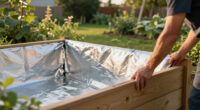
Imagine your garden on a blazing summer day in Phoenix. Metal raised beds soak up the sun’s intense rays, turning your soil into a mini oven. You might wonder: are these metal beds frying my plants? This guide dives into what soil temperature data shows about metal beds in our desert heat—and how to keep your garden thriving despite it.
Understanding how hot your soil gets helps you choose the right strategies—whether that’s shading, insulating, or picking heat-tolerant plants. Let’s explore what the numbers tell us and how you can garden smarter in the heat.
Metal raised beds conduct heat rapidly, leading to soil temps over 120°F in Phoenix summers.
Soil temperature data confirms high heat stress risk for many plants—especially cool-season crops.
Using shade cloths, reflective coatings, and mulch can significantly lower soil temps inside metal beds.
Choosing heat-tolerant plants and adjusting planting schedules helps keep your garden productive.
Materials matter: wood or composite beds generally stay cooler than metal in extreme heat.
Do Metal Raised Beds Overheat in Phoenix?
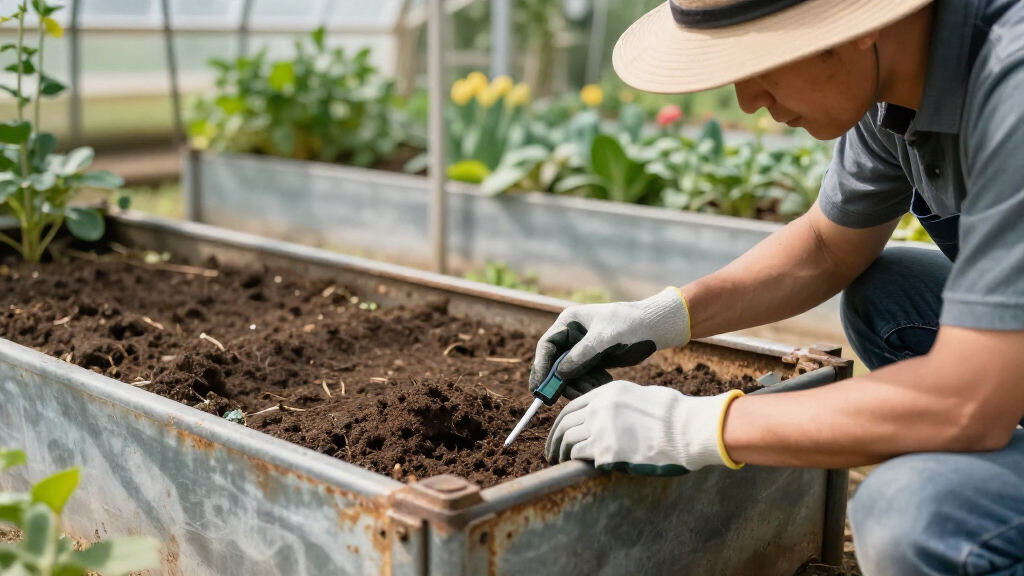
Soil temperature data shows that unprotected metal beds can become root-zone ovens in peak summer. The material is usable—but only when shade, insulation, moisture, and crop choice work together.
Recorded at noon in a North Phoenix metal bed on a 110°F day.
Lettuce, spinach, and broccoli may wilt, bolt, or sustain root damage.
Yes—metal beds can overheat. Shade and insulation can make them productive even in desert heat.
Metal moves heat fast
Galvanized steel is durable and sleek, but high thermal conductivity allows exposed walls to absorb solar energy and rapidly transfer it toward the soil.
Sun strikes the wall
Dark or unshaded metal surfaces absorb intense desert radiation and warm quickly from morning onward.
Heat enters the bed
The hot wall transfers energy into adjacent soil, creating the greatest risk near the bed perimeter.
Plants lose resilience
Extreme heat disrupts water and nutrient uptake, accelerates moisture loss, and can damage young roots.
Triple-digit soil is biologically significant
A reading above 120°F is more than “hot.” It can create thermal shock, especially for seedlings and cool-season crops that already struggle once soil passes about 85°F.
Metal-bed soil at noon
North Phoenix example during a 110°F day: soil ran approximately 15°F hotter than ambient air.
Thresholds are practical risk markers, not universal biological cutoffs. Crop, variety, moisture, and exposure all matter.
cool crops struggle
severe stress
observed peak
Build a cooler microclimate
No single intervention solves every heat problem. Layering reflective surfaces, shade, mulch, well-timed irrigation, and suitable crops provides stronger protection.
Reflect the sun
Use a light, reflective exterior coating to reduce radiant heat absorption.
Block peak rays
Deploy shade cloth from late morning through mid-afternoon.
Insulate the soil
Add mulch or straw to slow heating and retain root-zone moisture.
Water early
Irrigate in the morning to support plants before peak heat arrives.
Match the crop
Prioritize varieties adapted to sustained summer temperatures.
A gardener shades metal beds from 11 a.m. to 3 p.m., lowering the reported soil temperature enough for eggplants to continue producing through summer.
≈20°Freported reductionDurability versus insulation
Metal is not automatically the wrong choice. Its longevity is valuable, but Phoenix gardeners should budget for heat management as part of the installation.
| Material | Heat conductivity | Durability | Typical cost | Desert verdict |
|---|---|---|---|---|
|
Metal
|
✗ High | ✓ Long-lasting | ~ Moderate–high | Good with shade and insulation |
|
Wood
|
✓ Low | ✗ Rot-prone | ✓ Lower | Cooler, but requires upkeep |
|
Composite / plastic
|
~ Moderate | ~ Moderate | ~ Moderate | Balanced, but UV quality matters |
Plant for the temperature you have
Heat-tolerant crops still benefit from cooling measures. Cool-season vegetables require much stronger protection—or a different planting window entirely.
Better summer candidates
These crops are better adapted to hot conditions, but consistent irrigation, mulch, and afternoon shade remain valuable.
Move to cooler seasons
Above roughly 85°F soil temperature, these crops may wilt, bolt, stop developing, or sustain root damage.
Keep the bed. Control the heat.
Metal raised beds can work in Phoenix, but exposed summer beds may exceed 120°F. Shade the hottest hours, reflect or insulate the walls, mulch deeply, water early, monitor the root zone, and reserve cool-season crops for cooler planting windows.
Why Metal Raised Beds Heat Up Faster Than Wood or Plastic
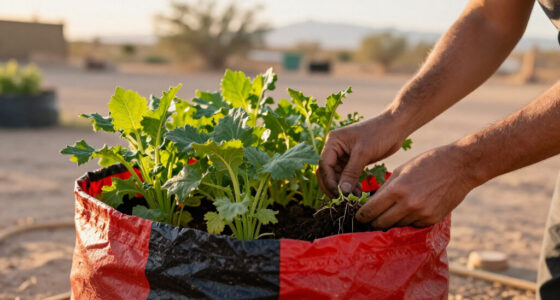
Metal raised beds, often made from galvanized steel, are prized for their durability and sleek look. But their high thermal conductivity means they soak up heat like a sponge. During a scorching Phoenix summer, soil inside these beds can hit over 120°F on the hottest days.
Picture a steel bed sitting in full sun. It warms up quickly in the morning, radiates heat back into the soil, and keeps that heat trapped. This rapid heating can cause the soil to reach temperatures that stress or even damage plant roots, impairing growth and nutrient uptake. On the other hand, wood or plastic beds do not conduct heat as efficiently, so they tend to stay cooler longer, providing a more stable environment for roots. This difference matters because prolonged exposure to high soil temperatures can lead to root desiccation, slowed growth, and increased plant vulnerability to disease. The tradeoff is that metal beds may last longer and require less maintenance, but managing their heat gain is essential for successful gardening in hot climates.
shade cloth for raised garden beds
As an affiliate, we earn on qualifying purchases.
As an affiliate, we earn on qualifying purchases.
Real Soil Temperature Data in Phoenix Shows the Heat Risk
Recent soil temperature measurements in Phoenix reveal that metal beds can easily surpass 120°F during peak summer days. For example, a gardener in North Phoenix recorded soil temps of 125°F at noon on a 110°F day. Such extreme temperatures are not just uncomfortable—they are biologically significant, as they push the limits of what many plants can tolerate.
This high heat stress impacts plant health by disrupting root function, impairing nutrient absorption, and accelerating water loss. For cool-season crops like lettuce or broccoli, soil temperatures above 85°F can cause wilting, bolting, or root damage—sometimes within hours. When soil reaches triple digits, the roots experience thermal shock, which can stunt growth or kill seedlings. The implications are clear: without intervention, your garden may suffer from reduced yields or complete crop failure. Understanding this data underscores the importance of implementing cooling strategies—such as shading or insulation—to mitigate these risks and extend the growing season in the desert heat.
reflective paint for metal garden beds
As an affiliate, we earn on qualifying purchases.
As an affiliate, we earn on qualifying purchases.
How to Keep Metal Beds Cooler and Your Plants Happy
- Use reflective paint or coatings on the bed’s exterior to bounce sunlight away, reducing heat absorption. This simple step can decrease surface temperatures significantly, helping keep soil cooler beneath.
- Place shade cloths over the beds during the hottest hours—typically from late morning to mid-afternoon. This reduces direct solar radiation, preventing surface and soil temperatures from skyrocketing.
- Add a layer of mulch or straw on top of the soil to insulate roots. Mulch acts as a barrier, slowing heat transfer, and also helps retain soil moisture, which further cools the root zone.
- Water early in the morning to create a cooling effect through evaporation, which can lower soil and air temperatures around your plants. Consistent watering also helps plants withstand brief periods of intense heat.
- Choose heat-tolerant plants like peppers, eggplants, or okra, which have adapted to thrive in high-temperature environments. Selecting the right plants minimizes stress and maximizes productivity under extreme conditions.
For example, a gardener in Scottsdale drapes a shade cloth over her metal beds from 11 am to 3 pm. The soil temperature drops by nearly 20°F, and her eggplants produce all summer long. These simple steps, when combined, create a cooler microclimate that supports healthy plant growth despite the intense desert sun.
As an affiliate, we earn on qualifying purchases.
Are There Better Materials for Hot Climates?
Yes. Wood, composite, or plastic beds tend to heat up less than metal because they don’t conduct heat as well. In Phoenix, some growers prefer these materials to avoid the rapid temperature spikes that metal can cause. However, each material has tradeoffs—wood may rot faster under constant moisture, and plastic can degrade or become brittle in intense sun, potentially shortening their lifespan. Choosing the right material involves considering not only initial cost but also long-term durability and how well the material insulates against heat transfer. Proper shading and insulation can sometimes compensate for less thermally conductive materials, but understanding these tradeoffs helps you make informed decisions that suit your specific climate and gardening goals.
Here’s a quick comparison:
| Material | Heat Conductivity | Durability | Cost |
|---|---|---|---|
| Metal | High | Long-lasting | Moderate to high |
| Wood | Low | Less durable, rot-prone | Lower |
| Plastic/Composite | Moderate | Moderate | Moderate |
Ultimately, the best choice depends on your climate, budget, and willingness to implement additional shading or insulation measures to mitigate heat transfer. Each material offers different advantages, but understanding their thermal properties helps you optimize your garden’s microclimate for hot conditions.
As an affiliate, we earn on qualifying purchases.
What Plants Survive and Thrive in Overheated Soil?
In Phoenix’s extreme heat, some crops handle soil temps over 120°F better than others. Heat-tolerant plants include peppers, eggplants, okra, and certain varieties of beans. These crops have evolved mechanisms—such as deeper root systems, efficient water use, and heat-shielding leaf structures—that allow them to produce reliably even under oven-like conditions. Recognizing their resilience helps gardeners focus on maximizing yields and reducing stress through strategic planting and shading.
Meanwhile, cool-season veggies like lettuce, spinach, and broccoli will struggle above 85°F soil temperature. These crops often require cooler soil and air conditions; otherwise, they wilt, bolt, or fail to develop properly. If you want to grow these in the heat, you’ll need to employ extra shade, cooling techniques, or timing strategies to protect them during the hottest periods.
For example, a gardener growing peppers in a shaded metal bed reports robust harvests through July, while her lettuce in a nearby shaded wooden bed wilts by mid-June. This contrast illustrates how choosing the right plants and providing appropriate microclimate modifications are crucial for success in extreme heat.
Frequently Asked Questions
Do metal raised beds cause plants to overheat in hot climates like Phoenix?
Yes, metal beds heat up quickly and can raise soil temperatures above 120°F during peak summer days, which stresses many plants. Proper shading and insulation are essential to prevent damage.How hot can soil in metal raised beds get in Phoenix?
Soil in metal beds can reach over 120°F during the hottest parts of summer, especially on clear, sunny days with temperatures above 110°F. This can be harmful to many cool-season crops.What can I do to prevent overheating in my metal raised beds?
Use shade cloths during the hottest hours, paint beds with reflective coatings, add mulch or straw on top, water early in the day, and select heat-tolerant plants to keep soil cooler and plants healthier.Are there better materials for raised beds in hot climates?
Wood, plastic, or composite beds tend to stay cooler than metal because they conduct less heat. However, each material has pros and cons, so choose based on your specific needs and budget.What crops are most affected by high soil temperatures?
Cool-season vegetables like lettuce, spinach, and broccoli suffer in soil above 85°F. Hot-weather crops like peppers, eggplants, and okra thrive in temperatures over 100°F, especially if soil is managed well.Conclusion
Yes, metal raised beds can overheat in Phoenix’s scorching summers. But with a few simple tricks—shade, insulation, smart plant choices—you can turn that oven into a thriving veggie patch. Your garden’s success depends on understanding the heat and managing it wisely.
Think of your garden as a desert oasis—adaptation is key. Keep soil cool, choose your plants carefully, and enjoy a bountiful harvest even when the mercury soars.
NFL season / tailgating Picks
team gear
As an affiliate, we earn on qualifying purchases.