
TL;DR

Get garden gear delivered free — and shop member deals
- Fast, free delivery on millions of items
- Access to Prime Big Deal Days deals on October 6–7
- Prime Video, Amazon Music and more included
Summer is the worst time to repot desert plants. High heat and sunlight stress the roots, increasing the risk of sunburn, dehydration, and shock. The best seasons are early spring and fall when temperatures are moderate and plants are actively growing.
Ever tried to move a cactus or succulent during a heatwave? It’s like asking a marathon runner to sprint—you’re just setting them up for trouble. The truth is, summer is the worst time to repot desert container plants. The scorching sun, intense heat, and dry air turn what should be a simple transplant into a recipe for stress, sunburn, and slow recovery.
In this guide, you’ll learn exactly why summer is off-limits for repotting, how to recognize when your plants need a move, and the best seasons to get it right. Protect your plants from unnecessary shock and give them a healthy start—right when they’re most ready for it.
Avoid repotting desert plants during peak summer heat to prevent stress and sunburn.
The ideal time for repotting is early spring or fall, when temperatures are moderate and plants are actively growing.
Signs your plant needs a new pot include roots spilling out and soil that dries too quickly.
Use a well-draining cactus or succulent mix to reduce root rot risk during repotting.
Handle roots gently and choose mild weather days to minimize stress and promote quick recovery.
Why Summer Is the Worst Time to Repot Desert Plants
Repotting desert plants in summer is like changing clothes in a sauna. The high temperatures and blazing sunlight make plants more vulnerable. When you disturb their roots during this time, they struggle to recover because they’re already fighting dehydration and heat stress.
Imagine trying to transplant a cactus in August. The roots are exposed, and the intense sun can cause sunburn, while the dry air pulls moisture from the plant faster than it can replenish. This combination often leads to root rot or sunscald. Plus, the plant’s growth slows down in extreme heat, making recovery a slow, painful process.
Gardener AZ notes that summer repotting can increase stress levels in desert plants by up to 50%. That’s a big risk when your goal is healthy, thriving container gardens.
succulent and cactus repotting mix
As an affiliate, we earn on qualifying purchases.
As an affiliate, we earn on qualifying purchases.
The Best Seasons for Repotting Your Desert Plants
Early spring and fall win the race for the best times to repot desert plants. During these seasons, temperatures stay moderate—usually between 60-75°F (15-24°C)—and there’s less risk of dehydration or sun damage.
Picture yourself planting a cactus in March, when the soil is warming but the heat hasn’t hit full blast. The plant can settle into its new pot with less stress, and roots can grow into fresh, well-draining soil without fighting extreme conditions.
Gardener AZ recommends waiting until you see new growth or after a period of cooler weather. That’s when the plant is most receptive to repotting, and recovery is faster.
well-draining cactus soil for repotting
As an affiliate, we earn on qualifying purchases.
As an affiliate, we earn on qualifying purchases.
How to Know Your Desert Plant Needs a New Pot
- Roots poking out of drainage holes. If you see roots constricted or spilling out, it’s time for a bigger home.
- Soil dries out within a day or two after watering. This means the soil is breaking down or compacting.
- The plant looks top-heavy or is leaning. It’s outgrowing its container and needs a fresh start.
- Soil smells sour or looks degraded. Old soil loses its ability to drain and hold nutrients.
For example, your aloe might start to tip over or you notice roots snaking out of the bottom. That’s a clear sign it’s time to upgrade.
Gardener AZ suggests checking soil moisture and root growth every few months to stay ahead of the problem.
gardening gloves for handling succulents
As an affiliate, we earn on qualifying purchases.
As an affiliate, we earn on qualifying purchases.
The Right Way to Repot Desert Plants Without Stress
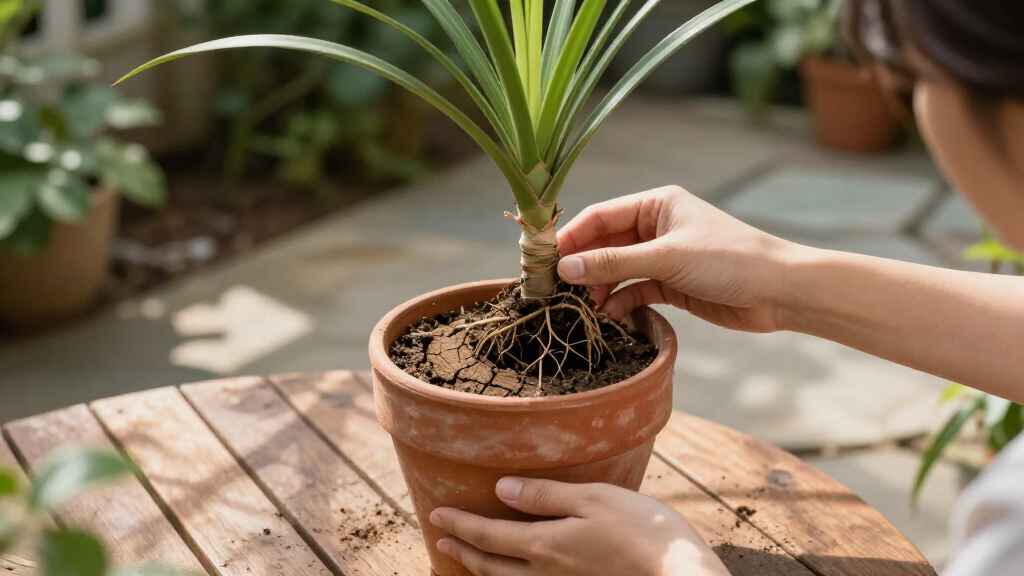
When you do repot, handle roots gently. Use a well-draining cactus or succulent mix loaded with pumice or perlite. Don’t rush—set your plant in its new home during a cool, overcast day if possible.
Here’s a quick step-by-step:
- Choose a pot with drainage holes slightly larger than the current one.
- Loosen the soil around the roots carefully, avoiding breakage.
- Place the plant in the new pot at the same depth as before.
- Fill with fresh soil, pressing lightly to remove air pockets.
- Water lightly, then hold off on fertilizing for a few weeks.
Imagine transplanting a prickly pear. Handle with thick gloves, keep the roots moist, and choose a cloudy day for the move. Your plant will thank you with faster recovery and healthier growth.
As an affiliate, we earn on qualifying purchases.
Recent Developments in Desert Plant Care and Soil Tech
Modern soil mixes for desert plants now include pumice, perlite, and coarse sand, drastically improving drainage and reducing rot risks. Experts emphasize repotting during active growth phases—spring or fall—more than just calendar dates.
Climate change makes this even more critical. Hotter summers and unpredictable weather mean waiting for the right season can prevent unnecessary stress. Less frequent repotting, only when truly needed, helps plants stay healthier longer.
Gardener AZ points out that fewer repottings mean less root disturbance, leading to stronger, more resilient plants, especially in water-scarce environments.
Common Questions About Replanting Desert Container Plants
Q1: Why shouldn’t I repot my desert plants in summer? Because the heat and sun cause dehydration, sunburn, and root stress, making recovery slow and difficult.
Q2: When is the best time to repot desert plants? During early spring or fall, when temperatures are mild and plants are actively growing.
Q3: How can I tell if my plant needs a new pot? Look for roots spilling out, soil drying quickly, or the plant becoming top-heavy.
Q4: Can I repot in winter? It’s best to avoid winter, especially in cold climates, as plants are often dormant and more fragile.
Q5: What soil mix works best? Use a well-draining cactus or succulent mix with sand, pumice, or perlite to prevent water retention.
Q6: How do I reduce stress during repotting? Handle roots gently, choose a mild weather day, and water lightly afterward, avoiding fertilizers for a few weeks.
Conclusion
Getting your desert plants into a new pot at the right time saves you stress and keeps them thriving. Summer’s scorching heat isn’t the time for transplants—wait until spring or fall when Mother Nature’s cooling down. Your plants will thank you with healthy roots, vibrant growth, and fewer problems down the line.
Next time you think about repotting, picture a mild, overcast day in March or October. That’s when your desert friends are most ready for a fresh start—and so are you.
Fall yard work Picks
leaf blowers
As an affiliate, we earn on qualifying purchases.