
TL;DR

Get garden gear delivered free — and shop member deals
- Fast, free delivery on millions of items
- Access to Prime Big Deal Days deals on October 6–7
- Prime Video, Amazon Music and more included
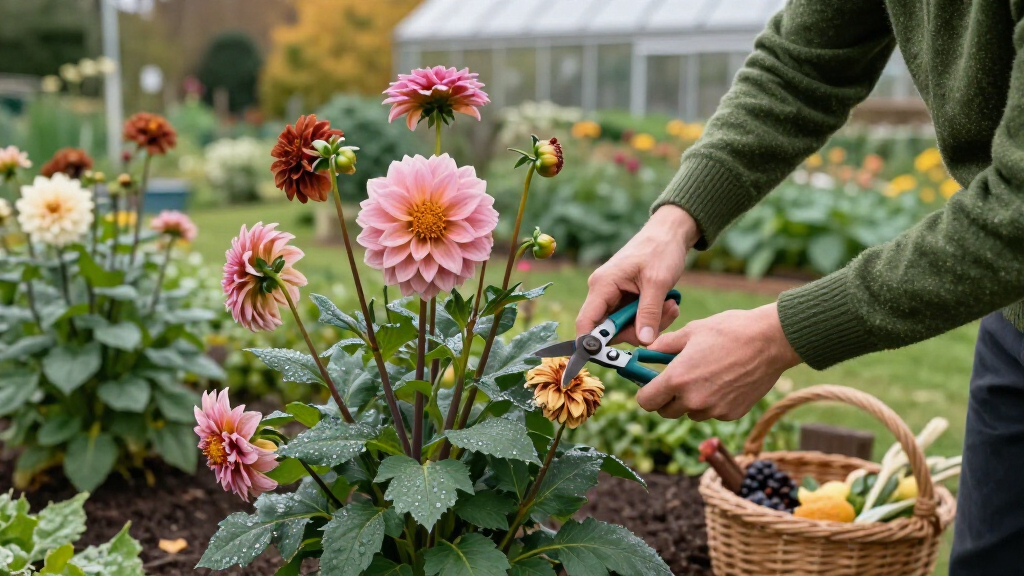
An Ideal Home gardening report recommends deadheading cosmos, zinnias, dahlias, repeat-flowering roses and calendula in October while they are actively blooming. Removing faded flowers may encourage another flush, but flowering depends on mild conditions and ends when frost stops tender plants.
An Ideal Home gardening report advises gardeners to deadhead five plants in October—cosmos, zinnias, dahlias, repeat-flowering roses and calendula—to encourage further blooms while the plants are still flowering. The suggested results are conditional: mild weather can extend displays, but frost ends flowering for tender annuals.
Deadheading means removing spent or fading flowers rather than leaving them on the plant. The report says this can redirect a plant’s energy from seed production toward new blooms, particularly for varieties that flower repeatedly. Gardeners are advised to remove flowers as their petals fade, rather than waiting until the plant has finished flowering for the season.
Cosmos and zinnias are described as cut-and-come-again flowers. Jane Westoby, creative director at The Hampshire Seed Company, says cosmos can continue flowering up to the first frosts if conditions stay mild, and that picking or removing fading flowers encourages more blooms. She adds that leaving spent zinnia flowers allows the plant to put energy into making seed.
The remaining suggestions are dahlias, repeat-flowering roses and calendula. Ross Dyke, consultant horticulturist at Hornby George and host of the Plant Pod, says removing spent dahlia flowers can be worthwhile while the plants are actively blooming. Westoby recommends continued deadheading for repeat-flowering roses to support another flush. Calendula may also keep flowering in cooler weather, while removing its spent blooms can limit self-seeding.
Extending Flowers Before Frost
For gardeners hoping to maintain colour late in the season, deadheading offers a practical task to try while plants are still producing flowers. The advice is relevant to October displays because several plants in the list can flower repeatedly, but it does not promise a set number of extra blooms or a fixed extension of the season.
The expected benefit depends on weather and plant condition. Mild temperatures may allow more flowers to form; once frost stops tender annuals, removing old blooms will not revive them. The guidance also highlights a trade-off for calendula: allowing flowers to set seed supports self-seeding, while deadheading can reduce its spread.
As an affiliate, we earn on qualifying purchases.
How October Deadheading Works
The report presents deadheading as one of several routine autumn garden jobs, not as a guarantee of continued flowering. Its central distinction is between plants that are still actively blooming and plants whose flowering has already ended. Removing fading flowers is most relevant in the first case, when another flush remains possible.
Gardeners can remove smaller flower stems by hand or use clean, sharp snips or bypass secateurs, according to the report. It recommends cleaning tools between plants. The article’s named horticultural contributors provide guidance on the plants and expected effects; the advice remains conditional on local weather and growing conditions.
“They’re cut-and-come-again flowers: the more you pick for the vase or remove fading blooms, the more they’ll keep flowering, provided the weather stays mild.”
— Jane Westoby, creative director at The Hampshire Seed Company
As an affiliate, we earn on qualifying purchases.
Weather Sets the Flowering Limit
The report does not specify how many additional blooms gardeners should expect, or how long flowering may continue after deadheading. Outcomes vary with local temperatures, frost timing and plant health. Its advice is framed around plants that are still blooming, so it should not be read as a way to restore plants that have stopped flowering.
It also does not give a region-specific frost forecast or detailed instructions for every variety. Gardeners should judge each plant individually and stop expecting further blooms once cold weather has ended its flowering. For calendula, the choice to deadhead also affects whether flowers are left to form seed and potentially spread.
As an affiliate, we earn on qualifying purchases.
Check Plants as Temperatures Fall
Gardeners can inspect the five plants through October and remove flowers once petals begin to fade, using clean, sharp tools where needed. The practical next step is to watch local conditions: a mild spell may allow another flush, while approaching frost signals that flowering may soon end.
The report offers no further scheduled update or forecast. Whether these plants continue blooming will depend on the weather and their condition in each garden; once frost finishes tender annuals, deadheading will not bring them back into flower.
repeat-flowering rose deadhead kit
As an affiliate, we earn on qualifying purchases.
As an affiliate, we earn on qualifying purchases.
Key Questions
Which plants does the report recommend deadheading in October?
It names cosmos, zinnias, dahlias, repeat-flowering roses and calendula, provided the plants are still flowering.
Does deadheading guarantee more flowers?
No. The report says removing spent blooms may encourage further flowering, but results depend on mild weather and active growth. It does not promise a specific number of blooms.
When should I remove a flower?
Remove it when it is spent or fading. For calendula, the report says to act when petals begin to fade and curl.
Can deadheading bring annuals back after frost?
No. Westoby says that once frost finishes tender annuals, deadheading will not bring them back into flower.
Will deadheading calendula affect self-seeding?
It can. The report notes calendula is a self-seeding flower, and removing spent blooms may prevent it from spreading as readily.
Source: rss
Halloween Picks
halloween
As an affiliate, we earn on qualifying purchases.