TL;DR
Get ready for Prime Big Deal Days — try Prime free
Exclusive member deals on October 6–7, plus fast free delivery. Cancel anytime.
Start your free trialAs an affiliate, we earn on qualifying purchases.
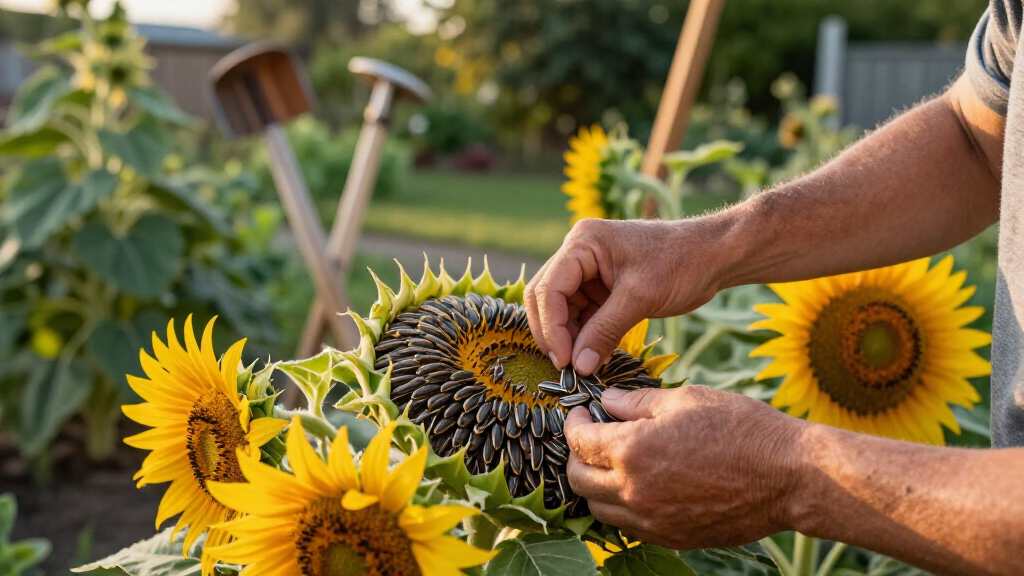
Search interest is rising around the legality of collecting seeds from public plants. Experts emphasize that laws vary by location and plant type, making it essential for gardeners to understand legal boundaries before harvesting seed pods from public spaces.
Gardening enthusiasts and foragers are increasingly curious about the legalities of collecting seeds from plants growing in public spaces. While many assume that seeds from public plants are free to take, legal experts warn that laws and regulations vary by jurisdiction and plant type, making it essential for gardeners to understand the rules before pocketing seed pods.
Currently, there are no nationwide laws explicitly prohibiting seed collection from public plants, but local regulations, property rights, and plant species considerations can impose restrictions. For example, some municipalities have ordinances against removing plant material from parks or roadside areas, citing conservation or safety concerns. Additionally, certain protected or invasive species may be off-limits for harvest, as confirmed by legal sources familiar with environmental and property law.
Legal experts emphasize that the distinction between public and private land is critical. Seeds collected from plants on government-owned parks or roadside verges may be subject to different rules than those on private property, where permission is generally required. Furthermore, some states or regions may have specific statutes regarding the collection of plant material, especially if the activity could impact local ecosystems or conservation efforts.
There is also a growing debate about whether seeds from public plants can be used for commercial purposes or only for personal gardening. While some authorities permit seed collection for personal use, commercial propagation often requires permits or adherence to specific regulations, as noted by environmental law specialists.
Legal and Environmental Implications of Seed Collection
This issue matters because illegal seed collection can lead to fines, legal action, or environmental harm. Understanding the boundaries helps gardeners avoid inadvertent violations that could impact local ecosystems or lead to disputes with authorities. As interest in sustainable gardening and seed saving grows, clarity on these legal boundaries becomes increasingly important for responsible practices.
seed collection tools for gardening
As an affiliate, we earn on qualifying purchases.
As an affiliate, we earn on qualifying purchases.
Historical and Regional Variations in Seed Harvest Laws
Historically, the legality of collecting seeds from public plants has been governed by local property and environmental laws, which vary widely across regions. In some areas, seed collection is considered a form of foraging, regulated under foraging laws or conservation statutes. Recent trends indicate rising interest in seed saving for sustainable gardening, which has prompted more public discussion about the legal boundaries. However, no uniform national regulation exists, and local rules often take precedence.
Previous incidents of illegal seed collection from protected or endangered species have resulted in legal penalties, highlighting the importance of understanding specific plant and site restrictions. As the trend of backyard and community gardening expands, authorities are increasingly aware of the need to clarify what is permissible in public spaces.
As an affiliate, we earn on qualifying purchases.
Legal Variability and Unclear Regulations
It is not yet clear whether specific regulations will be introduced or clarified at the federal or state level regarding seed collection from public plants. The patchwork of local laws and the lack of a unified national stance create uncertainty for gardeners. Additionally, enforcement practices and penalties are inconsistent, and there is limited legal guidance on what constitutes permissible seed harvesting in different jurisdictions.
As an affiliate, we earn on qualifying purchases.
Potential for Regulatory Clarification and Public Guidance
Legal authorities and environmental agencies may issue clearer guidelines or regulations in response to rising public interest in seed saving. Gardeners are advised to stay informed through local government notices and conservation groups. Future developments could include official permits for seed collection or educational campaigns to promote responsible harvesting practices.
invasive species seed removal tools
As an affiliate, we earn on qualifying purchases.
As an affiliate, we earn on qualifying purchases.
Key Questions
Can I legally collect seeds from plants in city parks?
It depends on local regulations. Many city parks prohibit removing plant material, including seeds, without permission. Check with local authorities before harvesting.
Are there specific plants I should avoid collecting seeds from?
Yes. Avoid collecting seeds from protected, endangered, or invasive species, as doing so may be illegal or harmful to the environment.
Can I sell seeds collected from public plants?
Generally, commercial sale of seeds from public plants is restricted and may require permits, depending on local laws and the plant species involved.
Does collecting seeds from public plants require permission?
In most cases, yes. Especially on private property or protected areas, permission is necessary to avoid legal issues.
Will laws about seed collection change soon?
There is no confirmed information about upcoming legal changes, but authorities may issue clearer regulations as public interest grows.
Source: rss
Flea & tick season Picks
flea and tick prevention
As an affiliate, we earn on qualifying purchases.