
TL;DR

Get garden gear delivered free with Prime
- Fast, free delivery on millions of items
- Prime Video, Amazon Music and more included
- Member-only deals all year
In July and August, focus on drought-tolerant plants, water wisely, and avoid overwatering or planting sensitive species. Staying smart about summer gardening prevents stress and keeps your yard resilient.
Summer in the desert is no joke. The blazing sun, relentless heat, and dry winds test every plant’s endurance. But with a little know-how, your garden can survive—and even thrive—through July and August.
This isn’t about fighting nature; it’s about working with it. You’ll learn which plants stand up to the heat, when to water, and what to skip altogether. Let’s turn your summer garden into a resilient oasis—no sweat.
Deep, infrequent watering encourages drought-resistant roots, reducing water use by up to 50%.
Choose native, drought-tolerant plants like lantanas and sedums that thrive in summer heat.
Mulch is your secret weapon to keep soil moist and roots cool, cutting water needs significantly.
Avoid planting or transplanting during the hottest hours to prevent shock.
Skip over-fertilizing and sensitive plants—focus on tough, heat-hardy varieties for summer success.
Gardening in July and August:What Survives and What to Skip
Summer gardening is not about fighting the heat. It is about matching plants and care routines to it: choose resilient species, water deeply, insulate the soil, and pause the practices that amplify stress.
The summer survival brief
Three moves that keep roots alive
Heat, dry wind, and rapid evaporation punish shallow routines. Build resilience below the surface: soak the root zone, shield the soil, and use plants already equipped for drought.
Soak slowly and less often
Long, deliberate watering sends moisture deeper and encourages roots to follow. Frequent surface splashes create shallow roots that dry out faster.
Target the soil · Keep foliage dryCover exposed soil
Straw, gravel, or decomposed bark slows evaporation, suppresses weeds, and stabilizes the temperature around vulnerable roots.
Conserve moisture · Cool the root zoneChoose heat-built plants
Native and drought-tolerant varieties need less supplemental water, fertilizer, and pest intervention once they are established.
Match the site · Reduce maintenanceA heat-ready planting palette
These plants rely on deep roots, water-storing tissues, waxy foliage, or natural heat tolerance. Together, they form a dependable backbone for a resilient summer landscape.
Lantana
Handles intense heat, blooms generously, and attracts pollinators with relatively modest water needs.
Sedum
Stores water in fleshy leaves, allowing established plants to endure prolonged dry spells.
Texas sage
A rugged, low-water shrub suited to hot landscapes and lean, well-drained soil.
Blanket flower
Produces summer color with strong heat tolerance and low water demand once established.
Coneflower
A sturdy perennial with deep-rooting potential, seasonal color, and ecological value.
Okra, peppers, eggplant
Warm-season vegetables that cope with summer heat better than tender, cool-weather crops.
Heat-fit bars are a practical relative guide; performance still depends on variety, establishment, soil, and local climate.
The peak-heat decision table
The right task at the wrong time can still damage a garden. Use this quick comparison to prioritize resilience while temperatures are at their highest.
| Practice | Summer verdict | Why it matters | Smarter alternative |
|---|---|---|---|
| Deep morning watering | ✓ Keep | Encourages deeper roots and limits evaporation. | Water slowly at soil level; check moisture first. |
| Mulching exposed soil | ✓ Keep | Retains moisture, reduces weeds, and buffers root temperature. | Use straw, gravel, or decomposed bark. |
| Regular deadheading | ✓ Keep | Supports continued bloom and prevents premature seeding. | Work during the cool part of the day. |
| Succession planting | ~ Selective | Can extend harvests, but only heat-ready crops establish reliably. | Choose quick-maturing varieties and provide temporary shade. |
| Midday transplanting | ✗ Skip | Heat compounds root disturbance, moisture loss, and transplant shock. | Delay when possible or plant in cooler hours. |
| High-nitrogen feeding | ✗ Skip | Promotes soft growth vulnerable to heat, drought, and pests. | Reserve heavy feeding for a cooler growth period. |
Overwatering
Saturated soil deprives roots of oxygen and raises the risk of root rot and fungal disease.
Tender species
Thin leaves and soft stems scorch or wilt quickly under intense sun and dry wind.
Heavy pruning
Removing too much foliage can expose stems and soil to sudden heat stress.
Routine spraying
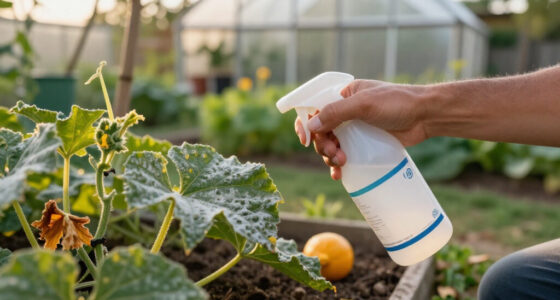
Monitor first; use targeted integrated pest management for aphids, beetles, and squash bugs.
From one smart choice to a resilient garden
Summer resilience is cumulative. Each choice strengthens the next, reducing plant stress and the need for constant intervention.
The summer rule: resilience beats delicacy.
Prioritize hardy plants, protect the root zone, and postpone stressful work. The result is a lower-maintenance garden that can still deliver color, harvests, and habitat through the hottest months.
Your summer garden questions
Use observation—not a rigid calendar—as your guide. Soil, plant maturity, exposure, and local conditions should always shape the final decision.
What grows best in July and August?
Heat-tolerant vegetables such as peppers, eggplant, and okra, plus resilient flowers including lantana, coneflower, sedum, blanket flower, and Texas sage.
How do I hydrate without overwatering?
Check moisture below the surface, water deeply at soil level, use drip irrigation or soaker hoses, and mulch to slow evaporation.
Which pests need attention?
Watch for aphids, beetles, and squash bugs. Start with manual removal, beneficial insects, and targeted organic controls rather than broad routine spraying.
How do I prepare for fall?
Plan cool-season crops, add compost, clear badly damaged material, and gradually adjust watering as temperatures and plant demand decline.
How to Keep Your Plants Alive During the Hottest Months
The secret to surviving desert summers? Deep, infrequent watering. Think of watering like giving your plants a long drink, not a quick splash. This approach encourages roots to grow downward in search of moisture, which makes plants more resilient to drought. Watering early in the morning allows water to soak in before the heat of the day causes evaporation, ensuring roots get the moisture they need. Watering late in the evening can also be effective, but it risks encouraging fungal growth if leaves stay damp overnight. Mulch acts as a natural insulator, maintaining soil moisture and temperature, which reduces the frequency of watering needed. A thick layer of straw, gravel, or decomposed bark not only conserves water but also prevents soil from drying out quickly, helping plants withstand the intense heat. When selecting plants, native, drought-tolerant species like lantanas, sedums, and coneflowers are adapted to the desert environment. Their evolutionary traits—such as deep root systems and water-storing tissues—allow them to thrive where other plants might fail, reducing maintenance and water needs while still providing vibrant blooms and ecological benefits.
Understanding why these practices matter is crucial. Deep watering promotes the development of roots that reach further into the soil, making plants less dependent on frequent watering and more resilient to drought. Mulching minimizes evaporation, conserving water and stabilizing soil temperature, which helps prevent stress-induced diseases. Choosing native plants ensures compatibility with the local climate and reduces the need for supplemental watering, fertilizers, or pest control, which can be more challenging during extreme heat. These practices collectively create a sustainable, low-maintenance garden that can withstand the harsh summer conditions while providing ecological benefits like supporting local pollinators.
As an affiliate, we earn on qualifying purchases.
Plants That Are Tough Enough to Handle July and August
Some plants are naturally equipped to handle the desert’s brutal summer conditions. They have evolved mechanisms—like thick, waxy leaves, deep root systems, or the ability to go dormant—that allow them to withstand extreme heat and drought stress. For example, lantanas not only tolerate high temperatures but also attract pollinators, making them both functional and beautiful. Sedums store water in their succulent leaves, enabling them to endure prolonged dry spells without additional watering. Blanket flowers and Texas sage have high heat tolerance and require minimal water once established, making them ideal for xeriscaping. Understanding the specific adaptations of these plants helps gardeners make informed choices—selecting species that match their site conditions and maintenance preferences. Growing these resilient varieties reduces the need for supplemental watering, fertilization, and pest control, which can be more difficult or less effective during the summer. Their robustness not only ensures a thriving garden but also minimizes the risk of plant loss during the hottest months, creating a reliable foundation for your summer landscape.
Choosing these hardy plants has broader implications for garden management. Their natural adaptations mean they are less vulnerable to the stresses of extreme heat, which can cause more sensitive plants to wilt, scorch, or die back. This resilience translates into less time and resources spent on watering, fertilizing, or pest control, making your garden more sustainable and less labor-intensive. However, it’s important to recognize the tradeoff: while these plants are tough, they may not offer the same level of floral display or foliage variety as more delicate species. Balancing resilience with aesthetic preferences is key. By integrating these tough plants, you create a dependable backbone for your summer garden that can withstand the conditions while still providing color and ecological benefits.
As an affiliate, we earn on qualifying purchases.
What to Skip or Avoid in July and August
During the peak heat of summer, some practices and plant selections can inadvertently weaken your garden’s resilience. Overwatering, for instance, can lead to root rot and fungal diseases because the soil remains saturated, depriving roots of oxygen and encouraging harmful microbes. This is especially problematic when combined with high temperatures that already stress plants. Transplanting or planting new plants during the hottest part of the day exposes them to additional shock, as their roots and leaves are unable to cope with sudden temperature fluctuations, leading to wilting or dieback. High-nitrogen fertilizers promote lush, soft growth that is ill-suited for summer, making plants more susceptible to drought stress and pests—it’s better to reserve feeding for cooler seasons when plants can utilize nutrients more effectively. Sensitive plants—those with thin leaves or tender stems—are prone to scorch and wilting under intense sun and should be avoided or given extra protection. Instead, focus on hardy, drought-tolerant varieties that have adapted to withstand these conditions, reducing the risk of plant failure and the need for constant intervention.
Understanding the implications of these mistakes is vital. Overwatering not only risks disease but also weakens roots, making plants more vulnerable to drought once watering is reduced. Transplant shock during peak heat can set back plants significantly, delaying establishment and growth. Excessive fertilization during summer can cause rapid, weak growth that is easily damaged by heat and pests, reducing overall plant health. Avoiding sensitive plants prevents unnecessary loss and frustration, as these species are more likely to wilt, scorch, or die during extreme conditions. Instead, focusing on hardy, drought-tolerant varieties minimizes the risk of failure and maintenance stress. Recognizing these tradeoffs helps you make smarter decisions—opting for resilience over delicate aesthetics—leading to a healthier, more sustainable garden during the hottest months.
As an affiliate, we earn on qualifying purchases.
Your Summer Garden Questions—Answered
- What are the best plants to grow in July and August? Drought-tolerant veggies like peppers, eggplant, and okra, plus native flowers such as lantanas, coneflowers, and sedums, handle the heat best. These plants have evolved mechanisms to conserve water and withstand high temperatures, making them reliable choices for summer gardening. Opting for these species reduces the need for frequent watering and intensive care, saving you time and resources while ensuring your garden remains colorful and productive.
- How can I water without overdoing it? Use drip irrigation systems or soaker hoses to deliver water directly to roots, minimizing evaporation. Mulching generously helps retain soil moisture and moderates temperature fluctuations, which is crucial during extreme heat. Water early in the morning or late in the evening when evaporation rates are lower, and check soil moisture at a depth of a few inches—if it feels damp, hold off on watering. Overwatering can suffocate roots and promote disease, so understanding your soil’s moisture needs is key to maintaining healthy plants during hot months.
- What pests are common, and how do I fight them? Summer pests like aphids, beetles, and squash bugs become more active in the heat. Organic insecticides like neem oil or insecticidal soap can help control infestations without harming beneficial insects. Manual removal is effective for localized issues. Encouraging beneficial insects such as ladybugs and lacewings creates a natural pest control balance, reducing the need for chemical interventions that can stress plants further during high temperatures.
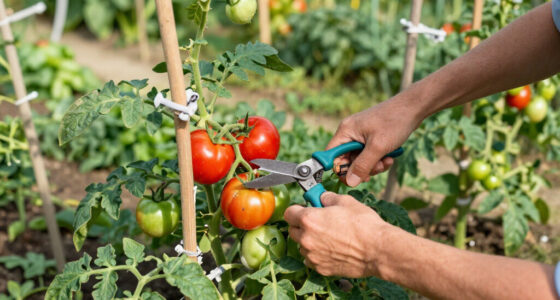
- When should I prune or deadhead? Deadheading regularly encourages continuous blooms and prevents plants from going to seed prematurely. Pruning during the hottest part of the day can stress plants further, so it’s best to prune early in the morning or late in the afternoon when temperatures are cooler. Proper timing ensures plants recover quickly and maintain vigor throughout the season.
- How do I prep for fall? Start composting now, adding organic amendments like composted manure or organic matter to improve soil health. Plan your fall planting by selecting cool-season crops such as lettuce, spinach, and broccoli. As temperatures decline, gradually reduce watering to prevent over-saturation and prepare plants for cooler weather, ensuring a smooth transition to the fall growing season.
As an affiliate, we earn on qualifying purchases.
Frequently Asked Questions
Can I plant new flowers in July or August?
It’s best to avoid planting during the peak heat of July and August. If you must, choose drought-tolerant native plants and plant early in the morning or late in the afternoon. Keep them well-watered and shaded initially to prevent shock.
How often should I water in the summer?
Deep watering once a week is usually enough for established plants, especially if mulch is in place. In extreme heat, you might need to water twice a week, but always check soil moisture first—overwatering can be just as harmful as under.
Are there any plants I should definitely avoid now?
Yes. Avoid tender or non-native plants like ferns, most annuals, and plants requiring frequent watering. These will struggle without constant care and are prone to scorch or wilt in the desert summer heat.
What’s the best way to prepare for fall planting?
Start composting now, add organic amendments, and plan for cool-season crops. Reduce watering gradually as temperatures decline, and consider planting early in the fall before the first cold snap.
Conclusion
Summer gardening in the desert isn’t about fighting the heat; it’s about working smarter. Focus on hardy plants, water wisely, and skip the risky practices. Your garden will thank you with vibrant blooms and resilient roots.
Remember, this season tests your patience and your plants’ endurance. Stay cool, water deep, and watch your desert garden flourish—even in the heat.
Fall Picks
fall essentials
As an affiliate, we earn on qualifying purchases.