
TL;DR
Listen free for 30 days with Audible
Thousands of audiobooks and originals — cancel anytime.
Start your free trialAs an affiliate, we earn on qualifying purchases.
Pruning frost-damaged plants in spring is best because it allows accurate assessment of damage, minimizes further cold injury, and supports natural healing. Timing matters for a healthy, resilient garden.
Wait until late winter or early spring to prune frost-damaged desert plants for the best assessment and recovery.
Use the scratch test to distinguish between dead and living tissue before pruning.
Pruning too early risks further cold damage, while waiting supports natural healing.
Adjust timing based on local weather patterns—more unpredictable weather means more patience.
Prune only damaged or dead parts, leaving healthy tissue intact to promote resilience.
When to Prune Frost-Damaged Plants
Waiting until spring matters. A tangle of brown, brittle branches may look hopeless after a cold snap, but tissue beneath the bark can still be alive. Patience allows accurate diagnosis, protects against another freeze, and gives plants space to recover naturally.
Early tidiness can cost long-term health
Frost damage unfolds slowly. Waiting preserves potentially viable tissue, avoids triggering tender new growth, and lets the plant’s natural recovery signals guide every cut.
See what is truly dead
Branches that appear lifeless in January may reveal swelling buds or green tissue by March. Waiting prevents healthy wood from being removed unnecessarily.
Avoid vulnerable regrowth
Pruning can stimulate fresh shoots. If another freeze arrives, that tender growth may suffer a second round of injury.
Make cuts when defenses rise
Bud swelling and leaf emergence indicate active recovery. Cuts made then generally heal more effectively and are less exposed to disease.
Late pruning supports better diagnosis, preserves the plant’s structure, and reduces stress from unnecessary cuts.
What changes when you wait?
The visual reward of immediate cleanup is brief. Spring pruning produces a clearer assessment and a safer recovery window.
| Decision factor | Immediately after frost | Late winter / early spring |
|---|---|---|
| Damage visibility | ~Uncertain | ✓Dead and living tissue are clearer |
| Risk from another freeze | !High if new growth starts | ✓Lower after frost danger passes |
| Healthy tissue retained | ~Easy to remove too much | ✓Selective cuts are easier |
| Wound recovery | !Plant may still be dormant or stressed | ✓Active growth supports healing |
| Garden appearance | ✓Immediate cleanup | ✓Healthier structure over time |
From cold snap to clean cut
Use the plant’s response—not a fixed calendar date—as your primary signal. Local forecasts remain the final check.
Monitor
Wait until the forecast shows the danger of additional frost has passed.
Inspect
Look for brown, black, brittle, collapsed, or unusually soft tissue.
Scratch
Lightly expose the layer beneath the bark to find green or dry tissue.
Prune
Use clean, sharp tools and cut back only to healthy wood or buds.
Observe
Preserve the plant’s framework and watch new growth for continued recovery.
The scratch test reveals what appearances hide
Test a small area of bark before removing a branch. Work gradually from the tip toward the base until you reach living tissue.
Scrape lightly. Read the layer beneath.
Use a fingernail or clean knife. Keep the test shallow and small so the bark is not unnecessarily wounded.
The branch is alive. Leave it intact and watch for buds or new leaves.
The tested section is probably dead. Cut back gradually to healthy tissue.
Trust recovery cues more than the calendar
These relative indicators summarize which signals provide the strongest basis for pruning decisions. They are a practical guide, not measured percentages.
Decision confidence by signal
Longer bars indicate a more reliable reason to begin selective pruning.
Different plants, different restraint
The same wait-and-assess principle applies broadly, but the amount and style of pruning should reflect each plant’s biology.
Prune minimally
Remove only severely damaged, collapsing, or rotting tissue. Cosmetic scarring alone rarely requires cutting.
Follow new buds
Wait for bud activity, then selectively remove clearly dead wood while retaining the natural framework.
Trim browned areas
Outer foliage may brown while interior growth survives. Avoid cutting into bare wood without live buds.
Respect local timing
Use plant-specific pruning guidance once frost risk passes and living wood can be confidently identified.
The recovery chain
Wait until late winter or early spring, confirm frost danger has passed, test before cutting, and preserve every piece of healthy tissue you can.
Why Pruning Too Soon Can Do More Harm Than Good
Pruning frost-damaged plants too early can cut away parts that might still recover, or worse, stimulate new growth that’s vulnerable to further cold. Late winter or early spring is the ideal window to assess the real damage. For example, a resilient desert shrub may look dead in January but bounce back in March if you wait.
At this stage, you can see which branches are truly dead—crispy and brown—and which are still alive, with green tissue buried beneath the bark. Removing only the dead parts helps the plant focus its energy on healthy growth.
Delaying pruning until the plant has had a chance to recover naturally allows you to make more informed decisions, reducing the risk of removing tissue that could rebound. This approach supports the plant’s innate resilience and avoids unnecessary stress that could leave it vulnerable to pests and diseases. It’s a tradeoff: early pruning might give a quick sense of tidiness but can compromise long-term health, while waiting preserves the plant’s natural healing ability and reduces the chance of introducing infections through open wounds.
As an affiliate, we earn on qualifying purchases.
How to Tell if Frost Damage Is Dead or Just Temporarily Harmed
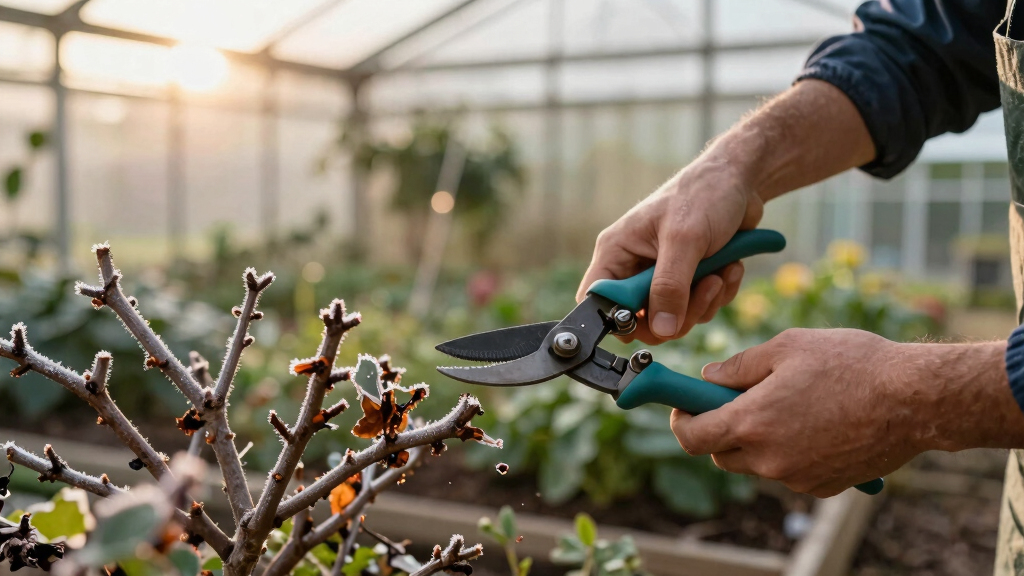
Knowing which parts of your plants are truly dead is key. You can do a quick scratch test—lightly scrape the bark with your fingernail or a knife. If the tissue underneath is green and moist, it’s alive. If it’s brown, black, or dry, that branch is likely dead.
For example, a frost-bitten rose stem may look black on the outside but still have green tissue inside. Waiting until spring lets you see if it rebounds or needs removal.
This assessment isn’t just about aesthetics; it determines the plant’s future. Removing only the dead tissue prevents unnecessary loss of healthy growth, which is vital for the plant’s energy reserves and ability to recover. Misjudging can lead to over-pruning, weakening the plant’s structural integrity or leaving behind dead material that could harbor pests or diseases. Conversely, leaving damaged tissue might hinder the plant’s ability to focus its resources on new, healthy growth, especially if the damaged parts are acting as entry points for pathogens. Therefore, patience in diagnosis helps balance the need for cleanup with the plant’s natural recovery processes.
As an affiliate, we earn on qualifying purchases.
The Risks of Cutting Too Early—Why It’s Better to Wait
Pruning too early can expose the plant to more cold damage and slow its natural healing. When you cut in late winter or early spring, you give the plant time to recover, and you avoid removing tissue that might still bounce back.
Imagine pruning a desert willow in December and then experiencing another cold snap. You might end up removing healthy growth and delaying recovery.
Moreover, early pruning can create large wounds that are more susceptible to infections, especially if the plant is still weakened from the cold stress. These wounds can become entry points for fungal or bacterial pathogens, which can compromise the plant’s health long-term. Waiting until the plant shows signs of bud swelling or leaf emergence ensures that your cuts are made when the plant’s defenses are stronger, and it’s actively repairing itself. This timing reduces the risk of disease and promotes quicker, more effective healing. In essence, patience in pruning aligns with the plant’s natural cycle, leading to a more resilient and vigorous recovery.
Furthermore, the tradeoff involves understanding that premature pruning might give a false sense of tidiness but at the expense of the plant’s long-term vitality. It can result in unnecessary loss of healthy tissue, which could have been salvaged with proper timing. Conversely, waiting allows you to preserve as much of the plant’s natural structure as possible, supporting its ability to recover fully and resist future stresses. This strategic delay can ultimately save time and effort, reducing the need for repeated interventions and fostering a more resilient garden ecosystem.
As an affiliate, we earn on qualifying purchases.
Step-by-Step: When and How to Prune Frost-Damaged Plants
- Monitor weather forecasts closely—wait until the danger of frost passes.
- Inspect your plants for damage—look for brown, brittle, or black tissue.
- Scratch the bark to test for live tissue—green is good, brown is dead.
- Use clean, sharp tools—prune only the damaged or dead parts.
- Cut back to healthy tissue or buds, leaving the rest intact.
- Label or mark damaged branches for future reference.
For example, with a desert cherry, wait until you see swelling buds before pruning out the dead wood, usually in late February or early March. This timing allows the plant to naturally signal its recovery status, ensuring you’re removing only what’s truly dead and giving the remaining healthy parts the best chance to flourish in the upcoming growing season. Adapting your pruning schedule based on actual plant responses rather than fixed dates makes your care more effective and reduces unnecessary stress on the plant.
This approach not only minimizes damage but also respects the plant’s natural recovery cues, leading to healthier, more vigorous growth in the long run. Recognizing and responding to these signals ensures that your pruning supports the plant’s innate healing processes and promotes a stronger, more resilient desert garden.
As an affiliate, we earn on qualifying purchases.
Special Tips for Different Desert Plants
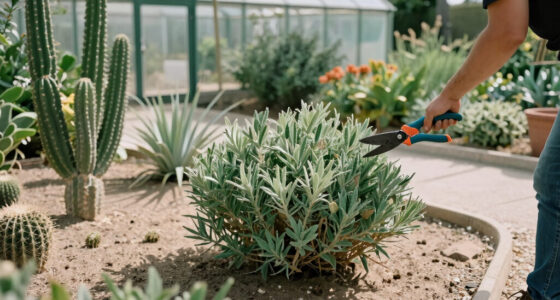
Each plant has its quirks. For example, cacti and succulents generally don’t need pruning unless severely damaged, and their scars heal quickly. Deciduous shrubs like desert lilacs benefit from selective pruning after frost, focusing on removing only the clearly dead wood.
Evergreens, such as junipers, often show damage as browning on outer needles; prune only the affected parts in late winter or early spring to avoid stressing the plant. Recognizing these differences is crucial because over-pruning or pruning at the wrong time can weaken the plant’s defenses or cause unnecessary stress. For instance, pruning a healthy evergreen during a cold snap might expose it to additional cold injury, while neglecting damaged sections could lead to pest infestations or disease entry points. Tailoring your approach based on each plant’s biology and seasonal cues helps maintain their resilience and ensures a healthy recovery from frost damage.
Recent Developments: Why Climate Change Changes the Game
Unpredictable weather means frost can hit late in the season or unexpectedly. Gardener AZ notes that late frosts are becoming more common, making strict timing less reliable. Keep a close eye on local forecasts and adjust your schedule accordingly.
Some horticulturists now suggest minimal pruning immediately after frost, allowing plants to recover naturally for a few weeks before intervention. This approach respects the plant’s innate resilience and reduces unnecessary stress. It also provides a better understanding of the actual extent of damage, as waiting can reveal whether the damage is superficial or structural. In a changing climate, flexibility and observation are key. Rigid schedules may no longer serve your plants well, so learning to read your specific garden’s cues is essential for optimal recovery and long-term health.
What Happens if You Prune at the Wrong Time? Real Risks
Pruning too early can lead to increased vulnerability. For example, cutting a frost-damaged oleander in December might stimulate tender new growth that freezes in the next cold snap.
In contrast, waiting until late winter or early spring helps the plant develop a stronger, more resilient structure—ready to withstand whatever cold is left.
Research from plant health experts confirms that late pruning reduces disease susceptibility and encourages faster healing. Additionally, early pruning often results in more vigorous, but tender, new shoots that lack the structural strength to withstand subsequent cold spells, increasing the risk of damage or dieback. Delaying pruning allows the plant to allocate resources toward strengthening its existing framework, making future growth more robust and less susceptible to cold injury. Understanding these tradeoffs helps gardeners make informed decisions that balance immediate tidiness with long-term vitality.
Furthermore, this delay minimizes the risk of accidentally removing tissue that might recover, which could otherwise lead to unnecessary stress and weaken the plant’s overall health. It’s about aligning your pruning schedule with the plant’s natural recovery cycle to optimize resilience and minimize setbacks, especially in unpredictable desert climates.
Quick Guide: When to Prune Frost-Damaged Plants in Desert Gardening
| Timing | What to Do | Why |
|---|---|---|
| Immediately after frost | Inspect, scratch, and prune only if necessary | Risk of more damage and removing healthy tissue |
| Late winter to early spring | Assess damage, prune dead parts, shape for healthy growth | Allows natural recovery, reduces stress, improves healing |
Frequently Asked Questions
Can I prune frost-damaged plants right after a cold snap?
It’s better to hold off until late winter or early spring. Pruning too soon risks removing parts that might still recover and exposes fresh cuts to more cold damage.How do I know if a branch is dead or just temporarily damaged?
Lightly scratch the bark—green tissue underneath indicates life. If it’s brown, black, or dry, that branch is probably dead and ready for removal after the threat of frost has passed.Will pruning stimulate new growth after frost damage?
Yes, but only if timed correctly—wait until your plant shows signs of recovery. Pruning too early can encourage tender new shoots that are vulnerable to subsequent frosts.What tools should I use for pruning frost-damaged plants?
Use clean, sharp pruning shears or loppers to make precise cuts. Disinfect your tools before use to prevent disease transmission, especially if the plant is wounded.Are there exceptions to waiting until spring to prune?
Some very hardy plants or specific situations may require different timing. It’s wise to consult local horticultural advice or observe how your plants respond each year.Conclusion
Your desert plants have a quiet resilience—treat them with patience. Waiting until spring to prune frost damage isn’t just about timing; it’s about giving your garden the best shot at a healthy, vibrant comeback. Think of it as giving your plants the gentle nudge, not a harsh cut, to bounce back stronger than before.College move-in / dorm season Picks
dorm essentials
As an affiliate, we earn on qualifying purchases.