TL;DR

Get garden gear delivered free with Prime
- Fast, free delivery on millions of items
- Prime Video, Amazon Music and more included
- Member-only deals all year
In the low desert, winter offers the best window for growing lettuce and greens. They thrive with minimal fuss, especially when using water-efficient methods and cold-tolerant varieties. This season is perfect for quick, healthy harvests from your garden.
Imagine fresh, crisp greens snipping right from your backyard during the coldest months. It’s not a dream. In the low desert, winter is the best season to grow leafy greens—simple, low-maintenance, and surprisingly productive. No blazing sun or scorching heat. Just cool, steady weather that makes gardening almost effortless.
If you want a steady supply of vibrant salads from November through March, now’s the time to learn how to plant, protect, and harvest winter greens. You’ll be surprised how quick and forgiving they are—perfect for both new and seasoned gardeners looking to keep things simple and water-wise.
Winter in the low desert is the easiest season to grow fresh greens—think quick, hardy, and flavorful.
Plant from late October through early December for the best results, using cold-tolerant varieties like kale and arugula.
Use water-smart methods like drip irrigation and mulching to keep plants healthy without wasting resources.
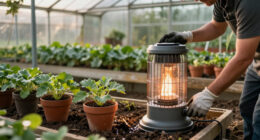
Protect your greens from unexpected cold snaps with row covers or frost blankets—it’s simple and effective.
Harvest in about 30-60 days, enjoying nutritious, sweet greens well into spring.
Winter Lettuce & Greens
The low desert’s easiest growing season. Cool, steady weather turns backyard beds and containers into productive salad gardens—with fewer pests, less water stress, and crisp harvests in as little as three weeks.
A climate that does the hard work
From November through March, the low desert trades punishing heat for a long, forgiving cool season. Greens face less stress, bolt more slowly, and often develop sweeter flavor after cold nights.
Less heat stress
No blazing afternoon sun, heavy shade cloth, or constant rescue watering.
Sweeter leaves
Cold encourages many greens to concentrate sugars, softening bitterness.
Fewer pests
Aphids, slugs, and leaf miners still appear, but overall pressure is reduced.
Slower bolting
Cool temperatures delay flowering and keep edible leaves tender longer.
The winter comfort zone
Leafy greens perform best in the broad middle range. Protect tender crops when forecasts approach freezing.
Pick a no-fuss salad lineup
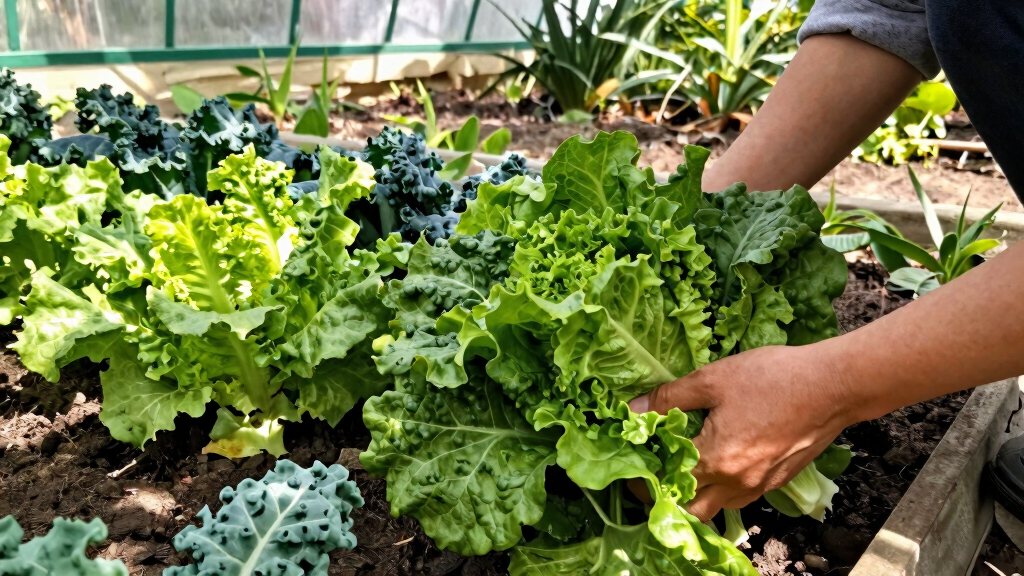
These reliable crops tolerate chilly nights, mature quickly, and offer different textures and flavors. Sow more than one for a steady, nutrient-rich mix of vitamins A, C, and K plus iron and calcium.
| Green | Why it works | Cold fit | Speed | Harvest |
|---|---|---|---|---|
| Romaine | Crisp, dependable, and slow to bolt through changing temperatures. | ✓Strong | ~Flexible | 30–60 days |
| Spinach | Thrives in cool weather and supports several cut-and-come-again harvests. | ✓Strong | ✓Fast | 30–45 days |
| Arugula | Germinates quickly, tolerates chilly nights, and adds a peppery bite. | ✓Strong | ✓Fastest | 20–30 days |
| Swiss Chard | Produces tender, colorful leaves in cool weather without rushing to flower. | ~Moderate | ~Steady | 40–50 days |
| Kale | Exceptionally hardy; exposure to light frost can improve sweetness. | ✓Excellent | ~Patient | 50–60 days |
Selection shortcut: Look for seed packets labeled “cold-hardy,” “frost-tolerant,” or “slow-bolting.” Buttercrunch lettuce is another reliable choice for mild low-desert winters.
Five moves to a continuous harvest
Success comes from a short, repeatable system: time the planting, build moisture-holding soil, water precisely, cover during freezes, and harvest without removing the whole plant.
Plant
Sow from late October through early December so seedlings establish in mild weather.
Enrich
Use well-draining soil amended with compost or other mature organic matter.
Water
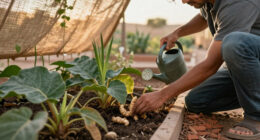
Deliver steady moisture near the roots with drip irrigation; adjust for rain and soil feel.
Protect
Cover plants before freezing nights, then uncover after sunrise for light and airflow.
Harvest
Snip outer leaves first and return often for tender, repeated harvests.
Cool weather → slower bolting → longer leaf production → repeated harvests → fresher winter meals.
Protect more, waste less
Winter greens need consistent moisture, not saturated soil. Combine precise irrigation with mulch and simple frost protection to buffer the two biggest risks: drying roots and sudden cold.
Drip irrigation
Targets the root zone, limits evaporation, and keeps foliage drier than overhead watering.
Organic mulch
Retains moisture, moderates soil temperature, and adds insulation around shallow roots.
Row cover
Creates a simple buffer during freezing nights without requiring a permanent structure.
Cold-snap protocol
- Check the evening forecast during clear, still winter nights.
- Water dry soil earlier in the day, avoiding soggy conditions.
- Drape frost cloth over hoops so fabric does not crush tender leaves.
- Secure the edges to trap warmth near the soil surface.
- Remove or vent covers in the morning when temperatures rise.
The low-desert rhythm
Winter greens FAQ
The details vary by yard and microclimate, but these practical starting points cover the most common low-desert questions.
When should seeds go in?
Late October to early December is the strongest general window. Sow small batches every two to three weeks for a rolling harvest.
What if temperatures dip below 32°F?
Use lightweight row covers, frost blankets, cold frames, or cloches overnight. Remove or vent them after the morning warms.
How often should I water?
About once a week is a useful baseline, but always adjust for rain, container size, wind, and actual soil moisture.
Can winter greens grow in containers?
Yes. Choose well-draining potting mix and containers with drainage holes. Portable pots are especially easy to cover or relocate.
Cool-season seed + compost-rich soil + precise water + frost cover = crisp greens from winter into spring.
Why Winter Greens Are the Low Desert’s Best Keep Secret
Winter greens excel in the low desert because the temperatures stay comfortably cool—usually between 50°F and 70°F. This climate means less stress on plants, fewer pests, and minimal disease. Think of it as the desert’s version of a cozy sweater for your garden.
For example, a gardener in Phoenix reports her lettuce, spinach, and kale flourish from November to March with just a fraction of the watering and fuss compared to summer. No need for shade cloths or heavy sprays—just good soil, steady water, and a little protection from cold snaps.
Growing greens now isn’t just about ease; it’s about getting the most flavor and nutrition. Cold weather enhances their sweetness—think of arugula’s peppery bite or Swiss chard’s tender leaves, bursting with vitamins.
Understanding why winter is so forgiving for greens reveals the importance of timing and climate adaptation. The cooler temperatures slow plant growth just enough to prevent bolting—the process where greens flower and become bitter—thus extending your harvest window. Moreover, the reduced pest activity means less need for pesticides, making your greens healthier and more organic. However, this also means you need to be attentive during unexpected cold snaps, which can cause frost damage if unprotected. The tradeoff is that while winter greens are easier to grow, they require some strategic planning to maximize their quality and yield.
Popular right now

Ninja Luxe Café Premier 3-in-1 Espresso Machine, Drip Coffee & Cold Brew

Apple AirPods Pro 3 Wireless Earbuds with Active Noise Cancellation

Breville Bambino Espresso Machine, Brushed Stainless Steel
As an affiliate, we earn on qualifying purchases.
The Top 5 Easy Greens to Grow in Winter (And Why They Work)
| Green | Why It’s Perfect for Winter | Harvest Time |
|---|---|---|
| Romaine Lettuce | Cold-tolerant, crisp, and slow to bolt, making it reliable through fluctuating temperatures | 30-60 days |
| Spinach | Thrives in cooler weather with rapid growth, allowing multiple harvests in a season | 30-45 days |
| Arugula | Grows quickly and tolerates chilly nights, providing spicy greens with minimal fuss | 20-30 days |
| Swiss Chard | While heat-tolerant, it prefers cooler seasons for tender, flavorful leaves and avoids bolting under cold stress | 40-50 days |
| Kale | Super hardy and cold-tolerant, it actually sweetens after exposure to frost, enhancing flavor | 50-60 days |
Pick these varieties for a no-fuss winter salad bowl. They grow quickly, tolerate cold snaps, and give you fresh greens in about a month or so. Plus, they taste better after a few frosts—sweet and tender, not bitter or tough. The resilience of these greens means less worry about planting timing and pest control, but it also underscores the importance of protecting them during unexpected cold spells to avoid damage and ensure continuous harvests.
For example, a gardener in Tucson reports her kale surviving through temperatures as low as 32°F, with no cover, just a little mulch for insulation. This highlights how these hardy varieties can be relied upon to produce even in challenging conditions, provided you give them some basic protection and proper timing.
Understanding Cold Tolerance and Plant Selection
Choosing the right greens for winter isn’t just about frost resistance; it’s also about understanding how different varieties respond to low temperatures. Some greens, like kale and Swiss chard, are naturally more tolerant of cold and even improve in flavor after frost exposure. Others, like lettuce and spinach, prefer milder conditions but can still thrive if protected properly.
Look for varieties labeled as ‘cold-hardy’ or ‘frost-tolerant’ at your local nursery. These are bred to withstand lower temperatures with less damage, ensuring a more reliable harvest throughout the season. Incorporating these into your planting plan increases your chances of success and reduces the need for extensive protection or intervention.
Additionally, understanding local climate patterns helps you time your planting better. For instance, planting in late October allows greens to establish before the coldest nights, but planting too early might risk damage from unexpected early frosts. Monitoring weather forecasts and using simple protective measures can make all the difference in securing a bountiful winter crop.
By selecting the right varieties and understanding their cold tolerance, you can optimize your winter gardening efforts and enjoy fresh, vibrant greens well into the season.
Frequently Asked Questions
When is the best time to plant lettuce and greens in the low desert?
The ideal window is from late October to early December. Plant early enough to establish before the coldest weather, but late enough to avoid the first frosts, which can harm tender seedlings.
How do I protect my greens from unexpected cold snaps?
Use lightweight row covers or frost blankets. Cover your plants during cold nights—especially if temperatures dip below freezing—and remove covers in the morning to let the sun warm them up.
What are the best varieties for winter gardening in the low desert?
Cold-tolerant varieties like Buttercrunch lettuce, arugula, Swiss chard, and kale are your best bets. They resist frost and develop sweeter, more tender leaves after a few cold nights.
How often should I water my winter greens?
Maintain consistent moisture by watering about once a week, adjusting based on rainfall and soil moisture. Drip irrigation and soil sensors can help you avoid over- or under-watering.
Can I grow greens in containers during winter?
Absolutely. Containers are perfect for winter greens—they’re portable and easy to protect with covers or cloches during cold spells. Just make sure to use well-draining soil and keep watering steady.
Conclusion
Winter gardening in the low desert is a quiet triumph. With just a little planning—smart planting, water-wise practices, and cold protection—you can enjoy fresh greens all season long. It’s about working smarter, not harder, in a climate that rewards patience and simplicity.
Think of your winter greens as a refreshing splash of color and nutrition in your garden—easy, reliable, and always worth the effort. Now, go grab those seeds and start planning your coolest, tastiest harvest yet.