TL;DR

Get garden gear delivered free with Prime
- Fast, free delivery on millions of items
- Prime Video, Amazon Music and more included
- Member-only deals all year
A Planet Natural report says leaf drop after home heating begins can have several causes, and the timing alone does not diagnose the problem. It recommends checking the plant’s exposure to cold windows, direct vent airflow and reduced light, while also assessing soil moisture, drainage and pests.
Planet Natural has published guidance for houseplant owners whose plants begin dropping leaves when home heating starts, recommending checks of three nearby conditions: cold window glass, direct airflow from a heating vent and a dimmer growing location. The report stresses that the timing is a clue, not a diagnosis; watering, light, pests and root condition can also contribute.
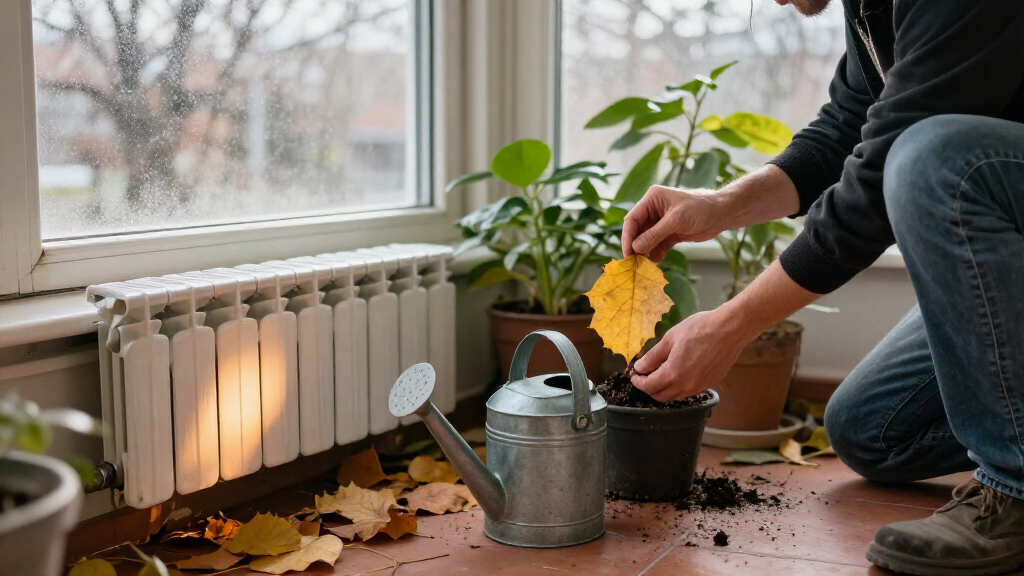
The first check is the plant’s position beside a window after sunset. Glass and the narrow space around it can become colder overnight than the rest of the room, and leaves may touch the pane or sit behind a closed curtain. A thermostat elsewhere in the room does not show the temperature at leaf level. The report advises moving foliage away from cold glass or obvious drafts while keeping suitable light, then checking conditions again during a cold evening.
The second check is whether a supply vent sends repeated hot air directly through the leaves. Planet Natural recommends moving the pot out of that airflow, but not blocking the vent or relocating the plant to a dark, cold spot. Dry, crisp edges or leaf loss on a fern may be consistent with moisture stress, but the report cautions that this is not a reason to keep its soil waterlogged. Humidity in the air and moisture in the potting mix are separate conditions.
The third check is whether a once-bright corner has become too dim as winter daylight changes or curtains, overhangs or nearby buildings block light. The report cites University of Minnesota indoor-light guidance, which lists older-leaf loss, pale foliage and stretched growth as possible responses to insufficient light. It recommends judging light where the plant sits, not by how bright the room appears to a person, and making changes gradually rather than placing every plant in intense direct sun.
Heating Season Changes Plant Conditions
The advice matters because several environmental changes can happen together when a household turns on its heat. A plant near a window may face colder night-time conditions, while another receives drying air from a vent; shorter daylight can affect both. A weekly watering habit that worked in warmer months may also leave soil too wet when a plant uses water more slowly. These factors can overlap, so changing several things at once may make it harder to identify what is affecting the plant.
Planet Natural’s practical point is to make a targeted adjustment, keep the plant in a suitable, stable place and observe the result. That approach can reduce unnecessary moves or repotting. It also helps owners distinguish a placement issue from warning signs that call for closer inspection, such as persistent decline, wet soil with wilting, or visible pests.
Popular right now

Samsung 75-Inch M80H Series Mini LED 4K Smart TV (2026)

Dyson Car+Boat Cordless Handheld Vacuum

Breville Barista Express Espresso Machine, Black Sesame
As an affiliate, we earn on qualifying purchases.
Three Checks Before Moving Pots
The report frames seasonal leaf drop as a problem requiring observation rather than a single-cause explanation. For a weeping fig, also called a ficus, it notes that environmental changes can trigger leaf loss and that Maryland Extension says weeping figs commonly shed leaves when brought indoors. Some adjustment after a move is plausible, but continued heavy loss should prompt checks of water, roots, light and pests. The plant’s response should be judged by the trend and remaining growth; already yellow leaves may still fall after conditions improve.
Before changing a plant’s position or watering routine, the report recommends feeling the growing medium below the surface, comparing the pot’s weight with its usual dry and watered states, and checking for water trapped in a decorative outer container. Soil can be wet beneath a dry-looking surface. It also advises inspecting leaf undersides, stems and new growth for signs such as fine mite webbing, scale or cottony mealybug deposits. A single yellow leaf or dust alone does not establish an infestation.
Leaf Drop Has Several Possible Causes
The supplied report does not identify a specific plant or establish a universal cause for leaf loss. The window, vent and light checks are troubleshooting steps, not proof that any one condition is responsible. Plant type, soil moisture, drainage, root health, pests and recent changes all affect how symptoms should be interpreted. The report also provides no measured temperature, humidity or light thresholds for the plants discussed.
Some warning signs may need a response beyond moving a pot. The report advises inspecting drainage and roots promptly if a plant wilts while its mix remains wet, smells sour, or develops a soft stem base. It does not recommend routine repotting solely because leaves fall in winter; the next step depends on the plant’s actual condition.
Track Changes Over Coming Weeks
After checking the three locations, the report advises correcting a clear problem and recording the plant’s position, soil condition and one adjustment. Recheck the leaves and new growth over the following days and weeks, and act sooner if decline accelerates. Keep watering specific to the plant and growing medium rather than following a fixed weekly schedule, and check for hidden standing water.
If the plant continues to deteriorate, reassess light, water, roots and pests rather than assuming the furnace is the sole cause. The report gives no fixed recovery timetable or guarantee that leaves already damaged will return; the useful signal is whether remaining growth and the overall trend improve under steadier, suitable conditions.
Key Questions
Does leaf drop after the furnace starts prove the heat is harming a plant?
No. Planet Natural describes the timing as a clue, not a diagnosis. Cold window glass, direct vent airflow, reduced light, watering changes, pests and root problems may also be relevant.
Where should I check first?
Check the plant beside the window after sunset, then look for hot air blowing directly through its leaves and assess the light where the plant sits. Make a targeted change if you find a clear problem, while keeping the plant in suitable conditions.
Should I water more if hot air is drying the room?
Not automatically. Room humidity and soil moisture are different. Feel below the soil surface, check the pot’s weight and look for water in an outer container before deciding whether that particular plant needs watering.
When should I inspect the roots or look for pests?
Check for pests on leaf undersides, stems and new growth. Inspect drainage and roots promptly if the plant wilts while its mix remains wet, smells sour or develops a soft stem base, according to the report.
Source: planetnatural.com