
TL;DR

Get garden gear delivered free with Prime
- Fast, free delivery on millions of items
- Prime Video, Amazon Music and more included
- Member-only deals all year
This article outlines six essential tasks for orchid care in August to ensure continuous blooming into fall and winter. Proper watering, fertilizing, and pruning are key, with experts emphasizing consistent maintenance.
Orchid enthusiasts can ensure their plants continue to bloom through fall and winter by completing six specific care tasks this August, according to horticultural experts. These routines are designed to promote healthy growth and flowering during the colder months, making them essential for orchid owners aiming for year-round blooms.
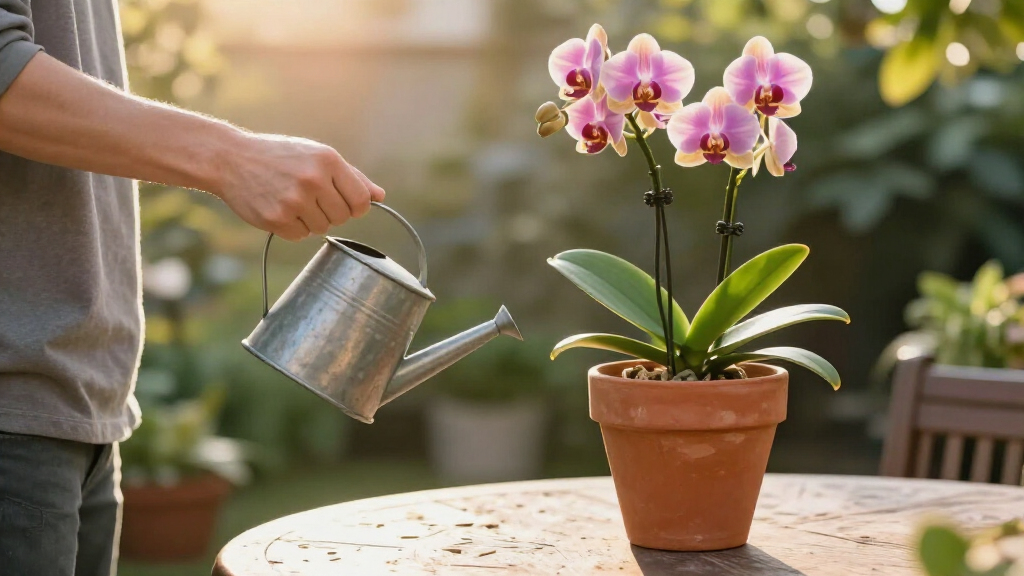
Experts recommend adjusting watering practices, fertilizing regularly, and pruning orchids in August to support continuous flowering. Proper watering involves maintaining moist but not soggy roots, with a focus on avoiding overwatering during cooler months. Fertilization should be done with a balanced, orchid-specific fertilizer every two weeks to supply necessary nutrients. Pruning involves removing spent flower spikes and dead or damaged leaves, which encourages new growth.
Additionally, maintaining appropriate light levels—preferably bright, indirect sunlight—is crucial for orchids to produce flowers. Temperature regulation is also vital; orchids generally prefer daytime temperatures between 65-75°F (18-24°C) and slightly cooler nights. Humidity levels should be kept around 50-70%, with supplemental misting or humidifiers if needed. Lastly, repotting orchids in August can promote better root health and growth, especially if the plant has outgrown its current container or the medium has degraded.
Why August Care Is Critical for Year-Round Orchid Blooms
Following these care routines in August can significantly extend the flowering period of orchids, allowing enthusiasts to enjoy their blooms well into fall and winter. Proper maintenance not only enhances the plant’s aesthetic appeal but also promotes overall health, reducing the risk of diseases and pests. For commercial growers and hobbyists alike, understanding and applying these practices can lead to more vibrant, longer-lasting flowers, making orchid cultivation more rewarding and sustainable.
Popular right now

Ninja CREAMi 7-in-1 Ice Cream Maker, NC299AMZ

De'Longhi Rivelia Automatic Espresso Machine with Grinder and Milk Frother, Beige

Bose QuietComfort Wireless Noise-Cancelling Headphones, Sandstone
As an affiliate, we earn on qualifying purchases.
August Care Fits Into Year-Round Orchid Maintenance
Orchids, particularly popular varieties like Phalaenopsis and Dendrobiums, require specific care routines to bloom successfully throughout the year. While many growers focus on spring and summer, August marks a critical period for preparing orchids for their fall and winter flowering cycles. Historically, consistent watering, fertilizing, and pruning have been key to maintaining orchid health, with recent advice emphasizing the importance of adjusting care routines based on seasonal changes.
Recent horticultural guidelines highlight the importance of early fall preparations, such as repotting and adjusting lighting, to ensure orchids remain healthy and bloom at appropriate times. These practices are backed by decades of experience and recent expert consensus, making August a pivotal month for orchid care planning.
Unanswered Questions About Orchid Care in Late Summer
While experts agree on the importance of watering, fertilizing, and pruning, there is still some debate about the optimal frequency of fertilization for different orchid varieties in August. Additionally, the precise temperature and humidity thresholds for maximizing blooming success remain somewhat variable depending on the orchid species and local climate conditions. More research is needed to establish tailored care routines for specific environments and orchid types.
Next Steps for Orchid Enthusiasts in August
Orchid growers should implement the six recommended tasks in August—watering correctly, fertilizing biweekly, pruning, adjusting light exposure, maintaining humidity, and repotting if necessary. Monitoring plant responses and adjusting care routines accordingly will help ensure healthy blooms into the colder seasons. Experts also advise scheduling a final repotting before late fall to prepare orchids for dormancy or flowering cycles.
Key Questions
How often should I water my orchids in August?
Water orchids when the top inch of the potting medium feels dry, typically once a week, but adjust based on humidity and temperature to prevent overwatering.
Can I fertilize my orchids weekly in August?
It is recommended to fertilize with a balanced orchid fertilizer every two weeks, not weekly, to avoid overfeeding and root damage.
Is pruning necessary in August?
Yes, removing spent flower spikes and dead leaves encourages new growth and helps sustain flowering into fall and winter.
Should I repot my orchids in August?
Repotting in August is advisable if the plant has outgrown its current container or if the medium has degraded, typically every 1-2 years.
What lighting conditions do orchids need in August?
Orchids prefer bright, indirect sunlight; avoid direct sun to prevent leaf burn, especially during the hotter parts of the day.
Source: rss